
The turquoise waters surrounding Key West, a jewel in Florida’s crown, shimmer under an unrelenting sun, luring millions with promises of sun-drenched beaches and vibrant nightlife. Yet, beneath the surface of this idyllic island paradise, a rich and often untold history lies waiting to be unearthed. For centuries, Key West has been a crossroads of cultures, a strategic outpost, and a haven for those seeking refuge or fortune. Its story is not merely one of pirates and Hemingway; it’s a tapestry woven with threads of indigenous peoples, Spanish exploration, military maneuvers, Cuban resilience, and the everyday lives of those who shaped this unique American island. To truly understand Key West is to delve into the secrets it holds, to peel back the layers of time and discover the narratives that have been etched into its very soil.
Echoes of the Calusa: The Island’s First Stewards
Before the Spanish caravels sighted its shores, Key West was home to the Calusa, a formidable indigenous tribe known for their sophisticated culture and mastery of the marine environment. The island, then known by a name lost to modern ears, was part of a complex network of settlements and fishing grounds that spanned Southwest Florida and its surrounding Keys. These were not simple hunter-gatherers; the Calusa were skilled artisans, fierce warriors, and adept navigators, utilizing the abundant marine resources of the Gulf and Atlantic to sustain their civilization. Their presence on Key West, though often overlooked in favor of later colonial narratives, forms the bedrock of the island’s history.
Whispers of Ancient Settlements and Trade Routes
Archaeological evidence, though sparse due to the island’s development, points to significant Calusa activity. Shell middens, remnants of their dietary habits, have been discovered, offering glimpses into their diet and the types of seafood they consumed. More importantly, the strategic location of Key West, with access to both the Gulf Stream and the open ocean, made it a vital point for trade and communication among various Calusa communities. Their understanding of the currents and weather patterns allowed them to traverse these waters with remarkable skill, connecting them to a wider regional network that stretched far beyond the immediate archipelago. The very topography of the island, its natural harbors and elevated areas, would have been shaped by their presence, their settlements adapted to the unique environment of the Keys.
The Legacy of Resilience and Disappearance
The arrival of Europeans marked a dramatic shift for the Calusa. Diseases introduced by the Spanish, coupled with conflicts, led to a devastating decline in their population. By the late 17th century, the Calusa as a distinct and powerful entity had largely vanished, their vibrant culture absorbed or scattered. Yet, their legacy persists in the very land they once called home. While direct historical accounts are scarce, the island’s natural landscape, its tidal flats and mangrove forests, bear silent testimony to their deep connection with the environment. Understanding the Calusa is not just about acknowledging their existence; it’s about recognizing the profound impact of their civilization on the island’s initial human footprint and the subsequent displacement that reshaped its destiny. Their story serves as a poignant reminder of the fragility of indigenous cultures in the face of colonial expansion and the importance of preserving the echoes of their past.
Key West, known for its vibrant culture and stunning landscapes, also harbors a wealth of hidden history that often goes unnoticed by visitors. For those interested in uncovering the lesser-known tales of this unique island, a related article can provide fascinating insights into its past. You can explore more about the intriguing stories and historical landmarks of Key West by visiting this link: Hidden History of Key West.
The Spanish Crucible: Claims, Commerce, and Crossroads
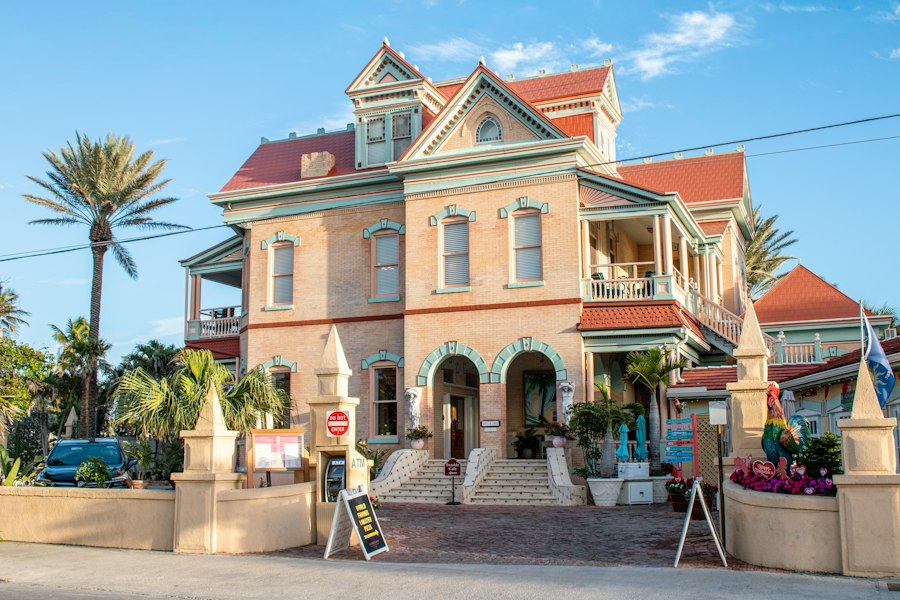
In 1513, Juan Ponce de León, on his quest for Florida, is credited with being one of the first Europeans to officially claim the island for Spain. He purportedly named it “Cayo Hueso,” or “Bone Key,” possibly due to the abundance of human bones found on the shore, remnants of the Calusa or perhaps earlier inhabitants, or due to the bone-like appearance of the island itself. This initial claim, however, did not lead to immediate colonization. For centuries, Key West remained a sparsely inhabited outpost, occasionally visited by fishermen, shipwreck survivors, and pirates. Its strategic position, however, was not lost on various European powers and burgeoning nations.
A Haven for Buccaneers and Privateers
The strategic location of Key West, with its sheltered harbor and proximity to major shipping lanes, made it an irresistible base for pirates and privateers during the Golden Age of Piracy. Figures like the infamous pirate Roberto Cofresí were rumored to have used its hidden coves to stash their ill-gotten gains and plan their raids. While Key West was never as notorious a pirate haven as Tortuga or Nassau, its role as a temporary refuge and a point of departure for plundering expeditions is an undeniable part of its untamed past. This era, though romanticized, highlights the island’s early significance as a frontier territory, where lawlessness often prevailed.
Shifting Sands of Sovereignty: British and American Interests
The territorial tides in the region were constantly shifting. After Spain’s control, Great Britain briefly occupied Key West in 1763 as part of the Treaty of Paris, but soon ceded it back. It was only in 1821, when Spain sold Florida to the United States, that Key West’s destiny began to solidify. The U.S. government recognized the island’s immense strategic importance, particularly for naval operations and its potential as a vital port for trade in the Gulf of Mexico. This marked the beginning of a more structured, albeit still developing, American presence. The island’s geographical isolation and the challenges of its environment meant that integrating it into the newly formed United States was a slow and deliberate process, shaping its unique character and its often-independent spirit. The Spanish influence, however, lingered in the island’s name and some of its early architectural styles, a subtle reminder of its formative years.
The American Bastion: Fortifications, Fortunes, and Freedom
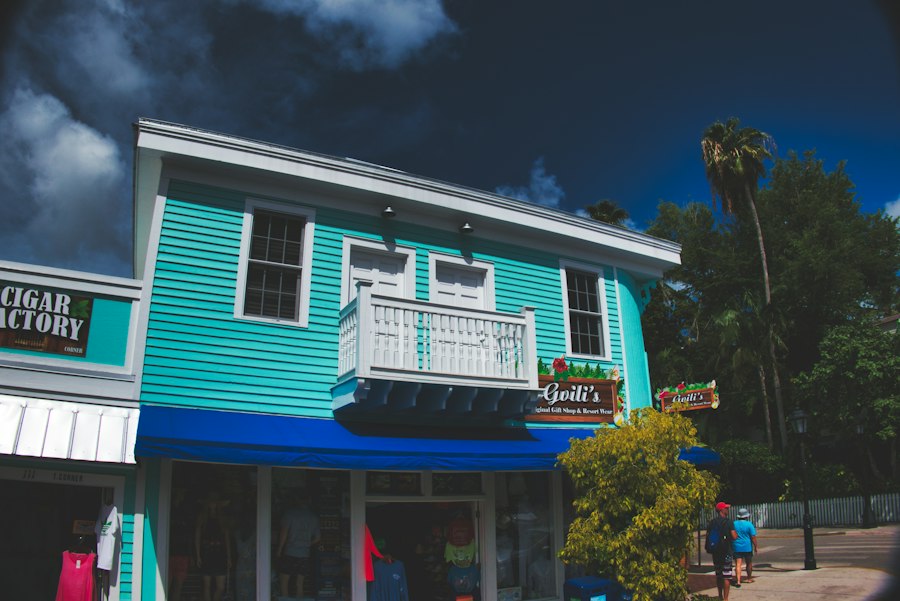
The American acquisition of Key West ushered in a new era of strategic development and economic growth. The island’s deep harbor and its proximity to Cuba and the shipping lanes of the Gulf of Mexico made it an indispensable asset for the United States Navy. This strategic imperative led to significant investment in fortifications and naval infrastructure, transforming Key West into a formidable military stronghold.
The Backbone of the Navy: Fortifications and Strategic Importance
The construction of Fort Zachary Taylor, a massive brick fortress that still stands today, was a testament to Key West’s military significance. Begun in 1845, it was designed to protect the harbor from naval attack and played a crucial role during the Civil War, remaining in Union hands throughout the conflict. This ensured a vital base for the Union blockade of Confederate ports. Beyond Fort Zachary Taylor, numerous other military installations and naval facilities were established, solidifying Key West’s status as a key strategic outpost in the southeastern United States. The island’s naval yard became a hub for ship repairs, resupply, and naval operations, its operations deeply intertwined with the nation’s maritime defense and expansionist ambitions in the Caribbean.
The Lure of the Wreckers and the Rise of Commerce
The treacherous waters surrounding Key West have historically been a graveyard for ships. This, however, gave rise to a unique and often lucrative profession: wrecking. Wreckers, essentially salvagers, would race to the scene of shipwrecks to rescue passengers, crew, and cargo, often receiving a significant portion of the salvaged goods as payment. Key West became the center of this thriving, albeit dangerous, industry. The wreckers were essential to the island’s early economy, bringing in wealth and a spirit of daring adventure. This era also saw the development of Key West as a commercial port, with trade routes expanding to include Cuba and other Caribbean nations. The island’s sponge fisheries also contributed to its economic prosperity, with Key West becoming a leading producer of natural sponges. These industries, fueled by both maritime misfortune and the island’s natural resources, shaped the lives of its inhabitants and contributed to its distinctive cultural fabric.
A Sanctuary for the Enslaved: The Underground Railroad of the South
While often overshadowed by the more publicized Underground Railroad routes in the continental United States, Key West played a unique and crucial role in aiding the escape of enslaved people. Its proximity to Cuba, a Spanish territory that had abolished slavery in 1886, made it a potential destination or transit point for those seeking freedom. The island’s diverse population and its somewhat less rigid enforcement of federal laws allowed for clandestine networks to operate. Stories, though often difficult to verify due to the clandestine nature of these operations, speak of courageous individuals who risked everything to guide enslaved people to safety, either by sea to Cuba or by utilizing other clandestine routes. This chapter of Key West’s history adds a profound layer of human courage and resistance to its narrative, demonstrating its role as a beacon of hope for those yearning for liberation in the shadows of a deeply divided nation.
The Cuban Influence: A Melting Pot of Culture and Resilience
The proximity of Key West to Cuba has profoundly shaped its cultural landscape for centuries. Waves of Cuban immigration, driven by political upheaval and economic hardship, have left an indelible mark on the island’s language, cuisine, music, and overall way of life. This enduring connection has fostered a unique Creole culture, a vibrant fusion that distinguishes Key West from many other American destinations.
The Cigar City: Industry, Immigration, and Identity
In the late 19th and early 20th centuries, Key West experienced a significant economic boom fueled by the burgeoning cigar industry. Cuban immigrants, fleeing the Ten Years’ War and subsequent conflicts, brought their expertise in cigar making, transforming Key West into a major cigar manufacturing center. The island’s population swelled with Cuban workers, establishing close-knit communities, contributing to its labor force, and enriching its cultural tapestry. This era saw the rise of prominent Cuban families and businesses, and the distinct rhythm of Cuban life became woven into the island’s daily existence. The aroma of fresh tobacco and the chatter in Spanish filled the streets, creating a palpable sense of a bilingual and bicultural community.
Resilience in the Face of Adversity: Exiles and the Mariel Boatlift
Key West has also served as a crucial point of arrival for Cuban exiles seeking refuge in the United States. The Mariel Boatlift in 1980, a mass emigration of Cubans from the port of Mariel, saw thousands arrive in South Florida, with many finding their way to Key West. The island’s established Cuban community readily welcomed and supported these new arrivals, offering assistance and a sense of familiar belonging in a foreign land. This influx further solidified the island’s Cuban identity and highlighted its role as a sanctuary for those escaping political turmoil and seeking a better life. The stories of resilience, adaptation, and the ongoing contributions of these communities continue to shape Key West’s identity.
A Lingering Legacy: Language, Flavors, and Festivities
The Cuban influence is still vibrantly alive in Key West today. Spanish remains a commonly spoken language alongside English, particularly in older neighborhoods. The island’s culinary scene is a testament to this heritage, with Cuban bakeries, restaurants serving authentic Ropa Vieja, and the ubiquitous aroma of strong Cuban coffee. Music, from traditional son Cubano to contemporary Latin rhythms, echoes through the streets, especially during local festivals and celebrations. Key West’s annual Cuban American Heritage Festival is a testament to this enduring cultural connection, a vibrant celebration of shared history, traditions, and the deep-rooted ties that bind the island to its Cuban roots. This continuous cultural exchange has ensured that Key West is not just an American city but a fascinating microcosm of Caribbean and Latin American influences.
Key West is a treasure trove of hidden history, with its rich past often overshadowed by its vibrant present. For those interested in uncovering more about the intriguing stories that shaped this island paradise, a fascinating article can be found at My Geo Quest. This resource delves into the lesser-known events and figures that have left their mark on Key West, offering a deeper understanding of its unique cultural heritage. Exploring these hidden narratives can enhance any visit to this captivating destination.
The Modern Key West: Echoes in the Present, Guardians of the Past
| Aspect | Details |
|---|---|
| Historical Period | 19th to early 20th century |
| Key Figures | Salvador T. Pons, African American community leaders, Cuban immigrants |
| Significant Events | Salvador Pons’ election as first Black mayor (1887), Cuban cigar industry growth |
| Hidden Communities | Bahama Village (African American neighborhood), Cuban immigrant enclaves |
| Architectural Highlights | Conch houses, Bahama Village historic district |
| Notable Contributions | Maritime trade, cigar manufacturing, cultural diversity |
| Preservation Efforts | Historic Bahama Village restoration projects, local museums |
Today, Key West navigates the complexities of a modern tourist destination while grappling with the imperative to preserve its rich and multifaceted history. The island’s unique character, forged by centuries of diverse influences, is its most valuable asset, attracting not only sun-seekers but also those drawn to its historical depth and cultural nuances.
Preserving the Layers: Museums, Historical Societies, and Walking Tours
The efforts to uncover and preserve Key West’s hidden history are ongoing. Dedicated historical societies, such as the Key West Art & Historical Society, work tirelessly to collect artifacts, preserve historic buildings, and educate the public. Numerous museums, like the Mel Fisher Maritime Museum, delve into specific aspects of the island’s past, from shipwreck treasures to military history. Walking tours and historical reenactments offer immersive experiences, allowing visitors to step back in time and connect with the stories of those who came before. These initiatives are crucial in ensuring that the narratives of the Calusa, the Spanish explorers, the pirates, the soldiers, the wreckers, and the Cuban immigrants are not lost to the sands of time, but are instead brought to life for future generations.
The Delicate Balance: Tourism and Preservation
Key West faces the perennial challenge of balancing its booming tourism industry with the need to protect its historical integrity and environmental resources. The island’s unique charm is its primary draw, yet the pressures of development and increased visitor numbers can strain its infrastructure and threaten its delicate ecosystem. A growing awareness among residents and conscientious tourists is leading to a greater emphasis on sustainable tourism practices and a deeper appreciation for the island’s historical and cultural significance. The question remains how to manage growth without sacrificing the very essence of what makes Key West so special.
Untold Stories and Future Discoveries
The exploration of Key West’s past is far from over. There are undoubtedly countless untold stories waiting to be uncovered within its archives, its archaeological sites, and the oral traditions of its long-time residents. As new technologies emerge and research methods evolve, further discoveries are bound to shed more light on the island’s complex journey. From the subtle influences of its earliest inhabitants to the more overt impacts of its colonial past and subsequent cultural integrations, Key West’s history is a living entity, constantly revealing new facets of its extraordinary narrative. To truly experience Key West is to look beyond the postcard-perfect image and to embrace the depth and richness of its hidden history, a history as vibrant and enduring as the sun that shines upon its shores.
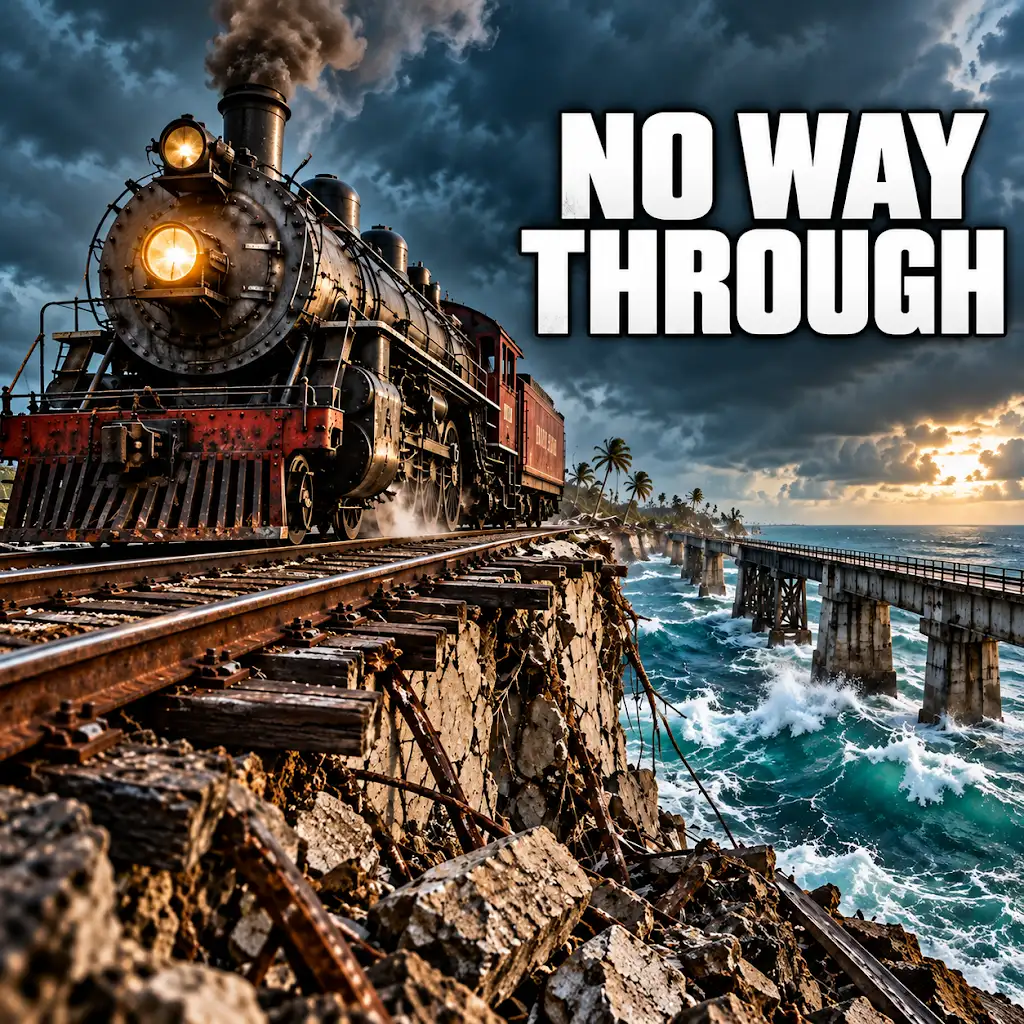
The Railroad That Bet on the Panama Canal—and Lost
FAQs
What is the hidden history of Key West?
The hidden history of Key West refers to lesser-known stories and events that have shaped the island’s past, including its role in the Civil War, connections to famous figures like Ernest Hemingway, and the impact of the Cuban Revolution.
How did Key West play a role in the Civil War?
During the Civil War, Key West served as an important Union outpost and blockade against Confederate forces. The island’s strategic location and deep-water port made it a key asset for the Union Navy in maintaining control over the Florida coastline.
What famous figures have connections to Key West’s hidden history?
Key West has been home to several famous figures throughout history, including author Ernest Hemingway, who lived on the island for many years. Other notable individuals with connections to Key West include President Harry S. Truman and Cuban revolutionary leader Jose Marti.
How did the Cuban Revolution impact Key West?
The Cuban Revolution in 1959 had a significant impact on Key West due to its proximity to Cuba. The island became a hub for Cuban exiles fleeing the communist regime, leading to an influx of refugees and shaping the cultural landscape of Key West.
What are some lesser-known historical sites in Key West?
Some lesser-known historical sites in Key West include the East Martello Museum, Fort Zachary Taylor Historic State Park, and the Key West Cemetery, which features unique gravestones and historical markers. These sites offer a glimpse into the hidden history of Key West beyond its popular tourist attractions.