
The relentless downpour that lashed the region over the weekend has left a significant scar on the vital transportation network, with a crucial stretch of railroad track now completely submerged and washed away. The deluge, described by meteorologists as unprecedented for this time of year, overwhelmed drainage systems and saturated the earth, leading to the catastrophic failure of a section of the railway line near the town of Meadow Creek. This event has triggered widespread disruptions, impacting both freight and passenger services, and is expected to have far-reaching economic consequences for the surrounding communities. Emergency services are on the scene, assessing the damage and beginning the monumental task of restoration, but officials are warning of extended delays and diversions for weeks, if not months, to come.
The Fury of the Storm
The storm that unleashed its fury upon the landscape arrived with little warning, escalating from a steady rain to a torrential downpour within a matter of hours. Satellite imagery from meteorological agencies painted a grim picture as storm cells converged, dumping an extraordinary volume of water across the catchment area feeding the Meadow Creek River. Local residents, accustomed to seasonal rains, found themselves unprepared for the sheer intensity and duration of the deluge. Homes in low-lying areas experienced significant flooding, and roads became impassable, turning many communities into isolated pockets. The sheer volume of water meant that conventional drainage infrastructure, designed for more typical rainfall patterns, was quickly overwhelmed. Rivers and streams, swollen beyond their banks, began to exert immense pressure on anything in their path, including the robust engineering marvel that is the modern railway line.
Rainfall Totals Shatter Records
Data compiled by the National Weather Service confirmed that rainfall totals in the affected region during the 72-hour period of the storm shattered all previously recorded benchmarks. Some areas reported upwards of 15 inches of rain, a figure that would be considered extreme even in typically wet climates. This extraordinary precipitation led to rapid runoff and a significant increase in the velocity and volume of water flowing through local waterways. The saturated ground, unable to absorb any more moisture, contributed to increased surface flow, exacerbating the flooding conditions. Hydrologists are currently analyzing the data to understand the specific meteorological conditions that led to such an intense and localized event, with preliminary findings pointing to a rare confluence of atmospheric phenomena.
The Meadow Creek River’s Unprecedented Rise
The Meadow Creek River, usually a placid waterway, transformed into a raging torrent. Its water levels surged dramatically, inundating the surrounding floodplain and encroaching upon infrastructure that had been considered safe for decades. The river’s power, amplified by the sheer volume of water it was forced to carry, became a destructive force. Bridges were tested, culverts choked, and, most critically, the earth supporting the railway embankment began to erode. The relentless battering of the water against the foundations of the track created a precarious situation, a ticking clock before disaster struck.
In light of the recent incident where a railroad track was washed away due to severe flooding, it’s important to stay informed about the implications of such natural disasters on infrastructure. For more insights on this topic, you can read a related article that discusses the impact of extreme weather on transportation systems. Check it out here: My Geo Quest.
The Railway’s Vulnerability Exposed
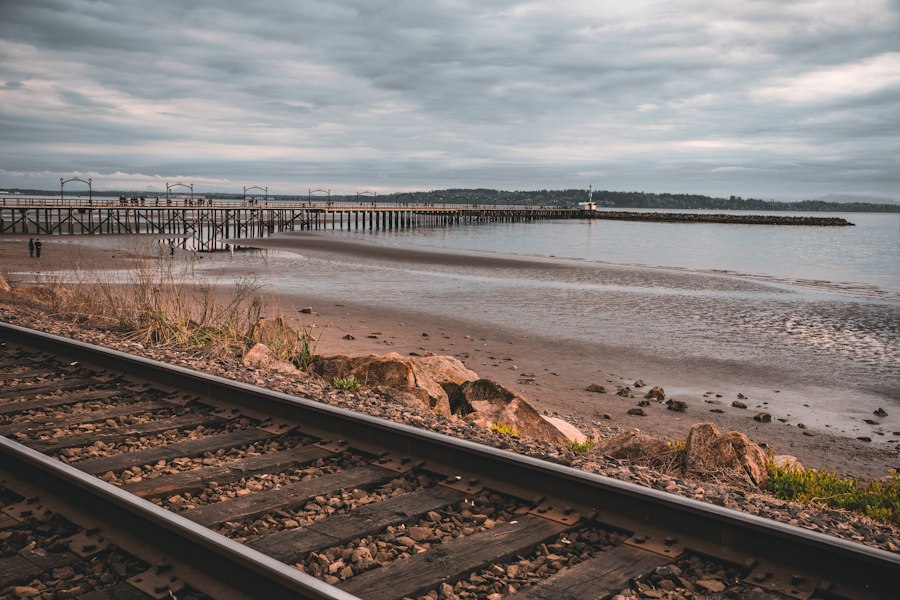
The railway line, a critical artery for commerce and travel, had been constructed with durability and resilience in mind. However, the sheer force of the storm exposed a vulnerability that had not been anticipated. The embankment supporting the tracks, while engineered to withstand significant loads and environmental factors, proved no match for the sustained and powerful erosion caused by the swollen Meadow Creek River. The continuous inundation and the relentless current undermined the very foundation of the railway, leading to its eventual collapse.
Erosion’s Insidious Work
The process of erosion was not instantaneous but rather a gradual, insidious destruction. For hours, the raging river relentlessly scoured the base of the embankment. Water, carrying sediment and debris, gnawed away at the soil and ballast, weakening the structure inch by inch. Engineers will likely conduct a detailed investigation into the specific geological composition of the embankment and the effectiveness of existing erosion control measures in place along this section of the line. It is possible that the volume and velocity of the water exceeded the design parameters for these protective features. The visual evidence left behind is stark: gaping chasms where solid ground and steel rails once stood, a testament to nature’s raw power.
The Moment of Collapse
While there were no immediate reports of trains on the affected section at the time of the most severe damage, the moment of collapse was undoubtedly dramatic. Witnesses from nearby elevated areas described hearing a low rumble followed by a terrifying roar as a significant portion of the track gave way. The earth, no longer supported, sloughed into the churning waters, taking the steel rails with it. The visual impact of a substantial section of railway line simply vanishing into a flood zone is a stark reminder of the destructive potential of extreme weather events. The extent of the damage is still being fully assessed, but initial reports indicate that several hundred meters of track have been rendered unusable.
Immediate Aftermath and Disruption
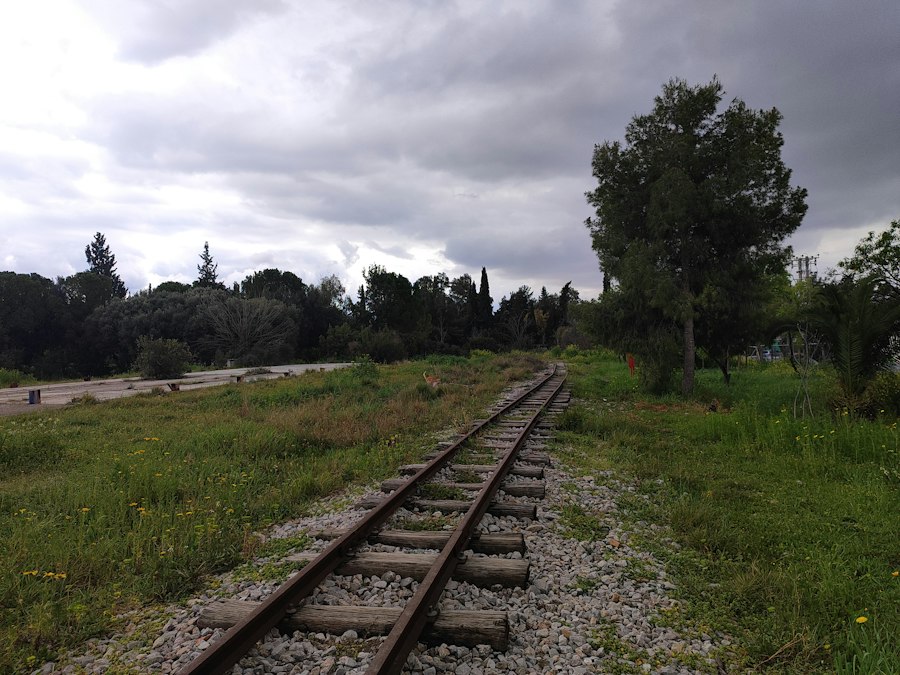
The immediate aftermath of the washed-away railway track was characterized by widespread chaos and significant disruption to transportation networks. With a primary route severed, both freight companies and passenger rail operators were forced to implement emergency contingency plans. The ripple effect of this disruption extended far beyond the immediate vicinity of Meadow Creek, impacting supply chains, commuter travel, and vital economic activity.
Passenger Services Halted and Diverted
For thousands of daily commuters and long-distance travelers, the news of the severed railway line meant immediate disruption. Rail operators quickly announced the suspension of all services on the affected line. Efforts were made to establish alternative transportation, including bus services, to ferry stranded passengers between key hubs. However, these alternatives were often insufficient to cope with the sheer volume of travelers, leading to lengthy delays, overcrowded vehicles, and considerable frustration. For those relying on the train for regular commutes, the impact on their daily routines was immediate and profound, forcing them to seek out alternative, often more expensive or time-consuming, modes of transport.
Freight Networks Crippled
The impact on freight transportation has been particularly severe. The railway line in question is a vital corridor for the movement of goods, connecting industrial centers with ports and distribution hubs. The suspension of services has resulted in significant backlogs of freight, leading to delays in deliveries for a wide range of industries, from manufacturing to agriculture. Companies are now facing increased costs associated with rerouting shipments via road or air, and the potential for shortages of certain goods is a growing concern. The economic consequences for businesses relying on this rail link are substantial, with potential losses mounting with each day the line remains impassable.
The Road to Recovery
The task of repairing the damaged railway line is a monumental undertaking, requiring significant resources, engineering expertise, and time. Officials are emphasizing that the recovery process will be lengthy and complex, involving not only the reconstruction of the track but also the reinforcement of the surrounding embankment to prevent future failures. The scale of the damage necessitates a strategic and phased approach to restoration.
Engineering Challenges and Timelines
Engineers are currently on site, conducting detailed surveys and assessments of the damage. The immediate priority is to stabilize the affected area and prevent further erosion. This will likely involve extensive earthworks, including the rebuilding of the embankment using specialized materials and techniques designed to withstand extreme hydrological forces. The replacement of the washed-away track will require the fabrication and installation of new sections of rail and ballast. The precise timeline for the full restoration of service remains uncertain, with estimates ranging from several weeks to several months, depending on the complexity of the repairs and the availability of resources. The meteorological forecast for the coming weeks will also play a critical role in determining the pace of recovery, as any further heavy rainfall could impede progress.
Economic and Community Impact
The long-term economic and community impact of this disruption is a significant concern. For businesses that rely heavily on the rail link, the extended period of closure could lead to lost revenue and a potential redirection of economic activity to other regions. Local communities that depend on the railway for employment and access to goods and services are also facing challenges. Efforts are underway to mitigate these impacts, including discussions with transportation authorities and business leaders to explore alternative solutions and provide support to affected parties. The resilience of these communities will be tested as they navigate this period of significant logistical and economic strain.
Recently, heavy rainfall caused significant damage to infrastructure, including the railroad tracks that were washed away in several areas. This incident has raised concerns about the impact of extreme weather on transportation networks. For a deeper understanding of how such events can disrupt travel and commerce, you can read a related article that discusses the broader implications of weather-related disruptions in transportation systems. To explore this topic further, check out the article here.
Looking Ahead: Resilience and Preparedness
| Metric | Value | Unit | Notes |
|---|---|---|---|
| Length of Track Washed Away | 150 | meters | Section between milepost 23 and 24 |
| Estimated Repair Time | 10 | days | Including track bed restoration and track replacement |
| Volume of Soil Eroded | 500 | cubic meters | Approximate volume of soil washed away |
| Number of Trains Delayed | 12 | trains | Over the first 48 hours after incident |
| Maximum Speed Restriction Post-Incident | 10 | km/h | Temporary speed limit near damaged area |
| Cause of Washout | Heavy Rainfall | N/A | Over 100mm rainfall in 24 hours |
| Safety Incidents Reported | 0 | incidents | No injuries reported |
The incident serves as a stark reminder of the increasing vulnerability of critical infrastructure to the impacts of climate change and extreme weather events. As these events become more frequent and intense, there is a growing imperative to reassess and enhance the resilience of our transportation networks. This disaster at Meadow Creek highlights the need for proactive measures to protect vital infrastructure from the ravages of nature.
Strengthening Infrastructure Against Future Events
The long-term response to this event must include a comprehensive review of existing infrastructure resilience. This will involve identifying vulnerable points in the network and implementing upgrades to withstand more extreme weather conditions. This could include reinforcing embankments, improving drainage systems, and developing more robust erosion control measures. Investment in advanced monitoring technologies to detect early signs of stress or instability in critical infrastructure will also be crucial. The lessons learned from this incident should inform future planning and development, ensuring that transportation networks are built to withstand the challenges of a changing climate.
The Role of Climate Change and Adaptation
While the immediate focus is on recovery, the underlying causes of such extreme weather events cannot be ignored. Scientists continue to highlight the link between rising global temperatures and an increase in the frequency and intensity of extreme weather phenomena. This event at Meadow Creek underscores the urgent need for adaptation strategies to build greater resilience within communities and infrastructure. This includes not only physical upgrades but also improved early warning systems, enhanced emergency response protocols, and community-based preparedness initiatives. By acknowledging and addressing the challenges posed by climate change, authorities can work towards mitigating the impact of future disasters and ensuring the long-term stability of vital transportation arteries. The successful rebuilding of the Meadow Creek railway line will be a testament to engineering ingenuity, but the true measure of success will be the proactive steps taken to prevent such widespread disruption from occurring again.
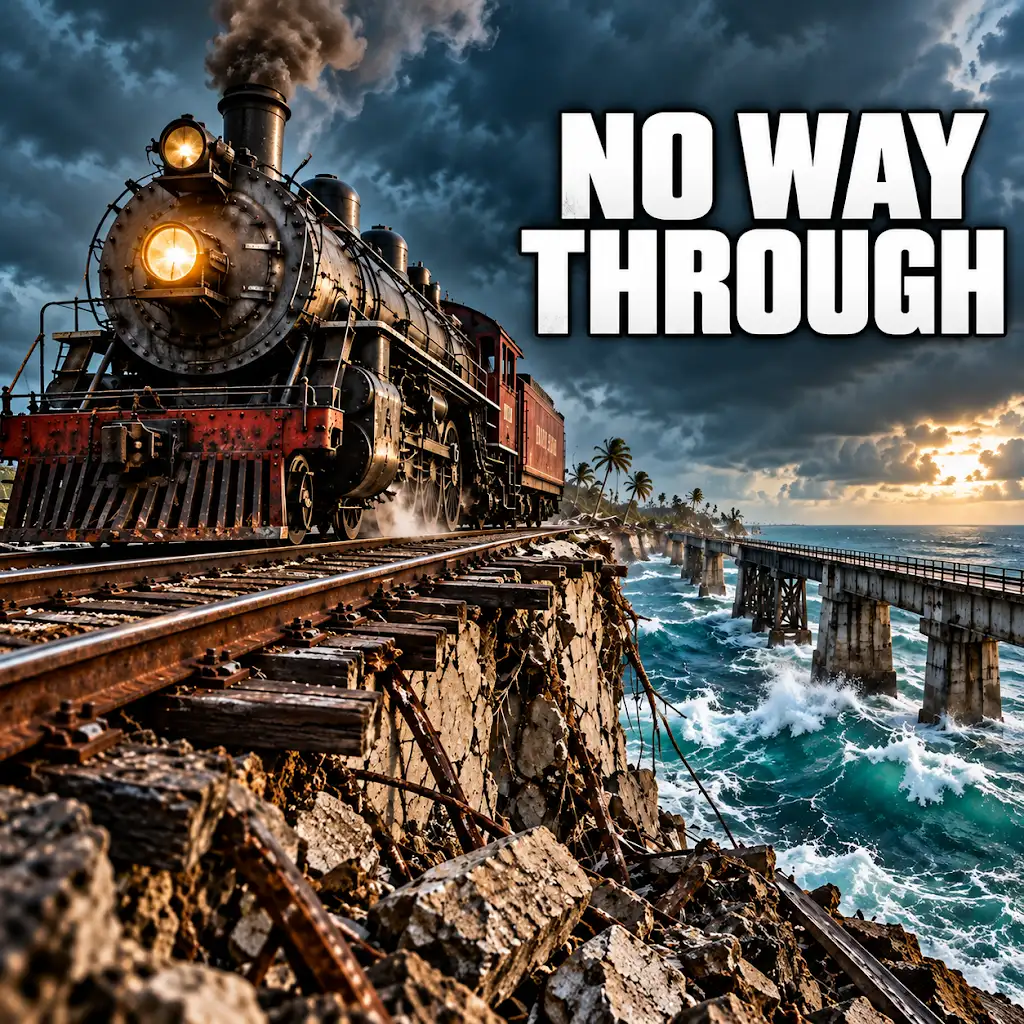
The Railroad That Bet on the Panama Canal—and Lost
FAQs
What caused the railroad track to wash away?
The railroad track washed away due to heavy rainfall and flooding in the area, which eroded the ground beneath the tracks.
How will the washed away railroad track impact train services?
The washed away railroad track will disrupt train services in the affected area, leading to delays and cancellations until repairs are completed.
Are there any safety concerns associated with a washed away railroad track?
Yes, a washed away railroad track poses a safety risk as trains may derail or encounter accidents if they attempt to pass over the damaged section.
What steps are being taken to repair the washed away railroad track?
Authorities are working to assess the damage and develop a plan to repair the washed away railroad track, which may involve rebuilding the track and stabilizing the ground beneath it.
How long is the expected timeline for the repair of the washed away railroad track?
The timeline for repairing the washed away railroad track will depend on the extent of the damage, availability of resources, and weather conditions, but it is expected to take several days to weeks to complete the repairs.