The Unseen Fury: A Chronicle of the 1935 Islamorada Hurricane
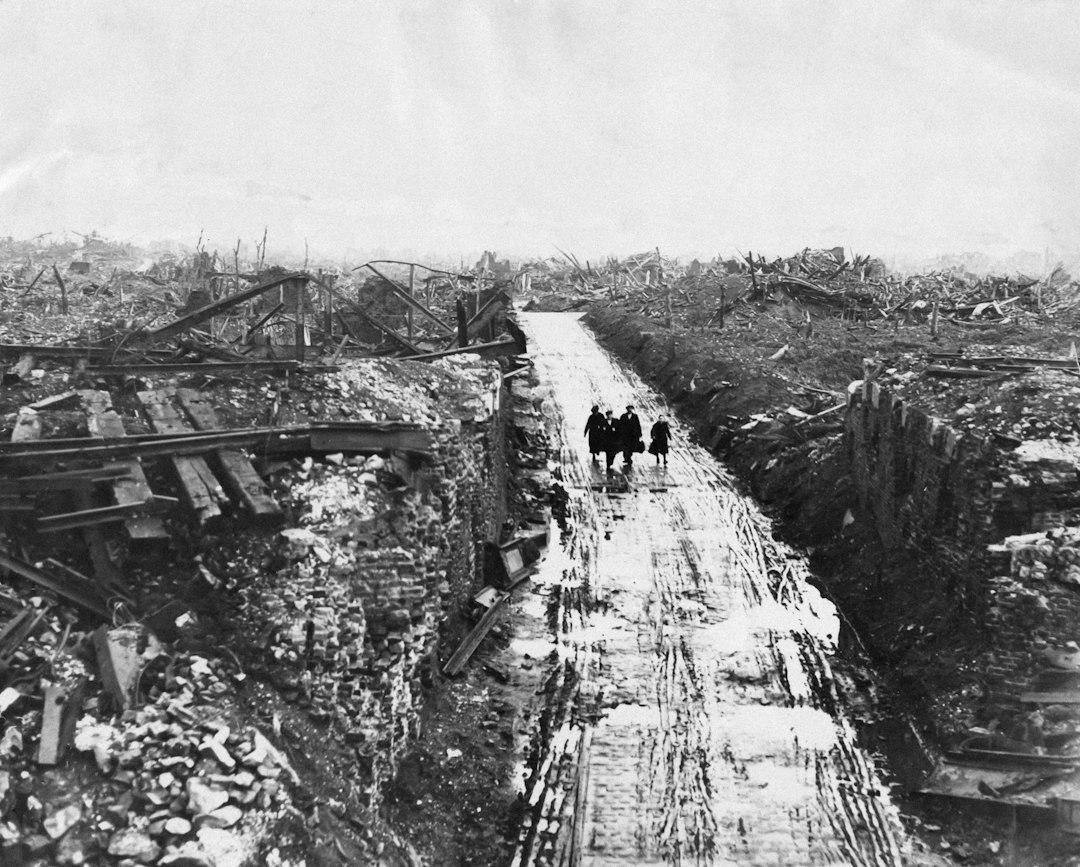
The year 1935 etched itself into the annals of American natural disasters with a ferocity that few storms have ever matched. While the nation grappled with the throes of the Great Depression, an even more insidious force emerged from the warm waters of the Atlantic, a tempest that would redefine devastation for a young, developing region. The Islamorada Hurricane, as it came to be known, was not merely a meteorological event; it was a cataclysm that ripped through the Florida Keys, leaving an indelible scar on the landscape and the collective memory of those who survived its wrath. Its story is one of nature’s raw power unleashed, of human vulnerability exposed, and of a resilience that, in the aftermath, would lay the groundwork for a more prepared future.
The devastating hurricane that struck Islamorada in 1935 remains one of the most catastrophic natural disasters in Florida’s history, profoundly impacting the region’s development and infrastructure. For a deeper understanding of the events surrounding this hurricane and its aftermath, you can read a related article that explores the historical context and the lessons learned from this tragedy. For more information, visit this link.
The Genesis of a Monster: Birth and Early Trajectory
The genesis of the 1935 hurricane, later retrospectively named the “Labor Day Hurricane,” can be traced to the burgeoning tropics. While official tracking in the era was nascent compared to modern standards, meteorologists noted the formation of a tropical disturbance that, with alarming speed, began to intensify. It brewed in the southeastern Caribbean Sea, an area notorious for spawning powerful cyclones. The initial stages were those of a typical tropical storm, but conditions in its path—remarkably warm ocean waters and favorable atmospheric steering currents—provided the perfect ingredients for rapid and unchecked development.
Tracking a Gathering Storm
The early days of the storm saw it moving westward, a seemingly distant threat. However, the United States Weather Bureau, though lacking the sophisticated forecasting tools of today, began to issue advisories. These initial warnings were met with a degree of uncertainty, as the storm’s trajectory and intensity were difficult to pinpoint with precision. As it traversed the waters between Cuba and Florida, the hurricane underwent a process of “explosive intensification,” a terrifying phenomenon where atmospheric pressure drops dramatically, leading to a rapid surge in wind speeds. This rapid strengthening, occurring in a region with little historical precedent for such extreme storms, caught many by surprise. The storm’s path shifted northward, then began to curve towards the Florida Keys, a chain of islands already a tenuous outpost of American civilization. The combination of its unprecedented intensity and its direct heading for the sparsely populated and vulnerable Keys set the stage for unparalleled destruction.
The Eye of the Storm: Impact on the Florida Keys
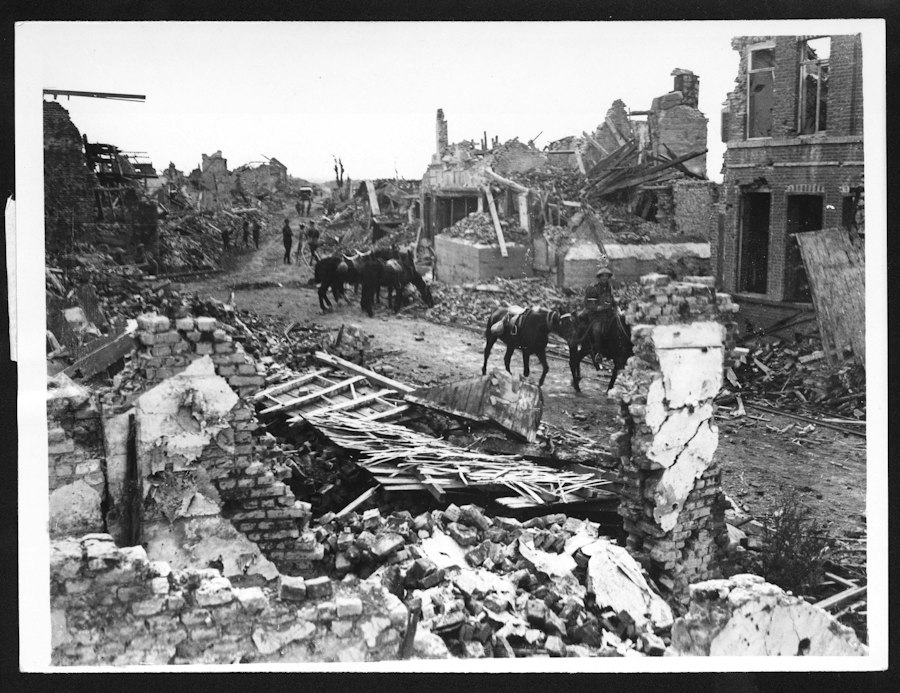
The Florida Keys, particularly the Upper Keys, bore the brunt of the 1935 hurricane’s fury. This thin ribbon of land, barely above sea level, was ill-equipped to withstand the forces of such a colossal storm. The hurricane made landfall on Labor Day, September 2nd, 1935, with an eye of unimaginable power passing directly over the Upper Keys, including the community of Islamorada. The storm surge, a catastrophic rise in sea level driven by the hurricane’s winds, was the primary agent of destruction. It washed inland with unimaginable force, obliterating everything in its path.
The Unrelenting Storm Surge
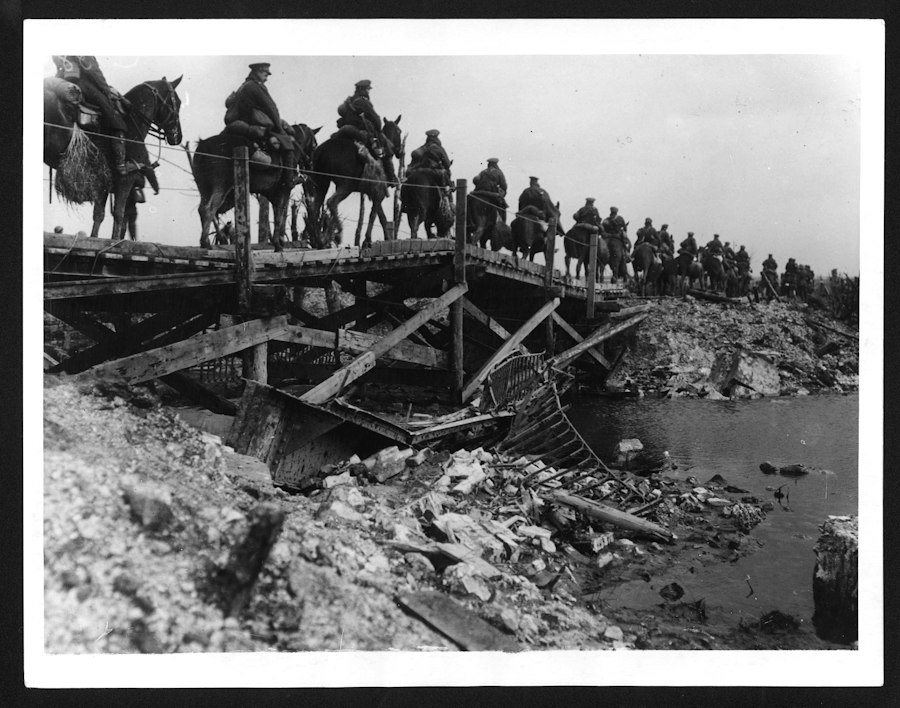
The reported storm surge reached an astonishing height, estimated to be between 15 and 18 feet above normal tide levels. For islands that were often only a few feet above sea level, this was an insurmountable barrier. Buildings, homes, and infrastructure were simply swept away. The Overseas Highway, a relatively new marvel of engineering that connected the Keys, was decimated. Bridges were twisted and broken, and sections of the highway were entirely eroded. The railway tracks, a vital link for supplies and transportation, were torn from their foundations. The surge’s relentless advance transformed the landscape into a chaotic jumble of debris, mud, and saltwater.
The Fury of the Winds
In addition to the devastating storm surge, the winds associated with the 1935 hurricane were of catastrophic intensity. Estimates place the sustained winds at over 185 miles per hour, with gusts potentially exceeding 200 miles per hour. These were winds of unprecedented force, capable of tearing apart even the most sturdy structures. Homes were reduced to splinters, trees were uprooted and tossed like matchsticks, and anything not firmly anchored to the ground was carried away by the gale. The sheer kinetic energy of these winds created a destructive force that was almost unimaginable. For those caught in the open, survival was a near impossibility. The sound of the wind itself was described as a continuous roar, a deafening symphony of destruction that drowned out all other sounds.
The Human Toll: A Tragedy Unfolds
The human cost of the 1935 Islamorada Hurricane was staggering. The storm’s intensity and the lack of adequate warning systems left many communities in the Keys tragically unprepared. The most vulnerable were the veterans of World War I, who were working on a government project to build the Overseas Highway and were housed in temporary camps along the route. These camps, often little more than flimsy structures, offered no protection from the storm surge and hurricane-force winds. The death toll was exceptionally high, with estimates varying but consistently in the hundreds. Entire families were wiped out, and the social fabric of the small island communities was irrevocably torn. Many survivors were left with deep physical and psychological scars, forever marked by the night the ocean rose and the wind screamed. The sheer scale of the loss of life in such a remote and sparsely populated area made the disaster particularly poignant.
A Nation’s Response: Relief and Reconstruction
In the immediate aftermath of the Islamorada Hurricane, the nation, itself reeling from economic hardship, mobilized to provide aid to the beleaguered Keys. The scale of the destruction necessitated a significant relief effort, highlighting both the challenges and the spirit of cooperation in a time of crisis. The lack of infrastructure made access to the Keys incredibly difficult, complicating rescue and relief operations.
The Immediate Aftermath: Rescue and Despair
The initial days after the hurricane were characterized by a desperate search for survivors and the grim task of recovery. Naval vessels were dispatched to assess the damage and provide assistance, but the shattered state of the infrastructure made their efforts challenging. Local residents, those who had survived, emerged from the wreckage to find their homes gone and their communities in ruins. The scenes were one of utter devastation, with bodies scattered and the landscape transformed into a surreal tableau of destruction. Communication was severed, making it difficult to gauge the full extent of the disaster and to coordinate relief efforts effectively. The sense of shock and despair was palpable.
The Role of the Civilian Conservation Corps (CCC)
The Civilian Conservation Corps (CCC), a New Deal agency that employed young men in public works projects, played a crucial role in the reconstruction efforts. Many of the veterans who perished were part of the CCC, and their fallen comrades were instrumental in rebuilding what the storm had destroyed. The CCC’s manpower and organizational structure were invaluable in clearing debris, rebuilding essential infrastructure, and providing temporary housing for displaced residents. Their efforts, though challenging due to the ongoing damage and limited resources, represented a significant step towards restoring normalcy and hope to the Keys. The CCC’s involvement also underscored the federal government’s commitment to the region’s recovery.
The Long Road to Recovery
The reconstruction of the Florida Keys was a slow and arduous process. The destruction of the Overseas Highway meant that the islands were largely isolated for an extended period. The rebuilding of bridges and roads was a monumental undertaking, requiring significant investment and labor. The community, though deeply scarred, demonstrated remarkable resilience. Residents worked together, sharing what little they had and supporting one another. The spirit of self-reliance, combined with external aid, gradually began to mend the broken pieces of their lives and their communities. The memory of the hurricane served as a constant reminder of the vulnerability of their insular existence.
The devastating hurricane that struck Islamorada in 1935 remains one of the most catastrophic events in Florida’s history, leaving a lasting impact on the region and its residents. For those interested in learning more about this significant event and its aftermath, a related article can provide deeper insights into the storm’s effects and the recovery efforts that followed. You can explore this fascinating account by visiting this link, which offers a comprehensive overview of the hurricane’s history and its implications for the Florida Keys.
Lessons Learned: A Legacy of Preparedness
| Metric | Data |
|---|---|
| Event Name | Labor Day Hurricane |
| Date | September 2, 1935 |
| Location | Islamorada, Florida Keys |
| Category | Category 5 |
| Maximum Sustained Winds | 185 mph (295 km/h) |
| Minimum Central Pressure | 892 mb (hPa) |
| Storm Surge | 18-20 feet |
| Fatalities | Approximately 400 (including World War I veterans working on the Overseas Railroad) |
| Damage | Severe destruction of infrastructure and homes in Islamorada and surrounding Keys |
The 1935 Islamorada Hurricane served as a stark and brutal wake-up call for the United States, particularly for coastal communities. The sheer devastation and the high loss of life underscored critical deficiencies in warning systems, building codes, and disaster preparedness. The lessons learned from this catastrophic event would shape future approaches to hurricane preparedness and coastal development for decades to come.
Advancements in Forecasting and Warning Systems
Prior to 1935, hurricane forecasting was in its infancy. The inability to accurately predict the storm’s intensity and trajectory proved to be a critical failing. The disaster spurred significant investment and research into meteorology and hurricane tracking. The development of more sophisticated weather instruments, the expansion of the hurricane warning network, and the improved understanding of storm dynamics were direct consequences of the 1935 storm. The establishment of more robust communication channels and the development of standardized warning procedures were essential steps in ensuring that future storms would not catch communities as unprepared.
Rebuilding with Resilience: New Construction Standards
The obliteration of so many structures during the hurricane highlighted the urgent need for stronger building codes in coastal areas. In the years that followed, there was a concerted effort to develop and enforce building standards that could withstand the forces of hurricanes. This included requirements for stronger foundations, reinforced structures, and impact-resistant windows. The rebuilding of the Keys, and coastal communities across the nation, began to incorporate these new, more resilient building practices, laying the foundation for safer development in hurricane-prone regions. This focus on structural integrity became a cornerstone of future disaster mitigation efforts.
The Importance of Evacuation Planning
The 1935 hurricane also underscored the critical importance of effective evacuation planning. The lack of clear evacuation routes and public awareness contributed to the high death toll. In the aftermath, greater emphasis was placed on developing comprehensive evacuation plans, including designated routes, public education campaigns, and the establishment of emergency shelters. The understanding that human lives could be saved through timely and organized evacuations became a fundamental principle of disaster management. This recognition led to the development of sophisticated emergency management agencies and protocols.
The Enduring Echo: Memory and Memorialization
Even decades after the storm’s passing, the 1935 Islamorada Hurricane remains a significant event in the history of the Florida Keys and the nation’s understanding of natural disasters. The memory of its devastation continues to shape the region, influencing everything from its infrastructure to its cultural identity.
The Labor Day Hurricane Memorial
In Islamorada, a poignant memorial stands as a somber reminder of the lives lost. The Labor Day Hurricane Memorial is a testament to the enduring spirit of remembrance for the victims, many of whom were never identified. The memorial serves as a focal point for reflection and education, ensuring that the sacrifices made and the lessons learned are not forgotten. It is a place where descendants and visitors can connect with the history of the storm and pay their respects.
A Constant Vigilance: The Modern Hurricane Preparedness
The lessons of 1935 are not merely historical footnotes; they are ingrained in the modern approach to hurricane preparedness. The Florida Keys, in particular, live with a heightened awareness of the potential for powerful storms. The development of advanced weather monitoring, sophisticated communication systems, and well-rehearsed evacuation plans are all direct descendants of the catastrophe that struck on Labor Day nearly a century ago. The vigilance required to live in such a beautiful yet vulnerable environment is a perpetual echo of the storm’s wrath. The constant threat necessitates ongoing education, infrastructure reinforcement, and a community commitment to preparedness. The 1935 Islamorada Hurricane, though a tragedy of immense proportions, ultimately forged a stronger, more resilient future for coastal communities across the United States.
The Railroad That Bet on the Panama Canal—and Lost
FAQs
1. What was the Islamorada hurricane of 1935?
The Islamorada hurricane of 1935, also known as the Labor Day Hurricane, was a Category 5 hurricane that struck the Florida Keys on September 2, 1935. It is considered one of the most intense hurricanes to ever make landfall in the United States.
2. How many people died as a result of the Islamorada hurricane of 1935?
It is estimated that over 400 people lost their lives as a result of the Islamorada hurricane of 1935. Many of the victims were World War I veterans who were working on construction projects in the Florida Keys at the time.
3. What was the impact of the Islamorada hurricane of 1935 on the Florida Keys?
The Islamorada hurricane of 1935 caused widespread destruction in the Florida Keys, with buildings being flattened, roads washed away, and the infrastructure severely damaged. The storm surge and winds were so powerful that entire communities were swept away.
4. How did the Islamorada hurricane of 1935 influence future hurricane preparedness and response efforts?
The devastation caused by the Islamorada hurricane of 1935 led to improvements in hurricane forecasting, communication, and evacuation procedures. It also highlighted the need for stronger building codes and infrastructure to withstand powerful storms.
5. Is the Islamorada hurricane of 1935 still considered one of the most powerful hurricanes in US history?
Yes, the Islamorada hurricane of 1935 remains one of the most intense hurricanes to ever hit the United States. With sustained winds of over 185 mph and a central pressure of 892 mb, it ranks as one of the strongest hurricanes on record.