
Understanding the Fundamental Differences in Dam Failure Mechanisms
Dams, monumental feats of engineering designed to control water, serve critical purposes such as flood control, water supply, and hydroelectric power generation. However, these structures are not infallible, and their failure can result in catastrophic consequences for downstream communities. While the image of a dam bursting might evoke a single, dramatic event, the reality of dam breaches is far more nuanced. Two primary failure mechanisms dominate the discussion: overtopping and seepage. Understanding the distinct causes, processes, and implications of each is paramount for effective dam design, maintenance, and risk assessment. This article delves into the intricate details of overtopping and seepage failures, illuminating the key factors that contribute to these devastating events.
In the ongoing discussion about dam safety, the comparison between overtopping and seepage failure is crucial for understanding potential risks. A related article that delves deeper into these two failure mechanisms can be found at MyGeoQuest, where it explores the implications of each failure type on dam integrity and the necessary preventive measures that can be implemented to mitigate these risks.
Overtopping: When Water Surmounts the Crest
Overtopping occurs when the water level in the reservoir behind a dam rises above the dam’s crest, leading to water flowing directly over the top of the structure. This seemingly straightforward failure mode is often a consequence of a complex interplay of factors, primarily related to extreme hydrological events and inadequate spillway capacity. When the volume of water entering the reservoir exceeds the capacity of the dam and its associated spillway to discharge it safely, the water level inevitably begins to climb.
Extreme Hydrological Events as the Primary Trigger
The most common instigator of overtopping is an exceptional influx of water into the reservoir. These extreme hydrological events can manifest in various forms:
Unprecedented Rainfall Intensities and Durations
Dams are designed with anticipated flood frequencies and magnitudes in mind. However, climate change and unpredictable weather patterns are increasingly leading to rainfall events that surpass historical records. Intense, prolonged rainfall over the watershed, especially when combined with saturated ground conditions from previous wet periods, can generate runoff volumes that overwhelm the designed inflow capacity. This means that even a dam with a well-designed spillway might be tested beyond its limits if the upstream rainfall is sufficiently severe and sustained. For instance, a dam designed for a 100-year flood event might face a 500-year event, overwhelming its designed discharge capacity.
Rapid Snowmelt and Ice Thaw
In regions with significant snowfall, the rapid melting of snowpack, particularly when accelerated by warm temperatures and rain, can lead to a sudden and massive surge of water into the reservoir. Similarly, in colder climates, the sudden and unseasonal thawing of ice dams or jams on rivers upstream of the reservoir can release a large volume of impounded water almost instantaneously. These events can be particularly insidious as they may occur with little warning, catching dam operators and downstream communities by surprise. The sudden release of large ice floes can also scour the dam toe or foundation, exacerbating any existing weaknesses.
Downstream Floodwaters Entering the Reservoir
While less common, it is possible for floodwaters from downstream tributaries or the river itself to back up into the reservoir, increasing the overall water level. This scenario is more likely in systems with complex river networks or where upstream structures have failed, contributing to a broader regional flood event.
The Role of Inadequate Spillway Capacity
The spillway is the dam’s primary safety valve, designed to release excess water in a controlled manner. If the spillway is not adequately sized to handle the potential inflow volumes, overtopping becomes a significant risk.
Design Underestimation of Flood Probabilities
Historically, dams were often designed based on flood data that may not reflect the full spectrum of potential extreme events, especially in light of evolving climate conditions. If the design flood used for spillway sizing was underestimated, the spillway’s discharge capacity will be insufficient to prevent the reservoir level from rising above the dam’s crest during a more severe event. This was a common issue with older dams built before advanced hydrological modeling techniques and climate change projections were widely integrated into design standards.
Blockages and Obstructions
Even a well-designed spillway can become ineffective if it is blocked by debris, sediment, ice, or vegetation. Natural events like landslides or fallen trees can accumulate at the spillway entrance or within the gates, impeding the flow of water. Failure to regularly inspect and clear these obstructions can turn a manageable inflow into a critical overtopping situation. The accumulation of sediment in the reservoir itself can also reduce its storage capacity, leading to a faster rise in water levels and potentially overtopping.
Operational Failures and Malfunctions
Spillway gates are crucial for regulating water release. Malfunctions in the gate operating systems, power failures, or human error in operating the gates can prevent or delay the timely release of water, allowing the reservoir level to rise unchecked. Regular maintenance, testing, and robust emergency operating procedures are essential to mitigate these risks. For example, if an automated gate system fails and manual override is not quickly implemented, significant water accumulation can occur.
The Damaging Consequences of Overtopping
Once water begins to flow over the crest of a dam, the erosion process can be rapid and devastating. The sheer force of the water can scour the downstream face of the dam, undermining its structural integrity.
Erosion of the Dam Crest and Downstream Slope
The material forming the dam crest and downstream slope, whether it be earth, rockfill, or concrete, is not designed to withstand the sustained force and abrasion of flowing water. This water will excavate, transport, and displace the dam’s material, leading to a progressive weakening and eventual collapse. The erosion can begin as a localized process and quickly spread, creating large breaches in the dam. The finer materials in an earth dam are particularly susceptible to rapid erosion.
Scouring of the Dam Toe and Foundation
As water flows over the crest and down the downstream slope, it also exerts pressure and can cause scouring at the toe of the dam and in the foundation area. This undermines the dam’s support, leading to instability and potential failure even before the crest itself is significantly breached. The foundation is often the weakest link, and if it is eroded, the entire structure is at risk. The impact of high-velocity water can also cause significant damage to the dam’s toe protection measures, such as riprap.
Catastrophic Breach and Downstream Flooding
The ultimate consequence of overtopping is a catastrophic breach of the dam. Once a significant breach occurs, the vast volume of water stored in the reservoir is released almost instantaneously. This creates a powerful and destructive floodwave that surges downstream, overwhelming natural river channels and inundating communities, infrastructure, and ecosystems with devastating force. The speed and height of this floodwave make evacuation difficult and increase the potential for loss of life and property damage.
Seepage: The Silent Threat of Water Intrusion
Seepage refers to the flow of water through or beneath a dam. While seemingly less dramatic than overtopping, seepage failure is a more insidious and often more complex phenomenon. It represents a gradual process of water infiltration that can weaken the dam’s structure over time, ultimately leading to instability and collapse. The primary concern with seepage is the potential for internal erosion and the development of hydraulic pressures that compromise the dam’s integrity.
Internal Erosion: The Undermining of Structural Integrity
The most significant risk associated with seepage is internal erosion, also known as piping. This occurs when water flowing through the dam or its foundation carries away fine particles of soil or rock, creating internal voids and pathways.
Granular Filters and Their Importance
Many dams, particularly earth and rockfill dams, incorporate granular filters. These are carefully designed layers of sand and gravel with progressively smaller particle sizes. Their crucial role is to allow water to pass through while preventing the finer soil particles of the dam core from being washed away. If these filters are absent, improperly designed, or compromised, internal erosion can begin. The water acts as a carrying agent, removing these fines and creating channels.
The “Progressive Erosion” Phenomenon
Once internal erosion begins, it often follows a progressive path. Water flowing through a small void will pick up fine particles. As these particles are removed, the void enlarges, allowing more water to flow through, which in turn erodes more material. This self-accelerating process, known as progressive erosion or piping, can lead to the formation of significant internal channels within the dam or its foundation. These channels are often invisible from the exterior, making them exceptionally dangerous.
Impact on Embankment Stability
The creation of these internal voids significantly weakens the dam’s structural integrity. The loss of soil mass reduces the dam’s ability to resist external forces, such as the pressure of the stored water or seismic activity. The internal channels can also act as conduits for concentrated flow, increasing pore water pressures within the dam and reducing the effective stress on the soil particles, which can lead to liquefaction or shear failure. Imagine a sponge with holes forming inside it; it loses its overall structural integrity.
Development of Excessive Pore Water Pressures
Seepage can also lead to the buildup of excessive pore water pressures within the dam and its foundation. Pore water pressure is the pressure exerted by the water within the voids of the soil or rock.
Uplift Pressures on the Foundation
In dams constructed on permeable foundations, seepage can lead to uplift pressures. This is the upward force exerted by groundwater on the base of the dam. If these uplift pressures are not adequately relieved (e.g., through drainage systems), they can counteract the weight of the dam, reducing the frictional resistance that holds it in place. This can lead to instability and sliding failure of the dam, especially at the toe. The water is essentially trying to lift the dam off its foundation.
Reduced Shear Strength of Soil
The presence of water within the soil pores increases the pore water pressure. According to Terzaghi’s principle of effective stress, the shear strength of a soil is dependent on the effective stress, which is the stress transmitted through the soil particles. As pore water pressure increases, the effective stress decreases, leading to a reduction in the soil’s shear strength. If the pore water pressure becomes too high, the soil may lose its ability to resist shear forces, leading to slope instability and potential failure. This is a critical factor in the stability of embankment dams.
Factors Contributing to Seepage Issues
Several factors can contribute to or exacerbate seepage problems in dams.
Inadequate Impermeable Core or Cutoff
Embankment dams typically have an impermeable core (made of clay or other low-permeability material) designed to prevent water from flowing through the central part of the dam. Similarly, a cutoff trench or grout curtain is often constructed beneath the dam to prevent seepage from the foundation. If the core is poorly constructed, contains permeable lenses, or if the cutoff is inadequate or has developed cracks, water can bypass these elements and flow through the dam or foundation. The continuity and integrity of these barrier elements are paramount.
Permeable Foundation Materials
Dams built on permeable foundations, such as sand, gravel, or fractured rock, are inherently more susceptible to seepage. Without adequate seepage control measures, water can easily flow through these materials, leading to uplift pressures and internal erosion. The nature of the bedrock beneath the dam is a critical consideration during the design phase. For example, a dam built over a highly fractured granite formation requires different seepage control strategies than one built on a dense clay layer.
Poor Drainage Systems
Effective drainage systems are essential for controlling seepage. These can include relief wells, drainage blankets, and chimney drains designed to collect and safely discharge seepage water. If these drainage systems are clogged, damaged, or inadequate in capacity, water can accumulate within the dam or foundation, leading to increased pore water pressures and potential instability. The maintenance and functionality of these systems are a continuous concern.
Cracking and Fissuring in Concrete Dams
While less common for embankment dams, concrete dams can also experience seepage-related failures. Cracking due to thermal stresses, alkali-aggregate reaction, or foundation settlement can create pathways for water to infiltrate the dam. This water can then cause internal erosion within the concrete itself or exert hydrostatic pressures that contribute to structural distress. Freeze-thaw cycles can also exacerbate cracking in concrete.
The Progressive Nature and Detection Challenges
A significant challenge with seepage failure is its often slow and progressive nature. Unlike the dramatic failure of overtopping, seepage problems may develop over years or even decades, making them harder to detect and address before they become critical.
Subsurface Erosion and Hidden Voids
The internal erosion process, as described earlier, creates voids and channels beneath the surface that are not readily visible. This means that a dam might appear outwardly stable while significant internal damage is occurring. The lack of visual cues can lead to a false sense of security.
Monitoring and Early Warning Systems
Sophisticated monitoring systems are crucial for detecting seepage problems. These include piezometers (to measure pore water pressure), flow meters, and visual inspections of seepage outflow. Trends in these measurements, such as increasing seepage flow rates, rising pore water pressures, or the presence of suspended sediment in the outflow, can provide early warning signs of potential issues. Regular dam inspections, both visual and instrumental, are vital.
The Importance of a Robust Dam Safety Program
A comprehensive dam safety program, encompassing regular inspections, monitoring, maintenance, and risk assessments, is the most effective defense against seepage failures. Early identification of potential problems allows for timely intervention, which can range from repairing minor leaks to implementing more significant remediation measures, thus preventing catastrophic failure.
Distinct Causes and Manifestations
While both overtopping and seepage can lead to dam breaches, their root causes and the physical processes involved are fundamentally different. Recognizing these distinctions is crucial for effective dam management.
Hydrological vs. Geotechnical Triggers
Overtopping is primarily a hydrological problem. It is triggered by an overwhelming volume of water entering the reservoir that exceeds the designed discharge capacity of the dam and its spillway. This is often a result of extreme weather events or unforeseen inflows. Conversely, seepage failure is primarily a geotechnical problem. It arises from the interaction of water with the dam’s materials and foundation, leading to internal erosion, hydraulic pressures, and loss of structural stability. While hydrology plays a role in the water available to seep, the failure mechanism is rooted in the physical properties and behavior of the dam and its surroundings.
Rapid vs. Gradual Failure Progression
The progression of failure also differs significantly. Overtopping failure is typically rapid and dramatic. Once water begins to flow over the crest, erosion can quickly escalate, leading to a breach within hours or days. Seepage failure, on the other hand, is often a slow, insidious process that can take years to develop. Internal erosion and pressure buildup occur gradually, and the dam may show signs of distress over a prolonged period before a catastrophic failure occurs. This difference in progression has implications for warning times and evacuation strategies.
Surface Evidence vs. Subsurface Vulnerabilities
Overtopping failures are often characterized by visible signs of distress on the dam’s surface, such as erosion of the crest and downstream face. These are direct consequences of water flowing over the structure. Seepage failures, however, often involve hidden subsurface vulnerabilities. Internal erosion and pore water pressure buildup occur within the dam or its foundation, making them difficult to detect without specialized monitoring equipment. This makes proactive detection and management of seepage particularly challenging.
In the ongoing discussion about dam safety, the comparison between overtopping and seepage failure is crucial for understanding potential risks. A related article that delves deeper into these mechanisms can be found at MyGeoQuest, where various factors influencing dam integrity are explored. By examining the differences in how these failures occur, engineers can better design preventative measures to protect against catastrophic events.
Lessons Learned and Modern Dam Safety Practices
| Failure Mode | Cause | Typical Indicators | Failure Mechanism | Common Locations | Mitigation Measures | Time to Failure |
|---|---|---|---|---|---|---|
| Overtopping Failure | Excessive water flow exceeding dam crest height | Water flowing over dam crest, erosion on downstream face | Erosion of dam material by flowing water leading to breach | Dam crest and downstream slope | Increase freeboard, install spillways, reinforce downstream slope | Minutes to hours after overtopping begins |
| Seepage Failure | Internal water flow through dam or foundation | Wet spots, sand boils, increased seepage flow, sinkholes | Internal erosion (piping) or weakening of dam structure | Within dam body, foundation, or abutments | Install filters and drains, grout foundation, monitor seepage | Days to months depending on seepage rate |
The devastating consequences of dam failures, both overtopping and seepage-related, have led to significant advancements in dam safety practices, engineering standards, and regulatory frameworks.
Enhanced Hydrological and Meteorological Forecasting
Improvements in weather forecasting, rainfall monitoring, and hydrological modeling allow for better prediction of potential flood events. This enables dam operators to anticipate high inflows, make informed decisions about spillway gate operation, and issue timely warnings to downstream communities. Sophisticated flood inundation mapping also helps in understanding the potential impact of a breach.
Advanced Geotechnical Investigations and Design
Modern dam design incorporates more thorough geotechnical investigations to understand the subsurface conditions, including foundation permeability and stability. Advanced analytical techniques are used to model seepage flow, pore water pressures, and embankment stability. The use of improved materials and construction techniques, along with robust filter and drainage systems, are standard practice to mitigate seepage risks. Finite element analysis is often employed to simulate complex stress and pore water pressure distributions.
Sophisticated Monitoring and Instrumentation
The development and widespread use of advanced monitoring instrumentation, such as piezometers, inclinometers, extensometers, and remote sensing technologies, provide continuous data on dam performance. This data is crucial for detecting subtle changes that could indicate the onset of seepage problems or other issues, allowing for early intervention. Real-time data acquisition and analysis are key components of modern dam safety programs.
Regular Inspections and Maintenance Regimes
A rigorous schedule of regular dam inspections, both visual and instrumental, is essential. These inspections help to identify any signs of distress, such as cracking, settlement, or unusual seepage. Prompt and effective maintenance is also critical to address minor issues before they escalate into major problems. This includes clearing debris from spillways, maintaining drainage systems, and repairing any structural defects.
Risk Assessment and Emergency Preparedness
Comprehensive risk assessments are conducted to identify potential failure modes, their likelihood, and their potential consequences. This informs the development of robust emergency action plans (EAPs). EAPs outline procedures for warning downstream populations, initiating evacuations, and managing the response in the event of a dam breach. Regular drills and public awareness campaigns are vital components of emergency preparedness.
Conclusion: A Two-Pronged Approach to Dam Integrity
Overtopping and seepage failures represent two distinct but equally critical threats to dam integrity. Overtopping, a consequence of overwhelming hydrological events and inadequate spillway capacity, leads to rapid, surface-driven erosion. Seepage, a more insidious threat, arises from internal water intrusion that can silently undermine a dam’s structural foundation through erosion and pressure buildup. Both failure modes underscore the vital importance of robust engineering design, meticulous construction, ongoing monitoring, and proactive maintenance. By understanding the unique characteristics of each failure mechanism and implementing a comprehensive dam safety program that addresses both hydrological and geotechnical risks, engineers and dam operators can work to safeguard these essential structures and the communities they protect from the devastating consequences of dam breaches. The continued evolution of technology, coupled with a commitment to learning from past failures, will remain paramount in ensuring the long-term safety and reliability of the world’s dams.
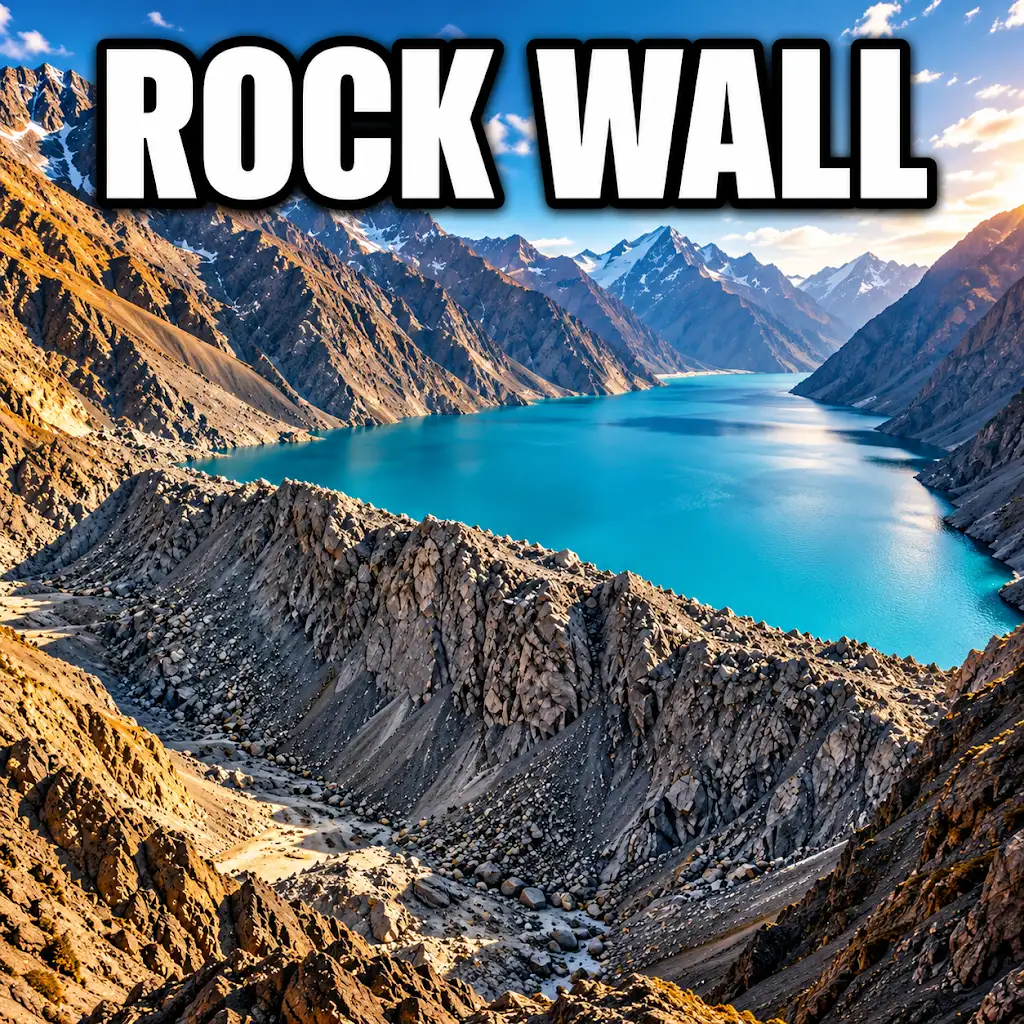
Could a Wave Push Lake Sarez Over This Natural Dam?
FAQs
What is overtopping failure?
Overtopping failure occurs when water flows over the top of a structure, such as a dam or levee, due to high water levels or wave action. This can lead to erosion of the structure and potential failure.
What is seepage failure?
Seepage failure happens when water infiltrates through the structure, such as a dam or levee, causing internal erosion and weakening of the material. This can eventually lead to failure of the structure.
How do overtopping and seepage failures differ?
Overtopping failure is characterized by water flowing over the top of a structure, while seepage failure involves water infiltrating through the structure. Overtopping failure is more visible and often occurs during high water events, while seepage failure can be harder to detect but equally dangerous.
What are some common causes of overtopping failure?
Common causes of overtopping failure include heavy rainfall, storm surges, high water levels, and wave action. These factors can lead to water exceeding the capacity of the structure and flowing over the top, causing erosion and potential failure.
How can seepage failure be prevented?
Seepage failure can be prevented by implementing proper drainage systems, using impermeable materials, conducting regular inspections, and maintaining the structure to ensure there are no weak points where water can infiltrate. Monitoring water levels and pressures is also crucial in preventing seepage failure.