The Cradle of Life and the Breath of Death: Contrasting the Dynamics of Lake Kivu and Lake Nyos
Africa, a continent sculpted by geological forces, is home to a breathtaking array of lakes, each with its unique character and story. Among these, Lake Kivu and Lake Nyos stand out, not merely for their geographical presence but for the profound and contrasting natural phenomena they harbor. While both are situated within the East African Rift Valley, their histories, chemistries, and potential hazards are dramatically different, offering a compelling study in the diverse manifestations of aquatic ecosystems. This article delves into the comparative study of these two iconic African lakes, exploring their formation, hydrological characteristics, unique geological influences, and the remarkable contrasts in their ecological and societal impacts.
Lake Kivu, located on the border between Rwanda and the Democratic Republic of the Congo, is often compared to Lake Nyos in Cameroon due to their unique geological characteristics and the potential dangers they pose. Both lakes are known for their high levels of dissolved gases, particularly carbon dioxide and methane, which can lead to catastrophic gas eruptions. An insightful article that delves deeper into the similarities and differences between these two lakes can be found at this link. Understanding these lakes is crucial for assessing the risks they present to nearby populations and for exploring their potential as sources of energy.
The Genesis of Giant and the Birth of a Calamity
The origins of these two African lakes are rooted in the same powerful geological forces that shaped the East African landscape, yet their birth stories are marked by vastly different scales and immediate consequences. Understanding their formation provides a crucial backdrop for appreciating their subsequent development and unique characteristics.
The Rift Valley’s Grand Design: Lake Kivu’s Volcanic Embrace
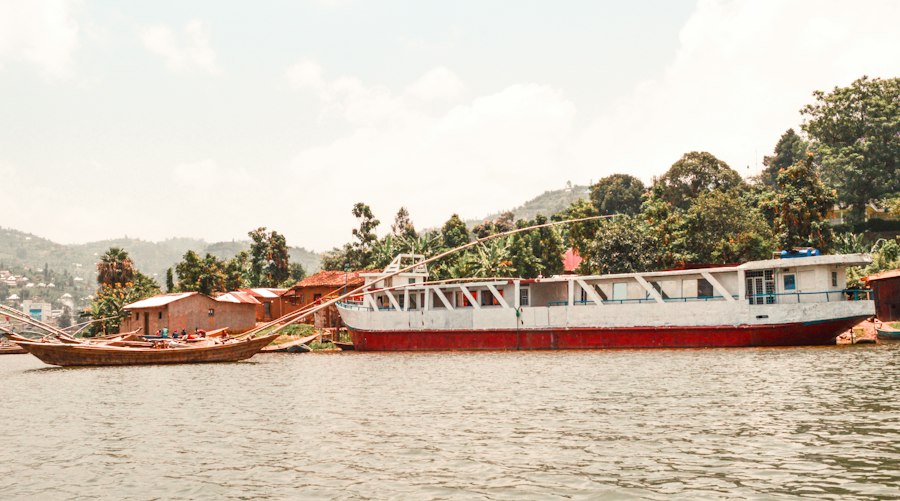
Lake Kivu, one of the African Great Lakes, is a testament to the slow, persistent power of tectonic activity. Its formation is intrinsically linked to the Virunga Mountains, a volcanic chain that straddles the borders of Rwanda, Uganda, and the Democratic Republic of Congo. The lake itself occupies a segment of the Western Rift Valley, a colossal geological fracture in the Earth’s crust. For millennia, volcanic activity in the region has been a constant presence, shaping the topography and influencing the hydrological cycles of the area.
The initial depression that would become Lake Kivu was likely formed by faulting and subsidence. However, it was the volcanic activity, particularly lava flows and volcanic debris damming ancient river systems, that truly sculpted the lake basin as we see it today. The Virunga volcanoes, some of which are still active, have played a direct role in defining the lake’s shores and its underlying geological structure. Over vast stretches of time, rainfall and riverine input gradually filled this basin, creating the expansive freshwater body. The lake’s considerable depth, reaching over 485 meters in places, is a direct consequence of the rift valley’s geological depth and the infill of sediment and volcanic ash. Unlike many other lakes formed by volcanic activity, Lake Kivu’s formation was a gradual process, a slow accumulation over geological epochs rather than a sudden event. This extended period of formation allowed for the development of a relatively stable and mature ecosystem.
A Sudden, Deadly Awakening: Lake Nyos’ Cataclysmic Debut
Lake Nyos, in contrast, presents a far more dramatic and, in its history, terrifying origin story. Located in Cameroon, also within the geologically active Cameroonian line, Lake Nyos is a crater lake, formed within the caldera of a long-dormant volcano. Its formation is a stark reminder of the volatile nature of volcanic processes.
The lake’s basin was formed by

Lake Kivu’s Methane Powers Rwanda—What’s Changing Below?

FAQs
What are the main differences between Lake Kivu and Lake Nyos?
Lake Kivu is a freshwater lake located in Africa, while Lake Nyos is a volcanic crater lake also located in Africa. Lake Kivu is much larger in size compared to Lake Nyos.
Are there any similarities between Lake Kivu and Lake Nyos?
Both Lake Kivu and Lake Nyos are located in the African continent. Additionally, both lakes are known for their unique geological features and potential risks associated with volcanic activity.
What are the potential dangers associated with Lake Nyos?
Lake Nyos is known for its limnic eruptions, which occur when carbon dioxide stored in the lake’s depths is suddenly released, leading to a deadly gas cloud that can suffocate nearby communities and wildlife.
What is the economic significance of Lake Kivu?
Lake Kivu is an important source of freshwater, fish, and other resources for the surrounding communities. The lake also has significant geothermal potential, which can be harnessed for energy production.
How do the local communities around Lake Kivu and Lake Nyos mitigate the risks associated with these lakes?
Local communities around Lake Kivu and Lake Nyos have implemented early warning systems, evacuation plans, and other safety measures to mitigate the risks associated with volcanic activity and limnic eruptions. Additionally, ongoing research and monitoring help to better understand and prepare for potential hazards.