Seattle’s skyline is a testament to a city that has consistently reimagined itself, a dynamic metropolis where the very fabric of its urban landscape has been shaped by necessity, innovation, and an enduring connection to its natural surroundings. From its humble beginnings as a logging outpost to its current status as a global hub for technology and innovation, Seattle has undergone a remarkable transformation, a journey that has seen its streets rise, its buildings reach for the clouds, and its identity solidify as a city of perpetual evolution. This metamorphosis is not merely architectural; it reflects a profound shift in its economy, its culture, and its very relationship with the land it occupies.
The Subterranean Secrets of Pioneer Square
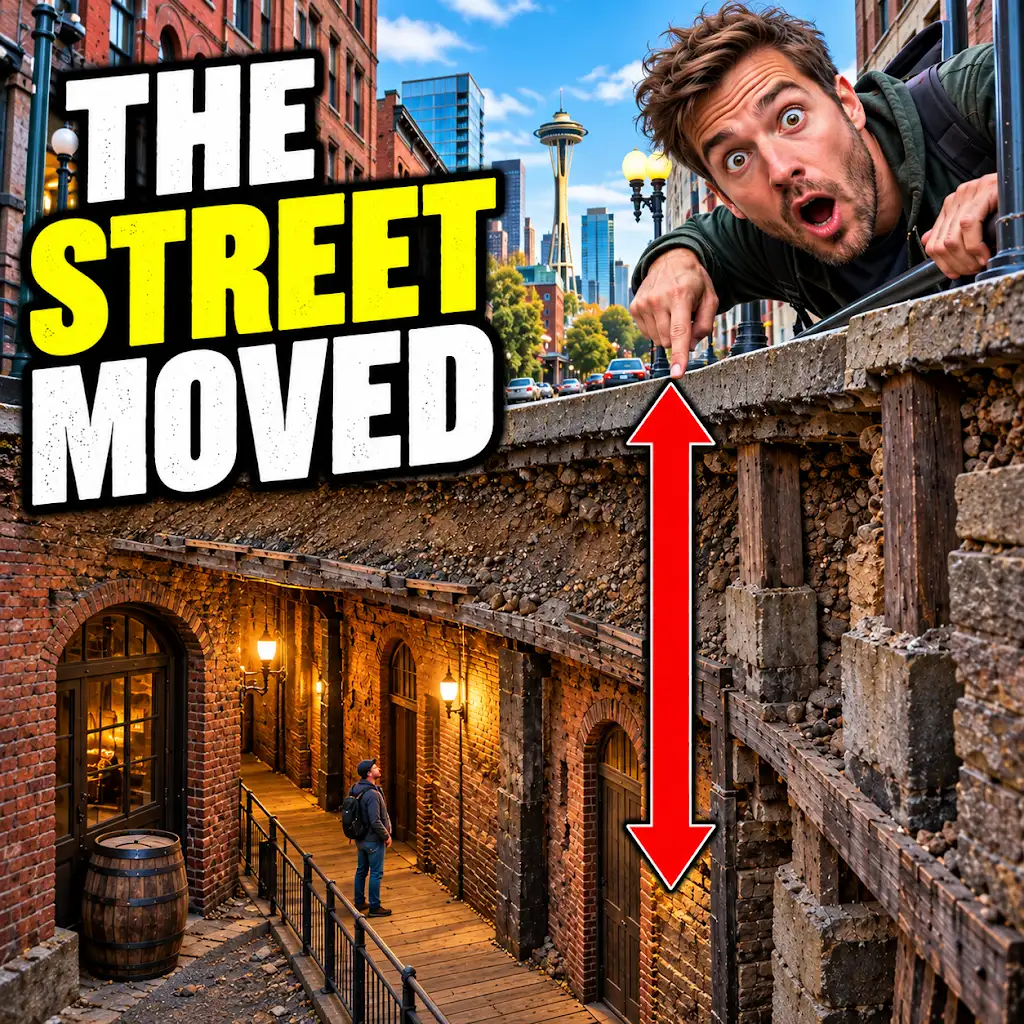
One of the most striking chapters in Seattle’s urban transformation is hidden beneath its most historic neighborhood, Pioneer Square. This area, the city’s original heart, tells a story of resilience and reinvention born from disaster. The Great Seattle Fire of 1889, a devastating inferno that razed much of the city’s business district, presented an opportunity for a radical reimagining of urban infrastructure. Instead of rebuilding on the ashes, Seattle’s leaders opted for a bold, forward-thinking solution that would forever alter the city’s subterranean landscape.
Rebuilding Above the Rubble
The fire consumed nearly everything, leaving behind a charred wasteland. However, the entrepreneurial spirit of Seattle’s citizens was undeterred. The immediate challenge was to rebuild quickly and efficiently. The original buildings, constructed on marshy ground, were prone to flooding and sanitation issues. The decision was made to not simply rebuild, but to elevate the entire neighborhood. This ambitious undertaking involved a multi-year process of raising the street levels by an average of 10 to 20 feet.
The Birth of Seattle’s Underground
This ambitious project was not a simple matter of dumping dirt. New buildings were constructed on top of the old foundations, creating a new street level. The original ground floors of the pre-fire buildings were thus relegated to the underworld, becoming basements and subterranean passages. This “underground city” was initially a consequence of necessity, a practical solution to a pressing problem. However, it soon took on a life of its own. The former storefronts and offices became storage spaces, service tunnels, and even, in some instances, less savory establishments.
Echoes of the Past in the Present
Today, these subterranean remnants offer a unique glimpse into Seattle’s past. Guided tours take visitors through the eerily preserved spaces, revealing the intricate network of brick-lined tunnels, old storefronts, and even remnants of the original streetcar system. The experience is both fascinating and a little unsettling, a tangible reminder of the city’s dramatic rebirth. The underground city serves as a living museum, a testament to the ingenuity and fortitude of Seattle’s early inhabitants. It’s a stark contrast to the gleaming skyscrapers that now dominate the skyline above, yet it is an integral part of the city’s identity, a foundation upon which its modern form was built. The story of Pioneer Square’s underground is a powerful narrative of overcoming adversity and transforming challenges into opportunities for innovation, a theme that resonates throughout Seattle’s subsequent urban development.
In exploring the innovative urban design of Seattle, one fascinating aspect is how the city’s sidewalks have evolved into functional roofs, showcasing a unique blend of architecture and sustainability. This transformation not only enhances the aesthetic appeal of the city but also addresses environmental concerns by maximizing green space. For a deeper understanding of this phenomenon and its implications for urban planning, you can read more in the related article found here: Seattle Sidewalks as Roofs: A New Urban Landscape.
The Vertical Ascent: Embracing the Sky

As Seattle moved beyond its early years, its urban development took a distinctly upward trajectory. The challenges of its geography, with its hills and water bodies, combined with a rapidly growing population and a burgeoning economy, spurred an ambition to build taller and reach for the sky. This embrace of verticality has become a defining characteristic of the modern Seattle skyline.
From Low-Rise to High-Rise Dominance
In the early to mid-20th century, Seattle’s downtown was characterized by a more modest skyline of low-rise and mid-rise buildings. However, as the city’s economic base diversified beyond its logging and maritime roots, particularly with the rise of aerospace and eventually technology, the demand for office space surged. This led to a gradual increase in building heights, with the mid-century seeing the emergence of its first true skyscrapers. The construction of iconic buildings like the Smith Tower, completed in 1914, signaled an early aspiration for vertical ambition, though it was a precursor to the more extensive skyscraper development that would follow.
In recent years, the innovative transformation of Seattle’s sidewalks into green roofs has sparked significant interest among urban planners and environmentalists alike. This unique approach not only enhances the aesthetic appeal of the city but also contributes to sustainable urban development. For those looking to explore this topic further, an insightful article can be found at this link, which delves into the benefits and challenges of such urban innovations. By reimagining public spaces, Seattle is setting a precedent for cities worldwide to follow in their quest for greener living environments.
The Tech Boom and the Towering Effect
The true acceleration of Seattle’s vertical growth, however, is inextricably linked to the dot-com boom and the subsequent dominance of tech giants like Microsoft and Amazon. These companies brought an influx of talent and capital, creating an insatiable demand for office space. Developers responded by pushing the boundaries of what was possible, constructing increasingly taller and more architecturally ambitious buildings. The city’s downtown core transformed from a relatively compact business district into a dense urban environment punctuated by a forest of glass and steel towers. This era saw the construction of many of the buildings
Seattle Raised Its Streets. The Old Storefronts Stayed Put

FAQs
1. How did Seattle sidewalks become roofs?
Seattle sidewalks became roofs due to the city’s unique underground network of tunnels and passageways that were built in the early 20th century. Over time, some of these underground spaces were converted into storefronts and basements, with the sidewalks above them serving as makeshift roofs.
2. Are these sidewalk roofs safe for pedestrians?
While some of the sidewalk roofs in Seattle have been reinforced and are safe for pedestrians to walk on, others may pose a safety risk due to age and deterioration. It is important for pedestrians to exercise caution when walking on these sidewalk roofs and to be aware of any potential hazards.
3. What are the benefits of having sidewalk roofs in Seattle?
Sidewalk roofs in Seattle provide additional space for businesses to expand their operations, create unique storefronts, and preserve the historic character of the city. They also offer a glimpse into Seattle’s underground history and add to the city’s charm and character.
4. Are there any regulations or guidelines for maintaining sidewalk roofs in Seattle?
The city of Seattle has regulations in place to ensure the safety and maintenance of sidewalk roofs. Property owners are responsible for maintaining the structural integrity of sidewalk roofs on their properties and may be required to make repairs or upgrades to ensure compliance with building codes and safety standards.
5. Can pedestrians access the underground tunnels and passageways beneath Seattle’s sidewalk roofs?
Some of the underground tunnels and passageways beneath Seattle’s sidewalk roofs are accessible to the public through guided tours or special events. However, many of these spaces are privately owned or restricted for safety reasons, so access may be limited.