Seattle’s past is a fascinating tapestry woven with ingenuity, adaptation, and a touch of the subterranean. Among its most intriguing historical remnants are the elevated sidewalks, a testament to a city that literally rose from the ashes and the mud. These elevated pathways, often unseen by the casual visitor today, whisper tales of a bygone era, a time when Seattle grappled with its unique geographical challenges and determinedly rebuilt itself. To understand these architectural oddities is to delve into the very foundation of Seattle’s development, from its boisterous pioneer days to its dramatic transformation in the late 19th and early 20th centuries.
The Great Seattle Fire and the Birth of a New City
The catalyst for the most significant period of Seattle’s sidewalk elevation was a catastrophic event: the Great Seattle Fire of June 6, 1889. This inferno, which raged for nearly a day, consumed over 30 blocks of the city’s downtown core, reducing wooden buildings to smoldering ruins. The fire was ignited by a spilled glue pot in a woodworking shop and quickly spread, fanned by strong winds, through the densely packed wooden structures. The water supply, meager and at low pressure, proved insufficient to combat the blaze effectively. The destruction was immense, leaving thousands homeless and the heart of the city in rubble.
The Immediate Aftermath and the Decision to Rebuild
The immediate aftermath of the fire was a scene of devastation and uncertainty. Yet, amidst the ashes, a remarkable spirit of resilience and determination quickly emerged. Seattle was a burgeoning port city, a gateway to the vast resources of the Northwest, and its citizens were not about to let a fire extinguish their ambitions. Governor John McGraw famously declared, “The city is gone, but the people remain,” a sentiment that galvanized the community. The decision to rebuild was swift and unanimous. However, the rebuilding effort was not merely a reconstruction but a profound reimagining of the city.
The Problem of the Tides and Mud
Seattle’s location on Puget Sound presented a unique set of challenges, even before the fire. The city was built on low-lying land that was frequently inundated by high tides and prone to becoming a muddy mire during heavy rains. The original structures, many built on pilings driven into the silty earth, were constantly battling the elements. Furthermore, the city’s sanitation system was rudimentary, and the tidal flats often became unsightly and unsanitary dumping grounds. This natural propensity for dampness and muck was a constant source of frustration for residents and a hindrance to commerce.
Embracing a Higher Standard: The Rise of the Elevated City
The Great Fire offered an unprecedented opportunity to address these long-standing issues. As the city planned its reconstruction, a bold and innovative solution emerged: raising the street level. This ambitious undertaking was not merely about aesthetics; it was a practical response to the persistent problems of flooding and sanitation. The plan was to build new, fire-resistant brick and stone buildings on top of the old foundations, essentially creating a new street level several feet higher than the original. This would allow for improved drainage, a more robust sewer system, and a generally cleaner and more stable urban environment. The elevated sidewalks were an integral part of this grand vision.
The history of elevated sidewalks in Seattle is a fascinating topic that highlights the city’s unique approach to urban planning and adaptation to its hilly terrain. For those interested in exploring this subject further, a related article can be found at My Geo Quest, which delves into the development and significance of these elevated walkways in the context of Seattle’s architectural evolution and urban landscape.
The Engineering Marvels of Elevated Construction
The process of elevating the street level and constructing elevated sidewalks was a complex engineering feat for its time. It involved a systematic and coordinated effort to raise the entire streetscape, transforming the city’s topography. This was not a piecemeal endeavor but a large-scale urban renewal project that required significant planning and labor.
Raising the Street: A Step-by-Step Transformation
The process typically involved excavating the debris from the fire and then filling in the space between the old street level and the new desired grade. This fill material often consisted of dirt, sand, gravel, and other suitable materials. The new buildings were then constructed with their ground floors at this elevated level. This meant that the original storefronts and ground-level entrances were now below the new street. To maintain access to these businesses, a network of elevated sidewalks was constructed, connecting the new street level to the former ground floors.
The Function and Form of the Elevated Sidewalks
These elevated sidewalks served a crucial purpose: they provided pedestrian access to the lower levels of the buildings. They were typically constructed of brick, stone, or concrete, and often featured elaborate architectural details. Many of these sidewalks were covered, providing shelter from Seattle’s frequent rain and creating a more comfortable pedestrian experience. The covered walkways also added a distinctive aesthetic to the streetscape, giving it a more cohesive and grand appearance. They were essentially covered arcades, connecting businesses and allowing people to move between them without descending to the original street level.
Beneath the Surface: The Subterranean Legacy
The most fascinating and enduring legacy of this period of elevation is what lies beneath the current Seattle streetscape. The original ground floors of many buildings, along with their former sidewalks, are still there, entombed beneath layers of earth and new construction. These subterranean spaces, often referred to as “underground Seattle,” have become a popular tourist attraction. Guided tours take visitors through these preserved remnants, offering a tangible glimpse into the city’s past. One can walk through old doorways that once opened onto bustling streets, see the ghostly outlines of former shop windows, and imagine the daily lives of Seattleites from over a century ago.
Architectural Adaptations and Urban Planning

The elevation of Seattle’s streets necessitated significant architectural adaptations and a fundamental rethinking of urban planning principles. The city’s skyline, and its very fabric, was reshaped by this ambitious project.
New Entrances, Old Doors: A Shift in Access
With the street level raised, businesses had to find new ways to serve their customers. The original ground-floor entrances were now several feet below the new street. This led to the creation of new, elevated entrances and the construction of the aforementioned elevated sidewalks. However, many businesses also found it advantageous to maintain access to their lower levels, which often housed storage or additional retail space. This resulted in a unique duality: a building with both an elevated entrance and a lower-level entrance, connected by internal stairs or passages. The architectural style of these new buildings was predominantly Victorian and Edwardian, reflecting the era of their construction, with ornate detailing and sturdy materials like brick and stone replacing the fire-prone wood of the previous era.
The Impact on City Infrastructure
The elevation project had a profound impact on Seattle’s infrastructure. The improved drainage and sanitation systems that were implemented alongside the street elevation significantly improved public health and reduced the incidence of disease. The new sewer lines, for example, were laid at a lower grade, allowing for better flow and less reliance on tidal flushing. The streetcar system, which was a vital mode of transportation at the time, also had to be adapted to the new street levels. Tracks were laid at the new grade, and new stations and platforms were constructed. This comprehensive transformation of the urban landscape was a testament to Seattle’s forward-thinking approach to urban development.
Preserving the Past: The Underground City Tours
The preservation of the underground city has become a significant part of Seattle’s tourism industry. These tours offer a unique and immersive experience, allowing visitors to step back in time and explore the hidden layers of the city. Guides, often costumed in period attire, share stories of the Great Fire, the rebuilding process, and the everyday lives of the people who inhabited Seattle during that era. The tours highlight the architectural remnants, such as the original storefronts, the remnants of old signage, and the ghostly outlines of former businesses. They provide a tangible connection to Seattle’s past, offering a stark contrast to the modern city that exists above.
The Evolution of Pedestrian Pathways and Public Spaces
The elevated sidewalks not only facilitated commerce but also reshaped the pedestrian experience and the nature of public spaces in downtown Seattle. They created a distinct urban environment that was both practical and, at times, aesthetically pleasing.
A Sheltered Passage: The Comfort of Covered Walks
The covered nature of many elevated sidewalks provided a welcome respite from Seattle’s notoriously damp weather. This was a significant improvement for pedestrians, who could now navigate the city without being constantly exposed to rain and wind. These sheltered walkways created a more comfortable and inviting environment, encouraging more people to walk and shop downtown. The architecture of these covered areas often featured ornate metalwork and decorative glass, adding a touch of elegance to the urban streetscape. They created a sense of enclosure and intimacy, transforming the bustling streets into more manageable and pleasant thoroughfares.
The Shifting Dynamics of Street-Level Interaction
The elevation of the street level fundamentally altered the dynamics of street-level interaction. The original ground floors, once the primary interface between businesses and the public, were now recessed and accessible via the elevated sidewalks. This created a visual separation between the new street and the old ground level. While the elevated sidewalks provided access, they also meant that direct interaction with businesses from the street was diminished. This led to a more stratified urban experience, with the new street level serving as the primary public thoroughfare and the lower levels becoming more specialized spaces, often for storage or back-office operations.
The Modern Legacy: Echoes of the Elevated Past
While many of the original elevated sidewalks have been obscured by later development or removed, their legacy continues to influence Seattle’s urban landscape. The concept of a multi-level city, with different zones for pedestrian and vehicular traffic, can be seen as a precursor to modern urban planning strategies. The preserved underground sections serve as a constant reminder of the city’s transformative history. Furthermore, some newer developments in Seattle have incorporated elements of elevated walkways or multi-level pedestrian connections, perhaps unconsciously echoing the innovative spirit of the city’s past. The idea of creating sheltered and convenient pedestrian routes continues to be a relevant consideration in urban design.
The history of elevated sidewalks in Seattle is a fascinating aspect of the city’s development, reflecting both its unique geography and innovative urban planning. For those interested in exploring this topic further, a related article provides an in-depth look at the evolution of these structures and their impact on the community. You can read more about it in this insightful piece on Seattle’s elevated sidewalks. This resource delves into the challenges faced during construction and the significance of these walkways in shaping the city’s landscape.
Preserving and Experiencing Seattle’s Subterranean Heritage
| Year | Event | Description | Location | Significance |
|---|---|---|---|---|
| 1889 | Great Seattle Fire | Fire destroyed much of downtown Seattle, leading to rebuilding efforts including elevated sidewalks. | Downtown Seattle | Prompted reconstruction and elevation of sidewalks to improve street level and drainage. |
| 1890s | Construction of Elevated Sidewalks | Sidewalks were raised 12 to 15 feet above street level to address flooding and mud issues. | Pioneer Square and Downtown | Created a two-level street system with underground storefronts and elevated pedestrian walkways. |
| Early 1900s | Use of Underground Spaces | Lower street levels became basements and underground passages, known today as the Seattle Underground. | Pioneer Square | Historical tourist attraction highlighting the elevated sidewalk system. |
| Present | Preservation and Tourism | Sections of elevated sidewalks and underground areas preserved for historical tours and education. | Pioneer Square | Important cultural heritage site illustrating Seattle’s urban development history. |
Today, Seattle actively engages with its subterranean heritage, offering visitors and residents opportunities to connect with this unique aspect of its history. The preservation and interpretation of these underground spaces are crucial for understanding the city’s development.
Guided Tours: Unveiling the Hidden City
The most popular way to experience Seattle’s elevated past is through guided underground city tours. Organizations like Bill Speidel’s Underground Tour pioneered these excursions, transforming forgotten basements and alleyways into captivating historical narratives. These tours are not merely historical lectures; they are immersive journeys that bring the past to life. Guides often share anecdotes and historical facts, painting a vivid picture of life in late 19th-century Seattle. Visitors are encouraged to imagine the bustling businesses, the daily routines, and the challenges faced by the city’s early inhabitants. The tours provide a physical and tangible connection to this bygone era, making history come alive in a way that a textbook never could.
Architectural Remnants and Hidden Entrances
Beyond the official tours, architectural remnants of the elevated city can still be spotted throughout downtown Seattle. Look closely at older buildings, and you might notice a doorway that leads downwards, or a series of steps that descend from the current sidewalk level. These are the doorways to Seattle’s past. Some of these spaces have been repurposed for modern use, such as storage or utility areas, while others remain largely untouched, preserved as time capsules. The very architecture of downtown Seattle, with its solid brick and stone buildings, is a lasting testament to the rebuilding efforts that followed the Great Fire.
The Enduring Significance of a City That Rose Above
Seattle’s elevated sidewalks and the resulting underground city are more than just historical curiosities; they represent a significant chapter in American urban history. They demonstrate how a community, faced with adversity, can adapt, innovate, and rebuild itself in remarkable ways. The story of Seattle’s elevation is a testament to human ingenuity and the persistent drive to overcome natural obstacles. It is a reminder that beneath the surface of any modern city lies a rich and complex history, waiting to be discovered. The elevated sidewalks of Seattle, though often unseen, are a powerful symbol of a city that literally rose above its challenges, shaping its identity and its future.
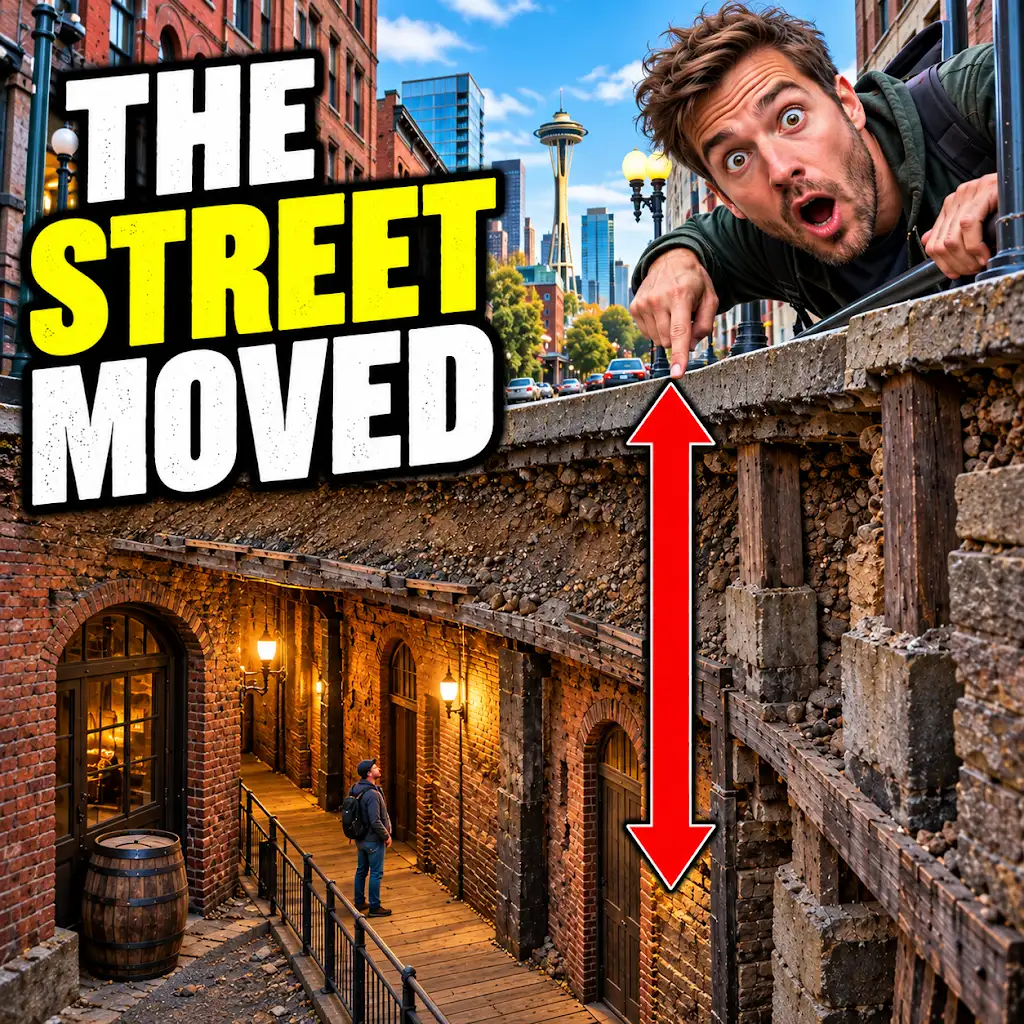
Seattle Raised Its Streets. The Old Storefronts Stayed Put
FAQs
What are elevated sidewalks in Seattle?
Elevated sidewalks in Seattle are pedestrian walkways that are elevated above street level, providing a safe and convenient way for pedestrians to navigate the city.
When were the first elevated sidewalks built in Seattle?
The first elevated sidewalks in Seattle were built in the late 19th century, as the city began to develop and expand its infrastructure to accommodate the growing population.
Why were elevated sidewalks constructed in Seattle?
Elevated sidewalks were constructed in Seattle to address the hilly terrain of the city and provide pedestrians with a level and safe pathway to navigate the streets, especially in areas with steep inclines.
Are there still elevated sidewalks in Seattle today?
While many of the original elevated sidewalks in Seattle have been removed or replaced over the years, some sections still remain in certain historic districts of the city, serving as a reminder of Seattle’s early urban development.
How have elevated sidewalks impacted Seattle’s urban landscape?
Elevated sidewalks have played a significant role in shaping Seattle’s urban landscape, providing pedestrians with unique vantage points of the city and contributing to the overall character and charm of certain neighborhoods.