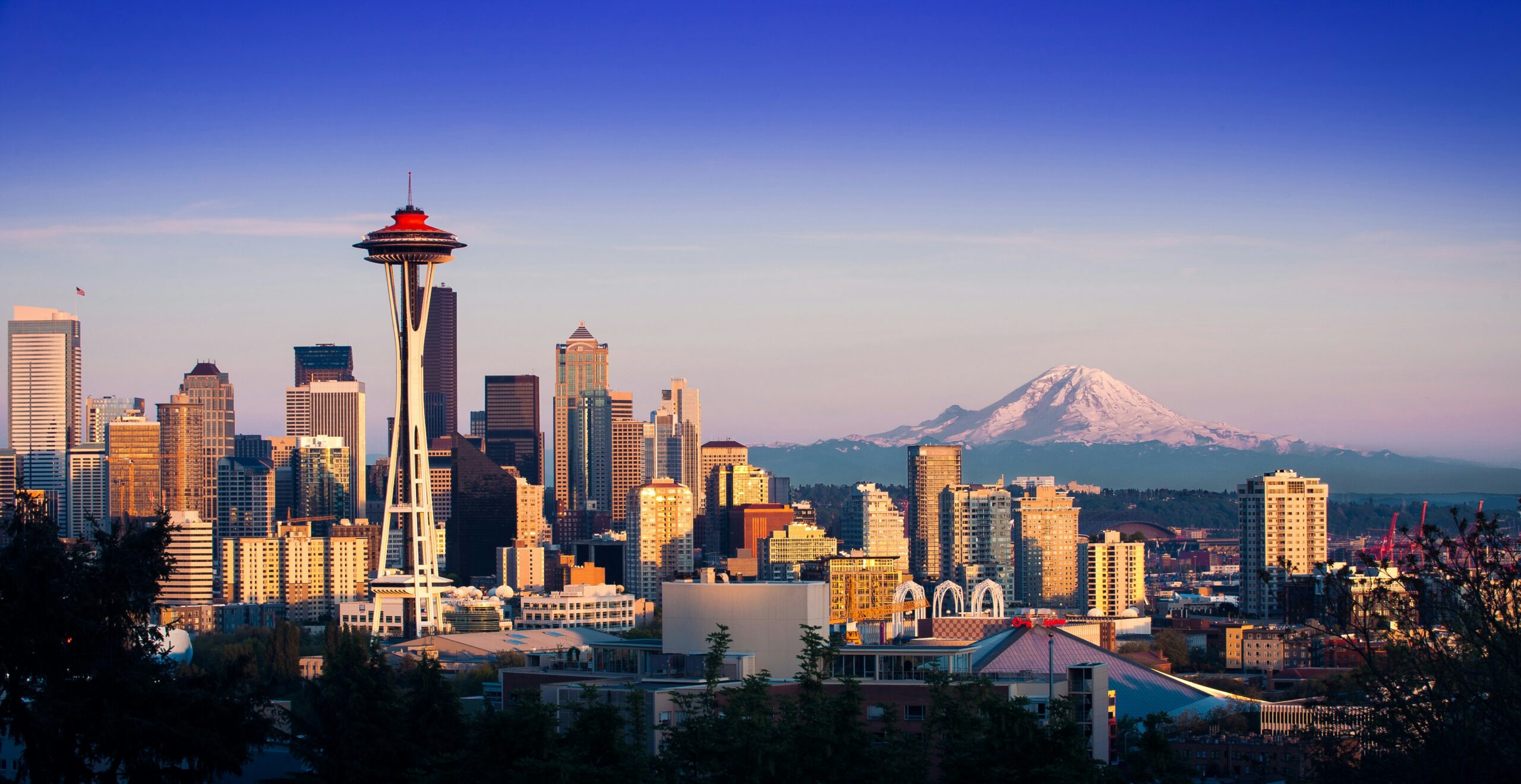
Seattle’s unique urban landscape, characterized by its distinct upper and lower street levels, is a testament to a dramatic and transformative chapter in the city’s history. This duality, often a source of curiosity for visitors and a daily reality for residents, wasn’t an intended urban design feature but rather a consequence of a monumental engineering feat born from necessity and ambition. To understand Seattle’s two-level city is to delve into the story of its founding, its challenges, and its remarkable resilience, a narrative that begins with the very ground upon which it was built. The initial settlement of Seattle, nestled between Puget Sound and the lush Cascade foothills, presented a formidable set of environmental conditions. The terrain was uneven, characterized by steep hills and low-lying areas prone to tidal flooding. Early pioneers, driven by the promise of timber and trade, carved out a settlement in this challenging landscape. The very first streets were laid at the natural grade of the land, a patchwork of unpaved thoroughfares that wound through forests and over muddy flats. This initial, organic development, while functional for its time, would soon prove inadequate for a growing port city. The natural topography, while picturesque, presented significant logistical hurdles. Moving goods and people across the city was often a muddy, arduous endeavor, especially during the frequent rains. Moreover, the low-lying areas adjacent to Elliott Bay were a constant source of concern due to the unpredictable tides and the pervasive threat of disease. The early Seattle was a city grappling with its environment, a city that would, out of necessity, begin to reshape itself in ways few could have predicted. The story of Seattle’s two levels is not merely about raising streets; it is a story of overcoming adversity, of innovation, and of the enduring spirit of a city determined to rise above its challenges.
The Great Fire and the Catalyst for Change
The Great Seattle Fire of 1889 stands as the singular most significant event that directly led to the creation of Seattle’s distinctive two-level city. While the fire was a devastating tragedy, destroying much of the downtown core and leaving thousands homeless, it also provided an unprecedented opportunity for a radical urban renewal. Prior to the fire, Seattle’s downtown waterfront, the heart of its commercial activity, was a chaotic and often unsanitary mix of wooden buildings, boardwalks, and poorly drained land. The area was vulnerable to tidal influences, with businesses often operating precariously close to the water’s edge. The fire, sweeping through the city with terrifying speed, razed over 25 city blocks, including nearly all of the business district. The loss was immense, but the rebuilding effort that followed was equally remarkable. As the ashes cooled, city leaders and business owners saw not just destruction, but a chance to reimagine and reconstruct their city on a stronger, safer, and more modern foundation. The prevailing sentiment was one of rebuilding, but with improved infrastructure and a degree of foresight that had been lacking in the initial haphazard development. The rebuilding was not simply a matter of replacing what was lost; it was an opportunity to fundamentally alter the city’s relationship with its environment and to address long-standing issues of drainage, sanitation, and accessibility. The fire, in its destructive fury, inadvertently cleared the path for a monumental undertaking that would permanently scar and elevate the city’s urban fabric.
A Blighted Waterfront and the Specter of Disease
Before the inferno, Seattle’s waterfront was a precarious frontier. Wooden structures were built on pilings driven into the mudflats, creating a labyrinthine network of docks, warehouses, and businesses. This low-lying area was a constant battle against the encroaching tides, and during low tide, the exposed mud and debris released a noxious odor, contributing to public health concerns. The rudimentary sewer systems often emptied directly into Elliott Bay, further exacerbating the sanitation problems. The damp, dark conditions and the proximity to decaying organic matter created a breeding ground for disease. Cholera and typhoid were persistent threats, and the health of the city’s inhabitants, particularly those living and working near the waterfront, was often compromised. The visual and olfactory unsightliness of the area was also a deterrent to investment and progress. Merchants and residents alike yearned for a more stable and sanitary environment in which to conduct their business and live their lives. The constant threat of flooding from storms and high tides meant that businesses were frequently disrupted, and valuable goods were lost. This precarious existence at the water’s edge was a fundamental limitation on Seattle’s growth and prosperity. The Great Fire, while devastating, acted as a forceful, albeit tragic, catalyst for addressing these deep-seated issues. It forced the city to confront the inherent vulnerabilities of its original layout and to consider a bold, innovative solution for its future. The opportunity to rebuild on a grander, more secure scale was too significant to ignore.
The Decision to Elevate: A Bold Vision Emerges
In the aftermath of the Great Fire, as the smoke cleared and the enormity of the destruction became apparent, Seattle’s leaders were faced with a critical decision: rebuild on the existing ground level or embark on a radical transformation. The memory of the fire, coupled with the persistent problems of tidal flooding and poor sanitation, led to a growing consensus that a more substantial solution was needed. The idea of elevating the street level, while seemingly audacious, gained traction as a practical and forward-thinking approach. This was not simply about rebuilding structures; it was about fundamentally redesigning the urban core. The vision was to create a more resilient and sanitary city by raising the ground level, effectively creating a new, higher streetscape above the old one. This ambitious plan would involve filling in the low-lying areas and constructing new, fire-resistant buildings on this elevated platform. The process of filling was to be a multi-year, city-wide undertaking. Dirt, debris, and sand were systematically brought in to raise the ground level. This was a monumental logistical challenge, involving thousands of loads of fill material, a process that would gradually obscure the original streetscape. The city government, in collaboration with private property owners, spearheaded this ambitious project, understanding that the long-term benefits for commerce, public health, and urban planning far outweighed the immediate costs and disruption. The decision to elevate the streets was a defining moment for Seattle, a bold declaration of its intent to overcome its environmental limitations and to forge a more prosperous future.
Seattle’s unique two-level city history is a fascinating topic that delves into the city’s past and the architectural decisions that shaped its development. For a deeper understanding of this intriguing aspect of Seattle’s urban landscape, you can explore the article available at this link. The article provides insights into how the city evolved over time, including the reasons behind the construction of the underground passages and the impact of the Great Seattle Fire of 1889.
The Engineering Marvel: Raising the City

The process of elevating Seattle’s downtown streets was a feat of engineering and sheer willpower, a multi-year undertaking that transformed the city’s topography and laid the foundation for its modern urban form. This ambitious project, driven by the lessons learned from the Great Fire and the desire for improved infrastructure, involved systematically raising the ground level of entire city blocks. The scale of this operation was unprecedented, and its execution would leave an indelible mark on the city’s physical and historical landscape, creating a layered urban environment that continues to fascinate and puzzle visitors to this day. The project wasn’t a single, grand construction effort but a series of incremental changes over decades, driven by individual property owners and city initiatives. This gradual process, while effective, also contributed to the layered complexity of Seattle’s downtown, with remnants of the original street level still visible in unexpected places. The effort was a testament to the ingenuity and determination of Seattle’s citizens and their leaders, who were willing to undertake such a massive undertaking to secure their city’s future. The engineering challenges were immense, but the rewards in terms of improved infrastructure, public health, and economic growth were deemed well worth the effort. The story of the elevation is a testament to human ingenuity and the ability to adapt and overcome significant environmental and logistical hurdles in pursuit of a better future.
The Mechanics of Elevation: Dirt, Sand, and Determination
The physical process of raising Seattle’s streets was a complex and labor-intensive operation. The primary method involved filling in the lower levels with a combination of dirt, sand, and debris from various sources. This material was often transported by horse-drawn wagons, carts, and eventually, more mechanized means as technology advanced. The goal was to create a new, elevated ground level, typically several feet above the original streetscape. As the fill material was added, new sidewalks, curbs, and storm drains were constructed at the higher level. Existing buildings were then either raised to meet the new grade or their entrances and lower floors were effectively buried. This meant that many businesses and residences on the original ground floor found themselves with their original street-level windows now several feet below the new sidewalks. New storefronts were constructed at the elevated level, creating a distinct architectural shift. The process was not always uniform; different areas were raised at different times and by varying amounts, contributing to the unevenness and unique character of the two-level city. The scale of the operation was immense, with thousands upon thousands of cubic yards of fill material being moved. This was a monumental undertaking, requiring careful planning, coordination, and a sustained effort over many years. The sheer volume of material moved and the transformation of the urban landscape stand as a remarkable testament to the engineering capabilities and the collective will of the city’s inhabitants.
The Buried City: Echoes of the Past Below
As the streets of Seattle were elevated, a significant portion of the original city was literally buried. The former ground level, with its original streets, sidewalks, and building foundations, became a subterranean realm. This “buried city” is not a mythical place but a tangible reality, with remnants still accessible today. Many of the original ground-floor entrances to buildings are now visible as windows or doorways several feet below the current street level. These subterranean spaces, once vibrant commercial areas, now house a variety of uses, from storage rooms and utility tunnels to unique subterranean businesses and tourist attractions. The Pioneer Square district, in particular, offers a glimpse into this hidden history. Tours and explorations of the underground passages reveal the architecture and layout of the pre-elevation city, offering a poignant reminder of Seattle’s past. The stories of the businesses that once operated at this lower level, the lives that were lived, and the daily routines that unfolded are now preserved beneath the modern city. This buried layer of Seattle’s history is a constant, tangible connection to its origins and the dramatic transformation it has undergone. It’s a reminder that beneath the bustling activity of the present, the foundations of a former era lie dormant, waiting to be discovered and understood. The “buried city” is a silent testament to Seattle’s resilience and its ability to adapt and evolve.
Navigating the Levels: Daily Life and Urban Functionality
The existence of two distinct street levels in Seattle’s downtown core has profoundly shaped the city’s urban experience, impacting everything from pedestrian flow and business operations to the very perception of the city’s spatial organization. This unique characteristic has created a layered environment, offering both practical challenges and intriguing opportunities. For residents and visitors alike, understanding and navigating these levels is an essential part of experiencing Seattle’s downtown. The dual-level system has influenced architectural styles, transportation patterns, and even the city’s social dynamics, creating a unique urban fabric that is both functional and historically resonant. The constant interplay between the upper and lower levels shapes the daily rhythms of the city, influencing how people move, shop, and interact with their environment. This layered reality has become an intrinsic part of Seattle’s identity, a defining feature that distinguishes it from many other urban centers. The city’s design encourages exploration and discovery, offering a glimpse into its rich and complex past while catering to the demands of a modern metropolis.
The Upper Level: The Bustling Present
The upper street level of downtown Seattle is the face of the modern city, a dynamic hub of commerce, entertainment, and civic life. This is where most contemporary businesses operate, with their storefronts and entrances directly accessible from the elevated sidewalks. This level is characterized by its modern architecture, bustling pedestrian traffic, and a vibrant streetscape filled with shops, restaurants, offices, and public spaces. It’s the level that most visitors first encounter, the primary point of engagement with the city’s contemporary pulse. Public transportation, including buses and light rail, primarily serves this upper level, facilitating the movement of people throughout the metropolitan area. The upper level is designed for efficiency and convenience, a testament to Seattle’s ongoing development and its focus on providing a modern urban experience. It is a place of constant activity, where the city’s economic and social life unfolds at a rapid pace. The integration of green spaces and public art further enhances the appeal and livability of this primary urban layer. This upper stratum represents Seattle’s forward-looking vision, a blend of historical adaptation and contemporary urban planning.
The Lower Level: A Historical Realm and Hidden Gems
The lower street level, while less visible to the casual observer, is a fascinating historical realm and a treasure trove of hidden gems. This subterranean layer offers a unique perspective on Seattle’s past, with its original architecture and the echoes of a bygone era. Many businesses, particularly those with a historical or niche appeal, have found a home on the lower level, drawn to its unique atmosphere and lower rents. These spaces often retain elements of their original construction, offering a tangible connection to the city’s early days. The lower level is also home to a variety of service entrances, utility access points, and the remnants of older infrastructure. For those who seek a deeper understanding of Seattle’s history, exploring the lower level is an essential part of the experience. It’s a place where history is not just remembered but also felt, where the past is woven into the fabric of the present. The lower level serves as a constant reminder of the city’s evolution and the layers of history that lie beneath its modern facade. It is a place of discovery, offering a unique and often surprising urban adventure for those willing to venture beneath the surface.
Connectivity and Adaptation: Bridges and Passages
The physical separation of the two levels necessitates a system of connectivity and adaptation to ensure seamless movement and functionality. Bridges, stairwells, and ramps are strategically placed throughout the downtown area to facilitate passage between the upper and lower streets. These connections are vital for pedestrian access, allowing people to move freely between the different urban strata. Many buildings also feature internal connections, with entrances on both levels, providing direct access for tenants and customers. The city’s public transportation system has also adapted, with bus stops and light rail stations primarily located on the upper level, but with provisions for access to the lower levels where relevant. The ongoing development and maintenance of these connecting elements are crucial for the continued viability and integration of the two-level city. These passages are not merely functional; they are architectural features that contribute to the unique character of downtown Seattle, creating a sense of intrigue and discovery as one navigates the different layers of the urban environment. The city’s ability to maintain and enhance these connections is a testament to its ongoing commitment to urban adaptability and its unique historical legacy.
Tourism and the Allure of the Underground
Seattle’s two-level city, particularly the historical remnants of its “buried” lower level, has become a significant draw for tourists, offering a unique and captivating glimpse into the city’s past. The allure of exploring the subterranean streets and buildings that were abandoned during the great elevation project has fueled a thriving industry of underground tours and historical exhibits. This fascination with what lies beneath the surface speaks to a universal human curiosity about hidden worlds and untold stories. The tangible evidence of a past era, preserved beneath the modern cityscape, offers a powerful and engaging historical narrative that resonates with visitors from around the globe. This historical layer provides a unique selling point for Seattle, distinguishing it from other major cities and drawing in those interested in history, urban exploration, and the mysteries of the past. The underground is not just a collection of old structures; it’s a portal to a different time, a testament to the transformative power of history and the enduring appeal of the unknown.
Underground Tours: Unveiling Seattle’s Subterranean History
The popularity of Seattle’s underground tours is a direct reflection of the public’s fascination with the city’s buried past. These guided excursions, most famously conducted in the Pioneer Square district, lead visitors through the preserved remnants of the original street level. Expert guides, often knowledgeable historians or storytellers, bring the history of the buried city to life, recounting tales of early settlers, businesses, and the events that led to the dramatic elevation. Visitors walk through old storefronts, once-bustling saloons, and the subterranean pathways that were once the city’s main thoroughfares. The experience offers a visceral connection to Seattle’s formative years, allowing people to visualize and understand the challenges and triumphs of its early development. The tours are not just educational; they are an adventure, a chance to step back in time and explore a hidden layer of the city. The combination of historical narrative, atmospheric exploration, and the sheer novelty of walking through a buried city makes these tours a must-do for many visitors to Seattle. They have become an integral part of the city’s tourism landscape, effectively capitalizing on its most unique historical feature.
Historical Significance and Urban Archaeology
The buried city of Seattle represents a significant site for urban archaeology and historical preservation. The preserved structures and streetscapes offer invaluable insights into the city’s architectural styles, building techniques, and the daily lives of its early inhabitants. The process of elevation, while a practical solution to pressing urban problems, inadvertently created a time capsule, preserving a snapshot of Seattle at the turn of the 20th century. The ongoing study and interpretation of these subterranean remnants contribute to our understanding of urban development, the impact of environmental factors on city planning, and the resilience of communities in the face of adversity. The historical significance extends beyond mere architecture; it encompasses the social and economic history of the period. The businesses that operated at the lower level, the materials they used, and the way they interacted with their environment all provide crucial data points for historians and urban planners. The buried city serves as a constant reminder of Seattle’s dynamic past and its remarkable ability to reinvent itself. It is a living museum, offering lessons and inspiration for future urban development.
A Unique Selling Proposition: Seattle’s Distinctive Identity
Seattle’s two-level city is more than just an interesting urban anomaly; it is a defining characteristic that contributes significantly to the city’s unique identity. This layered landscape, born from necessity and transformed by ambition, sets Seattle apart from other metropolitan areas. The blend of modern dynamism on the upper level and the historical resonance of the buried city creates a captivating duality that appeals to both residents and visitors. This distinctiveness has become a valuable asset for tourism and economic development, drawing attention and investment. The narrative of a city that literally rose above its challenges is a powerful story that resonates with a sense of progress and resilience. This historical evolution shapes the city’s culture, its architecture, and its collective memory. The constant interplay between past and present, the visible and the hidden, imbues Seattle with a depth and complexity that are both intriguing and enduring. It is a testament to the city’s ability to embrace its history while forging a path towards the future, a city that is literally built on layers of experience and innovation.
Seattle’s unique two-level city history is a fascinating aspect of its urban development, showcasing how the city adapted to its geographical challenges. For those interested in exploring this intriguing topic further, a related article can be found at My GeoQuest, which delves into the historical significance of Seattle’s underground passages and their impact on the city’s growth. This layered history not only reflects the ingenuity of its early settlers but also offers a glimpse into the vibrant culture that defines Seattle today.
Enduring Legacy and Future Considerations
| Year | Event | Description | Impact on Seattle’s Two-Level City Structure |
|---|---|---|---|
| 1889 | Great Seattle Fire | A massive fire destroyed much of downtown Seattle. | Led to the decision to rebuild the city with raised streets to prevent future flooding and fire damage. |
| 1890s | Regrading and Street Raising | City engineers raised the street level by 12 to 22 feet in some areas. | Creation of the “Seattle Underground,” resulting in two-level streets: the original ground level and the new elevated streets. |
| Early 1900s | Development of Underground Passageways | Businesses and sidewalks adapted to the new street levels, creating underground storefronts and passageways. | Established the unique two-level city structure still visible today in Pioneer Square. |
| 1960s | Seattle Underground Tours Begin | Tourism focused on the historic underground areas started. | Increased public awareness and preservation of the two-level city history. |
| Present | Preservation and Tourism | Ongoing efforts to maintain and promote the underground city as a historic site. | Two-level city remains a significant cultural and historical attraction in Seattle. |
The legacy of Seattle’s two-level city is one of adaptation, innovation, and the enduring power of urban transformation. The monumental effort to elevate the city’s streets, born out of a devastating fire and a persistent need for improvement, has left an indelible mark on its urban fabric. This unique characteristic continues to shape the city’s identity, its tourism, and its ongoing development. As Seattle continues to grow and evolve, the lessons learned from this ambitious undertaking remain relevant, influencing how the city approaches future challenges and opportunities. The layered nature of the city, a constant reminder of its past, offers a unique perspective on urban planning and the importance of understanding a city’s historical context. The story of Seattle’s two-level city is a testament to human ingenuity, resilience, and the profound impact that pivotal historical events can have on the physical and cultural landscape of a place. The continuous adaptation and interpretation of this historical legacy will undoubtedly continue to shape Seattle’s future.
Urban Planning Lessons from the Elevation Project
The elevation of Seattle’s downtown streets offers a rich case study for urban planners, providing invaluable lessons in resilience, infrastructure development, and long-term vision. The project demonstrated the importance of proactive planning and the willingness to undertake significant infrastructure improvements to address fundamental environmental and public health challenges. It highlighted the benefits of collaborative efforts between government and private entities in achieving large-scale urban transformation. Furthermore, the experience underscores the idea that cities can evolve and adapt to changing circumstances, often through innovative and sometimes unconventional solutions. The creation of the two-level city, while a product of specific historical circumstances, offers broader insights into how cities can mitigate risks associated with natural hazards, improve sanitation, and enhance their economic viability through strategic urban development. The legacy of this project serves as a reminder that bold visions, coupled with sustained effort and adaptation, can fundamentally reshape a city’s destiny.
Preserving and Integrating the Layers for Future Generations
As Seattle continues to develop, the challenge and opportunity lie in preserving the historical integrity of the lower levels while integrating them harmoniously with the modern city on the upper level. This requires a delicate balance between development and preservation, ensuring that the unique character of the two-level city is not lost in the pursuit of progress. Thoughtful urban planning, sensitive architectural interventions, and continued investment in maintaining and interpreting the historical layers are crucial. The goal should be to ensure that future generations can continue to experience and learn from this extraordinary aspect of Seattle’s history. This might involve further development of subterranean attractions, creating new public spaces that acknowledge the historical context, and implementing zoning regulations that protect the character of both the upper and lower levels. The enduring legacy of Seattle’s two-level city depends on a commitment to understanding, valuing, and thoughtfully integrating its past into its future.
The Enduring Spirit of Seattle’s Transformation
The story of Seattle’s two-level city is ultimately a narrative of transformation, a testament to the city’s capacity for reinvention. From its humble beginnings as a precarious settlement to its current status as a global hub, Seattle has repeatedly demonstrated a remarkable ability to adapt and thrive. The ambitious undertaking of elevating its streets is a powerful symbol of this spirit – a willingness to confront challenges head-on and to forge a new path forward, even if it meant burying the past to build a stronger future. This enduring spirit of transformation continues to define Seattle, shaping its urban landscape, its culture, and its people. The physical manifestation of this history in its two distinct levels serves as a constant reminder of the city’s resilience, its innovative spirit, and its unwavering commitment to progress, a legacy that will continue to inspire and shape the city for generations to come.
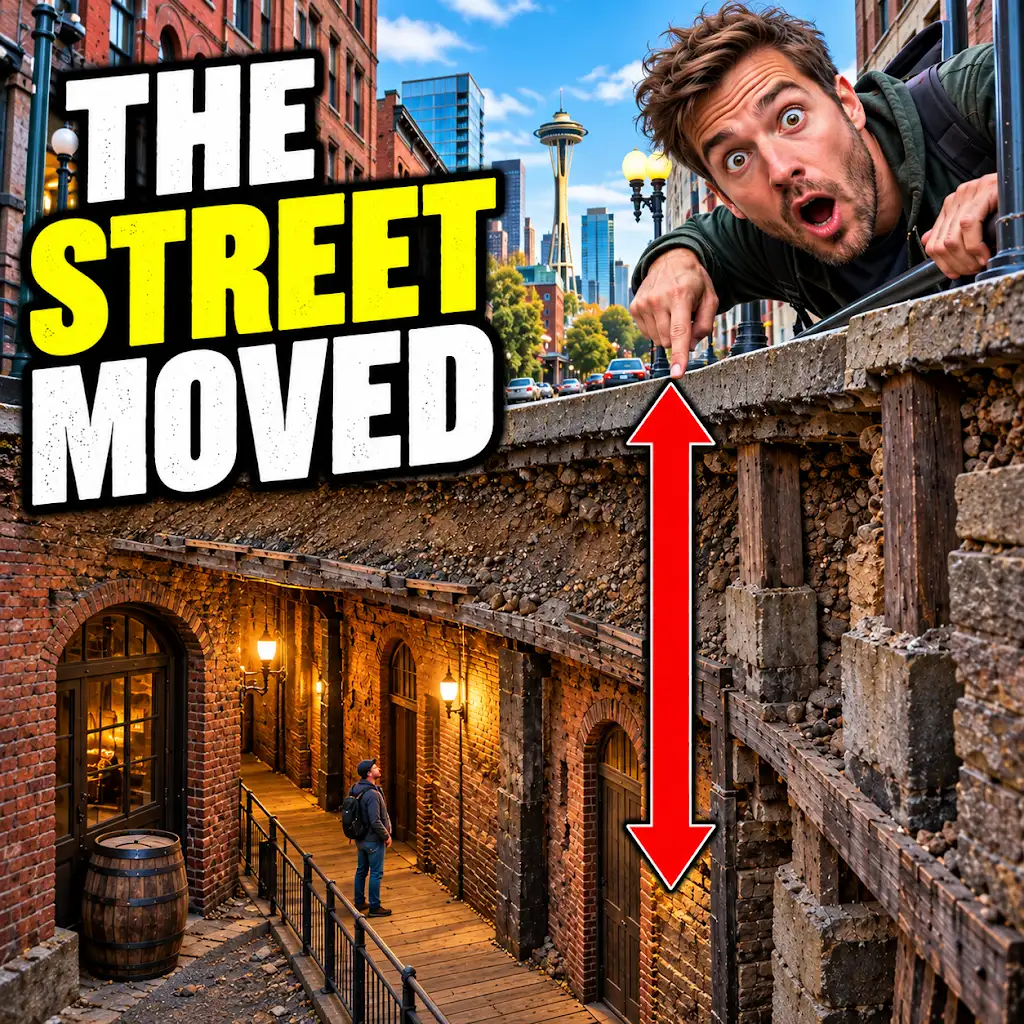
Seattle Raised Its Streets. The Old Storefronts Stayed Put
FAQs
What is the history of Seattle’s two-level city?
Seattle’s two-level city history dates back to the late 19th century when the city experienced rapid growth due to the Klondike Gold Rush. As the population increased, the city began to build on top of existing structures, creating a two-level city with underground passageways and storefronts.
Why did Seattle build on top of existing structures?
Seattle built on top of existing structures due to the need for more space as the city’s population grew rapidly during the Klondike Gold Rush. Instead of tearing down buildings, the city decided to build on top of them, creating a unique two-level city.
What can visitors see in Seattle’s underground city?
Visitors to Seattle’s underground city can see a variety of historic underground passageways, storefronts, and remnants of the city’s early days. Guided tours are available to explore this hidden part of Seattle’s history.
How did Seattle’s two-level city impact the city’s development?
Seattle’s two-level city impacted the city’s development by preserving its historic buildings and creating a unique underground network of passageways. While some areas were abandoned and forgotten, others have been preserved and incorporated into the city’s modern landscape.
Is Seattle’s two-level city still accessible today?
Yes, Seattle’s two-level city is still accessible today through guided tours that take visitors through the underground passageways and storefronts. These tours offer a glimpse into Seattle’s early history and the unique architectural features of the two-level city.