Seattle, a city renowned for its misty allure and a skyline punctuated by the iconic Space Needle, often conjures images of its vibrant, above-ground attractions. Tourists flock to Pike Place Market, ascend the Space Needle, and wander through the lush greenery of Discovery Park. Yet, beneath the bustling sidewalks and the familiar streetscape lies a fascinating, often overlooked, layer of the city: its subterranean storefronts. These hidden gems, tucked away below the everyday rhythm of street life, offer a unique glimpse into Seattle’s history, its entrepreneurial spirit, and its evolving urban fabric. Descending into these subterranean spaces is akin to peeling back the layers of a historical onion, revealing businesses that have adapted, survived, and even thrived in the shadows of their street-level counterparts.
The Echoes of History Beneath the Pavement
Seattle’s subterranean retail spaces are not merely a modern architectural quirk; they are a direct consequence of the city’s dramatic transformation following the Great Seattle Fire of 1889. Before the fire, much of the city’s infrastructure was built at a lower elevation, susceptible to the frequent tidal flooding from Elliott Bay. The fire, while devastating, presented an opportunity for a radical urban renewal. The city’s leaders, eager to rebuild and modernize, implemented a daring plan: elevate the streets. This monumental undertaking involved raising the street level by an average of ten to twenty feet, a process that effectively buried the original ground floors of many buildings. What were once street-level storefronts became basements, and the new street level was constructed above them. This created a unique urban landscape where the original street is now a subterranean labyrinth, accessible only through stairs and alleyways, a testament to Seattle’s resilience and its forward-thinking approach to urban planning.
The Great Fire and the Birth of a New Seattle
The Great Seattle Fire, which erupted on June 6, 1889, was an inferno of almost biblical proportions. Sparked by an accidental woodworking accident in a shop on the waterfront, the fire spread with terrifying speed through the densely packed wooden structures of downtown. For nearly two days, the flames raged, consuming an estimated 25 city blocks, leaving behind a landscape of smoldering ruins. The economic and social impact was immense, with thousands of residents left homeless and businesses destroyed. However, amidst the ashes, a spirit of determination and innovation began to emerge. The city’s leaders, rather than simply rebuilding on the existing foundations, seized the opportunity to create a more robust and modern city. The decision to elevate the streets was a bold and ambitious undertaking, a testament to their vision for a future Seattle that would be less vulnerable to the whims of nature.
The Engineering Marvel of Street Elevation
The process of raising Seattle’s streets was an engineering feat of immense scale and complexity. Teams of workers painstakingly built retaining walls and filled in the gaps with earth and debris, effectively creating a new, higher ground level. This process was not uniform across the entire city, leading to the varied elevations and the peculiar urban topography that exists today. The original ground floors of buildings, now situated below the new street level, were largely abandoned, their entrances sealed off. However, some enterprising business owners saw potential in these newly created subterranean spaces. They began to adapt these former ground floors into storage areas, workshops, and eventually, unique retail locations. The entrances to these lower-level businesses were often repositioned in alleyways or down steep staircases, creating an air of mystery and exclusivity that continues to define them.
Seattle is known for its unique architecture and vibrant urban landscape, but one of its lesser-known features is the intriguing storefronts located below street level. These hidden gems offer a glimpse into the city’s rich history and provide a unique shopping experience. For those interested in exploring this fascinating aspect of Seattle, you can read more in the related article found here: Seattle Storefronts Below Street Level.
Unearthing Entrepreneurial Spirit: Businesses Thriving Below

The subterranean storefronts of Seattle are more than just historical curiosities; they are vibrant hubs of entrepreneurship, housing a diverse array of businesses that have found a niche and a loyal customer base in these unconventional spaces. From vintage clothing boutiques to artisanal coffee roasters and independent bookstores, these businesses often possess a distinct character and an intimate atmosphere that is difficult to replicate on the bustling street level. The lower elevation can offer a respite from the noise and distractions of the upper world, allowing for a more focused and personal customer experience. This unique environment fosters a sense of community among the businesses themselves, as well as between the shopkeepers and their patrons.
The Allure of the Unconventional Retail Space
For many of these subterranean businesses, the unconventional nature of their location is a significant part of their appeal. The act of discovering a shop tucked away down a flight of stairs or accessed through a discreet alleyway can be an exciting adventure for customers. This sense of discovery, coupled with the often more intimate and less chaotic environment, creates a memorable shopping experience. Businesses that cater to specific interests or hobbies, such as record stores, vintage shops, or specialty craft suppliers, often find that the dedicated clientele drawn to these spaces appreciates the unique atmosphere and the curated selection of goods. The reduced foot traffic from the main street can also mean lower rents for these businesses, allowing them to invest more in their products and services, further enhancing their appeal.
Stories of Adaptation and Resilience
The businesses that operate below street level have a compelling narrative of adaptation and resilience. Many have been in the same subterranean locations for decades, weathering economic downturns and changing consumer trends. Their success is a testament to their ability to connect with their customers on a deeper level, offering not just products but also an experience. The owners often become intimately familiar with their clientele, fostering a sense of loyalty and community. This is particularly true for businesses that offer unique or niche products that are not readily available elsewhere. The owners’ passion for their craft, combined with the unique setting, creates an environment where customers feel like they are part of something special, a hidden world within the larger city.
A Haven for Niche and Independent Retailers
These subterranean spaces often become havens for niche and independent retailers who might struggle to compete with larger, more established businesses on prime street-level real estate. The lower overhead and the unique character of the spaces allow these entrepreneurs to flourish. They can focus on offering curated selections of goods, personalized customer service, and a distinctive brand identity without the pressure of constant high-volume sales. This creates a vibrant ecosystem of small businesses that contribute to the unique character and charm of Seattle, offering alternatives to the ubiquitous chain stores that can be found in any city. The discovery of such a shop becomes a personal victory, a found treasure in the urban landscape.
Navigating the Subterranean Labyrinth: A Guide to Discovery

Exploring Seattle’s hidden street-level storefronts requires a different approach to urban navigation. Gone are the days of simply strolling down a main thoroughfare. Instead, it’s an exercise in observation, curiosity, and a willingness to venture off the beaten path. Alleyways become treasure maps, and discreet staircases serve as gateways to a secret world. Many of these businesses are not advertised with prominent signage, relying instead on word-of-mouth and the dedication of their existing customer base. The reward for this exploration, however, is the discovery of businesses with a palpable sense of history, a unique charm, and often, exceptional products or services.
The Art of Urban Exploration: Seeking Out the Stairs
The key to finding these subterranean gems lies in developing an “explorer’s eye.” This means paying attention to the details of the streetscape that others might overlook. Look for the subtle clues: a set of stairs leading down from an alleyway, a door that seems to lead into the foundation of a building, or a small, understated sign almost hidden from view. Many of these entrances are located in areas that might otherwise be considered service alleys or less-trafficked corridors. Patience and a willingness to investigate these less-obvious routes are essential. The rewards of this urban exploration are often well worth the effort, leading to the discovery of establishments with a character and history that cannot be found on the main thoroughfares.
Notable Areas and Their Subterranean Offerings
While subterranean businesses can be found throughout Seattle’s older districts, certain areas have a higher concentration of these unique establishments. The historic Pioneer Square district, the very heart of the original city, is a prime location for discovering these remnants of Seattle’s past. Here, amidst the Romanesque Revival architecture, one can find a plethora of basement-level businesses. The historic U-District, around the University of Washington, also boasts its share of hidden shops, often catering to the student population with eclectic offerings. Even in more modern areas, pockets of these subterranean spaces can be unearthed with diligent searching. Each district often has its own distinct flavor of subterranean businesses, reflecting the historical and demographic makeup of the area.
The Role of Local Knowledge and Online Resources
While serendipitous discovery is part of the charm, there are also resources available for those seeking to uncover these hidden treasures. Local blogs, online forums dedicated to Seattle history and urban exploration, and even specific business websites can provide valuable insights and directions. Often, the owners of these subterranean businesses are happy to share their stories and guide curious visitors to other hidden gems. The community of people who appreciate these unique spaces is often very interconnected, and the sharing of information is a common practice. Social media can also play a role, with enthusiasts often posting photos and tips about their discoveries, creating a digital map of Seattle’s underground retail landscape.
Experiencing the Unique Ambiance of Below-Street Retail
The atmosphere within Seattle’s subterranean storefronts is distinct and often captivating. The lower elevation can contribute to a cooler, quieter environment, creating a sense of refuge from the urban bustle. The architecture of these spaces, often revealing exposed brick, original timbers, and the sturdy foundations of older buildings, adds to their historical charm. This is not a sterile, modern retail environment; it is a space that breathes with the history of the city. The intimate scale of many of these shops also fosters a more personal connection between the customer and the proprietor, allowing for deeper conversations about products, the business’s history, and the unique experience of operating below street level.
A Sanctuary from the Urban Noise
One of the most striking aspects of patronizing a business below street level is the noticeable reduction in ambient noise. The clamor of traffic, the chatter of pedestrians, and the general din of a busy city are significantly muffled, creating a sense of calm and tranquility. This makes for a more relaxed and enjoyable shopping experience, allowing customers to focus on the products and the interaction with the business owner. For businesses that require a quiet environment, such as art studios or specialty repair shops, this subterranean location can be a significant advantage. It offers a dedicated space for concentration and creativity, away from the constant distractions of the upper world.
Architectural Character and Historical Layers
The architectural character of these subterranean spaces is a major draw for many. Often, the original building materials and structural elements are left exposed, showcasing the craftsmanship of a bygone era. Exposed brick walls, weathered wooden beams, and the sturdy concrete foundations speak to the history and resilience of the buildings. These spaces often feel more authentic and grounded, offering a tangible connection to Seattle’s past. The very act of descending into these spaces can feel like a journey back in time, with each worn step and every visible beam telling a story of the city’s evolution. This raw, unvarnished aesthetic is a stark contrast to the polished, often uniform look of contemporary retail spaces.
Intimate Encounters and Personalized Service
The smaller scale and often more intimate layout of subterranean shops naturally lend themselves to personalized customer service. With fewer customers at any given time, proprietors have the opportunity to engage in meaningful conversations, offer tailored recommendations, and build genuine relationships with their patrons. This is a stark contrast to the often transactional nature of larger, higher-volume retail environments. Customers often feel more valued and understood, contributing to a sense of loyalty and repeat business. The owners are not just selling products; they are sharing their passion and their expertise, creating an experience that is both informative and enjoyable.
Seattle’s unique urban landscape includes a fascinating aspect of its architecture, particularly the storefronts located below street level. These hidden gems offer a glimpse into the city’s history and development, showcasing how the city adapted to its environment. For those interested in exploring this intriguing feature further, a related article can provide more insights into the history and significance of these subterranean spaces. You can read more about it in this detailed article that delves into the stories behind Seattle’s underground storefronts.
The Future of Seattle’s Subterranean Charm
| Storefront Name | Location | Square Footage | Type of Business | Average Monthly Foot Traffic | Accessibility Features |
|---|---|---|---|---|---|
| Underground Books | Pike Place Market | 1,200 sq ft | Retail – Bookstore | 3,500 | Ramp access, elevator |
| SubLevel Café | Downtown Seattle | 900 sq ft | Café | 2,800 | Stair access only |
| Basement Boutique | Belltown | 750 sq ft | Retail – Clothing | 1,200 | Elevator access |
| Lower Level Fitness | Capitol Hill | 1,500 sq ft | Gym | 1,800 | Ramp and elevator |
| Below Street Art Gallery | International District | 1,000 sq ft | Art Gallery | 900 | Stair access only |
As Seattle continues to evolve, so too do its subterranean storefronts. While some older businesses may face challenges from rising costs and changing demographics, the enduring appeal of these unique spaces suggests a promising future. New entrepreneurs are increasingly drawn to the affordability and distinct character of these locations, bringing fresh ideas and innovative concepts to the underground. The city’s commitment to preserving its historic fabric also bodes well for these hidden gems, ensuring that their stories and their unique charm continue to be a part of Seattle’s identity for generations to come. The ongoing rediscovery and appreciation of these below-street-level businesses are crucial to their survival and continued vibrancy.
Preserving History in a Modernizing City
The continued existence of these subterranean storefronts is a vital part of preserving Seattle’s rich history. As the city modernizes and develops, it is important to protect these remnants of its past. The efforts of business owners, historical societies, and preservationists play a crucial role in ensuring that these spaces are not lost to redevelopment. By patronizing these businesses, the public actively participates in this preservation, giving them economic viability and a reason to remain. The city’s planning decisions can also support these areas, perhaps through improved access or historical designations that protect their unique character.
New Ventures and Evolving Offerings
The appeal of subterranean spaces is not limited to established businesses. A new generation of entrepreneurs is recognizing the potential of these locations to launch innovative ventures. From speakeasy-style bars and themed escape rooms to artisan workshops and unique pop-up shops, the possibilities are continually expanding. This influx of new ideas and energy helps to keep these underground areas dynamic and relevant, attracting a diverse range of customers. The lower rents can also provide a vital stepping stone for startups, allowing them to test concepts and build a customer base before potentially moving to more prominent locations.
The Enduring Allure of the Unexpected
Ultimately, the enduring allure of Seattle’s hidden street-level storefronts lies in the unexpected. They offer a departure from the predictable, a chance to stumble upon something special, something with a story to tell. In a world increasingly dominated by the homogenized and the readily accessible, these subterranean spaces represent a valuable counterpoint. They remind us that even in the most familiar of urban landscapes, there are always layers to uncover, secrets to reveal, and treasures to discover for those willing to look a little deeper, to take that extra step down. Their continued existence is a testament to Seattle’s unique character, a city that, like its hidden storefronts, reveals its deepest charms to those who take the time to explore its depths.
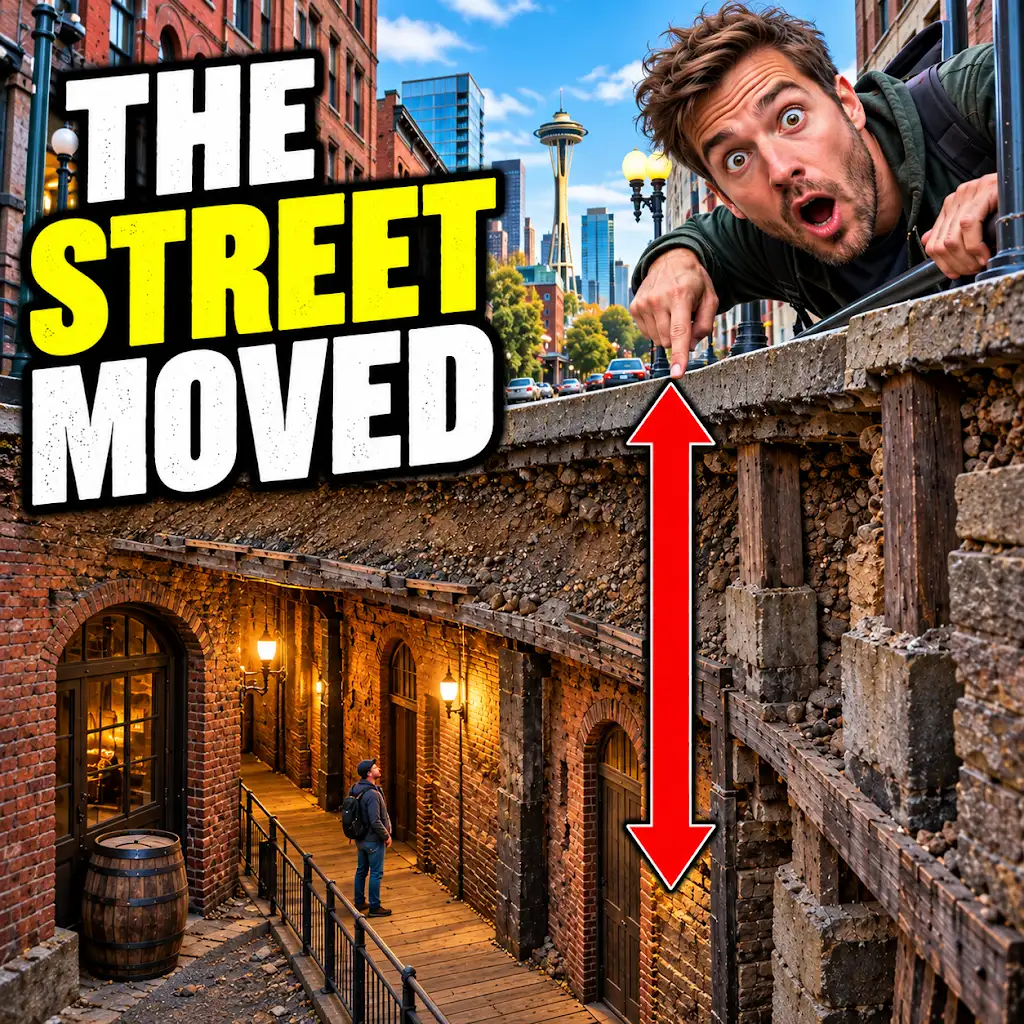
Seattle Raised Its Streets. The Old Storefronts Stayed Put
FAQs
What are Seattle storefronts below street level?
Seattle storefronts below street level are retail spaces located beneath the ground level of buildings, typically accessed by stairs or ramps from the sidewalk.
Why are there storefronts below street level in Seattle?
Storefronts below street level in Seattle are a result of the city’s hilly topography and historical development patterns. Building on slopes often led to the creation of spaces below street level for commercial use.
What types of businesses are commonly found in Seattle storefronts below street level?
Common businesses found in Seattle storefronts below street level include cafes, restaurants, boutiques, art galleries, and specialty shops. These spaces often offer a unique and cozy atmosphere for customers.
Are Seattle storefronts below street level popular among locals and tourists?
Yes, Seattle storefronts below street level are popular among both locals and tourists. They offer a hidden gem quality and a sense of discovery, attracting people looking for unique shopping and dining experiences.
How can one find Seattle storefronts below street level?
To find Seattle storefronts below street level, one can explore different neighborhoods in the city, particularly areas with hilly terrain such as Pioneer Square, Capitol Hill, and Downtown. Walking around and keeping an eye out for staircases leading down from the sidewalk can lead to discovering these hidden gems.