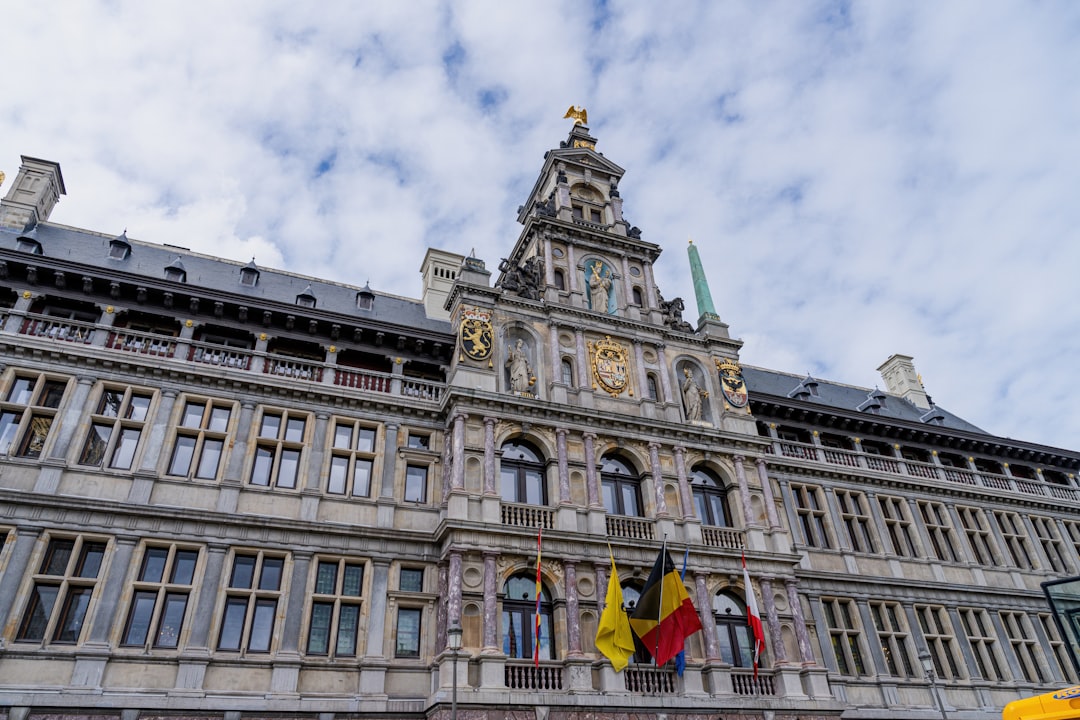
Belgium, a nation often perceived as a single, cohesive entity, is in reality a mosaic of distinct regions, each possessing its own unique linguistic, cultural, historical, and even economic identity. This intricate tapestry is not merely a quaint characteristic; it is the very foundation of Belgium’s complex political and social landscape. Understanding these regional differences is paramount to grasping the nuances of Belgian life, from its governmental structures to its everyday conversations.
The most visible and arguably the most significant of Belgium’s regional distinctions lies in its linguistic makeup. The country is officially trilingual, with Dutch, French, and German all recognized as national languages. However, this official recognition masks a deeply rooted geographical and cultural divide.
Flanders: The Dutch-Speaking North
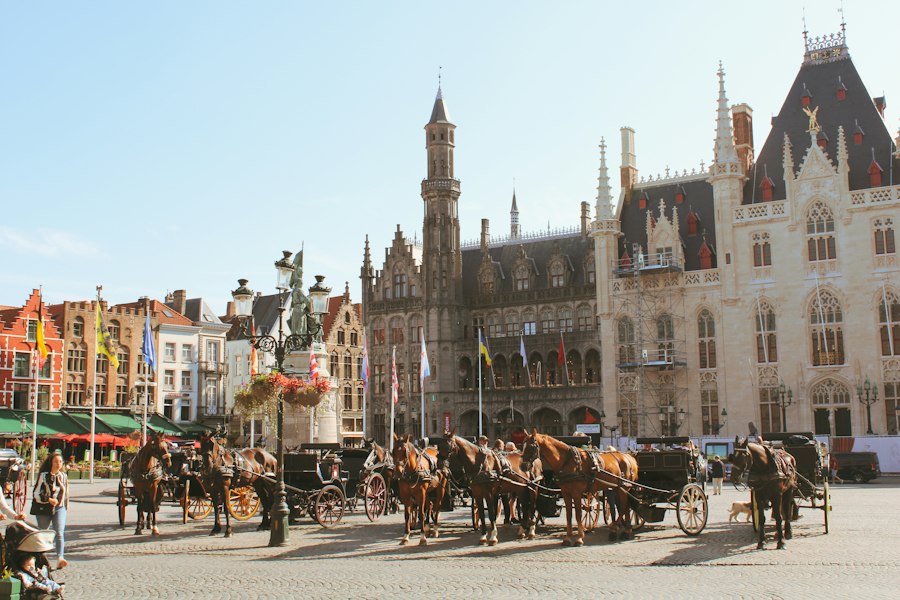
Flanders, the northern part of Belgium, is home to the vast majority of the Dutch-speaking population. The language spoken here is Dutch, though often referred to as Flemish by many, particularly in contrast to the Dutch spoken in the Netherlands. This dialectal variation is subtle, akin to the differences between British and American English, but it contributes to a distinct Flemish identity. Flemish culture is generally characterized by a strong sense of pragmatism, a robust work ethic, and a historical connection to mercantile traditions. The region boasts a rich artistic heritage, particularly in painting and literature, with figures like Jan van Eyck and Peter Paul Rubens hailing from Flanders. Economically, Flanders is the more industrialized and economically prosperous region, with major cities like Antwerp, Ghent, and Bruges serving as important economic hubs. The historical significance of Flanders is immense, having been a central player in medieval European trade and a battleground for numerous conflicts throughout history.
Wallonia: The French-Speaking South
In stark contrast, Wallonia, the southern part of Belgium, is predominantly French-speaking. The French spoken here is also distinct from the French spoken in France, with regional accents and vocabulary. Walloon culture is often perceived as more expressive and passionate, with a strong appreciation for gastronomy, arts, and intellectual pursuits. Historically, Wallonia was the industrial heartland of Belgium, particularly in the coal and steel industries, giving rise to a distinct working-class culture and strong trade union presence. While some of these industries have declined, Wallonia still retains significant industrial activity. Major Walloon cities include Liège, Charleroi, and Namur, the regional capital. The history of Wallonia is deeply intertwined with the development of the Belgian state, with many key political and social movements originating in this region.
Brussels-Capital Region: The Bilingual Conundrum
The Brussels-Capital Region occupies a unique and complex position. Geographically, it is an enclave within Flanders, yet it is officially bilingual, with both French and Dutch recognized as its administrative languages. In practice, French is the dominant language in daily life and discourse, a historical consequence of its growth as the nation’s capital. However, the presence of a significant Dutch-speaking minority, coupled with the city’s role as the de facto capital of the European Union, has made Brussels a truly cosmopolitan and multicultural hub. This bilingualism, while officially enshrined, can sometimes lead to practical challenges and ongoing debates regarding language use in public life, education, and administration. The cultural landscape of Brussels is a fusion of Flemish and Walloon influences, augmented by a vast international presence, making it a melting pot of ideas and traditions.
The German-Speaking Community: A Small but Distinct Entity
Nestled in the easternmost part of Wallonia, bordering Germany, lies the small but culturally significant German-speaking Community of Belgium. This region, often overlooked in broader discussions of Belgian regionalism, has its own parliament, government, and distinct cultural identity. The history of this community is directly linked to the territorial changes following World War I and World War II, when parts of Germany were ceded to Belgium. The language spoken is German, with a distinct dialect. The culture here is influenced by its Germanic roots and its proximity to Germany, with traditions and customs that set it apart from both Flanders and Wallonia. Despite its size, this community plays an important role in Belgium’s multicultural fabric and has its own representation in the Belgian federal parliament.
Belgium is known for its rich cultural diversity, which is often reflected in the regional differences across the country. For a deeper understanding of these variations, you can explore the article titled “Understanding Belgium’s Regional Differences” on MyGeoQuest. This article delves into the historical, linguistic, and cultural factors that contribute to the distinct identities of Flanders, Wallonia, and Brussels. To read more, visit Understanding Belgium’s Regional Differences.
Historical Roots of Regionalism: From Duchies to Nation-State
Belgium’s current regional divisions are not recent developments but are deeply embedded in its long and complex history. The area that now constitutes Belgium has for centuries been a contested territory, influenced by powerful neighboring states and characterized by a mosaic of feudal entities.
The Legacy of the Burgundian and Habsburg Netherlands
From the 15th century onwards, much of the Low Countries, including what is now Belgium, came under the rule of the Dukes of Burgundy and later the Habsburgs. During this period, distinct administrative and economic centers emerged in Flanders and Brabant (which encompassed much of modern-day Flanders and Brussels). These developments laid some of the groundwork for regional identities, as different cities and territories developed their own unique charters and privileges. The economic power of Flemish cities like Bruges and Ghent during this era fostered a sense of regional pride and distinctiveness.
The Dutch Revolt and the Division of the Low Countries
The religious and political upheavals of the 16th century, particularly the Dutch Revolt against Spanish rule, led to a significant divergence. The northern provinces, largely Protestant, eventually formed the independent Dutch Republic. The southern provinces, remaining Catholic and under Spanish (and later Austrian) control, evolved differently. This period solidified a cultural and religious divide between the north and the south, a legacy that would persist for centuries. The economic fortunes also began to shift, with the north embracing maritime trade and the south experiencing periods of decline and occupation.
The Brief United Kingdom of the Netherlands
In 1815, following the Napoleonic Wars, the Congress of Vienna united the former Austrian Netherlands (roughly modern-day Belgium) with the Dutch Republic to form the United Kingdom of the Netherlands. This union was intended to create a strong buffer state against France. However, the fundamental differences in language, religion, and economic interests between the northern and southern provinces proved insurmountable. The differing experiences and aspirations of the Dutch-speaking north and the French-speaking south, coupled with a perceived dominance by the Dutch monarchy, quickly led to discontent.
The Belgian Revolution of 1830
The growing tensions culminated in the Belgian Revolution of 1830. A nationalist uprising, fueled by grievances over political representation, economic disparity, and linguistic policies, led to the declaration of Belgian independence. The newly formed Kingdom of Belgium adopted French as its official language, a decision that deeply alienated the Dutch-speaking population and sowed the seeds for future linguistic and regional conflicts. This act of independence, while a triumph for Belgian nationhood, simultaneously enshrined a significant imbalance that would shape the nation’s trajectory for decades to come.
Economic Disparities: From Industrial Powerhouse to Modern Challenges
The economic landscape of Belgium is as diverse as its linguistic and cultural makeup, with significant disparities existing between Flanders and Wallonia. These differences have evolved over time and continue to influence political discourse and regional development strategies.
Flanders: The Engine of Economic Growth
Historically, Flanders emerged as the more commercially and industrially advanced region. Its strategic location, with access to ports like Antwerp, and its strong mercantile tradition, fostered early economic development. In the post-World War II era, Flanders experienced a remarkable economic resurgence, transforming itself from a relatively poorer region into Belgium’s economic powerhouse. This transformation was driven by significant investments in education, innovation, and infrastructure, particularly in sectors like technology, logistics, and advanced manufacturing. The presence of a highly skilled workforce, a business-friendly environment, and strategic European connectivity have all contributed to Flanders’ economic success.
Wallonia: The Industrial Past and Present Transition
Wallonia, on the other hand, was historically dominated by heavy industry, particularly coal mining and steel production. This industrial base provided significant employment and wealth for decades, shaping the region’s identity and social fabric. However, the decline of these traditional industries in the latter half of the 20th century led to economic hardship, unemployment, and a need for significant structural adjustment. While Wallonia has been actively working to diversify its economy, attract new investments, and foster innovation in sectors like biotechnology, aerospace, and renewable energy, it continues to face challenges in overcoming the legacy of its industrial past. The presence of major research and development centers and a commitment to retraining and upskilling its workforce are key elements of Wallonia’s ongoing economic transition.
Brussels: The International Hub and Service Economy
The Brussels-Capital Region, while geographically located within Flanders, operates as a distinct economic entity. Its role as the de facto capital of the European Union, along with the presence of numerous international organizations and multinational corporations, has fostered a strong service-based economy. The city is a major center for finance, law, administration, and diplomacy. This international character also translates into a diverse and dynamic job market, attracting talent from across Belgium and the globe. However, Brussels also faces challenges related to housing affordability, traffic congestion, and ensuring inclusive economic growth for all its residents.
Political Structures: Federalism and the Accommodation of Differences
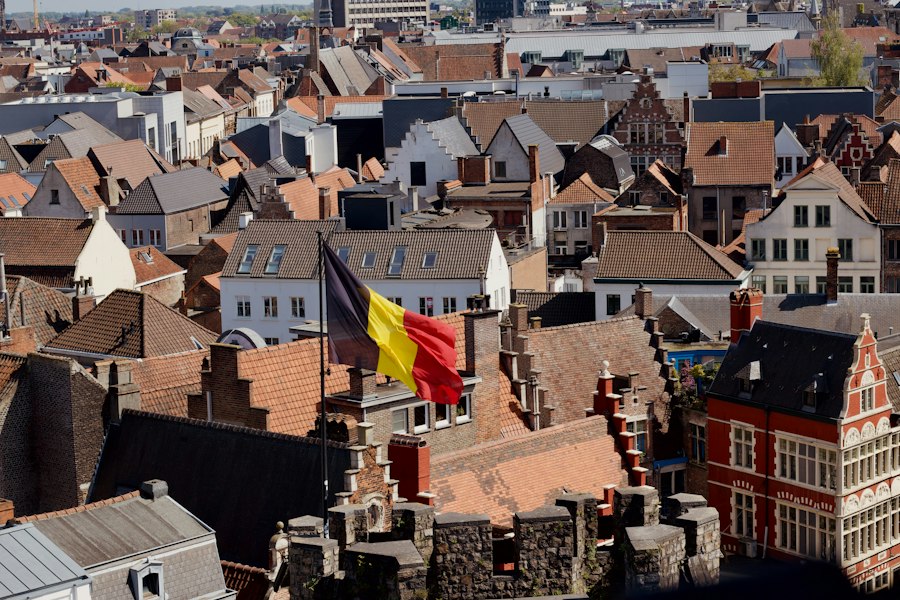
Belgium’s unique political system is a direct consequence of its regional divisions. The country operates as a federal state, with power devolved to three communities and three regions, each with its own government and parliament. This complex federal structure is designed to accommodate and manage the linguistic and cultural differences that define Belgium.
The Three Communities: Linguistic and Cultural Governance
The three official communities – the Flemish Community, the French Community, and the German-speaking Community – are primarily responsible for matters related to personal affairs, such as education, culture, and healthcare, within their respective linguistic groups. The Flemish Community exercises its powers over the Dutch-speaking population throughout Belgium, but primarily within Flanders and Brussels. The French Community does likewise for the French-speaking population in Wallonia and Brussels. The German-speaking Community has a more geographically defined jurisdiction. This community structure reflects the linguistic nature of Belgian society and aims to ensure that each linguistic group has control over matters crucial to its cultural identity and well-being.
The Three Regions: Territorial Administration and Economic Development
In addition to the communities, Belgium is divided into three regions: Flanders, Wallonia, and the Brussels-Capital Region. These regions are primarily responsible for territorial matters, including economic development, employment, urban planning, and environmental policy. Flanders has its own parliament and government, with similar structures in Wallonia and Brussels. The Brussels-Capital Region’s governance is particularly unique, with a bicommunal parliament and a government that must balance the interests of both French and Dutch speakers. The regional structure acknowledges the distinct geographical and economic characteristics of each part of the country and provides a framework for their development.
The Federal Government: National Cohesion and Shared Responsibilities
The federal government in Belgium retains responsibility for areas that affect the entire nation, such as defense, foreign policy, justice, and macroeconomic policy. However, the federal government’s powers are limited, and a significant portion of policymaking authority rests with the communities and regions. This federal arrangement, while complex, is the mechanism through which Belgium attempts to maintain national cohesion while respecting and safeguarding its regional diversity. The ongoing negotiations and compromises between the federal government and the regional entities are a constant feature of Belgian politics, reflecting the delicate balance of power.
Belgium is a country known for its rich cultural diversity, and understanding its regional differences can be quite fascinating. For those looking to delve deeper into this topic, an insightful article can be found that explains the various cultural, linguistic, and economic distinctions across the regions. You can read more about these intriguing aspects of Belgium by visiting this article, which provides a comprehensive overview of the country’s unique characteristics.
Cultural Nuances: Beyond Language and Politics
| Region | Population (millions) | Primary Language | GDP per Capita (EUR) | Unemployment Rate (%) | Key Economic Sectors | Notes on Regional Differences |
|---|---|---|---|---|---|---|
| Flanders | 6.6 | Dutch | 45,000 | 5.5 | Manufacturing, Services, Technology | More economically developed, lower unemployment, strong export sector |
| Wallonia | 3.6 | French | 30,000 | 12.0 | Heavy Industry, Agriculture, Services | Historically industrial, higher unemployment, economic restructuring ongoing |
| Brussels-Capital Region | 1.2 | French & Dutch (Bilingual) | 55,000 | 15.0 | Government, Finance, International Institutions | High GDP per capita but also high unemployment; diverse and international population |
Beyond the more visible linguistic and political distinctions, Belgium’s regional differences manifest in a myriad of cultural nuances that enrich the national tapestry and provide a deeper understanding of its people.
Culinary Traditions: A Taste of Regional Identity
Belgian cuisine is renowned worldwide, but even within Belgium, there are distinct regional flavors and specialties. Flanders is known for its hearty, often Flemish-style stews, such as “stoofvlees” (beef stew cooked in beer), and its rich seafood dishes, particularly mussels. The region also boasts a strong tradition of beer brewing, with a vast array of unique and flavorful beers. Wallonia, with its French influence, often features more refined dishes, but also maintains its own hearty specialties, such as “carbonnade flamande” (similar to stoofvlees but with different spice profiles) and an array of fine cheeses. The German-speaking community offers culinary influences from its neighboring country, with dishes like sauerkraut and regional sausages. Even the ubiquitous Belgian fries can have subtle regional variations in their preparation and accompanying sauces.
Art and Architecture: A Reflection of History and Influences
The artistic and architectural heritage of Belgium is deeply intertwined with its regional history. Flanders, with its prosperous mercantile past, is renowned for its Renaissance and Baroque art, exemplified by the masterpieces of Flemish painters. The region’s cities are adorned with magnificent medieval guildhalls, Gothic cathedrals, and picturesque canals, reflecting centuries of wealth and artistic patronage. Wallonia, with its industrial heritage, showcases a different architectural landscape, featuring impressive industrial heritage sites alongside grand castles and churches that speak to its feudal past and its strategic importance. Brussels, as the capital and a melting pot of influences, offers a diverse architectural panorama, from Art Nouveau gems to modern EU buildings.
Social Customs and Everyday Life: Subtle but Significant Differences
While Belgians generally share a common sense of politeness and a fondness for good food and drink, there are subtle differences in social customs and everyday life that reflect regional identities. Flemish people are sometimes perceived as more reserved and direct, while Walloons are often seen as more outwardly expressive and sociable. These are generalizations, of course, but they highlight the different cultural orientations that have developed over time. Similarly, the pace of life and the emphasis placed on certain traditions can vary from one region to another. Even the way people interact in public spaces or engage in casual conversation can reveal underlying regional influences. These subtle differences contribute to the rich and varied texture of Belgian society.

Belgium Has a Border With No Wall — Here’s Why
FAQs
What are the main regions in Belgium?
Belgium is divided into three main regions: Flanders in the north, Wallonia in the south, and Brussels-Capital in the center.
What are the main language differences between the regions?
Flanders primarily speaks Dutch, Wallonia primarily speaks French, and Brussels-Capital is bilingual with both Dutch and French spoken.
How do the regional differences impact politics in Belgium?
The regional differences in Belgium have led to a complex political system with separate governments for each region, as well as a federal government to oversee national matters.
Are there cultural differences between the regions of Belgium?
Yes, there are cultural differences between the regions of Belgium, including differences in cuisine, traditions, and architecture.
How do the regional differences in Belgium impact daily life for residents?
The regional differences in Belgium can impact daily life for residents in terms of language usage, education systems, and even public services. Residents may also identify more strongly with their regional identity than with a national Belgian identity.