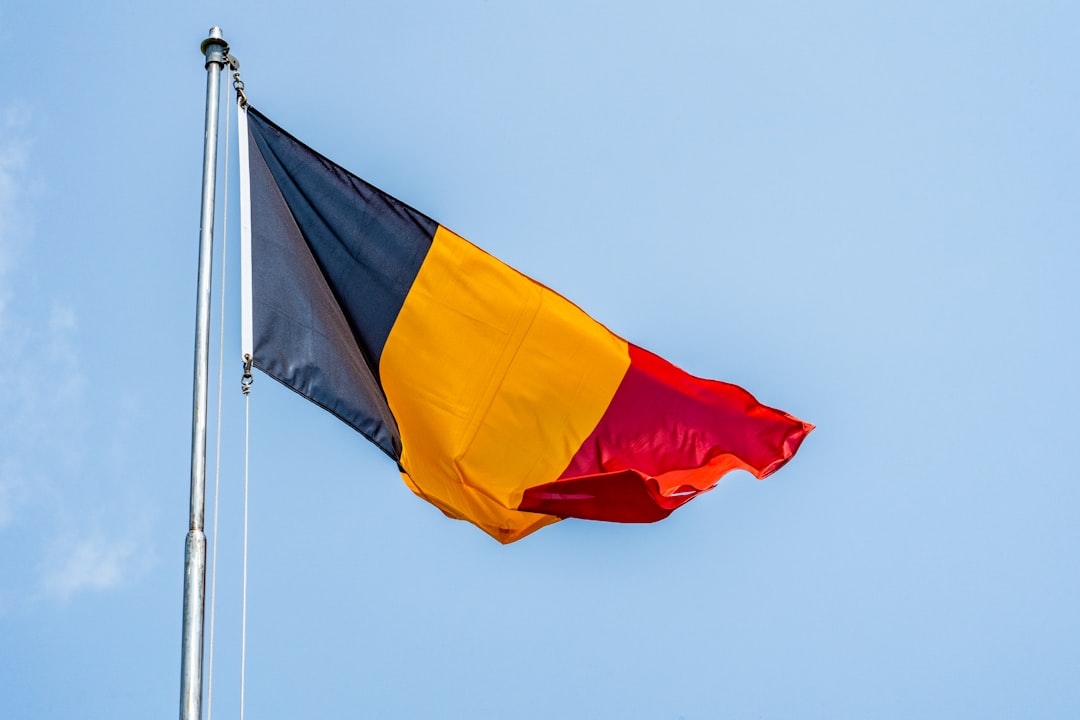
Belgium, a nation forged from disparate linguistic communities, grapples with a political landscape profoundly shaped by its language divide. This enduring schism, rooted in historical, cultural, and socio-economic factors, manifests in distinct political parties representing Flemish and Francophone interests, each vying for influence and advocating for their respective communities’ aspirations. The federal structure of Belgium, designed to accommodate these linguistic differences, has paradoxically amplified them, creating a complex and often fractious political environment. Understanding the intricacies of Belgium’s political parties necessitates an exploration of their historical origins, their ideological underpinnings, and their evolving strategies in navigating the persistent language divide.
The linguistic division within Belgium is not merely a contemporary phenomenon but a historical legacy deeply embedded in the nation’s formation. The current political architecture, with its emphasis on linguistic communities, is a direct consequence of centuries of linguistic and cultural divergence.
The Dutch-Speaking North: Flanders
The northern part of Belgium, Flanders, has historically been dominated by the Dutch language, spoken by the majority of its population. This linguistic identity has been a cornerstone of Flemish culture and politics, leading to a strong sense of regional consciousness and a desire for greater autonomy.
Early Stirrings of Flemish Identity
Even before the establishment of Belgium as a unified state in 1830, the Dutch language and culture faced pressures from the dominance of French, particularly in administration, education, and high society. The Flemish Movement, which emerged in the 19th century, was initially driven by a desire to protect and promote the Dutch language and Flemish culture, which it felt were being marginalized. This movement gained momentum, advocating for the official recognition of Dutch and its use in all spheres of public life.
The Road to Linguistic Recognition
The struggle for linguistic equality was a long and arduous one. While the initial Belgian state was largely French-speaking, sustained pressure from the Flemish Movement led to a series of linguistic laws throughout the 20th century. These laws gradually recognized Dutch as an official language and established linguistic territories, essentially dividing the country into Dutch-speaking, French-speaking, and bilingual regions. This process, while aiming for parity, also laid the groundwork for future political divisions along linguistic lines.
The French-Speaking South: Wallonia and Brussels
The southern part of Belgium, Wallonia, has historically been a French-speaking region, while Brussels, the capital, is officially bilingual but predominantly French-speaking in practice, with a significant Dutch-speaking minority. The Francophone community has also developed its own distinct political identity, often in reaction to, or in conjunction with, the aspirations of the Flemish community.
The Dominance of French in Early Belgium
Following Belgium’s independence in 1830, French quickly became the language of power and prestige. It was the language of the aristocracy, the educated elite, and the burgeoning industrial sector. This linguistic dominance contributed to a sense of unease and resentment among the Dutch-speaking population, who felt excluded from the corridors of power.
The Rise of Francophone Consciousness
While the Flemish Movement focused on linguistic revival and autonomy, the Francophone community, particularly in Wallonia, also developed its own political concerns. These often revolved around economic issues, the industrial decline of Wallonia in the latter half of the 20th century, and anxieties about the growing political power of Flanders. The political parties representing Francophone interests, therefore, often had a dual focus on linguistic rights and socio-economic policies.
The Unique Case of Brussels
Brussels, as the capital and a designated bilingual region, presents a unique and often contentious political dynamic. While officially bilingual, the demographic and linguistic balance has been a constant source of debate. The growth of a significant immigrant population and the evolving linguistic landscape have added further complexity to the political representation and governance of the capital region.
The political landscape in Belgium is significantly influenced by the language divide between its Dutch-speaking Flanders region and the French-speaking Wallonia region. This division often leads to tensions among political parties, as they navigate issues of representation and governance. For a deeper understanding of how this language divide shapes Belgium’s political dynamics, you can read a related article at MyGeoQuest.
The Formation of Linguistic Political Parties
The evolving linguistic landscape and the growing awareness of distinct community identities inevitably led to the formation of political parties that explicitly championed the interests of either the Flemish or Francophone populations. These parties, often rooted in specific linguistic or cultural grievances, have become central actors in Belgium’s federal political system.
Flemish Nationalist and Regionalist Parties
Flemish political parties, while diverse in their ideological spectrum, generally share a common objective: to defend and promote Flemish interests. This often translates into demands for greater regional autonomy, a more equitable distribution of national resources, and the strengthening of Flemish identity.
Christian Democracy and the Flemish Bloc
Historically, Christian Democratic parties played a significant role in both Flemish and Francophone politics. However, over time, a distinct Flemish Christian Democratic tradition emerged, often aligned with the broader Flemish movement. This evolved into parties that, while rooted in Christian democratic principles, increasingly prioritized Flemish concerns. The Vlaams Belang, a far-right Flemish nationalist party, emerged from a more extreme wing of the Flemish movement, advocating for a more assertive and often divisive approach to Flemish sovereignty.
Liberal and Socialist Movements in Flanders
Liberal and Socialist parties in Flanders also operate within the context of the language divide. While their core ideologies of economic liberalism or social democracy may transcend linguistic boundaries, their policy proposals and public discourse are often tailored to resonate with the Flemish electorate, addressing specific Flemish concerns regarding education, employment, and cultural heritage.
The Rise of Open Vld and N-VA
The Open Vlaamse Liberalen en Democraten (Open Vld) represents the liberal tradition in Flanders, advocating for individual freedoms and market economics, while also engaging with the complexities of Flemish identity. The N-VA (Nieuw-Vlaamse Alliantie) has emerged as a dominant force in Flemish politics, advocating for a confederal Belgium where Flanders would have significant autonomy, with the ultimate goal of eventual independence for Flanders. Their electoral success highlights the enduring appeal of Flemish nationalism.
Francophone and Regionalist Parties
Francophone political parties, while often more ideologically diverse, are united by their commitment to protecting Francophone rights and interests within the Belgian state. Their agendas often focus on the preservation of French language and culture, the economic well-being of Wallonia and Brussels, and the balance of power within the federal system.
The Socialist Party and the Liberal Tradition in Wallonia
The Parti Socialiste (PS) is a major force in Francophone politics, advocating for social justice and public services. The Mouvement Réformateur (MR) is a liberal coalition encompassing various liberal factions, championing free markets and individual liberties, and also playing a crucial role in Francophone political discourse. These parties, while distinct in their ideological underpinnings, are often in dialogue and sometimes in competition for the Francophone vote.
The Ecology Movement in Wallonia
Ecolo, the Green party in Wallonia, brings an environmentalist perspective to the political landscape. While its core concerns are global, its policy proposals are often framed within the context of regional development and the specific challenges faced by Wallonia and Brussels.
The Focal Point of Brussels
In Brussels, the linguistic divide is particularly pronounced. Parties like the Parti Socialiste and the Mouvement Réformateur have significant support in the capital, but they also contend with the complexities of representing a multilingual population and navigating the aspirations of both Francophone and Flemish communities within the Brussels-Periphery.
The Impact of the Language Divide on Governance
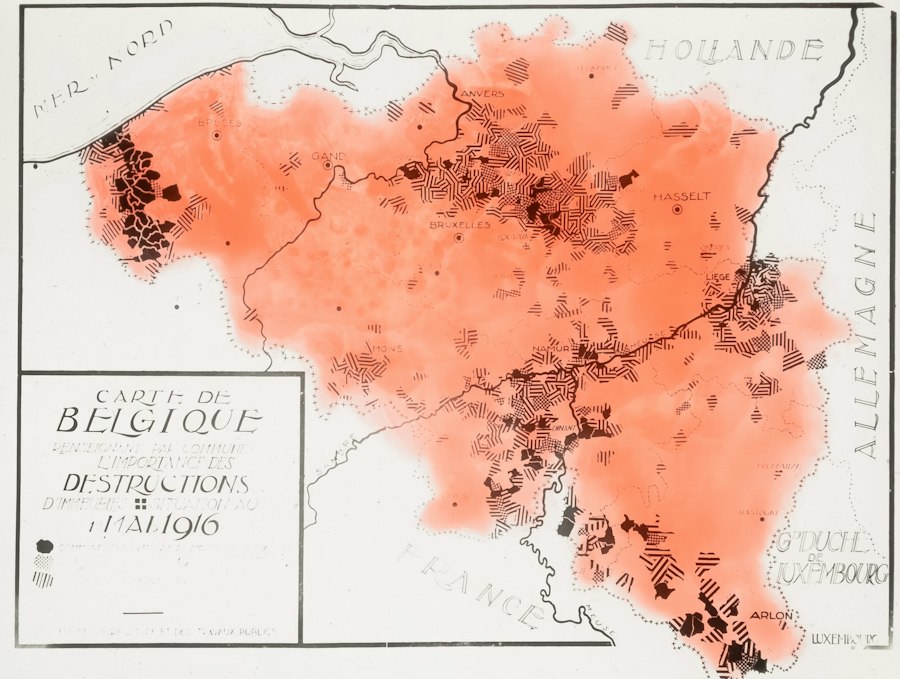
The entrenched linguistic divide has profoundly shaped Belgium’s governance structures, leading to a complex federal system designed to grant significant powers to the linguistic communities and regions. This decentralization, while intended to foster harmony, has also created challenges in terms of national unity and effective decision-making.
The political landscape in Belgium is significantly influenced by the language divide between its Dutch-speaking Flanders region and the French-speaking Wallonia region. This division often leads to tensions and challenges in governance, as political parties tend to align along linguistic lines. For a deeper understanding of how this divide shapes political dynamics, you can read a related article that explores the historical context and current implications of this issue. Check it out here.
Federalism and the Six-Party Government
Belgium’s federal structure, with its multiple layers of government (federal, regional, and community), is a direct consequence of the language divide. The formation of federal governments often involves complex coalition-building among parties representing different linguistic communities. The traditional “six-party government” comprises major parties from both the Flemish and Francophone sides, necessitating constant negotiation and compromise to address issues of national importance.
The Balancing Act of Federal Policy
Federal policies, from fiscal matters to foreign affairs, are often subject to intense scrutiny from both Flemish and Francophone parties. Each side seeks to ensure that policies do not disproportionately benefit one community over the other, leading to a delicate balancing act in the federal legislative process.
The Role of the King and Royal Appointments
The King of the Belgians, as the head of state, plays a symbolic but important role in the political system. Royal appointments and the King’s role in government formation can also be influenced by the linguistic dynamics at play.
Community and Regional Powers
The establishment of distinct community and regional governments has granted significant powers in areas such as education, culture, and some aspects of economic policy. This decentralization reflects the recognition that different linguistic communities may have different needs and priorities in these domains.
Education as a Battlefield
Education is a particularly sensitive area where the language divide is acutely felt. Each linguistic community has its own education system, curriculum, and policies, reflecting their distinct cultural values and linguistic preferences. Debates over school funding, language immersion programs, and the teaching of languages are recurrent themes in Belgian politics.
Cultural Autonomy and Identity
The concept of cultural autonomy is central to the political discourse of both Flemish and Francophone parties. This extends to areas such as media, arts, and heritage preservation, where each community seeks to promote and protect its distinct cultural identity.
Current Political Dynamics and Future Prospects
The interplay between Belgium’s linguistic communities and their respective political parties continues to shape the nation’s political dynamics. Evolving demographics, economic shifts, and the persistent question of national unity pose ongoing challenges and opportunities for the future.
The Ascendancy of Flemish Nationalism
The rise of parties like the N-VA signifies a growing desire for greater Flemish autonomy, with some advocating for a radical restructuring of the Belgian state, potentially leading to confederation or even full independence for Flanders. This trend has put significant pressure on the federal government and the unity of the country.
The “Confederal” Dream
The N-VA’s vision of a confederal Belgium suggests a loose union where the constituent regions (Flanders, Wallonia, and Brussels) would have significant self-governance, with the federal government retaining only limited powers in areas like defense and foreign policy. This proposal is a significant departure from the current federal model and is met with considerable resistance from Francophone parties.
The Economic Disparities
Economic disparities between the more affluent Flanders and the traditionally industrializing Wallonia have also fueled political tensions. Flemish parties often argue for fiscal federalism, where each region would be responsible for its own finances, while Francophone parties tend to advocate for greater national solidarity and resource redistribution.
Francophone Responses and Concerns
Francophone parties, while often more divided ideologically, are largely united in their opposition to further decentralization that could weaken the federal state and marginalize the Francophone community. They often emphasize the need for national solidarity and the protection of minority linguistic rights.
The Fear of Marginalization
Francophone parties express concerns about being marginalized in a more confederal or federalized Belgium, particularly in terms of their representation and influence within institutions. They highlight the importance of a strong federal government to ensure equitable treatment and to safeguard the rights of all Belgians.
The Future of the Brussels-Periphery
The issue of the “periphery” around Brussels, a predominantly Dutch-speaking area with significant Francophone communities, remains a persistent point of contention. Francophone parties often advocate for the extension of Brussels’ administrative boundaries to include these areas, a proposal fiercely resisted by Flemish parties.
The Challenge of Inclusivity and National Unity
Ultimately, Belgium faces the ongoing challenge of fostering inclusivity and maintaining national unity in the face of deep-seated linguistic divisions. The success of its political system hinges on the ability of its parties to bridge these divides and find common ground for the collective good.
Immigration and Multiculturalism
The growing diversity of Belgium’s population, with increasing immigration from non-European countries, adds another layer of complexity to the linguistic and political landscape. The integration of these new communities and their participation in the political process will be crucial for the future social cohesion of the country.
The Role of Compromise and Dialogue
The enduring strength of Belgium’s political system lies in its capacity for compromise and dialogue. Despite the significant linguistic divides, Belgian politicians have historically found ways to form governments and pass legislation, albeit often through arduous negotiations. The future of Belgium will depend on their continued ability to engage in constructive dialogue and to prioritize the common good over narrow sectional interests. The language divide, while a defining characteristic of Belgian politics, is not an insurmountable barrier to effective governance, provided that a spirit of cooperation and mutual respect prevails.

Belgium Has a Border With No Wall — Here’s Why
FAQs
What is the language divide in Belgium political parties?
The language divide in Belgium political parties refers to the division between Dutch-speaking (Flemish) and French-speaking (Walloon) political parties in the country.
How does the language divide impact Belgian politics?
The language divide in Belgium impacts politics by creating challenges in forming coalition governments, as parties from different language communities often have differing priorities and policies.
Which political parties represent the Dutch-speaking community in Belgium?
Political parties that represent the Dutch-speaking community in Belgium include the New Flemish Alliance (N-VA), Christian Democratic and Flemish (CD&V), and Open Flemish Liberals and Democrats (Open VLD).
Which political parties represent the French-speaking community in Belgium?
Political parties that represent the French-speaking community in Belgium include the Socialist Party (PS), Reformist Movement (MR), and Ecolo.
What efforts have been made to bridge the language gap in Belgian politics?
Efforts to bridge the language gap in Belgian politics include the use of bilingualism in the capital region of Brussels, as well as the establishment of federal institutions to represent both language communities in decision-making processes.