Belgium, a nation often perceived through the lens of its diplomatic prowess and chocolatey delights, reveals itself to be a far more intricate tapestry upon closer examination. Its geographical compactness belies an extraordinary diversity of cultures, languages, and regional identities, each contributing a unique hue to the Belgian mosaic. From the bustling metropolises of Flanders to the serene Ardennes, and the bilingual heart of Brussels, discovering Belgium means embarking on a journey through distinct communities, each with its own history, traditions, and outlook. This exploration delves into the multifaceted nature of Belgium, highlighting the distinct characteristics that define its regions and the vibrant communities that call them home.
The northern part of Belgium, Flanders, is a region steeped in history and characterized by its strong Flemish identity. Here, the Dutch language, specifically Flemish Dutch, reigns supreme, shaping the cultural landscape and influencing everything from literature to everyday conversation. Flanders boasts a network of historic cities, each with its own unique charm and architectural grandeur, remnants of its prosperous past as a major European trading hub. The communities within Flanders are deeply proud of their heritage, evident in their preservation of medieval traditions, their thriving arts scene, and their unwavering commitment to their linguistic and cultural distinctiveness.
Bruges: The Enchanting Medieval Gem
Bruges, often hailed as the “Venice of the North,” is a living testament to Belgium’s medieval heritage. Its perfectly preserved canals, cobblestone streets, and Gothic architecture transport visitors back in time. The community in Bruges is a harmonious blend of locals who continue to maintain age-old traditions and a burgeoning population of artists and artisans drawn to its picturesque setting.
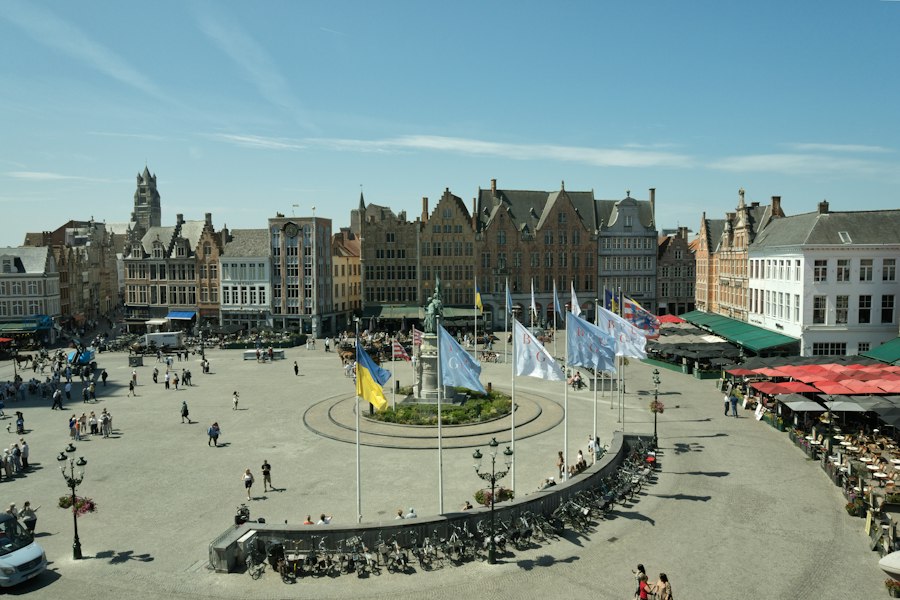
The Belfry and Market Square: A Hub of Activity
The iconic Belfry of Bruges, standing tall over the Markt (Market Square), is more than just a historical monument; it’s the heart of the city. The square itself buzzes with life, hosting vibrant markets, street performers, and outdoor cafes. The community gathers here for festivals, celebrations, and simply to soak in the atmosphere. The intimate scale of the square fosters a sense of connection among residents and visitors alike.
The Canal System: Lifeblood of the City
Bruges’ intricate network of canals is not merely scenic; it has historically been the city’s lifeblood. Boat tours offer a unique perspective on Bruges, revealing hidden courtyards and bridges that are inaccessible by land. The communities living along these waterways have a distinct relationship with their aquatic surroundings, often maintaining traditional boat-building skills or operating charming waterside businesses.
Flemish Cuisine and Local Delicacies
Flanders, and Bruges in particular, is renowned for its culinary prowess. The community takes immense pride in its traditional dishes, from hearty stews like Stoofvlees to delicate seafood preparations. The local breweries are also a point of pride, producing a wide array of world-class beers that are an integral part of Flemish social life. Discovering these gastronomic delights is a crucial part of understanding the Flemish community.
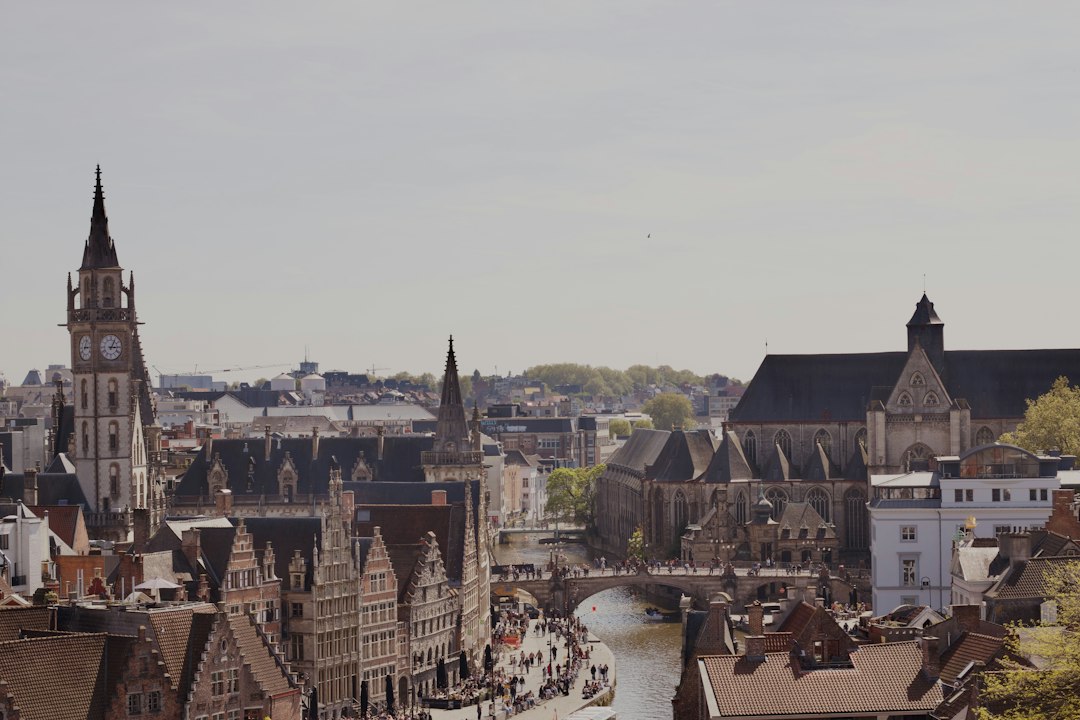
Ghent: A Vibrant University City with a Modern Edge
While Bruges exudes medieval charm, Ghent offers a more dynamic and contemporary Flemish experience. As a prominent university city, Ghent is a melting pot of ideas and cultures, boasting a lively student population that infuses the city with youthful energy. Its historic core is complemented by a forward-thinking attitude, making it a hub for innovation and artistic expression.
The Gravensteen Castle: A Glimpse into the Past
The imposing Gravensteen, or Castle of the Counts, dominates Ghent’s skyline, offering a tangible link to its feudal past. The community’s engagement with this historical site often extends beyond mere tourism; it serves as a backdrop for cultural events and reenactments, reinforcing a connection to ancestral narratives.
The Ghent Altarpiece: A Masterpiece of Flemish Art
The Ghent Altarpiece, housed in Saint Bavo’s Cathedral, is a global masterpiece of Flemish art. Its significance is deeply ingrained in the local identity, and the community views its preservation and accessibility with great importance. This artistic treasure serves as a focal point for discussions about Flemish cultural heritage and its enduring legacy.
Modern Art and Independent Spirit
Ghent’s contemporary art scene is thriving, with numerous galleries, street art installations, and independent creative spaces. The community here embraces an experimental and progressive spirit, fostering a culture of artistic exploration and challenging traditional norms. This artistic dynamism is a key characteristic of Ghent’s modern identity.
Belgium is a fascinating country with a complex structure of communities and regions that reflect its rich cultural diversity. For a deeper understanding of how these communities and regions function and their significance in Belgian society, you can explore a related article on this topic. It provides insightful information about the linguistic, cultural, and political aspects that shape Belgium today. To read more, visit this article.
Wallonia: The French-Speaking South with a Distinct Character
South of the linguistic border lies Wallonia, the French-speaking region of Belgium. This area presents a different cultural and geographical landscape, characterized by rolling hills, the rugged beauty of the Ardennes, and a strong sense of regional identity that is distinct from its Flemish counterparts. The Walloon communities are known for their warmth, their rich culinary traditions, and their historical connection to heavy industry and mining.
Liège: Industrial Heritage and a Lively Atmosphere
Liège, a major city in Wallonia, is defined by its industrial past and its vibrant, unpretentious atmosphere. Situated on the Meuse River, it was once a powerhouse of heavy industry. Today, the community is embracing a new identity, revitalizing its urban spaces and celebrating its cultural heritage with gusto.
The Montagne de Bueren: A Stairway to Panoramic Views
The Montagne de Bueren, a steep stairway of over 370 steps, is a well-known landmark in Liège. Ascending it offers not only a physical challenge but also breathtaking panoramic views of the city. The climb is a rite of passage for many locals and visitors, fostering a shared sense of accomplishment and a deeper appreciation for Liège’s topography.
Liège Waffles and Local Gastronomy
The Liège waffle, with its caramelized sugar pearls, is a culinary icon of the region. The community takes immense pride in this sweet treat, which can be found at street vendors and bakeries throughout the city. Beyond the waffle, Walloon cuisine is robust and flavorful, with dishes like Carbonnade Liégeoise (a beef stew) being popular.
The Walloon Spirit: Resilience and Joy
The Walloon spirit is often described as resilient, jovial, and deeply connected to their land and traditions. This is particularly evident in their approach to life, their strong social bonds, and their lively celebrations, such as the annual Bastogne Ardennes cycling race which attracts a passionate following.
The Ardennes: Natural Beauty and Outdoor Pursuits
The Ardennes region, stretching across southeastern Belgium, is a paradise for nature lovers and outdoor enthusiasts. Its dense forests, dramatic valleys, and winding rivers offer a sanctuary of natural beauty and a stark contrast to the more urbanized areas of Flanders. The communities here are closely tied to the land, their livelihoods often revolving around agriculture, forestry, and tourism.
Bastogne: A Symbol of Courage and Resilience
Bastogne, a town in the heart of the Ardennes, holds profound historical significance, particularly for its role in the Battle of the Bulge during World War II. The community’s dedication to commemorating this event, through museums and memorials like the Mardasson Memorial, reflects a deep respect for the sacrifices made and a commitment to preserving the memory of this pivotal moment.
Outdoor Activities: Hiking, Cycling, and Adventure
The Ardennes provides a playground for a wide range of outdoor activities. Hiking trails wind through ancient forests, while cycling routes offer challenging climbs and scenic descents. The communities that inhabit the Ardennes are intrinsically linked to these natural landscapes, often acting as guides, outfitters, or simply proud custodians of their pristine environment.
Local Produce and Traditional Crafts
The rural communities of the Ardennes are known for their exceptional local produce, including artisanal cheeses, cured meats, and game. Traditional crafts, such as woodworking and pottery, are also kept alive by dedicated artisans who contribute to the region’s authentic charm. These elements are integral to the economic and cultural fabric of Walloon life in the Ardennes.
Brussels: The Bilingual Capital and European Hub
Brussels, the capital of Belgium, stands as a unique entity within the nation. Officially bilingual, it is a melting pot of French and Dutch speakers, a dynamic international center, and the de facto capital of the European Union. This multifaceted identity creates a complex and fascinating social landscape, where diverse communities interact and coexist.
The Grand Place: A UNESCO World Heritage Site
The Grand Place, Brussels’ magnificent central square, is a breathtaking architectural marvel and a UNESCO World Heritage site. Surrounded by ornate guildhalls, the Town Hall, and the King’s House, it is a focal point for both locals and tourists. The community’s pride in this iconic landmark is palpable, and it serves as a stage for numerous public events and celebrations.
The Manneken Pis: A Quirky Symbol of Brussels
The small bronze statue of the Manneken Pis, a boy urinating into a fountain, is an enduring and quirky symbol of Brussels. While seemingly a simple monument, it has a rich history and is often dressed in various costumes for special occasions, reflecting the city’s playful and sometimes eccentric spirit. The community’s affectionate embrace of this oddity is a testament to its unique character.
Belgian Cuisine: A Culinary Crossroads
Brussels is a culinary paradise, offering an unparalleled range of gastronomic experiences. From Michelin-starred restaurants to humble friteries serving world-famous Belgian fries, the city’s food scene reflects its diverse population. The communities here embrace both traditional Belgian fare and an international array of flavors, making dining in Brussels an adventure in itself.
The European Quarter: A Hub of International Activity
The European Quarter, home to the European Parliament and other key EU institutions, has transformed Brussels into a global hub. This influx of international residents has created a vibrant and cosmopolitan atmosphere, with a diverse range of restaurants, shops, and cultural offerings catering to a global clientele. The interaction between long-standing Brussels communities and the new European community is a defining characteristic of the city.
Linguistic Diversity and Integration
The linguistic landscape of Brussels is complex, with both French and Dutch being official languages. This bilingualism is a source of both pride and occasional tension. The communities within Brussels navigate this reality daily, with many residents being trilingual or multilingual, reflecting the city’s international character. Efforts are continuously made to foster understanding and integration between the different linguistic groups.
International Cuisine and Global Flavors
The presence of a large international community has led to an explosion of diverse culinary options in Brussels. From authentic Italian trattorias to vibrant Indian restaurants and spicy Thai eateries, the city offers a taste of the world. This culinary diversity is a direct reflection of the varied communities that call Brussels home, contributing to its cosmopolitan appeal.
Linguistic and Cultural Divides: Understanding Belgium’s Internal Dynamics
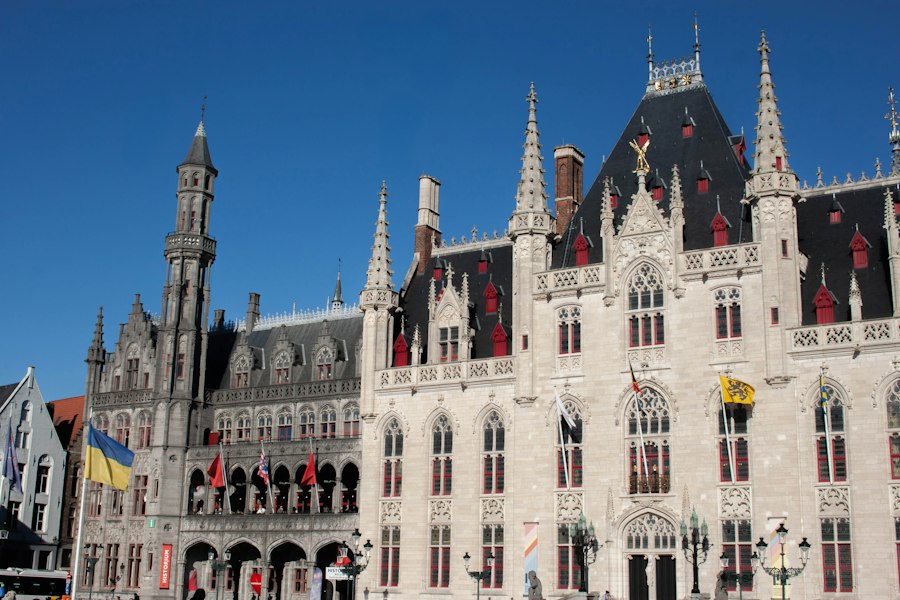
Belgium’s linguistic and cultural divide between Flanders and Wallonia is a fundamental aspect of its identity and has shaped its political and social landscape for decades. Understanding these divisions is crucial to appreciating the nuances of Belgian society and the unique characteristics of its various communities.
The Dutch-Speaking Community of Flanders
The Flemish community in the north is characterized by its shared language, its historical ties to the Netherlands, and a distinct cultural heritage that emphasizes tradition, art, and a strong sense of regional identity. Their communities often gather for cultural events, festivals, and sporting occasions, reinforcing their collective bond.
Flemish Identity and Autonomy
The concept of Flemish identity is deeply ingrained in the region, with a strong desire for cultural and political autonomy. This has manifested in various forms throughout history, leading to ongoing discussions and debates about regional governance and the preservation of Flemish culture.
Flemish Art and Literature
Flanders boasts a rich artistic and literary heritage, with renowned painters like Jan van Eyck and Peter Paul Rubens leaving an indelible mark on Western art. The community continues to foster a vibrant contemporary arts scene, with a strong emphasis on literature, theater, and film that reflects their unique perspective.
The French-Speaking Community of Wallonia
The Walloon community in the south is defined by its French language, its historical connection to France, and a cultural identity that is often associated with a more laid-back lifestyle, strong social networks, and a deep appreciation for gastronomy.
Walloon Culture and Traditions
Walloon culture is characterized by its lively festivals, its rich folklore, and its culinary traditions that often feature hearty and flavorful dishes. The communities in Wallonia often maintain close-knit social structures, with a strong emphasis on family and community gatherings.
The Role of French in Wallonia
French is the dominant language in Wallonia, and it plays a central role in the region’s cultural and social life. While there are regional dialects and variations, standard French serves as the unifying language, fostering a shared sense of belonging among the French-speaking communities.
Belgium is a fascinating country known for its unique communities and regions, each with its own distinct culture and governance. For those looking to delve deeper into the intricacies of Belgian society, a related article can be found at this link, which provides an insightful overview of the various communities and regions that shape the nation’s identity. Understanding these divisions is essential for appreciating Belgium’s rich history and diverse heritage.
The German-Speaking Community: A Small but Distinct Enclave
| Community/Region | Language(s) | Population (approx.) | Area (km²) | Main Cities | Key Characteristics |
|---|---|---|---|---|---|
| Flemish Community | Dutch | 6.6 million | 13,522 | Antwerp, Ghent, Bruges | Flanders region, Dutch-speaking, economic hub |
| French Community | French | 4.5 million | 16,844 (Wallonia) | Charleroi, Liège, Namur | Wallonia region, French-speaking, industrial history |
| German-speaking Community | German | 77,000 | 854 | Eupen, Sankt Vith | Smallest community, located in eastern Wallonia |
| Flemish Region (Flanders) | Dutch | 6.6 million | 13,522 | Antwerp, Ghent, Bruges | Economic center, Dutch-speaking, northern Belgium |
| Walloon Region (Wallonia) | French, German | 3.6 million | 16,844 | Charleroi, Liège, Namur | French and German-speaking, southern Belgium |
| Brussels-Capital Region | French, Dutch (official) | 1.2 million | 161 | Brussels | Bilingual region, capital city, international institutions |
Tucked away in the easternmost part of Belgium, bordering Germany, lies a small but significant German-speaking community. This region, often overlooked in broader discussions of Belgium, possesses its own unique cultural nuances and a strong sense of identity, shaped by its linguistic heritage and its historical proximity to Germany.
The East Cantons: A Unique Historical Context
The East Cantons, or Ostbelgien, were annexed by Belgium after World War I. This historical context has shaped the identity of the German-speaking community, creating a unique blend of Belgian citizenship and German cultural influence. The communities here have a distinct relationship with both Belgium and Germany.
Linguistic Preservation and Cultural Practices
The German-speaking community places a high value on preserving its language and cultural practices. Schools teach in German, and local media often broadcast in the language, ensuring its continuity. Traditional festivals and customs are also celebrated with enthusiasm, reinforcing a strong sense of collective identity.
A Bridge Between Two Worlds
The German-speaking community acts as a cultural bridge between Belgium and Germany. Their unique position fosters an understanding of both Belgian federalism and German regionalism, contributing to the rich diversity of the nation. The communities here often maintain strong ties with their counterparts across the border, facilitating cultural exchange.
Economic Integration and Local Identity
While part of Belgium, the East Cantons also have strong economic ties with neighboring Germany. This economic interdependence shapes local industries and employment. However, the communities maintain a distinct local identity, cherishing their unique heritage and traditions within the broader Belgian framework.
In conclusion, Belgium’s allure lies not in a monolithic national identity but in the vibrant interplay of its diverse communities and regions. From the historic charm of Flemish cities to the rugged beauty of the Walloon Ardennes, and the cosmopolitan energy of Brussels, each area offers a unique window into the Belgian soul. Discovering Belgium is an ongoing journey of exploration, revealing a nation where linguistic, cultural, and regional differences are not barriers but rather the very threads that weave together its rich and captivating tapestry. The ongoing evolution of these communities, their resilience, and their embrace of both tradition and modernity, promise a future as dynamic and multifaceted as Belgium itself.
Belgium Has a Border With No Wall — Here’s Why
FAQs
What are the different communities and regions in Belgium?
Belgium is divided into three main communities: the Flemish Community, the French Community, and the German-speaking Community. It is also divided into three regions: the Flemish Region, the Walloon Region, and the Brussels-Capital Region.
What is the difference between a community and a region in Belgium?
The communities in Belgium are responsible for cultural, educational, and personal matters, while the regions are responsible for economic, territorial, and environmental matters. The communities are based on language, while the regions are based on geography.
Which languages are spoken in the different communities of Belgium?
The Flemish Community primarily speaks Dutch, the French Community primarily speaks French, and the German-speaking Community speaks German. In the Brussels-Capital Region, both French and Dutch are official languages.
What is the role of the federal government in relation to the communities and regions in Belgium?
The federal government in Belgium is responsible for issues that affect the entire country, such as defense, foreign affairs, and social security. It also coordinates the different communities and regions to ensure cooperation and cohesion.
How do the communities and regions in Belgium impact daily life for residents?
The communities and regions in Belgium have a significant impact on daily life for residents, as they are responsible for areas such as education, healthcare, transportation, and culture. This means that services and policies can vary depending on which community or region you live in.