The tapestry of Belgium is woven with threads of distinct cultures, most notably the Flemish and Walloon regions, separated by a linguistic and historical border. This frontier, though largely invisible on a map, manifests in a fascinating way in the towns that straddle it. Exploring these border towns offers a unique glimpse into the nuances of Belgian identity, where linguistic shifts are subtle yet significant, and where the shared history of a nation gives way to regional particularities. These are not merely administrative divisions; they are places where traditions mingle, where accents soften and sharpen, and where the very essence of being Belgian is experienced in its most nuanced form.
The most striking aspect of these border towns is their linguistic duality. While the official language of Flanders is Dutch (often referred to as Flemish in Belgium) and that of Wallonia is French, the border is not a rigid line. Instead, it’s a gradual transition, and many towns along this divide exhibit a fascinating linguistic fluidity.
The Bilingual Embrace: A Common Phenomenon
In towns situated directly on the border, it is not uncommon to find a significant portion of the population fluent in both Dutch and French. This bilingualism is not a forced imposition but often a natural evolution, born from proximity and necessity. Businesses cater to both linguistic communities, signage might appear in both languages, and social interactions frequently involve code-switching. This embrace of two languages fosters a unique cultural understanding, allowing residents to navigate both Flemish and Walloon spheres with relative ease. For the visitor, this creates an accessible and welcoming environment, where communication barriers are often minimal, replaced by a shared appreciation for linguistic versatility.
The Influence of French on Flemish and Vice Versa
The proximity of the two major linguistic communities inevitably leads to linguistic crossover. Flemish Dutch, particularly in the border regions, often incorporates French loanwords and grammatical structures. Conversely, Walloon French can exhibit influences from Flemish, especially in vocabulary related to rural life or traditional customs. These influences are not seen as contamination but rather as a testament to the organic and dynamic nature of language. Exploring these subtle linguistic eddies reveals the deep historical connections between the regions, predating the formal linguistic divide. It’s a reminder that the border, while politically defined, has always been a porous membrane for cultural exchange.
The Evolving Linguistic Landscape
It is important to recognize that the linguistic situation is not static. Societal changes, demographic shifts, and evolving educational policies can all impact the linguistic landscape of these border towns. In some areas, there might be a subtle trend towards one language gaining prominence, while in others, efforts are made to preserve and promote bilingualism. Understanding these evolving dynamics adds another layer of complexity and interest to exploring these unique communities. The past and present intertwining of languages offer a rich historical narrative for those willing to listen.
The Flemish Walloon border towns are a fascinating study of cultural diversity and historical significance in Belgium. For those interested in exploring this topic further, a related article can be found at this link, which delves into the unique characteristics and vibrant communities that define these regions.
Historical Echoes: Shared Past, Divergent Futures
The border towns are steeped in history, a shared past that often predates the modern linguistic and political divisions. Many of these settlements have witnessed centuries of conflict, trade, and cultural exchange, shaping their identities in profound ways.
Medieval Roots and Strategic Significance
Many of these border towns owe their origins to their strategic importance in medieval times. Castles, fortifications, and ancient trade routes crisscross the landscape, silent witnesses to a time when control of these territories was paramount. Towns like Chimay in Wallonia, with its imposing castle, or Geraardsbergen in Flanders, known for its historic belfry, have played significant roles in regional conflicts and alliances. Exploring these remnants of the past offers a tangible connection to the historical struggles and triumphs that have shaped Belgium. The very stones of these towns whisper tales of bygone eras, of sieges and treaties, and of the constant ebb and flow of power.
The Impact of Industrial Revolution
The Industrial Revolution left an indelible mark on many of these border towns, particularly those with access to natural resources like coal and iron ore. While some towns flourished as industrial hubs, others maintained their agricultural character. The legacy of this period can still be seen in the architecture, the infrastructure, and the economic disparities that sometimes exist between different areas. Examining these remnants of industrial might and decline provides insight into the socio-economic transformations that have shaped the modern Belgian state and its constituent regions. The chimneys that once belched smoke now stand as silent monuments to a transformative era.
The Legacy of World Wars
The proximity of Belgium to major European powers meant that its border regions were often at the forefront of conflict, especially during the two World Wars. Many towns bear the scars of these events, with memorials, cemeteries, and preserved battle sites serving as poignant reminders of the sacrifices made. Towns like Bastogne, though not strictly a border town in the linguistic sense, played a pivotal role in the Battle of the Bulge, and its story resonates throughout the region. Exploring these historical sites offers a somber yet essential perspective on the shared suffering and resilience of the Belgian people, irrespective of their linguistic background. The quiet solemnity of these places commands reflection.
Architectural Tapestry: A Blend of Styles
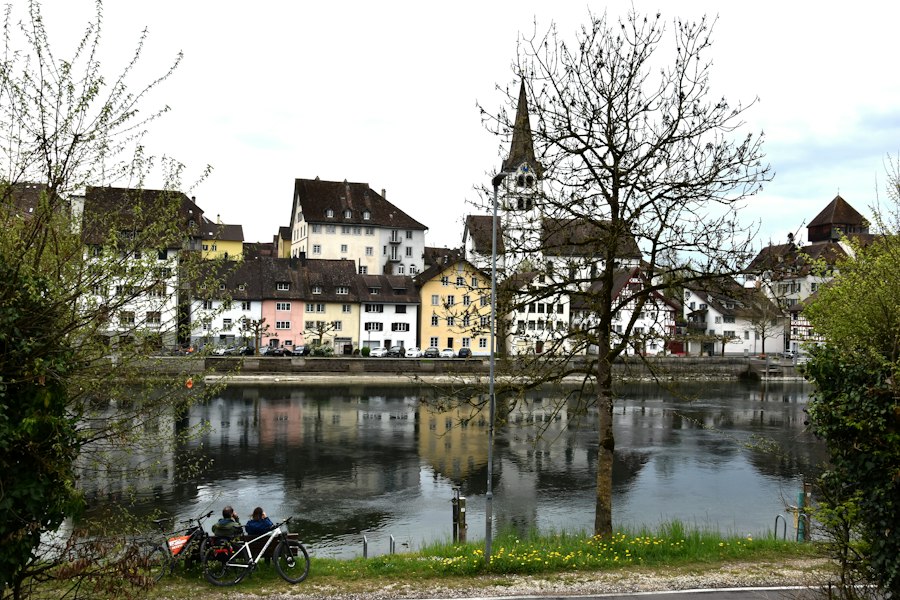
The architectural character of these border towns is a fascinating reflection of their dual heritage. One can observe a beautiful interplay of Flemish and Walloon architectural traditions, often within the same street.
Flemish Charm: Gabled Houses and Guildhalls
In the Flemish-speaking parts of the border region, one encounters the quintessential Flemish architectural style. This includes charming gabled houses with stepped facades, often adorned with intricate brickwork. Historic market squares are frequently dominated by imposing guildhalls, testaments to the region’s prosperous trading past. Towns like Oudenaarde, with its magnificent town hall, exemplify this Flemish architectural elegance. The warmth of the brick and the intricate details speak of a rich artisanal heritage, a sense of meticulous craftsmanship that has endured through the ages.
Walloon Elegance: Stone Buildings and Grand Chateaux
Moving into the Walloon-speaking territories, the architectural landscape shifts. Here, stone buildings often take precedence, lending a more robust and imposing feel. Grand chateaux and manor houses, remnants of aristocratic estates, punctuate the countryside. The architecture in towns like Durbuy, often referred to as the “smallest city in the world,” showcases a blend of medieval fortifications and elegant French-influenced structures. There is a sense of grandeur and permanence often associated with Walloon architecture, reflecting a different historical trajectory and aesthetic sensibility.
The Unique Fusion in Border Towns
The true magic of the border towns lies in the moments where these styles converge and blend. A street might begin with Flemish-style houses and gradually transition to stone buildings, or a market square might feature a Flemish belfry alongside a French-inspired church. This visual dialogue between architectural traditions creates a unique and captivating urban fabric, reflecting the constant negotiation and integration that has characterized the border regions. It’s a visual representation of the cultural embrace that defines these unique communities. The very streets seem to tell a story of compromise and collaboration.
Culinary Crossroads: A Taste of Two Worlds
The culinary traditions of Flanders and Wallonia are distinct, yet in the border towns, one can find a delightful fusion of flavors and specialties.
Flemish Delights: Beer, Fries, and Chocolate
Flanders is renowned for its rich culinary heritage, boasting world-class beers, crispy fries (often served with a variety of sauces), and exquisite chocolates. Dishes like stoofvlees (beef stew slow-cooked in beer) and waterzooi (a creamy chicken or fish stew) are staples. Many border towns offer authentic Flemish pubs and eateries where one can savor these traditional flavors. The aroma of freshly fried frites is a common and welcome scent in many of these locales, a true comfort food that transcends regional boundaries.
Walloon Gastronomy: Savory Dishes and Local Produce
Wallonia, on the other hand, is celebrated for its hearty and savory dishes. Think of moules-frites (mussels with fries), carbonnade flamande (a Flemish-style beef stew, though variations exist in Wallonia), and an abundance of local cheeses and cured meats. The Ardennes region, which extends into southern Wallonia, is particularly famous for its game meats and artisanal products. The emphasis in Walloon cuisine often leans towards robust flavors and the use of fresh, local produce, reflecting the agricultural richness of the region.
The Best of Both Worlds
In the border towns, one doesn’t have to choose between Flemish and Walloon cuisine. Many establishments skillfully incorporate elements from both traditions, offering a diverse and exciting culinary experience. It’s not uncommon to find a menu that features both a rich Flemish stew and a delicate Walloon pâté. This culinary fusion is a delicious manifestation of the cultural exchange that defines these unique settlements, allowing visitors to embark on a gastronomic journey that spans the linguistic divide. The palate becomes as enlightened as the mind.
The unique cultural dynamics of the Flemish Walloon border towns offer a fascinating glimpse into the diverse heritage of Belgium. These towns, characterized by their distinct languages and traditions, often reflect the historical tensions and collaborations between the Flemish and Walloon communities. For a deeper understanding of this intriguing region, you can explore a related article that delves into the geographical and cultural significance of these border towns. To learn more about this topic, visit this article which provides valuable insights into the area’s rich history and vibrant communities.
Exploring the Charms: Beyond the Obvious
| Town | Region | Population | Primary Language | Economic Activity | Distance to Border (km) |
|---|---|---|---|---|---|
| Halle | Flemish | 39,000 | Dutch | Retail, Services | 0 |
| Enghien (Edingen) | Walloon | 11,000 | French | Agriculture, Tourism | 0 |
| Geraardsbergen | Flemish | 33,000 | Dutch | Manufacturing, Tourism | 1 |
| Philippeville | Walloon | 10,000 | French | Industry, Services | 2 |
| Ronse | Flemish | 26,000 | Dutch | Textiles, Commerce | 0 |
| Musson | Walloon | 5,000 | French | Agriculture | 0 |
The appeal of these border towns extends far beyond their linguistic and historical significance. They offer a wealth of attractions and experiences for the curious traveler.
Quaint Villages and Picturesque Landscapes
Many border towns are characterized by their charming, unassuming villages, often nestled amidst picturesque landscapes. Rolling hills, verdant valleys, and winding rivers are common features, offering opportunities for hiking, cycling, and simply soaking in the natural beauty. Towns like Ath in Wallonia, with its historic Wednesday market and the annual Ducasse festival, offer a glimpse into authentic local life, far from the bustling tourist crowds. The slower pace of life in these smaller settlements is a refreshing antidote to modern pressures.
Vibrant Local Festivals and Traditions
The border regions are alive with local festivals and traditions that offer a window into the soul of the communities. These events, often rooted in historical commemorations or agricultural cycles, are vibrant celebrations of local culture and identity. From religious processions to folk music festivals, these gatherings provide an opportunity to interact with locals, sample regional delicacies, and witness time-honored customs. Participating in these events offers a deeper understanding of the unique cultural tapestry that these towns represent. The infectious energy of a local celebration is a powerful connective force.
The Art of Relaxation: Local Hospitality and Slow Tourism
One of the greatest pleasures of exploring these border towns is the opportunity to experience genuine local hospitality. The pace of life is often slower, encouraging a more relaxed and immersive travel experience. Staying in a local guesthouse, enjoying a leisurely meal at a family-run restaurant, or simply engaging in conversation with residents can be incredibly rewarding. This “slow tourism” approach allows for a deeper appreciation of the nuances of Belgian life, revealing the warmth and authenticity that lie beneath the surface of these fascinating border communities. It’s about savoring the moments, not just ticking off sights.
The exploration of Flemish and Walloon border towns is more than just a geographical journey; it is a cultural pilgrimage. It’s an invitation to delve into the complexities of Belgian identity, to appreciate the subtle interplay of languages, the echoes of a shared history, the artistry in architecture, and the delectable fusion of culinary traditions. These towns, often overlooked in favor of larger cities, hold a unique charm and offer a profound understanding of a nation that thrives on its diversity. They are living embodiments of Belgium’s enduring spirit, where the border is not a division, but a point of convergence, a testament to the beautiful and intricate tapestry of its people.

Belgium Has a Border With No Wall — Here’s Why
FAQs
What are Flemish Walloon border towns?
Flemish Walloon border towns are towns located on the border between the Flemish Region and the Walloon Region in Belgium. These towns often have a mix of Flemish and Walloon cultural influences.
How many Flemish Walloon border towns are there?
There are several Flemish Walloon border towns in Belgium, including towns like Comines, Enghien, and Voeren. These towns are known for their unique blend of Flemish and Walloon cultures.
What is the significance of Flemish Walloon border towns?
Flemish Walloon border towns serve as important cultural and historical landmarks, showcasing the diversity and richness of Belgium’s linguistic and cultural heritage. These towns often have bilingual signage and residents who speak both French and Dutch.
Do Flemish Walloon border towns experience any cultural tensions?
While Flemish Walloon border towns may have a history of cultural tensions between Flemish-speaking and French-speaking communities, efforts have been made to promote harmony and cooperation between the two linguistic groups. Many residents are bilingual and value the cultural diversity of their towns.
Can tourists visit Flemish Walloon border towns?
Yes, tourists are welcome to visit Flemish Walloon border towns to experience the unique blend of Flemish and Walloon cultures, explore historical sites, and enjoy the picturesque landscapes of these border regions.