
Magma Beneath Afar: Uncovering Earth’s Secrets
The Earth’s crust, a seemingly solid and stable shell, conceals a churning, incandescent heart. Beneath the familiar landscapes of mountains, oceans, and plains lies a realm of unimaginable heat and pressure: magma. This molten rock, the lifeblood of our planet, holds the keys to understanding its formation, its dynamic evolution, and the forces that shape its surface. Among the most fascinating and scientifically significant regions for studying this subterranean inferno is Afar, a geological crucible in the Horn of Africa. Here, the Earth’s crust is being torn apart, revealing its molten underpinnings and offering an unparalleled window into the very processes that drive plate tectonics.
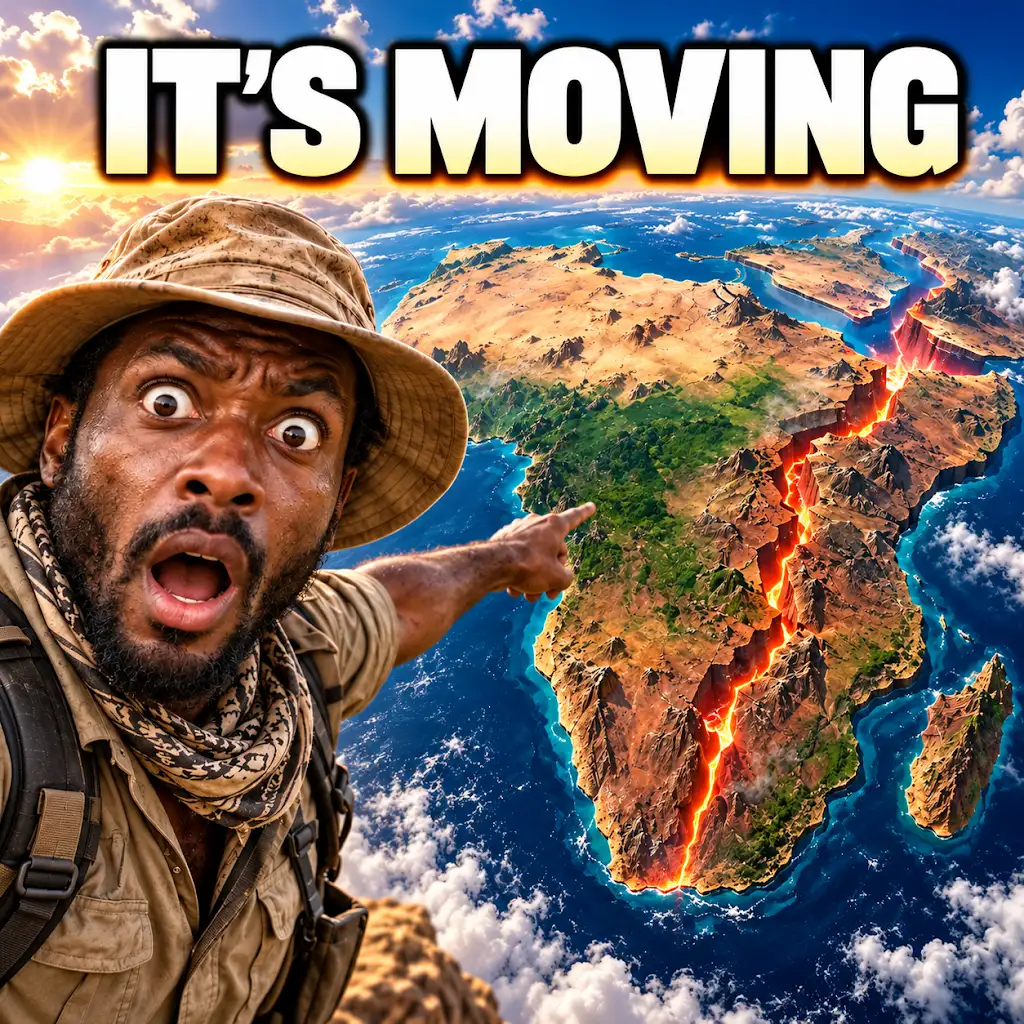
The Afar Depression, located at the junction of the Arabian, Nubian, and Somali tectonic plates, is a region of extraordinary geological activity. It is one of the few places on Earth where continental rifting is actively occurring, essentially a continent being pulled apart from within. This relentless tectonic stretching thins the lithosphere, the rigid outer layer of the Earth, allowing molten rock from the mantle to rise closer to the surface. The result is a landscape unlike any other, characterized by vast volcanic plains, active volcanoes, deep rift valleys, and a pervasive sense of geological dynamism. Understanding the magma beneath Afar is not merely an academic pursuit; it is fundamental to deciphering how continents break apart, how new ocean basins form, and the ultimate fate of our planet’s lithosphere.
Tectonic Plates in Motion
The Afar Depression is a triple junction, a rare geological configuration where three major tectonic plates meet. This convergence of fault lines creates immense stress within the Earth’s crust, leading to widespread fracturing and thinning. The Arabian Plate is pulling away from Africa, while the Somali Plate is separating from the Nubian Plate. This complex interplay of forces acts like a giant terrestrial vice, squeezing and stretching the lithosphere, creating conduits for magma to ascend. The continuous movement and interaction of these plates are the primary drivers of the region’s intense volcanic and seismic activity, making Afar a living laboratory for studying plate tectonics in action.
A Window into Continental Breakup
The ongoing rifting in Afar provides a unique opportunity to observe the initial stages of continental breakup. Scientists can witness the gradual weakening and eventual separation of continental crust, a process that, over millions of years, leads to the formation of new oceanic crust. The magma that erupts in Afar is a direct consequence of this thinning lithosphere. As the crust stretches, decompression melting occurs in the underlying mantle, generating magma that then rises to the surface. Studying the composition and behavior of this magma allows researchers to reconstruct the thermal and chemical conditions within the mantle and to understand the fundamental mechanisms that drive the Earth’s dynamic surface.
Geodetic Measurements: Tracking the Earth’s Pulse
Precise measurements of ground deformation, using techniques like GPS and InSAR (Interferometric Synthetic Aperture Radar), have revolutionized our understanding of Afar’s tectonics. These geodetic data reveal subtle but significant movements of the Earth’s surface, indicating the stretching and fracturing of the crust. By tracking these movements, scientists can pinpoint areas of magma accumulation and infer the flow paths of molten rock beneath the surface. The deformation patterns observed in Afar are directly linked to the upwelling of mantle material and the generation of magma, providing a tangible connection between the deep Earth and the visible geological processes.
Recent studies have revealed intriguing insights into the magma dynamics beneath the Afar Depression, a geologically active region known for its unique tectonic features. For a deeper understanding of the geological processes at play, you can explore a related article that discusses the implications of these findings on volcanic activity and tectonic movements in the area. To read more, visit this article.
Magma Composition: A Recipe from the Earth’s Depths
The magma that erupts in Afar is not a uniform substance; its composition varies depending on the specific geological setting and the depth from which it originates. Analyzing these chemical variations provides invaluable insights into the thermal and chemical evolution of the mantle beneath the region. The Afar rift system is particularly interesting because it is influenced by a mantle plume, a superheated upwelling of rock from the Earth’s deep interior. This plume plays a significant role in heating the mantle, leading to increased magma generation and influencing the type of volcanic activity observed.
Basaltic Melts and Mantle Plumes
The dominant magma type in Afar is basalt, a volcanic rock formed from the rapid cooling of molten lava. However, the basalts in Afar exhibit distinct geochemical signatures that point to the influence of a mantle plume. These plumes are thought to originate from the core-mantle boundary, bringing hot, chemically distinct material closer to the surface. The Afar plume is believed to be one of the most significant in the world, contributing to the region’s extreme volcanism. Studying the isotopic ratios and trace element concentrations in Afar’s basalts allows scientists to trace the origins of the magma and to understand the thermal and chemical anomalies associated with the plume.
Fractional Crystallization and Magma Evolution
As magma ascends from the mantle and experiences changes in pressure and temperature, it undergoes a process called fractional crystallization. During this process, minerals crystallize and settle out of the molten rock at different temperatures. This alters the chemical composition of the remaining liquid magma, leading to the formation of more silica-rich magmas. While basalts are the primary eruptive product in Afar, evidence of more evolved magmas, such as rhyolites, can also be found, particularly in areas of more prolonged and intense magmatic activity. Understanding these evolutionary pathways helps to explain the diversity of volcanic products observed and the complex plumbing systems beneath the volcanoes.
Water and Volatiles: The Driving Force of Eruptions
The presence of dissolved gases, or volatiles, such as water, carbon dioxide, and sulfur dioxide, plays a crucial role in the generation and eruption of magma. As magma rises towards the surface, the pressure decreases, causing these volatiles to exsolve, or come out of solution, forming bubbles. This exsolution process can significantly reduce the density of the magma and drive it upwards, leading to explosive eruptions. In Afar, the abundance of these volatiles in the magma contributes to the frequent and sometimes violent volcanic activity. Studying the volatile content of Afar’s magmas provides insights into the eruption styles and the potential hazards associated with volcanic activity in the region.
Volcanic Activity: A Fiery Spectacle
The Afar region is a hotbed of volcanic activity, with numerous active volcanoes and vast lava fields attesting to its fiery past and present. The ongoing rifting creates pathways for magma to reach the surface, leading to a continuous cycle of eruptions, lava flows, and the formation of new volcanic landforms. Observing and monitoring this activity is essential for understanding the dynamics of magma ascent and eruption, as well as for assessing the associated risks to human populations and infrastructure.
Active Volcanoes and Rift Zones
Afar is home to several prominent volcanoes, including Erta Ale, a basaltic shield volcano renowned for its persistent lava lake, and the Dallol volcanic area, which features an otherworldly landscape of colorful hydrothermal deposits and sulfurous fumaroles. These volcanoes are located along the rift segments, directly above areas where the Earth’s crust is being pulled apart. The magma feeding these volcanoes is derived from the upwelling mantle material, facilitated by the extensive fault systems that dissect the region. The continuous eruptions and effusive lava flows in Afar are a direct manifestation of the immense volumes of magma generated by the thinning lithosphere and the influence of the Afar mantle plume.
Lava Flows and Volcanic Landforms
The landscape of Afar is dominated by extensive lava flows, blanketing vast plains and creating rugged terrains. These flows, primarily basaltic in nature, vary in their texture and composition depending on the cooling rate and the specific eruptive event. Over time, repeated eruptions have built up volcanic cones, craters, and shield volcanoes, shaping the distinctive topography of the region. The study of these lava flows provides a geological record of past volcanic activity, allowing scientists to reconstruct eruption histories, estimate eruption volumes, and understand the long-term magmatic processes at play.
The Role of Hydrothermal Systems
Beyond effusive lava flows, Afar is also characterized by dynamic hydrothermal systems. These systems are driven by the heat from shallow magma bodies, which heats groundwater, creating geysers, hot springs, and fumaroles. The colorful mineral deposits, often rich in sulfur, are a striking feature of areas like Dallol. These hydrothermal areas are not only visually stunning but also provide valuable insights into the interaction between magma, water, and the Earth’s crust. Studying the chemical composition of the fluids and gases emitted from these systems can reveal information about the temperature, pressure, and chemical environment within the shallow subsurface.
Unraveling Earth’s Dynamics: Scientific Endeavors in Afar
The unique geological setting of Afar makes it a prime location for scientific research aimed at understanding the fundamental processes that shape our planet. Geologists, geophysicists, and geochemists from around the world converge on this region to collect data, conduct experiments, and develop new models of Earth’s interior. The insights gained from studying Afar have far-reaching implications for our understanding of plate tectonics, volcanic hazards, and the Earth’s thermal evolution.
Geophysical Surveys: Peering into the Subsurface
A variety of geophysical techniques are employed in Afar to probe the subsurface and understand the distribution and movement of magma. Seismic surveys, which involve generating and recording seismic waves, can reveal the presence of magma chambers and the structure of the crust. Gravity and magnetic surveys provide complementary information about the density and magnetic properties of subsurface materials, helping to delineate volcanic structures and identify areas of magma accumulation. These geophysical tools allow scientists to create detailed 3D models of the subsurface, revealing the intricate plumbing systems that connect the mantle to the surface.
Geochemical Analysis: Fingerprinting the Magma
The chemical analysis of volcanic rocks and gases collected in Afar is a cornerstone of research in the region. By determining the elemental and isotopic composition of these samples, scientists can fingerprint the origin of the magma, track its evolution as it rises, and infer the thermal and chemical conditions of the mantle source. Techniques such as mass spectrometry are used to measure the abundance of various elements and isotopes, providing a detailed chemical fingerprint of the magmatic system. This information is crucial for understanding the role of the Afar mantle plume and the processes of partial melting and fractional crystallization.
Paleomagnetism: Reading Earth’s Magnetic History
The volcanic rocks of Afar, when they cool, lock in the Earth’s magnetic field at the time of their formation. This phenomenon, known as paleomagnetism, allows scientists to reconstruct the past orientation and intensity of the Earth’s magnetic field. In Afar, paleomagnetic studies are particularly valuable for dating volcanic eruptions and understanding the rate of tectonic spreading. By analyzing the magnetic signatures in different lava flows, researchers can create a detailed timeline of volcanic activity and measure the rate at which the tectonic plates are pulling apart, offering a direct link to Earth’s dynamic history.
Recent studies have shed light on the intriguing geological features of the Afar Depression, particularly focusing on the magma that lies beneath its surface. This region, known for its unique tectonic activity, has been the subject of extensive research, revealing insights into the processes that shape our planet. For a deeper understanding of the geological dynamics at play, you can explore a related article that discusses the implications of this magma on the surrounding environment and its potential impact on volcanic activity. To read more about this fascinating topic, visit this article.
Implications and Future Directions: Towards a Deeper Understanding
| Metric | Value | Unit | Notes |
|---|---|---|---|
| Depth of Magma Chamber | 10-15 | km | Estimated depth beneath surface |
| Temperature of Magma | 1200-1300 | °C | Typical basaltic magma temperature |
| Magma Volume | Several cubic kilometers | km³ | Estimated volume of magma reservoir |
| Magma Composition | Basaltic | – | Dominant magma type in Afar Depression |
| Seismic Activity | High | – | Indicative of magma movement |
| Volcanic Eruption Frequency | Every few decades | – | Historical eruption intervals |
| Crustal Thickness | 20-25 | km | Thinner than average continental crust |
The ongoing research in Afar not only enhances our understanding of this specific region but also has profound implications for broader Earth science. The insights gained from studying the magma beneath Afar contribute to our understanding of global plate tectonics, the formation of new oceans, and the potential for volcanic hazards. The future of research in Afar promises even greater discoveries as new technologies and analytical techniques become available.
Understanding Global Plate Tectonics
The processes occurring in Afar are a microcosm of the larger forces that drive plate tectonics globally. By studying the rifting and magma generation in this active zone, scientists can refine their models of how continents break apart and how new oceanic crust is formed at mid-ocean ridges. The Afar region serves as a terrestrial analogue for processes occurring beneath the oceans, providing invaluable data that helps to understand the dynamic behavior of the Earth’s lithosphere on a planetary scale.
Assessing Volcanic Hazards
Afar is a seismically and volcanically active region, posing potential risks to nearby communities. By understanding the behavior of the magma beneath the surface, the frequency and style of eruptions, and the dynamics of the rift system, scientists can improve volcanic hazard assessments. This information is crucial for developing early warning systems, implementing effective disaster preparedness plans, and mitigating the impact of future volcanic events. The continuous monitoring of seismic activity, ground deformation, and gas emissions in Afar provides essential data for these hazard assessments.
The Search for Extraterrestrial Analogues
The unique geological conditions in Afar, particularly its volcanism and rift valleys, offer valuable insights into processes that may occur on other planets. Scientists study Afar as a potential analogue for the volcanic and tectonic activity on planets like Mars or Venus, where direct observation of subsurface processes is impossible. Understanding how magma behaves and shapes the surface in an environment similar to early Earth can help in the interpretation of data from extraterrestrial missions and in the search for signs of past or present life beyond our planet. The ongoing exploration of Afar continues to unveil the secrets of our planet’s fiery heart, offering a compelling glimpse into the forces that sculpt the Earth and the potential for geological processes elsewhere in the cosmos.
Africa Is Splitting Apart — And a New Ocean Could Be Next
FAQs
What is the Afar Depression?
The Afar Depression is a geological depression in the Horn of Africa, located at the junction of the African, Arabian, and Somali tectonic plates.
What is magma?
Magma is molten rock beneath the Earth’s surface. It can sometimes rise to the surface through volcanic eruptions, creating lava flows.
How is magma detected beneath the Afar Depression?
Scientists use various techniques such as seismology, satellite imagery, and ground deformation monitoring to detect the presence of magma beneath the Afar Depression.
Why is the presence of magma beneath the Afar Depression significant?
The presence of magma beneath the Afar Depression indicates ongoing tectonic activity and potential volcanic eruptions in the region, which can have implications for geological studies and hazard assessments.
Is there a risk of volcanic eruptions in the Afar Depression due to the presence of magma?
While the presence of magma indicates volcanic activity, it does not necessarily mean an imminent eruption. Monitoring and studying the magma beneath the Afar Depression helps scientists better understand the region’s geology and potential volcanic hazards.