The Centralia, Pennsylvania evacuation stands as a stark and poignant testament to the devastating consequences of uncontrolled subterranean fires. Once a thriving coal mining town, Centralia now exists as a ghost town, a haunting landscape scarred by the very industry that fueled its prosperity. The decision to evacuate its residents was not a sudden whim, but a protracted and agonizing process, born from the slow, insidious creep of a subterranean inferno that transformed a bustling community into a symbol of abandonment.
The story of Centralia’s demise began, ironically, with a seemingly minor event: a garbage fire. In May 1962, workers at the Centralia landfill, located near an abandoned anthracite coal mine, attempted to clean up the site. Their chosen method involved burning the refuse, a common practice at the time. However, this seemingly routine operation had unforeseen and catastrophic consequences. The fire, intended to be contained within the landfill, found an easier path – a fissure in the earth that connected directly to the labyrinthine network of underground mine shafts.
The Mine Fire’s Insidious Beginnings
The abandoned mines of Centralia were a relic of a bygone era, a testament to the town’s rich mining heritage. For decades, these mines had been the lifeblood of the community, providing employment and sustenance for generations of families. However, the closure of the mines in the mid-20th century left behind a dangerous legacy: vast underground caverns filled with combustible coal dust and volatile gases, all waiting for a spark. The landfill fire provided that spark, igniting the exposed coal seams deep beneath the surface.
The Slow Burn and Unforeseen Consequences
What began as a smoldering fire in the landfill quickly spread to the interconnected mine shafts. The vastness of the underground network meant that the fire had an almost inexhaustible fuel source. Unlike a surface fire, this subterranean inferno was largely invisible, its progress marked only by subtle but increasingly alarming signs. The initial realization of the severity of the situation dawned slowly, as residents began to notice unusual heat emanating from the ground, the appearance of fissures, and the emission of noxious gases. The town’s infrastructure, built upon this volatile subterranean foundation, was gradually being compromised.
The evacuation of Centralia, Pennsylvania, due to the underground coal fire that has been burning since 1962, has drawn significant attention over the years. For those interested in exploring the impact of this unique situation on the community and its residents, a related article can be found at this link. This article delves into the history of Centralia, the reasons behind the evacuation, and the ongoing challenges faced by the remaining inhabitants.
The Unseen Enemy: A Growing Threat
As the years passed, the underground fire continued its relentless march, an unseen enemy consuming the very earth beneath Centralia. The initial attempts to combat the blaze proved futile. The scale of the problem, coupled with the inaccessibility of the burning seams, made traditional firefighting methods largely ineffective. The danger to the town’s residents became increasingly apparent, forcing authorities to confront the grim reality that Centralia’s future was in peril.
Early Warnings and Ineffective Solutions
By the late 1970s and early 1980s, the signs of the fire’s impact were undeniable. Paved roads buckled and cracked, emitting plumes of smoke and steam. Sinkholes, some large enough to swallow vehicles, began to appear with alarming frequency. The air quality within the town deteriorated significantly due to the constant release of toxic gases, including carbon monoxide and sulfur dioxide. Public health concerns escalated, as residents reported respiratory problems and other ailments. Numerous studies and engineering attempts were undertaken to extinguish or contain the fire, including drilling boreholes to flood shafts, digging trenches to create firebreaks, and injecting materials like fly ash. However, these efforts proved to be expensive, temporary, and ultimately unsuccessful in their long-term objectives. The fire was too deep, too widespread, and too resilient.
The Escalating Danger to Residents
The physical manifestations of the fire directly impacted the daily lives of Centralia’s inhabitants. Children were warned not to play in certain areas, schools experienced disruptions, and the fear of a sudden and catastrophic collapse became a constant undercurrent. The ground beneath their homes was literally burning, a terrifying and deeply unsettling reality. The constant presence of smoke and gas also posed a significant health risk, forcing many to keep their windows sealed and limiting their outdoor activities. The idyllic charm of a small mining town was being steadily eroded by the suffocating presence of the underground inferno.
The Agonizing Decision: A Town Under Threat
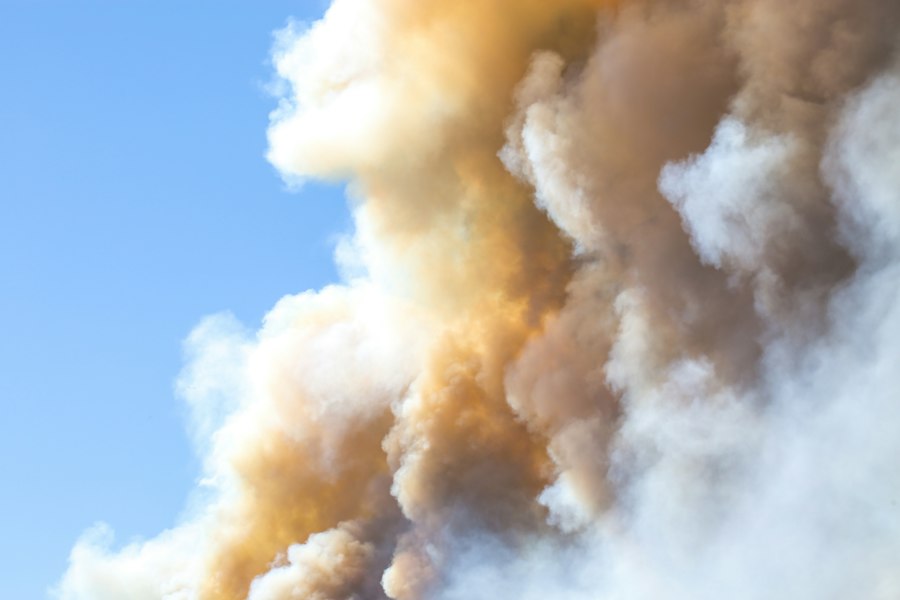
The escalating danger and the failure of containment efforts led to an inevitable and heart-wrenching conclusion: Centralia could no longer be a safe place to live. The decision to relocate the town’s residents was a monumental undertaking, fraught with legal battles, emotional turmoil, and the loss of cherished homes and a way of life.
The Federal Intervention and the Relocation Plan
By the early 1980s, the federal government, through the newly formed Office of Surface Mining Reclamation and Enforcement (OSMRE), recognized the severity of the Centralia mine fire and its impact on public safety. After years of studies, meetings, and failed attempts at mitigation, a comprehensive relocation plan was drafted. This plan aimed to provide financial assistance and new housing to the residents of Centralia, allowing them to leave the increasingly dangerous town. The process was initiated through eminent domain, a controversial yet necessary step to facilitate the mass exodus.
Legal Battles and Emotional Resistance
The government’s relocation plan was met with a mixture of relief and fierce resistance from many Centralia residents. While some were eager to escape the dangers, many others were deeply attached to their homes, their community, and their heritage. They had lived in Centralia for generations, their families woven into the fabric of the town. Legal battles ensued as residents fought against the eminent domain process, seeking to preserve their properties and their right to remain. These were not simply disputes over land; they were fights for identity and belonging. Many residents felt a profound sense of betrayal, having invested their lives and labor into a town that was now being abandoned due to a problem created by the very industry that had once sustained them.
The Exodus: A Town Emptied
The process of emptying Centralia was a gradual and sorrowful one. As residents accepted the government buyouts and found new homes elsewhere, the town began to hollow out. Streets that once bustled with activity became eerily silent, homes were boarded up, and businesses closed their doors. The vibrant community slowly transformed into a collection of abandoned structures, a haunting reminder of what once was.
The Buyouts and the Scattering of a Community
The federal government offered substantial buyouts to Centralia residents, encouraging them to relocate. While the financial compensation eased the transition for some, it did little to mend the emotional wounds. Families were scattered, friendships were strained, and the sense of shared community began to dissolve. The once-familiar faces disappeared from the streets, replaced by the vacant stares of empty houses. The social infrastructure that held Centralia together – the local church, the school, the community center – gradually ceased to function as its inhabitants moved away.
The Ghost Town Emerges: A Landscape of Absence
As more and more residents departed, Centralia began to resemble a ghost town. Homes were left to decay, overgrown yards became encroaching wilderness, and the once-familiar sounds of daily life were replaced by the unsettling quiet. The remnants of the town served as stark visual evidence of the fire’s destructive power. Graffiti began to appear on boarded-up buildings, and the town became a curious, albeit somber, tourist destination for those interested in its unique story of abandonment. The process of emptying was a slow bleed, each departing resident taking a piece of Centralia’s soul with them.
The evacuation of Centralia, Pennsylvania, has been a significant topic of discussion due to the ongoing underground coal fire that has rendered the town nearly uninhabitable. For those interested in learning more about the history and impact of this unusual situation, a related article can provide valuable insights. You can explore the details further in this informative piece on the subject, which can be found here. This article delves into the reasons behind the evacuation and the long-term effects on the community, shedding light on a unique chapter in American history.
The Lingering Embers: A Town’s Unfinished Story
| Year | Population | Reason for Evacuation |
|---|---|---|
| 1984 | 1,000+ | Underground coal mine fire |
| 1992 | 63 | Remaining residents ordered to evacuate |
| 2013 | 7 | Final residents forced to leave |
Even after the last residents departed, the subterranean fire continued to burn, a silent testament to the ongoing environmental crisis. The physical landscape of Centralia bears the scars of this persistent inferno, a constant reminder of the town’s tragic fate. The story of Centralia is far from over; it is a living lesson in the complex interplay between human activity, industrial legacy, and environmental consequences.
The Unquenchable Fire and the Scarred Landscape
Today, Centralia remains largely abandoned, a shadow of its former self. The underground fire continues to smolder, its progress slowed but not extinguished. The landscape is marked by fissures, steam vents, and the occasional eerie plume of smoke rising from the earth. The once-prominent state route 61, which ran directly through the town, was rerouted in the 1990s to bypass the most dangerous areas, leaving sections of the old road as a crumbling monument to the town’s former life. The few remaining structures are often boarded up or have been demolished, and nature is slowly reclaiming the land.
A Cautionary Tale for the Future
The Centralia, Pennsylvania evacuation serves as a powerful cautionary tale. It highlights the long-term and often unforeseen consequences of industrial activities, particularly those involving the extraction of natural resources. The town’s story underscores the importance of thorough environmental assessments, responsible land management, and proactive measures to address potential hazards. It is a somber reminder that the earth’s capacity to absorb human impact is not limitless, and that the consequences of neglecting these limits can be devastating, leaving behind ghost towns and a lingering legacy of what might have been. The ashes of Centralia continue to speak, a silent echo of a community lost to the earth’s hidden fires.
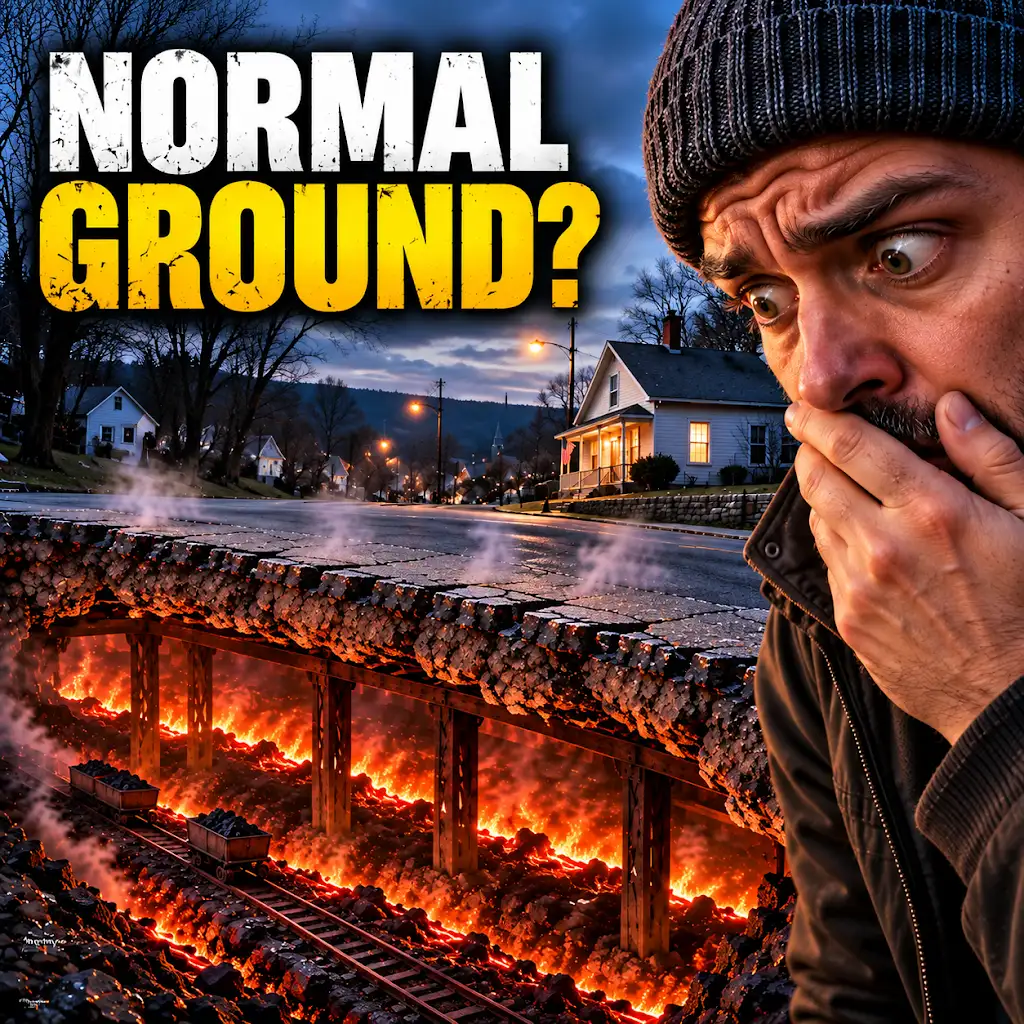
Why Was Moving Centralia Easier Than Putting Out Its Fire?
FAQs
What is the history of Centralia, Pennsylvania?
Centralia, Pennsylvania was once a thriving coal mining town, but in 1962, a fire in the town’s coal mines ignited and has been burning underground ever since. This fire led to the eventual evacuation of the town due to the health and safety risks posed by the ongoing underground fire.
When was the evacuation of Centralia, Pennsylvania initiated?
The evacuation of Centralia, Pennsylvania began in the 1980s, as the ongoing underground coal mine fire created dangerous levels of carbon monoxide and subsidence, leading to the decision to relocate residents for their safety.
How many residents were affected by the evacuation of Centralia, Pennsylvania?
The town of Centralia, Pennsylvania had a population of over 1,000 residents at its peak, but by the time the evacuation was initiated, only a few hundred residents remained. The majority of these residents were eventually relocated, and the town’s population dwindled to just a handful of people.
Is Centralia, Pennsylvania still inhabited today?
As of today, only a few residents remain in Centralia, Pennsylvania, and the town is largely abandoned. Most of the buildings have been demolished, and the town is now mostly known for the ongoing underground coal mine fire and the eerie landscape it has created.
What are the health and safety risks associated with the Centralia, Pennsylvania coal mine fire?
The ongoing underground coal mine fire in Centralia, Pennsylvania has led to dangerous levels of carbon monoxide and subsidence, posing serious health and safety risks to residents. The fire has also caused the ground to become unstable, leading to the collapse of roads and buildings in the area.