
Centralia, Pennsylvania, a town once bustling with the echoes of coal mining and a vibrant community spirit, now presents a unique and, for some, an unexpected relocation opportunity. The story of Centralia is a dramatic one, marked by a subterranean inferno that has been burning beneath the town since 1962, forcing its gradual and ultimately near-complete abandonment. However, this narrative of decline has also birthed a peculiar set of circumstances that, for those seeking an unconventional living arrangement, could be seen as an opportunity. The town’s unique situation, its history, and the very nature of its slow demise have created a landscape that is both poignant and, in its own way, full of potential for a different kind of future. This is not a typical move to a thriving suburb or a picturesque country village. Instead, Centralia offers a chance to inhabit a place wrestling with its past, a place where the very ground beneath your feet is a living, breathing (or rather, burning) testament to history. It is an opportunity for those who are not deterred by the extraordinary, but rather drawn to it.
The story of Centralia is inextricably linked to its geological reality. Nestled in the heart of Pennsylvania’s anthracite coal region, the town’s very existence was predicated on the riches beneath its surface. For decades, mining was the lifeblood of Centralia, providing employment, fostering community, and shaping the town’s identity. However, this dependence proved to be its undoing. The relentless extraction of coal left behind a network of subterranean tunnels, a veritable labyrinth of forgotten arteries. It was within this unstable subterranean architecture that the seeds of Centralia’s demise were sown.
The Genesis of the Blaze: An Unforeseen Catastrophe
The exact spark that ignited the Centralia mine fire remains a subject of historical debate, though the most widely accepted narrative points to a mishap during the summer of 1962. A local landfill, located near an abandoned mine shaft, was set alight as part of an Independence Day cleanup effort. The intention was to burn away refuse, but the fire, fueled by the exposed coal seams and a steady supply of oxygen seeping into the mine, proved to be far more persistent and insidious than anyone could have imagined. What began as a localized blaze quickly spread, consuming the vast network of underground tunnels and igniting the coal seams themselves. The underground inferno was born, and with it, the slow, agonizing end of Centralia began.
The Unrelenting Spread: A Silent, Devouring Enemy
The fire’s initial spread was gradual, almost imperceptible. Residents might have noticed an unusual warmth emanating from the ground, or the faint smell of sulfur. However, as weeks turned into months and months into years, the true nature of the threat became terrifyingly apparent. The fire, now burning deep within the earth, began to consume the very foundations of the town. Sinkholes, some of them massive and gaping, started to appear, swallowing streets, homes, and even parts of the local cemetery. The air quality deteriorated, with noxious gases and smoke seeping to the surface. The once-familiar landscape of Centralia became a dangerous and unpredictable terrain.
The Slow Evacuation: A Community’s Heartbreak
As the dangers escalated, so too did the efforts to evacuate the town. Government agencies, faced with an unprecedented environmental and safety crisis, began to implement a buyout program. The intention was to relocate residents to safer areas, to offer them a chance at a new life away from the encroaching flames. This process was not immediate, nor was it without its emotional toll. Generations of families had called Centralia home, their lives intertwined with its streets and its history. The forced relocation was a profound disruption, a tearing apart of a community that had endured and thrived for so long. Many residents, despite the growing dangers, were reluctant to leave their ancestral homes, clinging to the familiar until the very last moment.
If you’re interested in the unique story of Centralia, Pennsylvania, and the ongoing relocation efforts due to the underground coal fire, you might find this article insightful: Centralia, Pennsylvania: A Town Abandoned by Fire. This piece delves into the history of the town, the challenges faced by its residents, and the impact of the fire that has led to its near-total abandonment. It’s a compelling read for anyone looking to understand the complexities surrounding the relocation of Centralia’s remaining inhabitants.
The Unique Environment: A Landscape Transformed
Centralia today is a ghost town, a stark reminder of what was. Yet, it is also a place transformed by the very forces that sought to destroy it. The mine fire has sculpted the landscape into something entirely new, creating an environment that is both eerie and strangely beautiful. For those considering a relocation, understanding this altered environment is crucial. It is a place where nature, in its most primal and powerful form, has reclaimed the land, albeit in a very unusual way.
The Eerie Glow: A Spectacle of Nature’s Fury
The most visually striking aspect of Centralia’s transformed landscape is the perpetual glow emanating from the earth. In many areas, the underground fire vents smoke and steam, creating an ethereal spectacle, especially at night. This phenomenon, while a constant reminder of the underlying danger, has also become a bizarre tourist attraction. The glow, often a deep orange or red, paints the surrounding fog and mist with an otherworldly hue. It is a visual testament to the immense heat and energy contained within the earth.
The Sinkhole Landscape: A Geological Hazard and a Curious Feature
The rampant sinkholes are perhaps the most significant physical manifestation of the mine fire’s impact. These gaping chasms, some large enough to swallow entire buildings, punctuate the landscape. While undeniably dangerous, they also contribute to the town’s unique and unsettling aesthetic. Certain areas have been cordoned off entirely due to the instability of the ground. However, in other parts of the town, particularly where the fire’s activity has subsided or is less intense, the sinkholes have become a part of the surreal scenery.
The Abandoned Infrastructure: Relics of a Bygone Era
Centralia is littered with the remnants of its former life. Abandoned homes, their windows broken and their paint peeling, stand as silent sentinels. Roads, once bustling with traffic, now snake through overgrown fields, leading to nowhere. The skeletal remains of businesses and public buildings are scattered throughout the town. This abandoned infrastructure creates a profound sense of history and melancholy. For a relocated individual, these structures offer a tangible connection to the past, a silent narrative of lives once lived.
The Relocation Opportunity: Beyond the Conventional
The idea of relocating to Centralia might seem, at first glance, preposterous. However, for a specific type of individual, it presents a unique set of advantages and a compelling lifestyle choice. This is not about finding a starter home or a family-friendly neighborhood in the traditional sense. It is about embracing the extraordinary, about finding value in solitude, history, and a radical departure from the norm.
Property Acquisition: A Different Kind of Real Estate
Due to the town’s near-abandonment and the ongoing federal buyouts, property acquisition in Centralia operates under a unique set of circumstances. Many of the original residents sold their homes to the government, and the land ownership is now largely consolidated. However, some properties remain in private hands, or have been reacquired by individuals. The cost of such properties, if available, is often significantly lower than in surrounding areas. This offers a rare opportunity for individuals seeking land ownership at a fraction of the usual price. However, it is crucial to understand the legal and practical implications of acquiring property in a town actively impacted by a subterranean fire. Due diligence is paramount.
Embracing Solitude and Seclusion: A Haven for the Independent
For those who crave an extreme level of privacy and solitude, Centralia offers an unparalleled environment. The vast majority of the town is uninhabited, leaving large swathes of land virtually untouched. This isolation can be a profound draw for artists, writers, researchers, or anyone seeking to escape the noise and demands of modern society. The quietude is absolute, broken only by the sounds of nature and, perhaps, the subtle whispers of the earth.
A Canvas for Visionaries: Reimagining a Town
Centralia presents a blank canvas for those with a visionary spirit. While the dangers of the mine fire must be carefully considered and mitigated, the sheer expanse of available land and the low cost of acquisition could allow for ambitious projects. This could range from sustainable living experiments to artistic installations, or even the creation of a unique, self-sufficient community. The town’s history and its unusual circumstances provide a compelling backdrop for those who wish to build something entirely new, something that challenges conventional notions of community and development.
Considerations for the Prospective Resident: Navigating the Unconventional
Relocating to Centralia is not a decision to be taken lightly. It requires a deep understanding of the town’s history, its present realities, and a willingness to embrace the unconventional. Potential residents must conduct thorough research and consider a multitude of factors before making any commitments.
Safety First: Understanding the Risks and Mitigation Strategies
The primary concern for any potential resident is safety. The mine fire, while largely contained in terms of immediate, widespread destruction, still poses localized risks. Sinkholes can develop suddenly, and pockets of toxic gases may be present. Thorough geological surveys and ongoing monitoring are essential. Prospective residents must be aware of these risks and implement appropriate safety measures. This may involve avoiding certain areas, utilizing air quality monitors, and understanding evacuation routes in case of an emergency. Professional advice from geologists and environmental safety experts is highly recommended.
Infrastructure and Amenities: A Question of Self-Sufficiency
Centralia, as a ghost town, lacks the conventional infrastructure and amenities found in most populated areas. Electricity, water, and sewage systems are either non-existent or unreliable in many parts of the town. This necessitates a high degree of self-sufficiency. Prospective residents should be prepared to install their own power sources (solar, generators), water systems, and waste management solutions. Access to essential services like healthcare, grocery stores, and educational institutions will also require travel to nearby towns.
Legal and Regulatory Landscape: Navigating a Unique Situation
The legal and regulatory framework surrounding property ownership and residency in Centralia is complex and evolving. The ongoing federal buyouts have significantly altered land ownership patterns. Prospective residents must thoroughly research existing property deeds, zoning regulations (if any still apply), and any governmental restrictions or requirements. Consulting with legal professionals specializing in real estate and environmental law in Pennsylvania is crucial to ensure a smooth and lawful transition. Understanding the long-term implications of living in a federally designated disaster area is also important.
For those considering a move away from Centralia, Pennsylvania, it’s essential to explore various options and resources that can aid in the relocation process. A helpful article that discusses the challenges and opportunities of relocating from this unique area can be found at this link. It provides insights into the factors that influence such a decision, making it a valuable read for anyone contemplating a fresh start.
The Future of Centralia: A Slow Burn of Hope
| Metrics | Data |
|---|---|
| Population of Centralia | 10 (as of 2017) |
| Estimated cost of relocation | Varies depending on individual circumstances |
| Reasons for relocation | Underground mine fire, health concerns, government buyouts |
| Available housing options | Limited due to abandoned properties |
| Environmental impact | Continued underground fire, air pollution, land subsidence |
The story of Centralia is not yet fully written. While the mine fire continues its slow burn, there is a burgeoning interest in the town’s unique potential. The narrative is shifting from one of tragedy to one of reinvention, albeit in a highly unconventional manner. For those who are drawn to its history, its solitude, and its stark beauty, Centralia offers a relocation opportunity unlike any other. It is a chance to become part of a living historical monument, to carve out a unique existence in a place where the past is ever-present, and the future, though uncertain, holds the promise of a different kind of dawn. The opportunity lies not in the revival of its former glory, but in the creation of something entirely new, built upon the ashes and the enduring spirit of a town that refuses to be entirely forgotten.
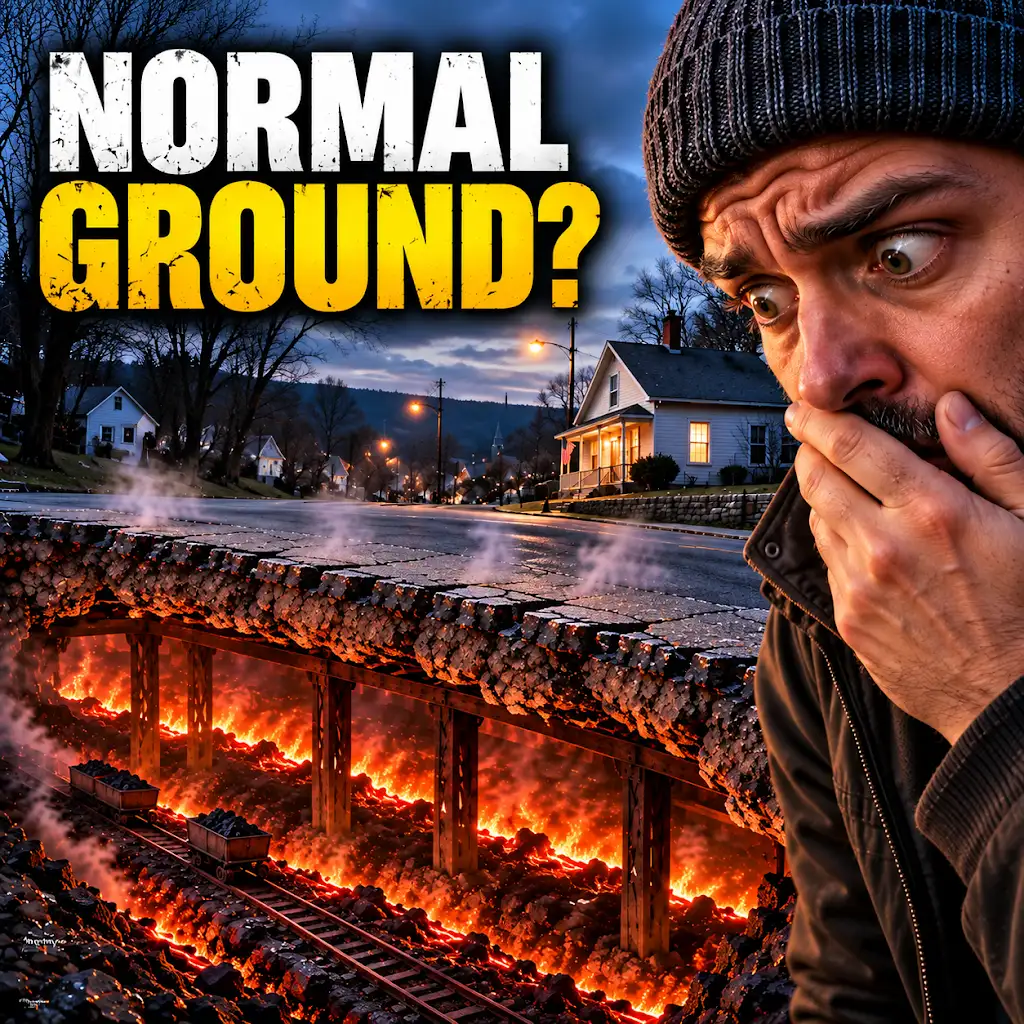
Why Was Moving Centralia Easier Than Putting Out Its Fire?
FAQs
What is the history of Centralia, Pennsylvania?
Centralia, Pennsylvania was once a thriving coal mining town, but in 1962, a fire in the underground coal mines ignited and has been burning ever since. The fire caused the town to be abandoned due to unsafe conditions.
Is it safe to live in Centralia, Pennsylvania?
No, it is not safe to live in Centralia, Pennsylvania due to the ongoing underground coal mine fire. The fire has caused the ground to become unstable and has released toxic gases, making the area hazardous for human habitation.
Is there a relocation plan for the residents of Centralia, Pennsylvania?
Yes, the government initiated a relocation plan for the residents of Centralia, Pennsylvania in the 1980s. Most of the residents accepted buyout offers and moved to nearby towns, and the town was condemned.
What is the current status of Centralia, Pennsylvania?
Centralia, Pennsylvania is mostly abandoned, with only a few residents remaining. The town’s infrastructure has deteriorated, and the area is now mostly covered in graffiti and overgrown vegetation.
Can the underground coal mine fire in Centralia, Pennsylvania be extinguished?
Efforts to extinguish the underground coal mine fire in Centralia, Pennsylvania have been unsuccessful. The fire is estimated to continue burning for several more centuries.