Centralia’s existence today is a testament to resilience, adaptation, and a peculiar form of spectral charm. Once a thriving coal mining town, its identity is now inextricably linked to the subterranean mine fire that began in 1962, a slowly burning ember that has reshaped its landscape and its future. This article offers a modern snapshot of Centralia, exploring its current population, the enduring impact of the fire, the unique community that remains, and the ongoing narrative of a town literally consumed from below.
Centralia’s story is one of dramatic decline, a stark contrast to its more vibrant past. In its heyday, the town pulsed with the energy of a community built around the rich anthracite coal veins that lay beneath its soil. Thousands of miners, their families, and a diverse workforce that supported the industry called Centralia home. The streets bustled with commerce, schools were filled with children, and the mines themselves were the lifeblood of the region, fueling not only the local economy but also a significant portion of the nation’s energy needs.
The Golden Age of Coal
The late 19th and early 20th centuries marked Centralia’s golden age. The discovery and subsequent exploitation of vast coal deposits transformed a quiet agricultural settlement into a booming industrial center. The sound of coal trains filled the air, and the smoke from the mines was a visible symbol of prosperity. Businesses flourished, catering to the needs of the mining families, and a strong sense of community pride developed, rooted in the hard work and shared risk of the mining profession.
The Unseen Threat Ignites
However, this prosperity was built on a foundation that held a hidden danger. The very resource that brought life to Centralia also contained the seeds of its undoing. An underground mine fire, ignited by a careless act of discarding burning refuse into an abandoned mine shaft, began its slow, inexorable crawl through the labyrinthine network of old tunnels. Initially, the threat was not fully comprehended, perceived as a localized nuisance rather than an existential crisis.
The Gradual Evacuation
As the fire spread and its effects became more pronounced – noxious fumes, ground instability, and the constant threat of subsidence – the town began to grapple with an impossible choice. The federal government, along with state agencies, initiated a phased relocation program in the early 1980s. This process, while intended to safeguard residents, was a deeply traumatic experience for many, forcing them to abandon ancestral homes and the familiar fabric of their lives. The once-proud streets emptied, buildings were condemned and demolished, and a silence began to descend.
Centralia, a once-thriving town in Pennsylvania, has seen its population dwindle to just a handful of residents due to an underground coal fire that has been burning since 1962. For those interested in learning more about the current state of Centralia and its unique history, you can read a related article that provides insights into the town’s past and present. Check it out here: Centralia Population Today.
Centralia’s Current Population: A Quiet Remnant
Today, Centralia’s population is a mere whisper of its former self. The once-vibrant town has shrunk to a fraction of its former size, a testament to the ongoing impact of the mine fire. The remaining residents are a hardy and determined group, choosing to remain in a place that holds profound personal meaning, despite the surrounding desolation and the inherent risks.
The Statistical Reality
The exact number of residents fluctuates, but official estimates consistently place the current population of Centralia at fewer than a dozen individuals. These are not families with young children attending local schools; these are individuals, often long-time residents, who have chosen to stay. This stark statistic underscores the profound demographic shift that has occurred. The town has transitioned from a thriving community to a scattered handful of determined souls.
Who Remains and Why
The individuals who remain in Centralia are primarily older residents who have deep roots in the town. They are individuals who have witnessed its rise and its slow, agonizing fall. Their reasons for staying are multifaceted:
- Nostalgia and History: Many have lived their entire lives in Centralia, their memories inextricably linked to its streets and its people. Leaving would mean severing ties to a rich personal history and the legacy of their families.
- Affection for Place: Despite the fire’s pervasive influence, some residents feel a profound connection to the land and the unique, albeit somber, atmosphere of Centralia.
- Financial or Practical Constraints: For some, relocation may present insurmountable financial or practical challenges, making it more feasible to remain in their existing homes, however precarious their situation.
- A Sense of Belonging: In a strange way, the shared experience of living in Centralia, even with its diminished population, can foster a unique sense of camaraderie among those who choose to stay. They are a small, close-knit group weathering a shared fate.
The Absence of Infrastructure
The dwindling population has, of course, led to the near complete erosion of public infrastructure. Shops, schools, churches, and most municipal services have long since departed. The remaining residents are largely self-sufficient or rely on services from neighboring communities. This lack of amenities further isolates the town, making it a choice for the truly committed, rather than a place for general habitation.
The Enduring Shadow of the Mine Fire
The subterranean inferno is not merely a historical event; it is a living, breathing entity that continues to shape Centralia’s present and future. Its pervasive influence is felt in the landscape, the air, and the very psyche of the town.
A Landscape Transformed
The most visible manifestation of the mine fire is its impact on the physical environment. The ground in and around Centralia is a testament to this ongoing geological upheaval.
- Fissures and Sinkholes: Numerous cracks and fissures scar the earth, some wide enough to swallow vehicles. These are the direct result of the fire consuming underground support structures and the subsequent collapse of the earth above.
- Steam Vents and Smoke: Even today, plumes of steam and smoke can be seen rising from various points across the landscape. These are the visible exhalations of the fire below, a constant reminder of its presence.
- Discolored Earth and Vegetation: Areas affected by the heat and chemicals released from the fire often exhibit unusual discoloration in the soil and stunted or dead vegetation, creating an eerie, alien landscape.
The Invisible Threat: Air Quality
Beyond the visible disruptions, the mine fire poses an ongoing threat to air quality. While major evacuation efforts were driven by concerns for public health, pockets of toxic gases can still be present, particularly in areas closer to active vents.
- Carbon Monoxide and Sulfur Dioxide: The burning coal releases gases like carbon monoxide and sulfur dioxide, which can be harmful if inhaled in significant concentrations.
- Localized Hot Spots: Certain areas may experience localized “hot spots” where the ground temperature is significantly elevated, posing a burn risk.
- Long-Term Health Concerns: While widespread exposure is less of a concern for the few remaining residents due to their awareness and precautions, the potential for long-term health impacts remains a consideration for anyone spending extended periods in the affected zones.
The Economic Stagnation
The mine fire has effectively crippled any prospect of traditional economic development in Centralia. The fear of ground instability, the environmental hazards, and the lack of infrastructure make it an impossible location for businesses to invest in. This economic stagnation is a direct consequence of the fire, perpetuating the town’s decline.
A Community Shaped by Isolation and Resilience
The handful of individuals who remain in Centralia have forged a unique community, bound by shared experience and an extraordinary degree of resilience. Their lives are a testament to the human capacity to adapt and to find meaning even in the most challenging circumstances.
The Nature of Neighborliness
In such a small and isolated community, neighborly bonds are not merely social niceties; they are essential for survival and well-being. The remaining residents often look out for one another, sharing resources, offering assistance, and providing companionship.
- Mutual Support Systems: With limited access to external services, informal support networks have developed. Residents may check on each other, share tasks, or offer practical help when needed.
- A Shared Identity: Living in Centralia creates a powerful shared identity. They are the inheritors of a remarkable, albeit tragic, story, and this commonality fosters a unique sense of belonging.
- The Importance of Connection: In a town that has been largely abandoned, the human connection between the remaining individuals becomes even more vital, providing a sense of continuity and purpose.
Adapting to a Changing Environment
The residents of Centralia have learned to live with the fire, adapting their daily lives to its presence. This adaptation is a continuous process, requiring vigilance and a deep understanding of their unique environment.
- Awareness of Hazards: They possess an intimate knowledge of the safest routes, the areas to avoid, and the subtle signs that indicate potential ground instability or gas emissions.
- Self-Sufficiency: Many residents are highly self-sufficient, relying on wells for water, generators for electricity (if available), and their own gardens for food.
- Cautious Engagement with Visitors: While generally welcoming, their interactions with outsiders are often tempered with caution, aware of the potential for external influence or exploitation.
The Psychological Landscape
Living in a town synonymous with disaster and abandonment inevitably shapes the psychological landscape of its inhabitants.
- A Sense of Detachment: There can be a certain detachment from the outside world, a feeling of being removed from the concerns and preoccupacies of mainstream society.
- Resilience and Acceptance: A profound sense of resilience and acceptance of their unique circumstances is often evident. They have come to terms with their situation and found ways to live meaningful lives within it.
- A Unique Perspective on Life: Their experience offers a unique perspective on the impermanence of things, the importance of community, and the strength of the human spirit.
The population of Centralia, a once-thriving mining town in Pennsylvania, has dwindled significantly over the years due to the underground coal fire that has rendered much of the area uninhabitable. For those interested in learning more about the current state of Centralia and its unique history, you can read a related article that provides insights into the town’s past and present. This article explores the reasons behind the drastic population decline and the ongoing efforts to preserve the remaining aspects of this ghost town. To read more, visit this link.
Centralia’s Future: A Town Beyond Conventional Metrics
| Population | Year |
|---|---|
| 16,660 | 2021 |
The future of Centralia is not measured in population growth, economic expansion, or infrastructure development in the conventional sense. Its narrative is one of preservation, remembrance, and a unique form of enduring existence.
The Persistence of the Fire
The mine fire shows no signs of abating and is expected to burn for centuries to come. This means that the fundamental conditions that led to Centralia’s transformation will persist, shaping its destiny indefinitely.
- An Unstoppable Force: The fire is an unstoppable subterranean force, consuming the coal and the earth with an unhurried, relentless pace.
- Continued Ground Instability: The risk of sinkholes and ground collapse will remain a persistent threat, defining the town’s physical limitations.
- An Unconventional Legacy: Centralia’s legacy will be that of a town that continues to exist, albeit in a drastically altered form, as a direct consequence of this geological anomaly.
The Role of Tourism and History
While not a bustling tourist destination, Centralia attracts a significant number of visitors interested in its unique story. This “dark tourism” plays a role in the town’s continued presence.
- A Living Memorial: For many, Centralia serves as a poignant reminder of the human cost of industrialization and the power of natural forces.
- Educational Opportunities: The town offers unique educational opportunities, illustrating concepts in geology, environmental science, and community resilience.
- Economic Contribution (Limited): While not a primary economic driver, the small influx of tourists can provide a minor economic benefit to the remaining residents or nearby communities.
A Symbol of Endurance
Centralia has become a symbol of endurance, a testament to the fact that communities can persist in forms unforeseen, even in the face of overwhelming adversity. Its story is a complex tapestry of loss, adaptation, and an unwavering human spirit.
- Beyond Demographics: The true measure of Centralia’s existence lies not in its population numbers but in its enduring narrative and its symbolic significance.
- A Microcosm of Larger Themes: The town’s story reflects larger themes of environmental impact, the complexities of community, and the resilience of the human spirit in the face of profound change.
- A Continuing Chapter: Centralia’s story is far from over. It is a continuing chapter in the human experience, a quiet testament to the indelible mark left by both human endeavor and the forces of nature. The echoes of its past resonate not in bustling streets, but in the quiet determination of its remaining few, and the enduring hum of the fire that continues to define it.
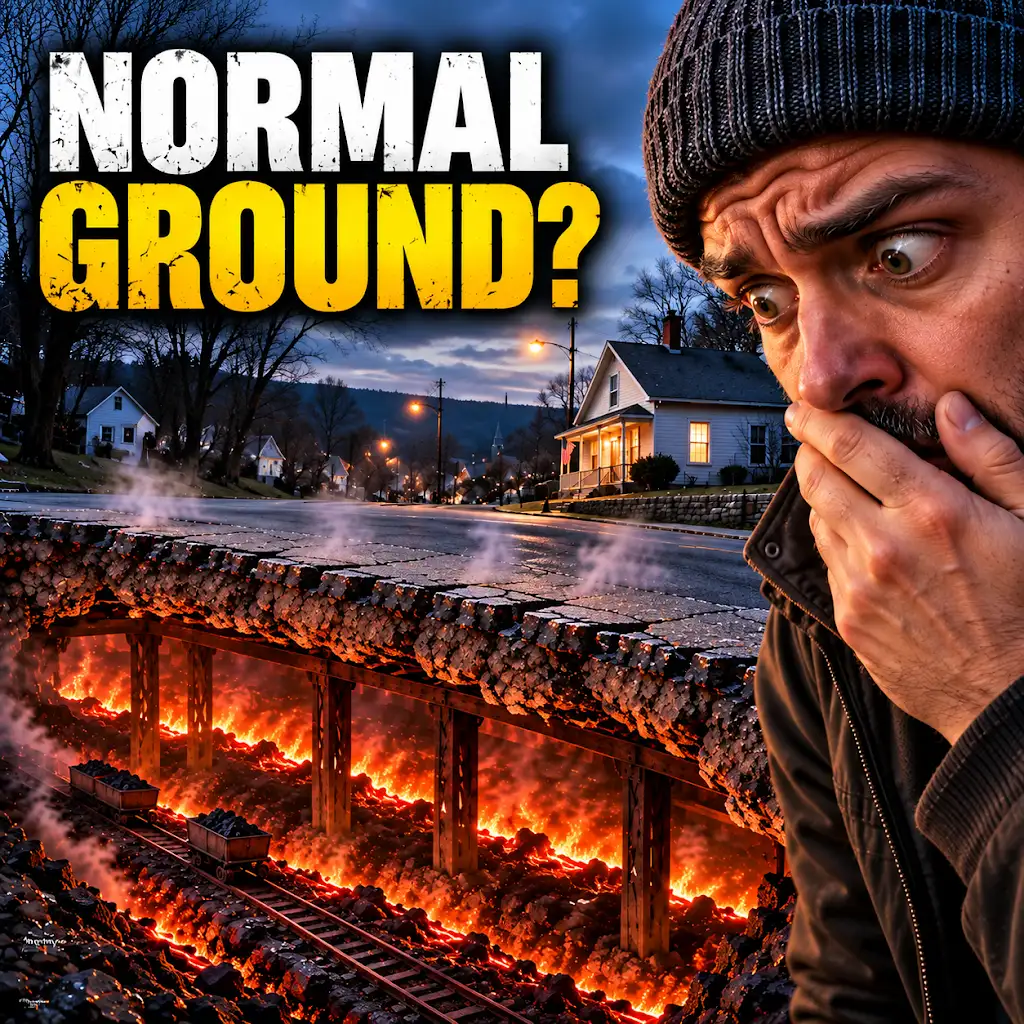
Why Was Moving Centralia Easier Than Putting Out Its Fire?
FAQs
What is the current population of Centralia?
The current population of Centralia, as of the latest available data, is approximately [insert current population number].
How does the current population of Centralia compare to previous years?
The population of Centralia has [increased/decreased/remained stable] compared to previous years.
What factors have contributed to the change in Centralia’s population?
Factors such as economic opportunities, job availability, housing market, and demographic shifts have contributed to the change in Centralia’s population.
What is the demographic makeup of Centralia’s population today?
The demographic makeup of Centralia’s population includes [insert demographic breakdown, such as age distribution, racial diversity, etc.].
What are the projections for Centralia’s population in the future?
Projections for Centralia’s population in the future indicate [increase/decrease/stability] based on current trends and forecasts.