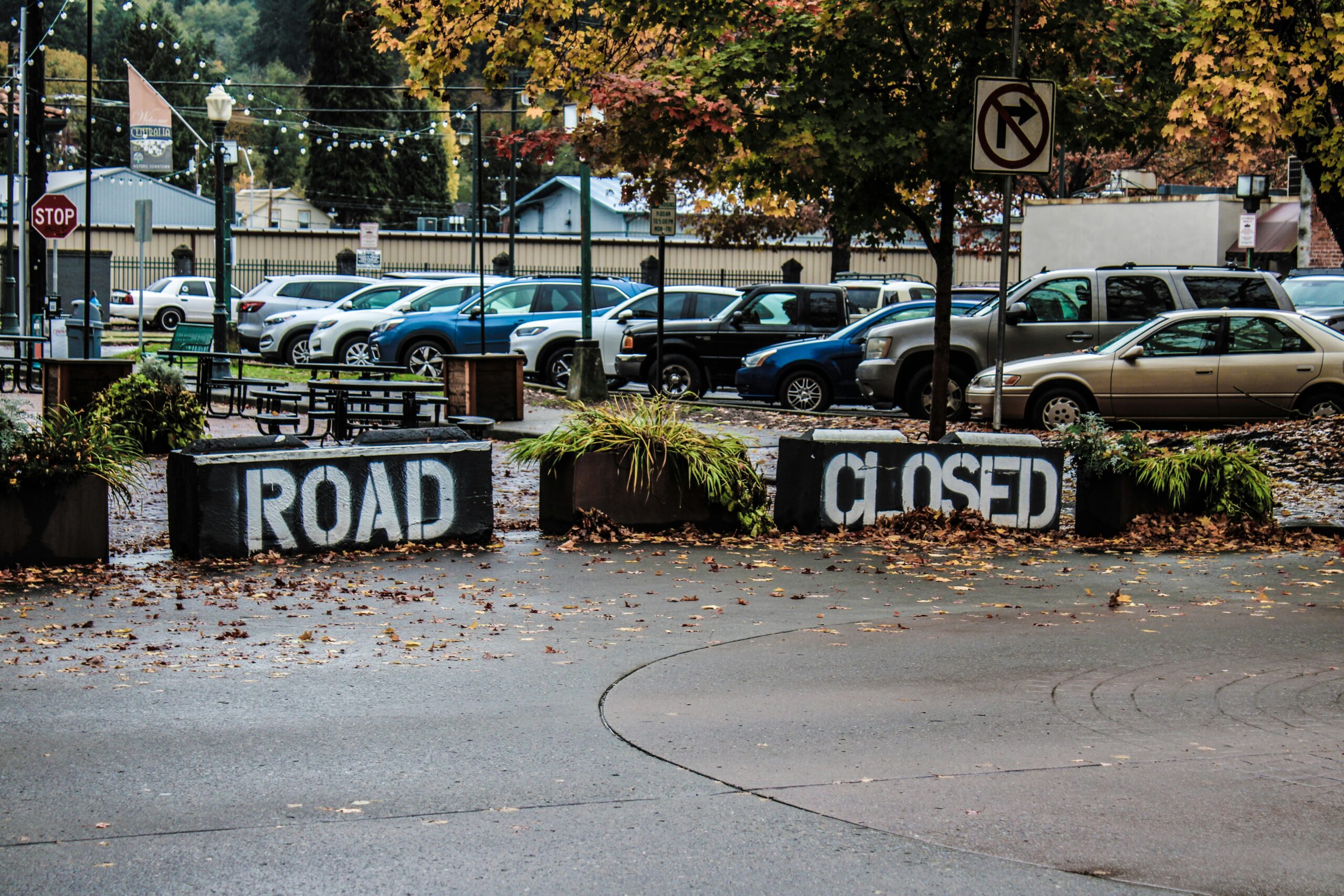
The whispers of its existence, once vibrant with the hum of industry and the laughter of families, have long since faded. Centralia, a town nestled in the heart of Columbia County, Pennsylvania, stands as a stark monument to the destructive power of progress gone awry. What was once a thriving anthracite coal mining community is now a ghost town, slowly being consumed by a subterranean inferno, a casualty of unchecked industrial ambition and a series of unfortunate events. The story of Centralia is not just about a town’s demise; it is a cautionary tale of environmental neglect, governmental inaction, and the profound human cost of a community sacrificed.
The Genesis of a Coal Town: A Flourishing Past
The history of Centralia is inextricably linked to the abundant coal seams that lay beneath its soil. The discovery of anthracite coal in the region during the 19th century ignited a boom, transforming rural landscapes into bustling centers of commerce and industry. Centralia, established in 1866, quickly became a significant player in this burgeoning coal economy. Its strategic location and rich deposits attracted miners and their families, fostering a close-knit community that thrived on the backbreaking labor of extracting the black diamonds from the earth.
The Golden Age of Anthracite
The late 19th and early 20th centuries represented the zenith of Centralia’s prosperity. The town’s streets teemed with life. Churches, schools, businesses, and homes formed a vibrant tapestry of community. The rhythmic clatter of trains hauling coal, the shouts of miners, and the everyday sounds of domestic life filled the air. The economy was robust, with the coal mines providing not only employment but also the lifeblood for local businesses. Saloons, general stores, and boarding houses flourished, catering to the needs of the hardworking populace. It was a time of optimism, where the future seemed as bright as the coal dust that settled on everything.
Life in the Mines
Life for the miners was arduous and fraught with danger. They descended into the dark, claustrophobic depths of the earth, facing the constant threat of cave-ins, explosions, and respiratory illnesses like black lung disease. Despite the inherent risks, the allure of steady work and the camaraderie forged in the harsh conditions bound the mining families together. They built their lives around the rhythm of the mines, their fortunes rising and falling with the demand for coal. This dependence on the mines, however, would ultimately sow the seeds of Centralia’s eventual downfall.
The Fabric of Community
Beyond the mines, Centralia cultivated a strong sense of community. Churches served as spiritual centers and gathering places, while schools provided education for the children. Local festivals and social events fostered a spirit of togetherness that is often found in smaller, tight-knit towns. Families relied on each other, creating a social safety net that was crucial for survival in a demanding environment. This deep-rooted connection to the land and to each other made the prospect of leaving Centralia a daunting and almost unthinkable one for many of its residents.
Centralia, Pennsylvania, often referred to as a condemned town, has become a haunting symbol of environmental disaster and the consequences of neglecting safety regulations. The underground coal fire that has been burning since 1962 has led to the evacuation of residents and the gradual abandonment of the town. For a deeper understanding of the implications of such a disaster and the story of Centralia, you can read a related article that delves into the history and current status of this eerie ghost town at this link.
The Unseen Enemy: The Genesis of the Underground Fire
The tragedy that would ultimately consume Centralia began subtly, a slow burn that went largely unnoticed for years. The culprit was a network of abandoned coal mines, remnants of a bygone era of extraction that had left behind a complex labyrinth beneath the town’s surface. It was within these forgotten tunnels that the fateful spark ignited.
The Igniting Incident: The Tailings Fire of 1962
The official narrative points to May 27, 1962, as the day the fire truly began. On that day, the residents of Centralia were preparing for Memorial Day ceremonies. A volunteer firefighter crew was tasked with cleaning up the local landfill, which was situated near an abandoned mine shaft. In their efforts to clear debris, they reportedly ignited the trash, and the flames, fanned by underground drafts, found their way into a coal seam. This seemingly minor event, a routine cleanup operation, would have catastrophic and far-reaching consequences.
The Role of Abandoned Mines
The extensive network of underground mines, a testament to Centralia’s industrial past, proved to be a dangerous legacy. These mines, often poorly sealed or abandoned without proper care, provided a perfect conduit for the fire. The heat generated by the burning coal could easily travel through these interconnected tunnels, spreading the inferno across vast distances. The sheer scale of the mining operations meant that the fire had a virtually inexhaustible fuel source.
Underground Drafts and Airflow
The geological conditions in Centralia were also conducive to the spread of the fire. Underground shafts and fissures created natural drafts, drawing air into the burning areas and fueling the combustion. This constant supply of oxygen meant that the fire, once ignited, would be incredibly difficult, if not impossible, to extinguish through conventional means. The earth itself became an accomplice to the destruction, providing the necessary elements for the inferno to persist.
The Spreading Scars: A Town Under Siege
As the underground fire raged, its effects began to manifest on the surface, slowly but surely transforming Centralia into an uninhabitable landscape. The insidious nature of the fire meant that the damage was not immediate, but rather a gradual decay that eroded the town’s foundations and threatened its very existence.
The Visible Manifestations of the Inferno
The most immediate and alarming signs of the fire were the fissures and sinkholes that began to appear in the ground. Steam and smoke would emanate from these openings, carrying with them the acrid smell of burning coal. Paved streets buckled and cracked, and the foundations of homes began to weaken. The earth itself seemed to be exhaling the heat and noxious fumes of the subterranean blaze.
The Chilling Gases
Beyond the visible heat and smoke, the fire released dangerous gases, including carbon monoxide, into the air. These invisible killers posed a serious health risk to the residents, leading to concerns about air quality and the long-term well-being of the community. The constant threat of these toxic fumes added another layer of fear and anxiety to the already precarious situation.
The Unstable Ground
The most significant threat to the town’s infrastructure was the ever-present danger of the ground giving way. The intense heat from the fire weakened the earth, causing sections of the land to collapse into the burning mine shafts below. This instability made it impossible to maintain roads, utilities, and, most importantly, homes. The very ground beneath their feet was no longer safe.
The Slow Evacuation: A Community Dismantled
The escalating dangers forced a painful and protracted evacuation process. What began as localized warnings and temporary relocations eventually escalated into a full-scale exodus, tearing apart the fabric of the Centralia community. The residents, who had poured their lives into this town, were faced with the heartbreaking reality of having to abandon their homes and their heritage.
The Relocation Efforts
The initial attempts to address the problem involved various strategies, including trying to contain the fire and provide alternative housing for affected residents. However, the magnitude of the problem proved overwhelming. Government agencies, both state and federal, became involved, but their efforts were often slow and met with limited success. The complexity of the underground fire made it an unprecedented challenge.
Governmental Indecision and Bureaucracy
The response from government entities was often characterized by a struggle between different agencies and a lack of decisive action. The cost of fighting the fire was astronomical, and the feasibility of extinguishing it was constantly debated. This bureaucratic inertia, coupled with the immense scale of the disaster, meant that meaningful solutions were slow to materialize, leaving residents in a state of uncertainty and distress.
The Human Cost of Displacement
For the residents of Centralia, the evacuation was a deeply traumatic experience. They were forced to leave behind not only their physical possessions but also their memories, their relationships, and the sense of belonging that Centralia had provided. Many had lived in the town for generations, and the prospect of starting over elsewhere was a daunting and emotionally devastating one. Families were scattered, and the close-knit community was fractured.
Centralia, Pennsylvania, often referred to as a condemned town, has become a haunting symbol of environmental disaster due to an underground coal fire that has been burning since 1962. The eerie landscape, with its abandoned homes and smoke rising from the ground, draws curious visitors and researchers alike. For those interested in exploring the broader implications of such abandoned places, a related article can be found at My Geo Quest, which delves into the stories behind other ghost towns and their unique histories.
Centralia Today: A Silent Sentinel of a Burnt Past
Decades after the initial ignition, Centralia exists as a ghostly echo of its former self. The underground inferno continues to burn, a persistent reminder of the town’s tragic fate. What remains is a stark landscape, a testament to the destructive power of unchecked industrialization and the devastating consequences of environmental neglect.
The Ghost Town Landscape
The once-bustling streets are now largely deserted, with only a handful of resilient residents remaining. Many buildings have been demolished, either by the encroaching fire or by government efforts to clear the land. Nature is slowly reclaiming the town, with weeds and vines creeping over abandoned structures and cracked pavement. The silence that now permeates Centralia is a stark contrast to the vibrant sounds that once filled its streets.
The Remaining Residents
A small, determined group of individuals continues to call Centralia home. They are the keepers of its memory, refusing to be driven out by the subterranean flames. These individuals often have deep personal connections to the town, their families having lived there for generations. Their continued presence adds a poignant, yet somber, layer to the story of Centralia.
The Memorials and Reminders
While the town itself is slowly disappearing, efforts have been made to preserve its memory. A small memorial park stands as a poignant reminder of the community that once thrived here. The lingering steam and smoke from the underground fire serve as a constant, unsettling reminder of the ongoing tragedy. The abandoned mine shafts, now sealed or collapsing, stand as silent sentinels of the town’s burnt past.
A Cautionary Tale for the Future
The story of Centralia serves as a profound and enduring cautionary tale. It highlights the critical importance of responsible resource management, proper mine safety regulations, and proactive environmental stewardship. The town’s demise underscores the devastating consequences that can arise when industrial progress is not balanced with ecological consideration and the well-being of communities. Centralia’s silent, smoldering tragedy is a powerful reminder that the pursuit of progress must never come at the expense of the land and the lives it sustains. The embers of Centralia continue to burn, a quiet but potent warning for generations to come.
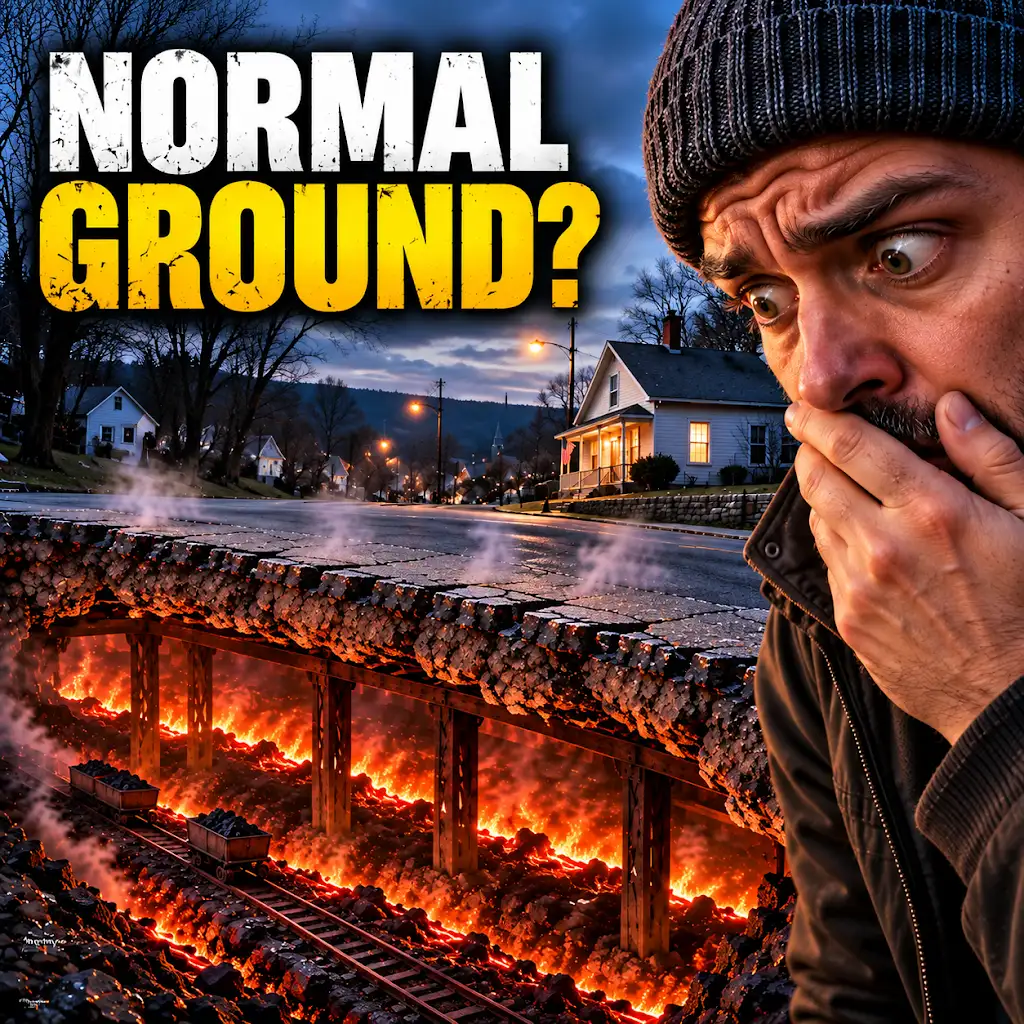
Why Was Moving Centralia Easier Than Putting Out Its Fire?
FAQs
What is Centralia, Pennsylvania?
Centralia, Pennsylvania is a town in Columbia County that has been mostly abandoned due to a coal mine fire that has been burning beneath the town since 1962.
Why was Centralia, Pennsylvania condemned?
Centralia, Pennsylvania was condemned due to the ongoing coal mine fire that has been burning beneath the town for decades. The fire has caused dangerous levels of carbon monoxide and other toxic gases to seep into the town, making it unsafe for residents to continue living there.
Is Centralia, Pennsylvania still inhabited?
As of today, only a handful of residents still live in Centralia, Pennsylvania. Most of the town’s buildings have been demolished, and the population has dwindled significantly since the fire began.
What caused the coal mine fire in Centralia, Pennsylvania?
The coal mine fire in Centralia, Pennsylvania was accidentally ignited in 1962 when a landfill fire spread to an exposed coal seam. Efforts to extinguish the fire have been largely unsuccessful, and it continues to burn to this day.
Is it safe to visit Centralia, Pennsylvania?
Visiting Centralia, Pennsylvania is not recommended due to the ongoing coal mine fire and the associated health risks. The ground in the town can also be unstable due to the underground fire, making it potentially dangerous for visitors.