The Centralia Relocation: Escaping a Coal Mine Fire
The year 1962 marked a turning point in the history of Centralia, Pennsylvania, a small, tight-knit community nestled in the heart of the anthracite coal region. What began as a seemingly routine cleanup operation at the Centralia No. 5 mine would ignite a subterranean inferno, a coal mine fire that would burn for decades, slowly and inexorably consuming the town from beneath. The story of Centralia is not just one of a devastating fire; it is a poignant narrative of resilience, loss, and the difficult, often heart-wrenching, process of forced relocation. It is a testament to how an unforeseen environmental disaster can shatter a community, forcing its residents to abandon their homes, their memories, and their very identities, all in the name of survival.
The origins of Centralia’s enduring tragedy are rooted in the town’s very foundation: coal mining. For over a century, the industry had been the lifeblood of Centralia, providing employment, prosperity, and a shared sense of purpose for generations of families. The town’s economy was inextricably linked to the subterranean veins of anthracite coal that lay beneath its surface. However, the very resource that fueled its growth also contained the seeds of its destruction.
A Routine Cleanup Gone Awry
In May of 1962, the town council commissioned a cleanup of the Centralia No. 5 mine. The goal was to clear out refuse and debris from the mine’s surface entrance, a common practice at the time. The method employed was simple: burning the accumulated trash. However, a crucial oversight was made. The mine’s tunnels and chambers, laced with volatile coal seams, were not adequately sealed. The flames, intended to consume the refuse, instead found a direct path to the underlying coal, igniting a smoldering inferno that would prove impossible to extinguish.
The Unseen Enemy: A Subterranean Blaze
The initial fire was not immediately perceived as catastrophic. Residents noticed smoke emanating from the ground, a common occurrence in coal mining towns. However, this smoke was different. It was persistent, it spread, and it began to consume the very earth beneath their feet. The fire, fueled by the rich anthracite veins, became an unstoppable, unseen enemy, spreading through the intricate network of abandoned mine shafts and tunnels. It bypassed surface containment efforts, its heat seeping upwards, cracking roads, killing vegetation, and creating a constant, acrid stench of burning coal.
The Slow Creep of Destruction
Over the ensuing years, the fire’s insidious advance became undeniable. Sinkholes began to appear, swallowing cars and threatening homes. The air quality deteriorated, and concerns for the health of residents, particularly children, grew. The once vibrant community began to feel the suffocating embrace of the inferno. The laughter of children playing in the streets was replaced by a constant anxiety, a gnawing fear of what the earth might swallow next. The very ground that had supported their lives was now a source of imminent danger.
The relocation of Centralia residents was primarily due to the underground coal fire that has been burning since 1962, which posed significant health and safety risks. As the fire spread, it caused dangerous ground subsidence and emitted toxic gases, leading authorities to declare the area unsafe for habitation. For more insights into the circumstances surrounding the evacuation of Centralia, you can read a related article at this link.
The Growing Threat: From Nuisance to Existential Crisis
As the coal mine fire raged beneath Centralia, the perceived threat evolved from a localized nuisance to a profound existential crisis for the town. The visible manifestations of the fire grew more severe, impacting daily life and raising serious concerns about the long-term viability of the community. The economic and social fabric of Centralia began to fray under the relentless pressure of the underground blaze.
The Widening Cracks: Physical Manifestations of the Fire
The most dramatic and terrifying evidence of the fire’s power was the increasing number of sinkholes that appeared across town. These sudden, gaping voids in the earth served as stark reminders of the molten core beneath. One infamous incident occurred in 1981 when a 12-year-old Todd Domboski fell into a sinkhole that opened up in his backyard. While he was miraculously rescued, the event served as a wake-up call to the nation and solidified the understanding that the fire posed a direct and immediate threat to human life. The ground was no longer stable; it was a treacherous landscape where a single step could lead to disaster.
The Lingering Stench and Hazardous Air
Beyond the dramatic sinkholes, the pervasive smell of burning coal became a constant companion for Centralia’s residents. The fumes, laden with carbon monoxide and other toxic gases, seeped into homes and public spaces, creating an unhealthy living environment. Health concerns, particularly respiratory issues, became more prevalent. The very air that sustained life in Centralia was becoming a slow poison, an invisible enemy that relentlessly attacked the well-being of its inhabitants.
Economic Strain and Declining Property Values
The economic consequences of the fire were equally devastating. As the danger became more apparent, potential buyers shied away from Centralia. Property values plummeted, making it impossible for residents to sell their homes and move elsewhere. Businesses struggled as customers became hesitant to visit. The town, once a thriving hub of activity, began to feel the economic paralysis brought on by the subterranean inferno. The very foundation of their livelihoods was being eroded by the persistent, invisible fire.
The Unthinkable Decision: Relocation and the Abandonment of a Way of Life
Faced with an uncontainable and escalating threat, the decision to relocate Centralia became not a matter of if, but when. This was not a simple move from one neighborhood to another; it was the dismantling of a community, the forced dispersal of families who had lived and worked in Centralia for generations. The process was fraught with emotional turmoil, legal battles, and a profound sense of loss.
Federal Intervention and the Planning of a New Beginning
The sheer scale of the disaster and the inability of local and state governments to effectively combat the fire eventually necessitated federal intervention. The Surface Mining Control and Reclamation Act of 1977 provided a framework for addressing such catastrophic events. Under this act, the federal government, in conjunction with state officials, began the arduous process of planning Centralia’s relocation. This involved complex negotiations, land acquisition, and the difficult task of determining fair compensation for displaced residents.
The “Just Compensation” Debate
A significant hurdle in the relocation process was the issue of “just compensation.” Residents argued that the government’s offers did not adequately reflect the true value of their homes, the years of investment, and the intangible emotional attachment to their community. Many felt that they were being forced to abandon their heritage for a fraction of what their properties were worth. This led to protracted legal battles and a deep sense of injustice among many of the displaced. The very idea of “just compensation” became a deeply contentious point, highlighting the human cost of such a large-scale displacement.
The Gradual Exodus: A Town Slowly Emptied
The relocation was not an overnight event. It was a gradual and painful exodus. As the federal government acquired properties and offered buyouts, residents began to leave, often with heavy hearts. Homes were boarded up, businesses closed their doors, and the once bustling streets grew eerily quiet. The process stretched over several years, with some residents holding out until the very last possible moment, clinging to the familiar rhythm of their lives even as the ground beneath them continued to burn. The photographs and stories from this period depict a town slowly being erased, its vibrant life draining away like water from a cracked vessel.
The Ghost of Centralia: A Town Left Behind
Today, Centralia exists as a ghost town, a stark and poignant reminder of the devastating consequences of the coal mine fire. The physical landscape of the town has been irrevocably altered, with many former streets now disappearing into the earth or overgrown with vegetation. The few remaining residents are a testament to the enduring human spirit, but they are a dwindling presence in a place largely abandoned.
The Eerie Silence and the Perpetual Smoke
The silence that now pervades Centralia is profound, punctuated only by the unsettling hiss of steam and the faint, ever-present smell of burning coal. Many of the streets have been paved over or dug up by the government in an attempt to contain the fire and prevent further sinkholes. The once proud homes are now derelict shells, their windows dark and their doors sealed. The visual evidence of the fire’s destructive power is everywhere, from the cracked sidewalks to the patches of barren earth where nothing can grow. The perpetual smoke, rising from various points across the landscape, serves as a constant, melancholic monument to the town’s tragic fate.
The Last Residents: Holding Onto a Fading Past
A handful of determined residents still call Centralia home, choosing to remain in their ancestral community despite the ongoing dangers and the palpable sense of abandonment. These individuals represent a deep connection to the land and a profound sense of belonging that transcends the physical challenges. They are the keepers of the town’s memories, the living links to a past that is rapidly fading. Their presence adds a layer of poignancy to the ghost town, a testament to the enduring human desire for home.
The Enduring Legacy: A Cautionary Tale
Centralia’s story serves as a powerful and enduring cautionary tale. It highlights the inherent risks associated with resource extraction and the critical importance of environmental stewardship. The ongoing, unextinguished fire beneath Centralia is a constant reminder of nature’s raw power and humanity’s often-overlooked vulnerability. The relocation, while necessary for survival, left an indelible mark on the lives of its former residents, shaping their identities and their understanding of home. The ghost of Centralia, with its perpetual smoke and eerie silence, stands as a somber monument to a community lost to the earth’s fiery embrace.
The relocation of Centralia residents was primarily due to the dangerous underground coal fire that has been burning since 1962, which posed significant health risks and safety concerns. As the fire spread, it caused ground subsidence and released toxic gases, making the area increasingly uninhabitable. For a deeper understanding of the events leading to this drastic measure, you can read more in this related article on the topic. The article provides insights into the challenges faced by the community and the government’s response to the crisis. For further details, check out this link.
Lessons Learned: The Unfolding Narrative of Centralia
| Reasons for Centralia Residents Relocation |
|---|
| Underground coal mine fire |
| Health hazards from toxic gases |
| Subsidence and ground instability |
| Environmental contamination |
| Risk of sinkholes and land collapse |
The Centralia relocation is more than just a historical event; it is a complex narrative that continues to offer valuable lessons. The decisions made, the consequences faced, and the lingering impact on the displaced population provide insights into disaster management, community resilience, and the profound human cost of environmental catastrophe. The story of Centralia is far from over; its lessons are still being absorbed and understood.
Environmental Forethought and Long-Term Planning
The Centralia fire underscored the critical need for thorough environmental assessments and long-term planning in any industry that interacts with the earth’s resources. The oversight in 1962, though seemingly minor at the time, had catastrophic repercussions. Future planning must prioritize potential environmental hazards and incorporate robust containment and mitigation strategies, learning from the mistakes of the past. The subtle signs of danger, if recognized and addressed early, can prevent the immense suffering and loss witnessed in Centralia.
The Psychology of Displacement and Community Trauma
The forced relocation of Centralia’s residents inflicted significant psychological trauma. The loss of home, community ties, and familiar surroundings had a lasting impact on individuals and families. Understanding the psychological dimensions of displacement is crucial for effective disaster response and recovery efforts. Providing adequate mental health support and fostering opportunities for displaced communities to rebuild their social networks are essential components of any relocation strategy. The emotional scars of Centralia ran deep, affecting generations.
The Enduring Power of Memory and Identity
Despite being dispersed, the former residents of Centralia have retained a strong sense of shared identity and collective memory. Reunions, online forums, and personal narratives continue to keep the spirit of Centralia alive. This underscores the enduring power of memory and its role in shaping individual and collective identity, even in the face of profound loss. The town may be gone, but the bonds forged within it remain, a testament to the human capacity for connection and remembrance. The stories shared, the photographs preserved, all serve as vital threads connecting the past to the present and future.
The Centralia relocation is a somber chapter in American history, a stark illustration of the unpredictable and often devastating consequences of human interaction with the natural world. It is a story that continues to resonate, urging us to learn from its painful lessons and to strive for a future where such tragedies are not repeated. The ghost of Centralia, forever burning, serves as an eternal sentinel, a silent testament to a town that was, and the resilience of the people who once called it home.
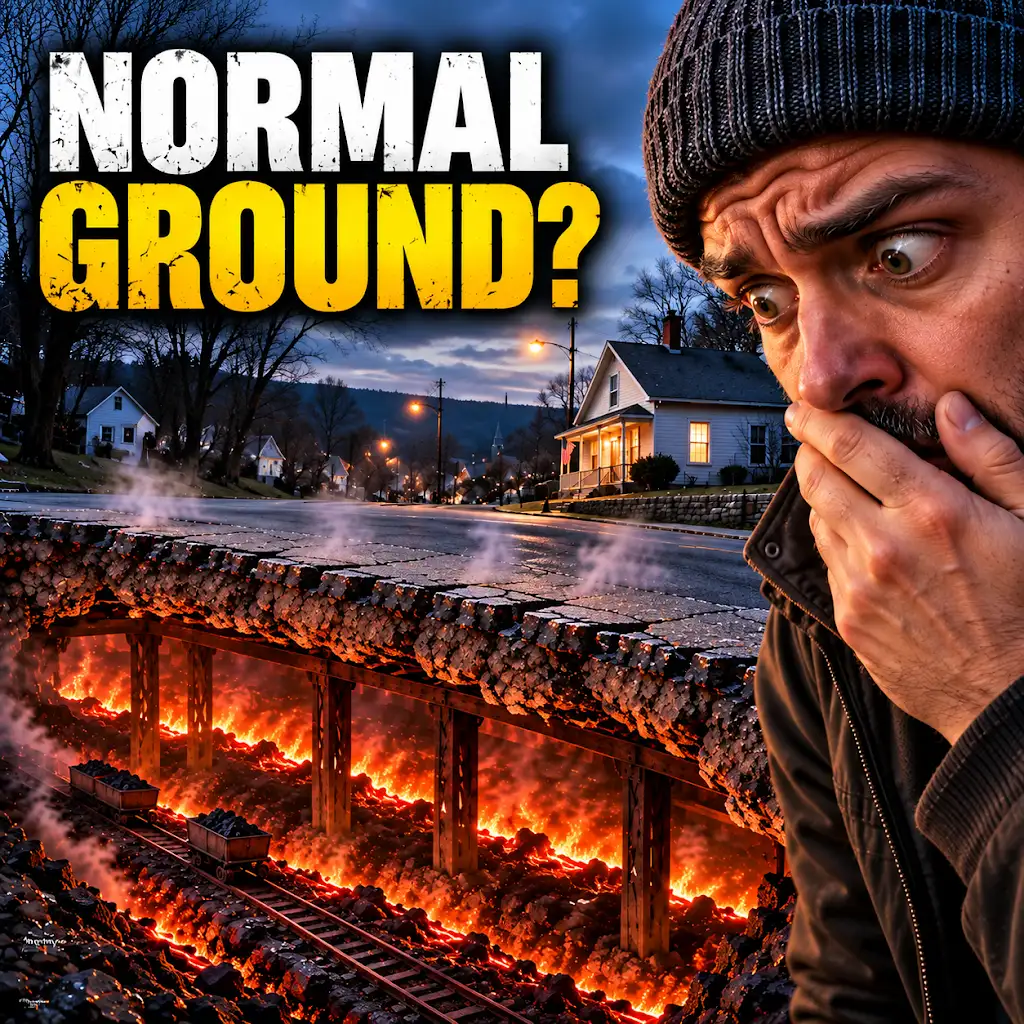
Why Was Moving Centralia Easier Than Putting Out Its Fire?
FAQs
1. Why were Centralia residents relocated?
The residents of Centralia, Pennsylvania were relocated due to a coal mine fire that has been burning beneath the town since 1962. The fire has caused unsafe conditions, including toxic gases and unstable ground, making it necessary for residents to be relocated for their safety.
2. When were Centralia residents relocated?
The relocation of Centralia residents began in the 1980s and continued over the following decades. The process was gradual, with some residents choosing to leave voluntarily while others were relocated through government programs.
3. How many residents were affected by the relocation?
At its peak, Centralia had a population of over 1,000 residents. The relocation process affected the entire population, with many residents choosing to leave the town and others being relocated through government assistance programs.
4. Where were Centralia residents relocated to?
Centralia residents were relocated to nearby towns and communities in Pennsylvania. Some residents chose to move to neighboring towns on their own, while others were provided with housing assistance and relocated through government programs.
5. Is Centralia still inhabited after the relocation?
After the relocation of its residents, Centralia became a virtual ghost town. Most of the buildings were demolished, and the town’s population dwindled to just a handful of residents. Today, only a few individuals remain in Centralia, and the town is largely abandoned.