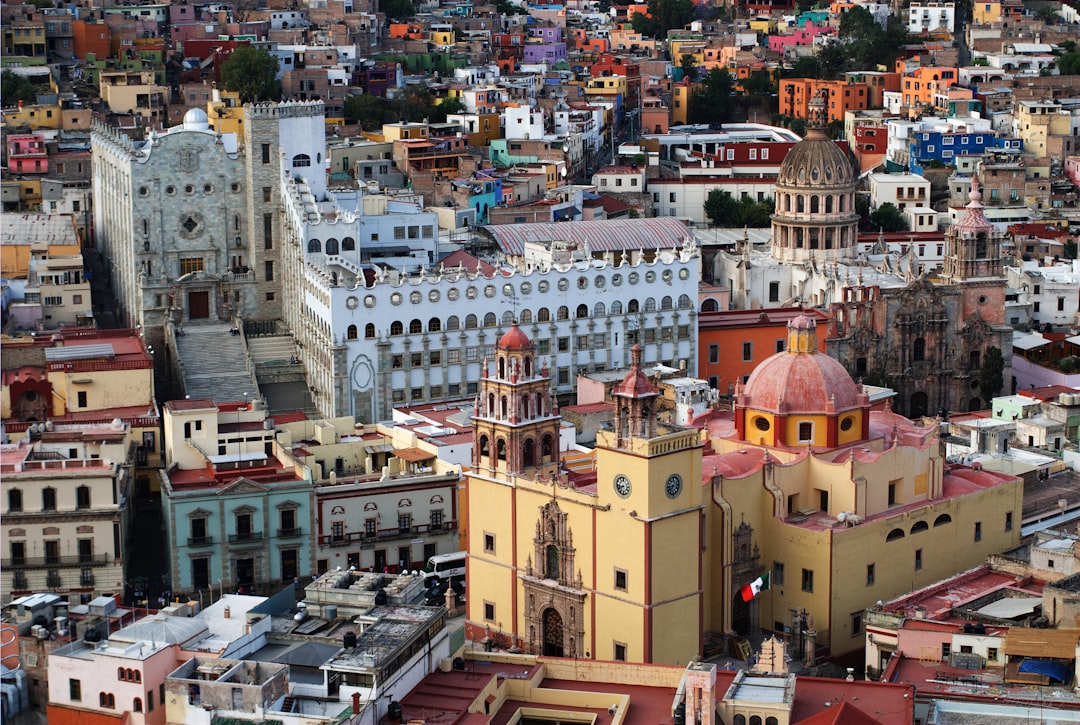
Mexico City’s Historic Center Sinking
Mexico City, a sprawling metropolis that pulses with an indomitable spirit, is grappling with an invisible yet potent threat: its historic heart is sinking. This ancient urban core, a testament to centuries of history, art, and culture, is succumbing to a geological phenomenon rooted in its very origins. The vastness of this subsidence, impacting the iconic structures that define the city, is a complex issue demanding scientific understanding and innovative solutions. The grand avenues, the ornate palaces, and the unassuming cobblestone streets are all participants in this slow, inexorable descent, a constant reminder of the delicate balance between human ambition and the earth’s subtle power.
A Lakebed Foundation
The most fundamental reason for Mexico City’s historic center sinking lies in its unique geographical setting. The city was famously built upon the remnants of a vast ancient lake, Lake Texcoco. The Aztec capital of Tenochtitlan, the precursor to modern Mexico City, was constructed on a series of islands and artificial chinampas within this lake system. The Spanish conquistadors, recognizing the strategic importance and fertile land, chose to drain the lake and build their colonial capital directly on the lakebed sediments. These sediments, composed primarily of clay and fine silt, are highly compressible and water-retentive. Unlike bedrock, which offers stable support, these lacustrine deposits are akin to a sponge that can be squeezed and compacted. Over centuries, the weight of the city, coupled with the relentless extraction of groundwater, has been systematically compressing these underlying layers, causing the land to subside.
The Impact of Human Activity
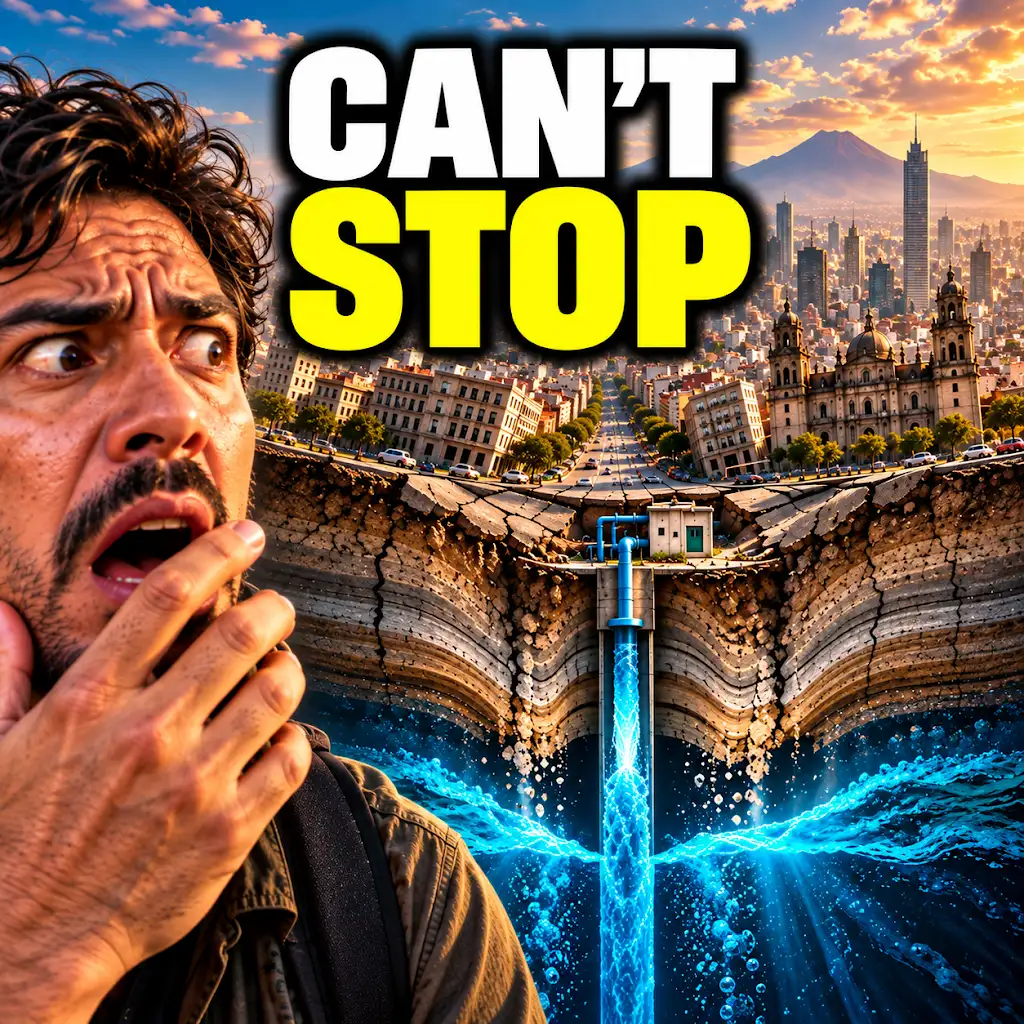
While the lakebed is the primary culprit, human activity has dramatically exacerbated the sinking. For decades, Mexico City’s burgeoning population and rapid industrialization led to an insatiable demand for water. The primary source for this water was, and still is, the aquifer beneath the city. As groundwater is pumped out, the void left behind is not immediately filled by natural processes. This creates a vacuum, and the porous clay layers begin to collapse under their own weight and the weight of the city above. This phenomenon, known as groundwater extraction-induced subsidence, is a widespread issue in many large urban centers globally, but it is particularly pronounced in Mexico City due to the specific geological conditions. The sheer volume of water extracted, coupled with the slow consolidation of the ancient lakebed, has resulted in significant and measurable sinking.
Historical Trends and Accelerating Decline
The sinking of Mexico City is not a new phenomenon. Historical records indicate that even during the colonial era, the city experienced some degree of subsidence. However, the pace of sinking has accelerated dramatically in recent decades. The rapid urbanization of the 20th century, fueled by population growth and economic development, led to an unprecedented surge in groundwater extraction. Areas built directly on the most compressible sediments have experienced the most dramatic sinking, with some locations losing several meters of elevation over the past century. This ongoing subsidence is not uniform across the city; it varies depending on the depth and composition of the underlying clay layers and the intensity of groundwater extraction in different zones. The historic center, being one of the oldest and densest parts of the city, is particularly vulnerable.
The historic center of Mexico City, known for its rich cultural heritage and stunning architecture, is facing significant challenges due to subsidence, which has caused many buildings to sink and become unstable. This phenomenon is largely attributed to the city’s location on a former lakebed, combined with excessive groundwater extraction. For a deeper understanding of the geological factors contributing to this issue, you can read a related article on the topic at MyGeoQuest.
Visible Scars on Historic Architecture
The Tilt of Ancient Structures
The impact of the sinking is most visibly apparent in the architectural heritage of Mexico City’s Historic Center. Iconic buildings, some dating back to the Spanish colonial period and even earlier Aztec foundations, are showing signs of distress. The most striking manifestation is the observable tilt in many of these historic structures. The Metropolitan Cathedral, a magnificent edifice that has stood for centuries, is a prime example. Parts of the cathedral are noticeably sinking at a faster rate than others, leading to an uneven foundation and visible tilting. This differential subsidence strains the building’s structural integrity, causing cracks to appear in walls and foundations. Engineers have had to implement complex and often costly measures to stabilize these aging giants, constantly battling the forces of gravity and the collapsing earth beneath them.
Cracks and Structural Instability
Beyond the dramatic tilt, the sinking manifests in a multitude of other structural problems. Cracks are a ubiquitous sight in the Historic Center, appearing in walls, facades, and even on the seemingly solid stone of historic monuments. These cracks are not merely cosmetic; they are indicators of the immense stress being placed on the buildings as the ground beneath them shifts and compacts. In some cases, these cracks can compromise the structural integrity of entire buildings, making them unsafe and requiring extensive repairs or even demolition. The sheer weight and age of these structures, combined with the constant, albeit slow, movement of the earth, create a perpetual challenge for preservationists and engineers. The delicate balance between preserving history and ensuring safety is a constant tightrope walk.
The Challenge of Drainage Systems
The sinking also poses significant challenges to the city’s essential infrastructure, particularly its drainage systems. Gravity is the primary force that drives water through these underground networks, and when the ground sinks, the natural slope of these pipes is disrupted. This can lead to areas becoming prone to flooding, as water can no longer flow efficiently to its intended destination. Furthermore, the constant shifting of the ground can damage the pipes themselves, leading to leaks and further exacerbating water management issues. Maintaining and repairing these underground arteries in a constantly sinking environment is a monumental and ongoing task, requiring continuous vigilance and adaptation. The interconnectedness of the sinking land and the buried infrastructure highlights the pervasive nature of this geological challenge.
Scientific Investigation and Monitoring Efforts
Geophysical Surveys and Soil Analysis
Understanding the extent and pace of the sinking requires rigorous scientific investigation. Geologists and geophysicists employ a range of techniques to map the subsurface and monitor the ongoing subsidence. Geophysical surveys, utilizing methods like seismic refraction and electrical resistivity, help to characterize the different soil layers and their properties. Soil analysis, including the collection of core samples, provides detailed information about the composition, density, and compressibility of the lacustrine sediments. These investigations are crucial for identifying areas most at risk of significant sinking and for informing engineering decisions regarding structural stabilization and infrastructure development. The data gathered from these surveys forms the foundation for any effective mitigation strategy.
GPS and Satellite Interferometry
Modern technology plays a vital role in tracking the subtle movements of the earth’s surface. Global Positioning System (GPS) technology, deployed at strategic points across the Historic Center, allows for highly precise measurements of land elevation changes over time. By continuously tracking the position of these GPS receivers, scientists can detect even millimeter-scale movements. Complementing ground-based GPS, satellite-based Interferometric Synthetic Aperture Radar (InSAR) offers a broader, regional perspective. InSAR can detect ground deformation by analyzing subtle differences in radar signals reflected from the Earth’s surface over time. This technology provides a synoptic view of subsidence patterns across large areas, allowing for the identification of areas experiencing accelerated sinking and the correlation of these movements with potential causative factors.
Hydrogeological Modeling and Groundwater Management
A critical aspect of scientific investigation is understanding the intricate relationship between groundwater extraction and land subsidence. Hydrogeological models are developed to simulate the flow of water within the aquifer and predict how changes in pumping rates will affect groundwater levels and, consequently, land surface elevation. These models are essential tools for informing sustainable groundwater management policies. By understanding the complex interplay of factors influencing the aquifer, authorities can make informed decisions about water allocation, explore alternative water sources, and implement strategies to reduce reliance on the over-exploited aquifer. The ultimate goal is to strike a balance that ensures water security for the city without accelerating the detrimental process of sinking.
Mitigation Strategies and Future Prospects
Infrastructure Reinforcement and Stabilization
Addressing the sinking of Mexico City’s Historic Center requires a multi-pronged approach to infrastructure reinforcement and stabilization. Engineers have developed innovative techniques to mitigate the effects of subsidence on existing structures. These include the installation of deep foundations that extend to more stable bedrock layers, effectively bypassing the compressible sediments. In some cases, seismic isolation systems are employed to decouple buildings from ground movements, particularly important in an earthquake-prone region like Mexico City. For critically important historical buildings, elaborate underpinning and injection techniques are used to strengthen foundations and prevent further tilting. These interventions are often expensive and require ongoing maintenance, but they are essential for preserving the city’s irreplaceable heritage.
Water Management and Aquifer Recharge
The long-term solution to the sinking crisis hinges on effective water management and sustainable aquifer recharge. Reducing reliance on groundwater extraction is paramount. This involves a multi-faceted approach: improving water distribution efficiency to minimize losses, promoting water conservation measures among residents and industries, and investing in alternative water sources. Desalination of Pacific Ocean water, rainwater harvesting on a large scale, and the treatment and reuse of wastewater are all being explored and implemented. Furthermore, efforts are underway to artificially recharge the aquifer in certain areas, injecting treated water to help stabilize groundwater levels and potentially slow down the rate of subsidence. This requires careful planning and execution to avoid unintended consequences.
Urban Planning and Adaptation
Beyond engineering solutions, adaptive urban planning is crucial for navigating the ongoing reality of a sinking city. This involves understanding which areas are most vulnerable and planning future development accordingly. Building codes may need to be revised to account for differential settlement. In some cases, it may be necessary to relocate critical infrastructure from the most severely affected zones. Furthermore, the city must embrace a long-term perspective, recognizing that subsidence is an ongoing process. This means incorporating resilience into urban planning, anticipating future challenges, and developing flexible strategies that can adapt to changing conditions. The vision for Mexico City’s Historic Center must include an understanding of its dynamic geological reality.
The historic center of Mexico City, a UNESCO World Heritage site, has been facing significant challenges due to its gradual sinking, a phenomenon caused by the over-extraction of groundwater and the city’s unique geological conditions. This alarming situation not only threatens the architectural integrity of its iconic buildings but also poses risks to the daily lives of its residents. For a deeper understanding of the factors contributing to this subsidence and its implications, you can read a related article that explores the intricate relationship between urban development and environmental sustainability in the region. Check it out here.
A Race Against Time and Gravity
| Year | Sinking Rate (inches per year) | Consequences |
|---|---|---|
| 1900-1950 | 2-4 inches | Cracks in buildings, infrastructure damage |
| 1950-2000 | 4-8 inches | Increased structural damage, water and sewage issues |
| 2000-2021 | 8-12 inches | Severe infrastructure damage, increased flooding |
The Enduring Legacy and the Present Challenge
Mexico City’s Historic Center is a treasure trove of history, art, and human endeavor. Its vibrant streets, its magnificent architecture, and its rich cultural tapestry draw millions of visitors each year. However, this enduring legacy is under constant threat from the insidious forces of geological subsidence. The city, built on a foundation of ancient lakebed, is a testament to both human ingenuity and the relentless power of nature. The sinking is a complex problem with no easy solutions, a constant battle against gravity and the diminishing groundwater reserves. The challenge is not just about preserving buildings; it is about safeguarding the very identity and historical continuity of one of the world’s greatest cities.
The Global Significance of Mexico City’s Struggle
The challenges faced by Mexico City are not unique to its borders. Many megacities around the world, particularly those built on similar geological formations or experiencing rapid population growth and water scarcity, are grappling with issues of land subsidence. Mexico City’s experience serves as a critical case study, offering valuable lessons and informing strategies for other vulnerable urban areas. The scientific advancements, engineering innovations, and policy adaptations being developed in Mexico City have global relevance. The success or failure of its efforts to mitigate subsidence will have far-reaching implications for urban planning and sustainable development worldwide.
Hope for a Resilient Future
Despite the daunting challenges, there is a palpable sense of determination and innovation within Mexico City. Scientists are diligently working to understand the subterranean forces at play, engineers are devising ingenious solutions to bolster aging infrastructure, and policymakers are striving to implement sustainable water management practices. The city’s resilience in the face of adversity is a hallmark of its spirit. While the sinking of the Historic Center may be an ongoing battle, it is not a foregone conclusion. Through continued scientific research, technological advancement, and a commitment to sustainable practices, Mexico City holds the promise of a future where its historic heart can continue to beat, albeit on a gradually shifting foundation. The journey is far from over, but the ongoing efforts offer a beacon of hope for preserving this extraordinary urban landscape for generations to come.
Mexico City Is Sinking Because It Needs Water
FAQs
What is the historic center of Mexico City?
The historic center of Mexico City, also known as Centro Histórico, is a UNESCO World Heritage site and the oldest part of the city. It is home to many historic buildings, including the Metropolitan Cathedral and the National Palace.
Why is the historic center of Mexico City sinking?
The historic center of Mexico City is sinking due to the excessive extraction of groundwater, which has caused the clay soil beneath the city to compact and sink. This phenomenon, known as land subsidence, has been exacerbated by the construction of buildings and infrastructure.
How much has the historic center of Mexico City sunk?
The historic center of Mexico City has sunk more than 9 meters (30 feet) in some areas since the 20th century. This significant subsidence has led to structural damage to many buildings and infrastructure in the area.
What is being done to address the sinking of the historic center of Mexico City?
Efforts to address the sinking of the historic center of Mexico City include the implementation of water management strategies, such as the construction of underground reservoirs and the reduction of groundwater extraction. Additionally, building foundations are being reinforced, and infrastructure improvements are being made to mitigate the effects of land subsidence.
Is it safe to visit the historic center of Mexico City despite the sinking?
Despite the sinking of the historic center of Mexico City, it is generally safe to visit the area. However, visitors should be aware of potential structural issues in some buildings and exercise caution when exploring the historic center. It is also important to stay informed about any ongoing efforts to address the land subsidence.