
The Aral Sea, once the fourth-largest lake in the world, has shrunk to a mere fraction of its former glory. Its desiccation is a stark testament to the devastating consequences of human intervention in natural ecosystems. Once a vibrant hub for fishing and agriculture, the Aral Sea’s demise has left behind a desolate landscape, a toxic dust bowl, and immense human suffering. However, amidst this environmental catastrophe, a glimmer of hope persists. Scientists, environmentalists, and local communities are exploring the audacious possibility of restoring this legendary body of water. This article delves into the complex challenges and potential pathways toward the Aral Sea’s revival.
The story of the Aral Sea’s decline is a tragedy rooted in ambition and a profound misunderstanding of ecological balance. For decades, the Soviet Union embarked on a massive irrigation project, diverting the waters of the Amu Darya and Syr Darya rivers, the Aral’s primary lifelines, to cultivate cotton and other crops in the arid Central Asian plains. This ambitious endeavor, while boosting agricultural output, came at an irreversible cost to the Aral Sea.
The Grand Illusion of Soviet Agriculture
The decision to reroute the Amu Darya and Syr Darya rivers was driven by a fervent desire to transform arid lands into productive agricultural centers. The vast plains of Uzbekistan and Turkmenistan were deemed ideal for cotton cultivation, a valuable export commodity for the Soviet Union. However, the irrigation systems designed for this purpose were notoriously inefficient, with vast quantities of water lost to evaporation and seepage before reaching the fields. This water-intensive agricultural model was unsustainable in the long term, and its impact on the Aral Sea was immediate and devastating.
The Rivers Diverted: A Slow Drowning
The primary cause of the Aral Sea’s shrinkage is the drastic reduction in the inflow of freshwater from its two main feeder rivers. The Amu Darya and Syr Darya, once mighty waterways, were reduced to mere trickles in their lower reaches, their water consumed by agricultural fields hundreds of kilometers upstream. This massive diversion, initiated in the 1960s, led to a rapid decline in the Aral Sea’s volume. The lake’s surface area began to shrink dramatically, and its salinity levels soared.
The Ripple Effects: Environmental and Social Catastrophe
The consequences of the Aral Sea’s desiccation extended far beyond the immediate loss of water. The receding shores exposed vast salt flats, which became a source of toxic dust storms. These storms, carrying pesticides and fertilizers from the former seabed, spread across the region, leading to severe respiratory illnesses, increased rates of cancer, and genetic mutations in the local population. The fishing industry, once a vital source of livelihood for thousands, collapsed entirely, leaving communities in economic ruin. The once-thriving port cities, like Aralsk, became ghost towns, their harbors filled with rusting shipwrecks, stark reminders of a bygone era.
The Aral Sea, once one of the largest lakes in the world, has faced severe ecological challenges due to extensive irrigation projects that diverted rivers feeding it. The question of whether the Aral Sea can be restored has garnered significant attention from environmentalists and scientists alike. For a deeper understanding of the ongoing efforts and challenges related to the restoration of this critical ecosystem, you can read a related article at My Geo Quest. This article explores the historical context, current initiatives, and the potential future of the Aral Sea restoration project.
The Daunting Challenges of Restoration: A Mountain to Climb
The Aral Sea’s restoration is not a simple matter of refilling it with water. The environmental damage inflicted over decades has created a complex web of challenges that require innovative and multi-faceted solutions. Any attempt at restoration must grapple with the altered hydrology, the poisoned landscape, and the socio-economic realities of the affected region.
The Salt and the Dust: A Toxic Legacy
The exposed seabed of the Aral Sea is a desolate expanse of salt and dried mud, laced with residual agricultural chemicals and pesticides. These toxic substances are easily stirred up by the wind, forming massive dust storms that plague the region. These storms not only pose a severe health hazard but also contaminate the remaining water sources and arable land. Cleaning up this vast toxic legacy is a monumental task, requiring significant resources and advanced remediation technologies.
The Salinity Barrier: A Bitter Pill
As the Aral Sea shrank, its salinity levels increased dramatically, reaching levels far exceeding those of the ocean. This high salinity renders the water unsuitable for most aquatic life, including fish species that once thrived there. Reintroducing freshwater would initially dilute the salinity, but the sheer volume of water required to significantly lower it across such a vast area is staggering. Furthermore, the long-term ecological balance of a restored Aral Sea would need careful consideration to ensure it can support a diverse range of life.
The Hydrological Puzzle: Water Scarcity and Competing Demands
The very rivers that once fed the Aral Sea are now themselves over-allocated, their waters crucial for agriculture and domestic consumption in the surrounding countries. Any plan to restore the Aral Sea would inevitably involve difficult negotiations and potentially painful trade-offs with these competing demands. Ensuring a sustainable flow of water to the Aral Sea without jeopardizing the livelihoods of millions who depend on irrigation for their survival is a formidable challenge.
The Socio-Economic Void: Rebuilding Lives and Livelihoods
The collapse of the Aral Sea’s ecosystem has had a devastating impact on the human communities that once depended on it. Restoring the environment is only one part of the equation; rebuilding the social and economic fabric of these communities is equally crucial. This involves creating new employment opportunities, restoring infrastructure, and addressing the long-term health consequences of environmental degradation.
Glimmers of Hope: Triumphs of the North Aral Sea
Despite the overwhelming challenges, the story of the Aral Sea is not entirely one of despair. In the northern part of the Aral Sea, a remarkable success story has emerged, offering valuable lessons and a beacon of hope for the future.
The Kokaral Dam: A Bold Intervention
A pivotal moment in the Aral Sea’s saga was the construction of the Kokaral Dam in 2005. This ambitious project, built with support from the World Bank, aimed to separate the smaller, northern Aral Sea (the Small Aral) from the larger, southern Aral Sea (the Large Aral). The dam’s primary purpose was to retain the freshwater flowing into the Small Aral from the Syr Darya River, preventing it from draining into the more saline southern basin.
The Water Returns: A Remarkable Recovery
The impact of the Kokaral Dam has been nothing short of astonishing. Within a few years of its completion, the water level in the Small Aral began to rise significantly. The salinity levels decreased, and the lake started to expand. The once-desolate shores saw the return of vegetation, and the air, once thick with dust, became cleaner.
The Fishermen Return: A Revived Economy
Perhaps the most inspiring outcome of the Small Aral’s recovery has been the return of its fishing industry. Various fish species, including carp and bream, have been successfully reintroduced and have begun to thrive in the less saline waters. This has breathed new life into the local community of Aralsk, with fishermen once again casting their nets and the local economy showing signs of resurgence. The revival of the port and the reestablishment of fish processing facilities are tangible evidence of this success.
Lessons Learned: A Blueprint for the Future?
The success of the Small Aral restoration offers invaluable insights for any future efforts to revive the larger Aral Sea. It demonstrates that with focused intervention, dedicated resources, and international cooperation, it is possible to reverse some of the environmental damage. The project highlights the importance of managing water resources more sustainably and the potential for ecological recovery when the flow of freshwater is prioritized.
Pathways to Restoration: A Multifaceted Approach
The restoration of the entire Aral Sea, encompassing both the north and the south, is a far more complex undertaking than the recovery of the Small Aral. It requires a comprehensive and integrated strategy that addresses the myriad challenges.
Water Management Reforms: The Foundation of Revival
The most crucial element for any Aral Sea restoration effort is a fundamental shift in water management practices throughout the Amu Darya and Syr Darya river basins. This involves implementing more efficient irrigation techniques, reducing water wastage, and establishing equitable water-sharing agreements among the riparian countries.
Precision Agriculture and Drip Irrigation
Transitioning from traditional flood irrigation to more water-efficient methods like drip irrigation and precision agriculture can significantly reduce water consumption in agricultural fields. This involves delivering water directly to the plant roots, minimizing evaporation and runoff. Investing in modern irrigation infrastructure and providing training to farmers on these techniques are essential steps.
Water Pricing and Incentives
Implementing water pricing mechanisms that reflect the true cost of water can encourage more responsible usage. Incentives for adopting water-saving technologies and practices can also play a significant role in driving behavioral change among farmers and agricultural enterprises.
Transboundary Water Cooperation
The Amu Darya and Syr Darya rivers flow through multiple countries, making transboundary cooperation paramount. Establishing robust frameworks for dialogue, data sharing, and joint decision-making among these nations is essential for equitable water allocation and sustainable river basin management. This could involve the creation of regional water management bodies with the authority to enforce agreements.
Ecological Restoration and Land Remediation
Beyond water management, significant efforts are needed to address the ecological damage and the toxic legacy of the exposed seabed.
Reforestation and Vegetation Management
Stabilizing the exposed seabed and preventing further dust storms are critical. Large-scale reforestation projects, focusing on salt-tolerant plant species, can help bind the soil and create microclimates that support further vegetation growth. The establishment of protective green belts around the former lakebed can act as a natural barrier against wind erosion.
Salinity Mitigation and Biodiversity Reintroduction
Strategies to gradually reduce salinity levels in the larger Aral Sea will be necessary. This could involve carefully managing freshwater inflows and potentially exploring innovative solutions for salt extraction or containment. Once salinity levels are manageable, targeted reintroduction programs for salt-tolerant fish species and other aquatic organisms could be initiated.
Wetland Creation and Habitat Restoration
The creation of artificial wetlands around the Aral Sea could help filter water, support biodiversity, and provide valuable ecological services. Restoring existing wetlands and creating new ones could serve as crucial stepping stones for the broader ecosystem recovery.
Socio-Economic Development and Community Empowerment
The human dimension of the Aral Sea crisis cannot be ignored. Restoration efforts must be intertwined with initiatives that improve the lives of the affected populations.
Diversification of Local Economies
Moving away from an over-reliance on water-intensive agriculture will be crucial for the long-term sustainability of the region. Supporting the development of alternative industries, such as eco-tourism, renewable energy, and sustainable fisheries, can create new economic opportunities.
Health and Environmental Monitoring
Continued and enhanced health monitoring programs are vital to track the impact of environmental changes on human populations. Robust environmental monitoring systems are needed to assess the effectiveness of restoration efforts and to identify emerging challenges.
Education and Awareness Programs
Raising awareness about the importance of sustainable water management and environmental protection is essential for fostering long-term change. Educational programs targeted at local communities, particularly young people, can instill a sense of stewardship for the environment.
The Aral Sea, once one of the largest lakes in the world, has faced severe ecological challenges due to water diversion for agricultural purposes, leading to its dramatic shrinkage. Many researchers and environmentalists are exploring the potential for restoration efforts, but the complexities involved make it a daunting task. For those interested in understanding the broader implications of such environmental restoration projects, a related article can be found at My Geo Quest, which discusses various case studies and strategies that could be applicable to the Aral Sea situation.
The Future of the Aral Sea: A Test of Resilience and Will
| Metrics | Data |
|---|---|
| Current size of the Aral Sea | 10% of its original size |
| Water level decrease | 14 meters |
| Efforts to restore | International projects and agreements |
| Challenges | Water scarcity, political conflicts, climate change |
| Potential solutions | Improved water management, reforestation, desalination |
The question of whether the Aral Sea can be restored is not a simple yes or no. The full restoration of the lake to its former immense size may remain an ambitious dream, a testament to the profound scale of human impact. However, the partial restoration, as seen in the Small Aral, offers a compelling vision of what is achievable.
The Scale of the Challenge: A Marathon, Not a Sprint
Restoring the Aral Sea is a long-term endeavor that will require sustained commitment, significant financial investment, and unwavering political will. The ecological processes involved are complex and slow, and the socio-economic transformations needed are profound.
International Cooperation: A Shared Responsibility
The Aral Sea is a shared resource and a shared problem. Its restoration cannot be achieved by any single nation or organization. It demands a concerted effort from governments, international organizations, scientific institutions, and local communities. Collaborative partnerships are essential for pooling resources, expertise, and political influence.
The Cost of Inaction: A Stark Warning
The economic and social costs of inaction far outweigh the investment required for restoration. The continued degradation of the Aral Sea region leads to escalating health problems, environmental disasters, and humanitarian crises. Investing in restoration is not just an environmental imperative but also a pragmatic economic and social necessity.
A Symbol of Hope: The Enduring Spirit of Resilience
The story of the Aral Sea’s decline serves as a sobering lesson. Yet, the ongoing efforts towards its revival, particularly the success in the north, represent a powerful testament to human resilience and the enduring capacity for nature to heal, given the right conditions. Whether the Aral Sea can fully reclaim its former glory remains to be seen, but the pursuit of its restoration offers a vital opportunity to learn, to innovate, and to demonstrate that even in the face of profound environmental loss, a path towards recovery and a more sustainable future is possible. The Aral Sea, in its scarred but recovering state, stands as a powerful symbol of both past mistakes and future possibilities.
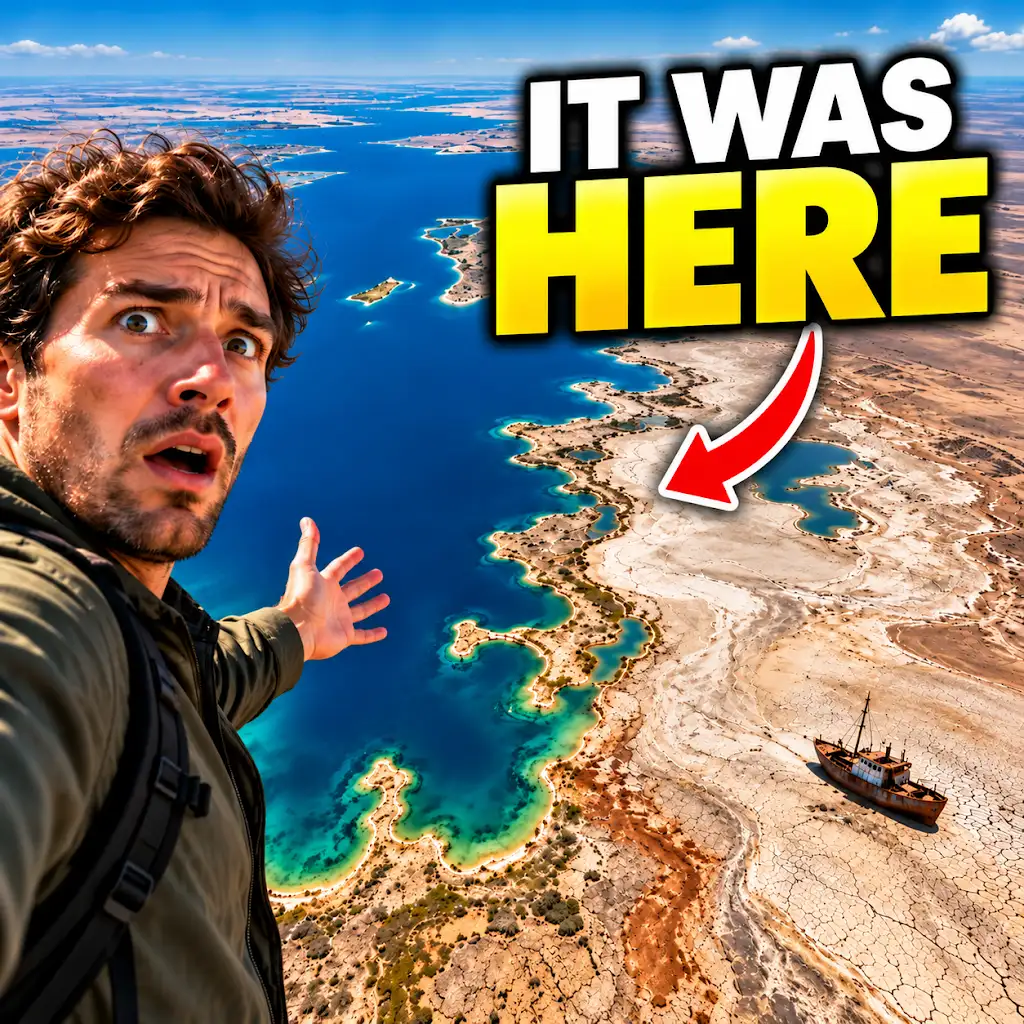
The Sea the Soviet Union Erased From the Map
FAQs
1. What caused the depletion of the Aral Sea?
The depletion of the Aral Sea was primarily caused by the diversion of water from the two rivers that fed into it, the Amu Darya and the Syr Darya, for irrigation purposes in the surrounding agricultural areas.
2. Can the Aral Sea be restored to its original size and depth?
While it may not be possible to fully restore the Aral Sea to its original size and depth, efforts are being made to replenish its water levels and improve the surrounding ecosystem through various conservation and water management projects.
3. What are some of the initiatives aimed at restoring the Aral Sea?
Initiatives aimed at restoring the Aral Sea include the construction of dams and reservoirs to capture and redirect water flow, the planting of drought-resistant vegetation to stabilize the exposed seabed, and international collaborations to address the environmental and socio-economic impacts of the sea’s depletion.
4. What are the potential benefits of restoring the Aral Sea?
Restoring the Aral Sea could lead to improved local climate conditions, revitalized fisheries and wildlife habitats, and enhanced economic opportunities for the surrounding communities through increased agricultural productivity and tourism.
5. What are the challenges in restoring the Aral Sea?
Challenges in restoring the Aral Sea include the complex socio-economic and political dynamics of the region, the ongoing demand for water resources for agriculture, and the long-term environmental damage caused by the sea’s depletion.