
The Aral Sea, once the fourth-largest lake in the world, stands as a stark testament to the devastating consequences of unsustainable water management. For decades, its shrinking waters have painted a grim picture of environmental catastrophe, desertification, and human suffering. However, the story of the Aral Sea is not solely one of loss; it is also a narrative of remarkable resilience and a burgeoning recovery, largely driven by focused conservation efforts. Examining the Aral Sea’s dramatic decline and the subsequent, albeit partial, revival offers invaluable lessons for ecological restoration worldwide.
The Aral Sea’s fate was sealed by ambitious Soviet irrigation projects initiated in the mid-20th century. The vast desert plains of Central Asia, particularly in Uzbekistan and Kazakhstan, were deemed ripe for cotton cultivation. To quench the thirst of these burgeoning cotton fields, massive diversions of the Amu Darya and Syr Darya rivers, the Aral Sea’s primary water sources, were undertaken. This decision, driven by agricultural productivity targets, set in motion a chain of environmental calamities.
The Grand Soviet Irrigation Schemes
- The Karakum Canal: One of the most significant diversions was the Karakum Canal, a colossal undertaking designed to bring water from the Amu Darya across the Karakum Desert to agricultural lands in Turkmenistan. This canal, spanning over 1,375 kilometers, siphoned off an enormous volume of water that would have otherwise replenished the Aral Sea. The sheer scale of the engineering was a marvel of its time, but its ecological cost was to become catastrophic.
- Amu Darya and Syr Darya Transformation: The Amu Darya and Syr Darya rivers, once mighty arteries flowing into the Aral Sea, were transformed into little more than trickles for much of their length. Water was extracted at numerous points, often inefficiently, leading to substantial evaporation and seepage before it could even reach the Sea. The intricate network of canals and reservoirs created to support cotton farming effectively starved the Aral Sea of its lifeblood.
The Vanishing Waters: A Dramatic Shrinkage
The consequences of these diversions were swift and devastating. Within a few decades, the Aral Sea began to shrink at an alarming rate, its surface area and volume plummeting. The once-vast inland sea fragmented, leaving behind a desolate landscape and a legacy of ecological ruin.
- Surface Area Decline: By the early 21st century, the Aral Sea had lost over 90% of its original surface area. What was once a sprawling body of water was reduced to scattered, saline remnants. The once-prominent islands, like Vozrozhdeniye (Isle of Revival), became connected to the mainland by vast expanses of salt-encrusted desert.
- Salinity Crisis: As the water receded, the remaining water became increasingly concentrated with salts and pollutants. The Aral Sea’s salinity levels, once comparable to that of the ocean, soared to levels far exceeding that of any natural body of water on Earth. This extreme salinity rendered the water inhospitable to most aquatic life, decimating fish populations.
The Ecological Fallout: A Bleak Landscape
The shrinking of the Aral Sea triggered a cascade of ecological disasters, transforming a once-vibrant ecosystem into a barren wasteland. The environmental repercussions extended far beyond the immediate vicinity of the Sea.
- Desertification and Salt Storms: The exposed seabed, a vast expanse of toxic dust and salt, became a source of frequent and ferocious dust storms. These storms, laden with salt, pesticides, and other agricultural chemicals, traveled hundreds of kilometers, damaging crops, polluting water sources, and posing serious health risks to populations in the region. The phenomenon known as the “Aralkum Desert” emerged from the dry seabed.
- Loss of Biodiversity: The extreme salinity and habitat loss led to the extinction of countless species of fish, birds, and other wildlife that depended on the Aral Sea ecosystem. The fishing industry, which had once been a significant economic driver for the region, collapsed entirely. The vibrant biodiversity of the Sea was replaced by a sterile, saline desert.
- Impact on Local Communities: The ecological collapse had a profound impact on the human communities that had historically relied on the Aral Sea for their livelihoods and sustenance. Fishermen lost their jobs, farmers struggled with poisoned land and water, and respiratory illnesses soared due to the dust storms. The once-thriving port towns of Moynaq and Aralsk became ghost towns, their ships rusting on the dusty plains as a somber reminder of what was lost.
The recovery efforts of the Aral Sea have been a subject of significant interest, showcasing both the challenges and successes in environmental restoration. An insightful article that delves into the before-and-after scenarios of the Aral Sea’s recovery can be found at this link: My Geo Quest. This resource provides a comprehensive overview of the ecological changes that have occurred over the years, highlighting the impact of human activity and the ongoing initiatives aimed at revitalizing this once-vibrant body of water.
Glimmers of Hope: The North Aral Sea Revival
Amidst the widespread desolation, a beacon of hope emerged in the northern reaches of the Aral Sea. Recognizing the dire situation and the potential for recovery, Kazakhstan initiated a series of ambitious projects to save the North Aral Sea, the smaller of the two main basins.
The Kok-Aral Dam Project
- A Monumental Undertaking: The cornerstone of this revival effort was the construction of the Kok-Aral Dam, a 13-kilometer dike that effectively separated the North Aral Sea from the more severely depleted South Aral Sea. Completed in 2005, this dam was a critical step in halting the further outflow of water from the North Aral and allowing it to begin refilling. The dam was built with sand and clay, a testament to ingenuity born from necessity.
- Water Management and Flow Restoration: The dam allowed for more controlled management of water flow from the Syr Darya River into the North Aral. Efforts were made to increase water allocation and improve irrigation efficiency in the surrounding agricultural lands, thereby diverting less water away from the river’s natural course. This reallocation of resources was crucial for the North Aral’s survival.
The Syr Darya’s Gift: Returning Waters
With the Kok-Aral Dam in place, the Syr Darya River began to replenish the North Aral Sea. The impact was remarkable, demonstrating that with dedicated intervention, even a severely damaged ecosystem could begin to heal.
- Rising Water Levels: Within a few years of the dam’s completion, the water levels in the North Aral Sea began to rise significantly. The shrinking shores started to recede, and the vast expanse of salt flats began to be covered by water once again. This visible return of water was a powerful symbol of hope.
- Decreasing Salinity: As the volume of freshwater increased, the salinity levels in the North Aral Sea started to decline. This reduction in salinity was crucial for the reintroduction of aquatic life and the eventual restoration of a more balanced ecosystem. The water, once toxic and inhospitable, began to show signs of renewed life.
A Thriving Resurgence: The North Aral Reborn
The sustained efforts and the natural replenishment have transformed the North Aral Sea from a symbol of environmental disaster into a beacon of ecological recovery. The return of water has brought about a significant resurgence of life and a positive impact on the local communities.
The Return of Aquatic Life
- Fish Populations: The most striking indicator of the North Aral Sea’s recovery has been the return of fish populations. As salinity levels normalized, fish species, including carp and bream, began to thrive once again. This resurgence was vital for the local economy.
- Fisheries Reopened: The revival of fish stocks has led to the reopening of fisheries in the region. The port of Aralsk, once a desolate symbol of decline, has seen renewed activity, with fishing boats returning to the water and the local economy showing signs of recovery. This economic revival has provided much-needed employment and hope for the people of Aralsk.
Ecological Restoration and Biodiversity
- Improved Ecosystem Health: The increased water volume and decreased salinity have contributed to the overall improvement of the North Aral Sea’s ecosystem health. Wetland areas have begun to reform, providing habitats for birds and other wildlife. The barren landscape is slowly giving way to a more vibrant and biodiverse environment.
- Birdlife Returns: The wetland restoration has attracted a diverse range of bird species, including migratory birds that once frequented the Aral Sea. The sight and sounds of abundant birdlife are a clear indication of a healing ecosystem. The return of these avian populations is a strong ecological signal.
Economic and Social Repercussions
- Job Creation and Economic Growth: The revival of the fishing industry and related activities has created much-needed employment opportunities for the local population. This economic resurgence has instilled a sense of optimism and improved the quality of life for many.
- Improved Health Conditions: The reduction in dust storms, a direct consequence of the rehydrated seabed, has led to a noticeable improvement in respiratory health among the local population. The toxic dust that once plagued the region has significantly diminished.
The Southern Aral Sea: A Lingering Challenge
While the North Aral Sea offers a success story, the situation in the Southern Aral Sea remains a complex and pressing challenge. The sheer scale of its desiccation and the continued diversion of the Amu Darya River have left the southern basin in a precarious state.
The Legacy of Extreme Salinity
- Hyper-Saline Remnants: The Southern Aral Sea has fragmented into several highly saline lakes, with salinity levels often exceeding those of the Dead Sea. This extreme salinity makes it incredibly difficult for most aquatic life to survive, hindering any significant ecological recovery.
- Toxic Dust and Health Risks: The vast, exposed salt flats of the Southern Aral Sea continue to be a source of potent dust storms. These storms carry toxic pollutants from agricultural runoff, posing significant health risks to communities in the vicinity. The Aralkum Desert remains a formidable environmental hazard.
International Cooperation and Future Prospects
- Transboundary Water Management: The future of the Southern Aral Sea is intricately linked to the cooperative management of water resources by the Central Asian nations. Sustainable irrigation practices and equitable water sharing agreements are crucial for any potential recovery.
- Long-Term Restoration Strategies: Various proposals for the long-term restoration of the Southern Aral Sea have been put forth, including the construction of further dikes and the potential for artificial replenishment. However, these ambitious plans face significant financial and technical hurdles. The scale of the problem in the South demands unprecedented international collaboration.
The recovery efforts of the Aral Sea have been a topic of significant interest, showcasing both the challenges and successes in environmental restoration. A related article provides an insightful comparison of the Aral Sea before and after these initiatives, highlighting the dramatic changes in the ecosystem and local communities. For a deeper understanding of this transformation, you can read more about it in this detailed analysis. The article emphasizes the importance of sustainable practices in reversing the damage caused by years of mismanagement.
Lessons Learned and Global Implications
| Metrics | Before Recovery | After Recovery |
|---|---|---|
| Water Level | Shrinking rapidly | Stabilized and increasing |
| Surface Area | Greatly reduced | Expanding |
| Salinity | High salinity levels | Decreasing salinity |
| Flora and Fauna | Declining biodiversity | Reintroduction of species |
The story of the Aral Sea, from its dramatic decline to its partial revival, offers invaluable lessons for the global community grappling with water scarcity and environmental degradation. The Aral Sea serves as a potent reminder of the interconnectedness of ecosystems and the long-term consequences of human actions.
The Perils of Unsustainable Agriculture
- Water-Intensive Crops: The over-reliance on water-intensive crops like cotton in arid regions, without adequate water management infrastructure and practices, proved to be a critical error. The pursuit of short-term agricultural gains led to long-term ecological devastation.
- Efficient Irrigation Techniques: The widespread adoption of inefficient irrigation methods, leading to significant water loss through evaporation and seepage, exacerbated the problem. The need for modern, water-saving technologies in agriculture cannot be overstated.
The Importance of Integrated Water Resource Management
- Holistic Planning: The Aral Sea crisis highlights the necessity of a holistic and integrated approach to water resource management. Decisions made in isolation, without considering the broader ecological and societal impacts, can have catastrophic consequences.
- Inter-State Cooperation: For transboundary river basins, effective cooperation and equitable water sharing agreements among nations are paramount to prevent such ecological disasters. The Amu Darya and Syr Darya basins serve as a stark example of the need for collaboration.
The Power of Conservation and Restoration
- Dedicated Interventions: The success of the North Aral Sea revival demonstrates the profound impact that dedicated conservation efforts and well-planned interventions can have on restoring damaged ecosystems. Political will and sustained investment are key drivers of such successes.
- Public Awareness and Advocacy: Raising global awareness about the Aral Sea’s plight and advocating for its restoration has played a crucial role in garnering support for conservation initiatives. The story of the Aral Sea continues to inspire environmentalists and policymakers worldwide.
The Aral Sea, a symbol of ecological devastation, has also become a testament to the power of human intervention and the resilience of nature. While the scars of its desiccation remain, particularly in the South, the revival of the North Aral Sea offers a tangible hope for the future. The ongoing struggle for the Aral Sea’s full recovery underscores the critical importance of sustainable water management, international cooperation, and a deep respect for the delicate balance of our planet’s ecosystems. The lessons learned from this remarkable journey are not confined to Central Asia; they resonate globally, urging us to act with greater foresight and responsibility to safeguard our precious water resources for generations to come.
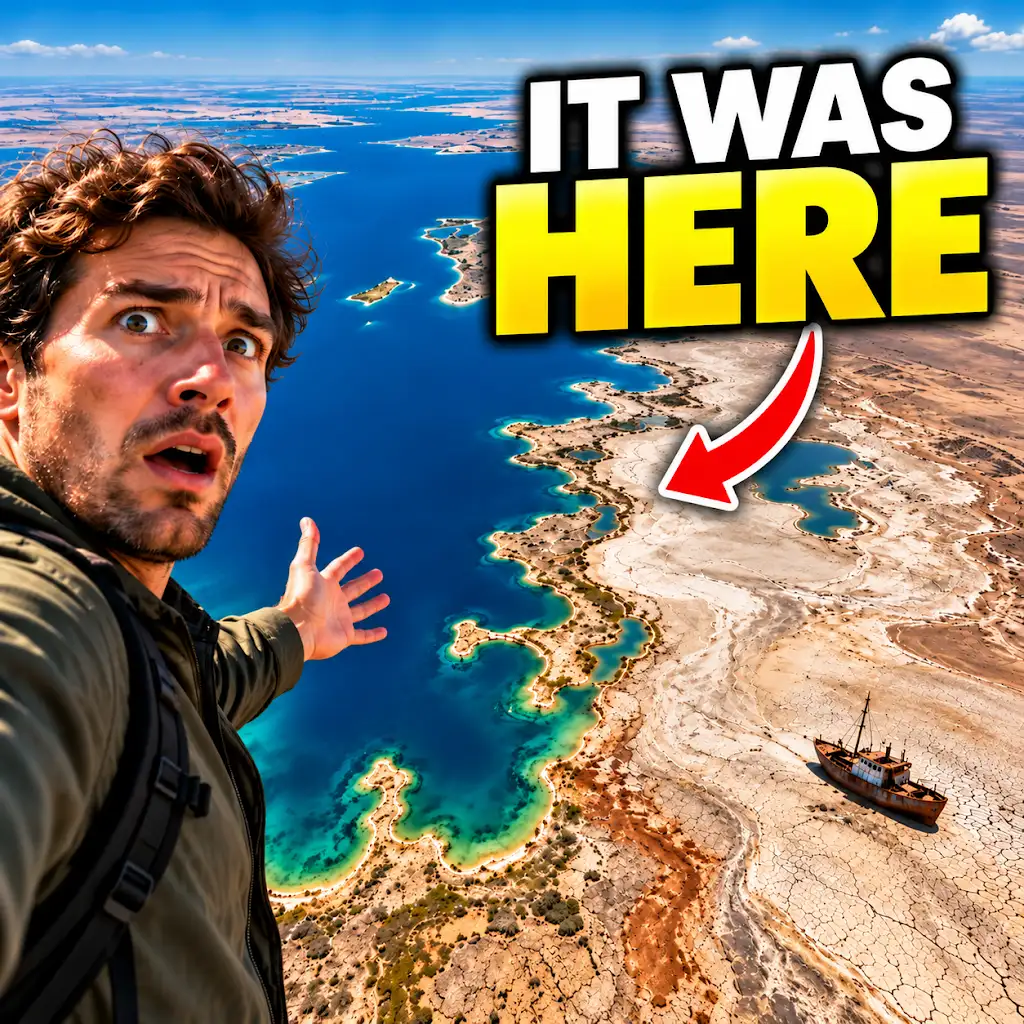
The Sea the Soviet Union Erased From the Map
FAQs
What is the Aral Sea recovery project?
The Aral Sea recovery project is a large-scale environmental restoration effort aimed at replenishing the water levels of the Aral Sea, which has significantly decreased due to water diversion for irrigation projects.
What were the conditions of the Aral Sea before the recovery project?
Before the recovery project, the Aral Sea had experienced a drastic reduction in water levels, leading to the exposure of large areas of the sea bed and the formation of salt flats. This had devastating effects on the local ecosystem and economy.
What has been done to recover the Aral Sea?
Efforts to recover the Aral Sea have included the construction of dams and canals to redirect water from the Amu Darya and Syr Darya rivers back into the sea. Additionally, measures have been taken to improve water management and reduce water consumption in the surrounding agricultural areas.
What are the results of the Aral Sea recovery project?
The recovery project has led to an increase in water levels in the northern part of the Aral Sea, resulting in the re-establishment of some fish populations and the revival of local fishing industries. The surrounding ecosystem has also shown signs of recovery.
What are the future challenges for the Aral Sea recovery?
Despite the progress made, challenges such as ongoing water management issues, climate change, and the long-term impact of the sea’s desiccation continue to pose threats to the sustainability of the Aral Sea recovery. Ongoing efforts and international cooperation will be crucial in addressing these challenges.