
The Aral Sea, once the fourth largest lake in the world, is a name that evokes images of ecological catastrophe. For decades, its dramatic shrinking served as a stark warning of humanity’s impact on the environment. Yet, in recent years, whispers of a comeback have begun to emerge, sparking both hope and skepticism. This article delves into the complex reality of the Aral Sea’s current state, exploring the efforts to revive it and the challenges that remain.
The Aral Sea’s story is a poignant illustration of unintended consequences. Its decline is inextricably linked to the ambitious Soviet irrigation projects of the mid-20th century. The Aral Sea, situated in Central Asia, was fed by two major rivers: the Amu Darya and the Syr Darya. These rivers were diverted to irrigate vast cotton fields, primarily in Uzbekistan and Turkmenistan. The rationale was to transform arid lands into productive agricultural areas, a goal that, while economically driven, ultimately proved to be environmentally devastating.
The Scale of the Disaster
The diversion of the Amu Darya and Syr Darya was so extensive that by the early 21st century, the Aral Sea had shrunk to a fraction of its former glory. What was once a vast inland sea, teeming with fish and supporting vibrant coastal communities, became two smaller, highly saline bodies of water. The North Aral Sea, fed by the Syr Darya, fared better due to dedicated conservation efforts, while the South Aral Sea, starved of the Amu Darya’s waters, all but disappeared, leaving behind a vast, toxic desert. This desiccation wasn’t merely a visual tragedy; it had profound and far-reaching consequences.
Loss of Biodiversity and Ecosystem Collapse
The hypersalinity and shrinking of the Aral Sea led to the mass death of fish populations. Industries that relied on fishing, such as canneries and shipbuilding, collapsed. Many species that once thrived in the Aral Sea’s waters, including its endemic sturgeon, vanished entirely. The surrounding wetlands, crucial breeding grounds for migratory birds and home to a diverse array of flora and fauna, withered and died. The ecosystem, once a complex and functioning entity, was fundamentally broken.
The Creation of the Aralkum Desert and Toxic Dust Storms
The exposed seabed of the South Aral Sea, now known as the Aralkum Desert, became a significant environmental hazard. This barren expanse contained not only salt but also toxic chemicals, including pesticides and fertilizers, remnants of decades of intensive agriculture. When strong winds swept across this desert, they lifted these contaminants into the atmosphere, creating massive dust storms. These storms, notorious for their toxic payload, traveled hundreds of kilometers, affecting the health of populations in neighboring regions and even as far as Europe. Respiratory illnesses, cancer rates, and birth defects were reported to have increased in areas affected by these toxic winds.
Socioeconomic Impacts on Local Communities
The collapse of the Aral Sea had devastating socioeconomic consequences for the people who lived on its shores. Fishing villages transformed into ghost towns, their inhabitants forced to abandon their homes and livelihoods in search of work elsewhere. The loss of the sea also impacted local climate patterns, leading to harsher winters and hotter summers, further straining agricultural productivity in an already challenging environment. The psychological toll on these communities, witnessing the destruction of their natural heritage and way of life, was immense.
The Aral Sea, once one of the largest lakes in the world, has faced severe shrinkage due to mismanaged irrigation projects. Recent efforts to restore this vital ecosystem have sparked discussions about its potential revival. For a deeper understanding of the ongoing restoration initiatives and their impact on the surrounding environment, you can read a related article on this topic at My Geo Quest.
The Aral Sea Recovery Project: A Beacon of Hope
Amidst the grim reality of the Aral Sea’s decline, a determined effort has emerged to reverse the damage. The Aral Sea Recovery Project, primarily focused on the North Aral Sea, has been the most significant and visible initiative aimed at bringing the waters back. Spearheaded by Kazakhstan, this project has garnered international attention and support, demonstrating that even in the face of seemingly insurmountable environmental challenges, human intervention can yield positive results.
The Kok-Aral Dam: A Crucial Intervention
The cornerstone of the Aral Sea Recovery Project is the construction of the Kok-Aral Dam. This ambitious engineering feat, completed in 2005, separates the North Aral Sea from the more severely depleted South Aral Sea. The dam’s primary purpose is to allow the North Aral Sea to retain the waters of the Syr Darya, preventing them from flowing into the increasingly saline southern basin and enabling its refilling. The construction of the dam was a monumental undertaking, involving the diversion of river flows and the precise engineering of a structure capable of withstanding the forces of nature.
Engineering Challenges and Successes
The construction of the Kok-Aral Dam was fraught with challenges. Engineers had to contend with fluctuating water levels, the unpredictable nature of the Syr Darya’s flow, and the need for robust materials to ensure the dam’s long-term stability. Despite these hurdles, the project was successfully completed, marking a significant turning point for the North Aral Sea. The dam’s design incorporated spillways to regulate water levels and prevent overtopping, ensuring a controlled release of water downstream.
The Impact of the Dam on Water Levels
Following the completion of the Kok-Aral Dam, the North Aral Sea began to show remarkable signs of recovery. The dam effectively held back the waters of the Syr Darya, allowing them to accumulate and gradually raise the water level. Within a few years, the North Aral Sea had risen significantly, and its salinity levels began to decrease, moving closer to levels that could support aquatic life. This rapid refilling was a testament to the dam’s efficacy and the importance of dedicated water management.
Restoration of Ecosystems and Biodiversity
The refilling of the North Aral Sea has not just been about restoring a body of water; it has been about reviving an entire ecosystem. As the water levels rose and salinity decreased, conditions became more favorable for the return of aquatic life. This ecological restoration is a slow and ongoing process, but the initial signs are encouraging.
The Return of Fish Populations
One of the most significant indicators of the Aral Sea’s comeback is the gradual return of fish populations. As the salinity levels dropped, species that had been driven out began to repopulate the North Aral Sea. Initially, hardy species were observed, but as the environment stabilized, there have been reports of more commercially viable fish returning. This resurgence of fish is not only a sign of ecological health but also a crucial step towards rebuilding the local fishing industry.
Re-establishment of Bird Habitats
The wetlands surrounding the North Aral Sea, which had largely dried up, have also begun to show signs of regeneration. As the water table rose, vegetation started to return, creating new habitats for migratory birds and other wildlife. The return of these species is a vital component of the Aral Sea’s ecological recovery, indicating a broader restoration of the regional environment.
Reforestation Efforts in the Aralkum Desert
While the focus has been on the North Aral Sea, efforts are also underway to mitigate the impacts of the Aralkum Desert. Reforestation projects, often involving the planting of salt-tolerant shrubs and trees, are being implemented to stabilize the desert sands and reduce the frequency and intensity of dust storms. These initiatives aim to create a buffer against the toxic dust and improve the quality of life for communities in the region.
Challenges and Complexities of a Full Recovery
Despite the undeniable progress in the North Aral Sea, a full recovery of the Aral Sea as a whole remains a distant and complex prospect. The challenges are multifaceted, involving environmental, economic, and political considerations. The fate of the South Aral Sea, in particular, presents a significant hurdle.
The Unresolved Fate of the South Aral Sea
The South Aral Sea, historically the larger and deeper portion of the lake, has suffered the most severe degradation. The primary reason for its continued decline is the ongoing diversion of the Amu Darya River’s waters for irrigation. Unlike the Syr Darya, the Amu Darya’s flow has not been as effectively managed for the benefit of the Aral Sea. Without a substantial and consistent inflow of fresh water, the South Aral Sea remains largely a saline wasteland, prone to further desiccation.
The Amu Darya River Diversion Dilemma
The Amu Darya River is crucial for agriculture in several Central Asian countries. Any significant reduction in its diversion for irrigation would have profound implications for food security and the economies of these nations. Finding a balance between the needs of agriculture and the ecological imperative of reviving the South Aral Sea is a delicate and politically charged issue. This complex interdependence between water resources and national economies makes a straightforward solution elusive.
The Aralkum Desert’s Enduring Threat
Even if measures were taken to replenish the South Aral Sea, the vast Aralkum Desert, with its toxic legacy, would remain a formidable challenge. The sheer scale of the desert and the pervasive contamination within it mean that any efforts to restore the area would be a long-term, resource-intensive endeavor. The stabilization of these sands and the mitigation of toxic dust storms require continuous investment and international cooperation.
Economic Viability and Sustainable Development
The Aral Sea’s recovery is not solely an environmental issue; it is also deeply intertwined with economic viability and sustainable development for the region. The dream of a fully restored Aral Sea needs to be grounded in practical economic realities.
Rebuilding Local Economies
The collapse of the fishing industry had a devastating impact on local economies. For the Aral Sea to truly make a comeback, sustainable economic models need to be developed that can provide livelihoods for the people in the region. This might involve developing new forms of aquaculture, ecotourism, or other industries that are compatible with a healthy Aral Sea ecosystem. The focus needs to shift from resource extraction to sustainable resource management.
The Role of International Cooperation and Funding
The Aral Sea’s challenges transcend national borders. Effective solutions require strong international cooperation and sustained financial support. Projects like the Kok-Aral Dam have benefited from international aid, but a long-term vision for the Aral Sea will necessitate ongoing collaboration and investment from governments, international organizations, and the private sector. Without this coordinated effort, the scale of the problem can be overwhelming for individual nations to address alone.
Climate Change and Future Uncertainties
Adding another layer of complexity to the Aral Sea’s recovery is the looming threat of climate change. Global warming is expected to have significant impacts on the water resources of Central Asia, potentially exacerbating the existing challenges.
Impact on Water Availability
Climate change models predict altered precipitation patterns and increased evaporation rates in the region. This could lead to reduced water availability in the Amu Darya and Syr Darya rivers, making it even more difficult to allocate water for both irrigation and ecological restoration. The delicate balance that is being sought for the Aral Sea could be further disrupted by these climatic shifts.
Adapting to a Changing Climate
Any long-term strategy for the Aral Sea must incorporate adaptation measures to account for the impacts of climate change. This might involve developing more water-efficient agricultural practices, exploring alternative water sources, and implementing robust strategies for managing water resources in a more variable and unpredictable climate. The resilience of any recovery efforts will be tested by these future uncertainties.
The Aral Sea’s Future: A Tale of Two Seas?
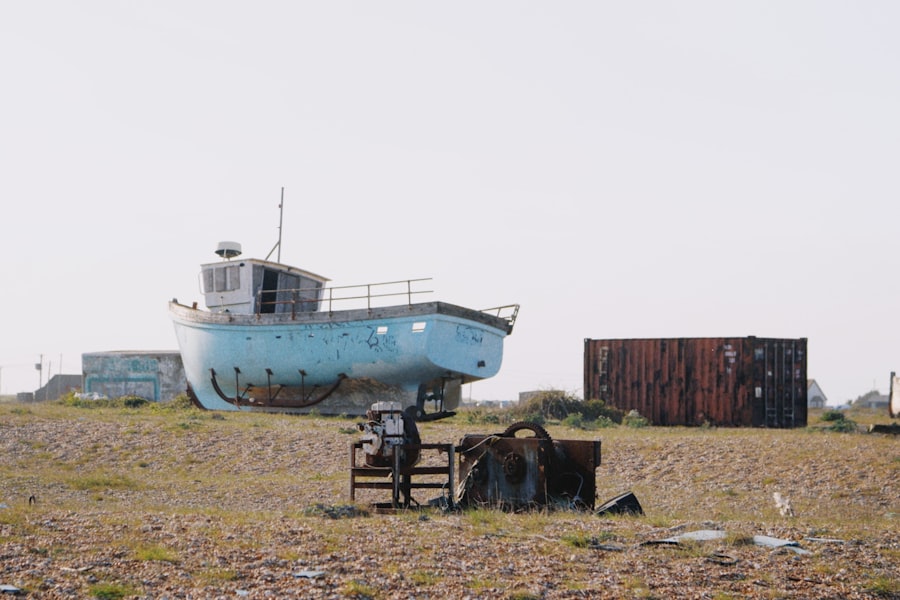
The current reality of the Aral Sea presents a complex and nuanced picture. While the North Aral Sea offers a compelling narrative of recovery, the South Aral Sea remains a stark reminder of the devastating consequences of unsustainable practices. The future of the Aral Sea may well be a story of two very different bodies of water, each with its own destiny.
The North Aral Sea: A Success Story in Progress
The North Aral Sea has become a symbol of hope and resilience. The dedicated efforts to save it have yielded tangible results, demonstrating that with political will, sound engineering, and international support, ecological restoration is possible. The ongoing monitoring and management of the North Aral Sea are crucial to ensure its continued recovery and to build upon the successes achieved so far. This part of the Aral Sea is actively demonstrating what a comeback looks like.
Lessons Learned and Best Practices
The Aral Sea Recovery Project in Kazakhstan has provided invaluable lessons for ecological restoration efforts worldwide. The success of the Kok-Aral Dam highlights the importance of targeted interventions and integrated water resource management. These lessons can inform future projects aimed at rehabilitating degraded ecosystems and mitigating the impacts of environmental mismanagement.
The South Aral Sea: A Monument to Past Mistakes and a Future Challenge
The South Aral Sea, however, continues to be a cautionary tale. Its transformation into the Aralkum Desert serves as a stark testament to the environmental cost of unchecked resource exploitation. While the prospect of its full restoration may seem daunting, continued efforts to mitigate its negative impacts, such as combating toxic dust storms and exploring innovative approaches to land rehabilitation, are essential. The challenge is not to ignore the South Aral Sea, but to find ways to manage its current state and prevent further degradation.
Innovative Solutions and Future Aspirations
The scientific community and international organizations continue to explore innovative solutions for the Aralkum Desert and the remnants of the South Aral Sea. These might include advanced soil stabilization techniques, bio-remediation methods for contaminated soils, or even the long-term aspiration of carefully managed partial refilling under specific conditions. The focus remains on mitigating harm and exploring possibilities, however challenging they may be.
The Aral Sea, once one of the largest lakes in the world, has faced dramatic shrinkage due to extensive irrigation projects, leading to significant ecological and economic consequences. Recent efforts to restore this vital body of water have sparked hope among environmentalists and local communities alike. For those interested in learning more about the ongoing restoration initiatives and their potential impact, you can read a related article that delves deeper into the subject. This insightful piece provides a comprehensive overview of the challenges and successes in the region, highlighting the importance of sustainable practices. To explore this further, check out the article here.
A Global Imperative: Learning from the Aral Sea
| Year | Surface Area (sq mi) | Volume (cu mi) |
|---|---|---|
| 2000 | 10,000 | 12.3 |
| 2010 | 6,900 | 5.4 |
| 2020 | 3,300 | 1.2 |
The Aral Sea’s journey from a thriving inland sea to an ecological wasteland and now a site of partial recovery offers profound lessons for the entire planet. Its story is a microcosm of broader environmental challenges that humanity faces today, from water scarcity to desertification and climate change. Understanding the Aral Sea’s past, present, and potential future is not just an academic exercise; it is a global imperative.
The Importance of Sustainable Resource Management
The Aral Sea serves as a critical case study in the importance of sustainable resource management. The diversion of rivers for agricultural expansion, without adequate consideration for the ecological consequences, led to disaster. This underscores the need for integrated water resource management plans that balance human needs with the preservation of natural ecosystems.
The Interconnectedness of Natural Systems
The Aral Sea’s collapse highlighted the intricate interconnectedness of natural systems. The health of the sea was linked to the health of its rivers, the surrounding wetlands, the climate, and the biodiversity it supported. Disrupting one part of this complex web had cascading effects throughout the entire system. Recognizing and respecting these interdependencies is crucial for preventing similar ecological crises elsewhere.
The Power of Human Intervention and Collective Action
The Aral Sea Recovery Project offers a powerful testament to the potential of human intervention and collective action to address environmental degradation. While the challenges are immense, the story of the North Aral Sea demonstrates that with focused effort, collaboration, and a commitment to sustainability, positive change is achievable. It shows that even in the face of overwhelming odds, hope and progress are possible.
A Call for Global Environmental Stewardship
The Aral Sea’s plight should serve as a global call for environmental stewardship. It is a reminder that our actions have far-reaching consequences and that the health of our planet depends on our collective responsibility. By learning from the mistakes of the past and embracing sustainable practices, we can work towards a future where such ecological tragedies are averted and where natural wonders like the Aral Sea can be preserved for generations to come. The comeback, however partial, of the Aral Sea is a flicker of light in a long shadow, a reminder that even the most damaged environments can, with concerted effort, begin to heal.

The Sea the Soviet Union Erased From the Map
FAQs
1. What caused the Aral Sea to shrink?
The Aral Sea shrank primarily due to the diversion of its two main tributary rivers, the Amu Darya and the Syr Darya, for irrigation purposes in the 1960s.
2. Is the Aral Sea coming back?
Efforts to restore the Aral Sea have shown some progress, with water levels increasing in certain areas. However, the sea is not expected to fully return to its original size.
3. What measures have been taken to restore the Aral Sea?
Efforts to restore the Aral Sea have included the construction of dams and reservoirs, as well as the implementation of water-saving technologies and the planting of drought-resistant vegetation.
4. What are the environmental impacts of the shrinking Aral Sea?
The shrinking of the Aral Sea has led to the exposure of toxic chemicals and salts in the former seabed, resulting in health issues for local populations and the loss of biodiversity in the region.
5. What is the current status of the Aral Sea restoration project?
While some progress has been made in restoring the Aral Sea, challenges such as ongoing water diversion for irrigation and climate change continue to impact the success of the restoration efforts.