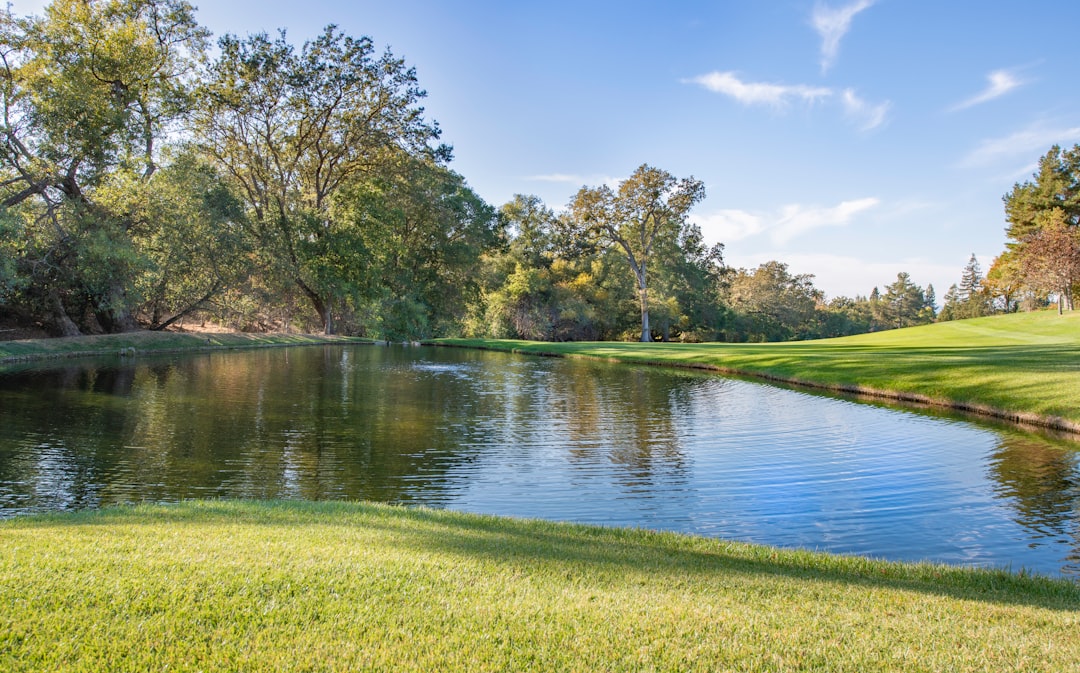
The shimmering, once boundless waters of the North Aral Sea now present a poignant tableau of ecological recovery. For decades, this vast inland body of water, shared by Kazakhstan and Uzbekistan, suffered a catastrophic decline, transforming from a thriving ecosystem and vital economic resource into a stark symbol of environmental mismanagement. However, a remarkable resurgence, driven by concerted efforts and significant engineering, has begun to rewrite this tragic narrative. Examining the Aral Sea’s “before” and “after” offers a profound lesson in ecological resilience and the potential for human intervention to mend what has been broken.
A Once-Great Inland Sea
The Aral Sea, once the fourth-largest lake in the world, was a significant geographical feature in Central Asia. Its immense size and rich biodiversity supported a vibrant fishing industry and sustained the livelihoods of countless communities. Fed primarily by the Amu Darya and Syr Darya rivers, the sea was a cradle of life, its waters teeming with fish and its shores a haven for diverse birdlife. The sheer scale of the Aral Sea meant it played a crucial role in the regional climate, influencing weather patterns and supporting unique ecosystems. Its existence was intrinsically linked to the prosperity and cultural identity of the surrounding populations, who had relied on its bounty for generations. The natural balance of this colossal lake was a testament to millennia of natural processes, a delicate equilibrium that would, tragically, be disrupted.
Economic Hub and Source of Life
For the Soviet era, the Aral Sea was more than just a natural wonder; it was an economic engine. Its productive waters yielded a substantial portion of the Soviet Union’s fish catch, supplying markets across the vast nation. Ports like Aralsk and Muynak bustled with activity, serving as vital centers for fishing fleets, processing plants, and related industries. The economic significance extended beyond fishing, with the sea’s proximity influencing agricultural practices and supporting local economies. The livelihoods of thousands were directly tied to the health and productivity of the Aral Sea. The bounty of its waters provided not only sustenance but also employment and a sense of purpose for many communities. This robust economic ecosystem, however, was built on a foundation that would soon prove unsustainable.
A Fragile Ecosystem Under Pressure
Despite its grandeur, the Aral Sea’s ecosystem was inherently fragile, particularly its reliance on the consistent flow of its feeder rivers. The unique saline balance and the specific aquatic life it supported were finely tuned to these water sources. The delicate interplay of freshwater inflow, evaporation rates, and nutrient cycles created an environment where specialized species thrived. The Aral Sea was home to a rich array of fish species, many of which were commercially important, and supported a diverse bird population, making it a significant migratory stopover point. This intricate web of life, though appearing robust, was vulnerable to any significant alteration in its water balance. The very factors that made it a rich ecosystem also made it susceptible to collapse if its lifeblood was diminished.
The North Aral Sea, once a thriving body of water, has faced significant ecological challenges due to the diversion of rivers for agricultural purposes. An insightful article that delves into the historical context and the environmental consequences of this crisis can be found here: My Geo Quest. After extensive efforts for restoration, recent initiatives have shown promising results in reviving the North Aral Sea, highlighting the importance of sustainable water management practices.
The Era of Grand Illusions: Diversion and Decline
The Soviet Irrigation Projects
The mid-20th century marked a turning point for the Aral Sea, ushering in an era of ambitious and ultimately devastating Soviet irrigation schemes. Driven by a desire to transform arid Central Asian lands into productive cotton-growing regions, vast quantities of water were diverted from the Amu Darya and Syr Darya rivers. The logic was simple: utilize the abundant river water to cultivate cash crops in the desert. This policy, conceived with the best intentions of agricultural expansion and economic self-sufficiency, failed to account for the ecological consequences of such massive water extraction. The construction of extensive canal systems, like the Karakum Canal, was a monumental engineering feat, but one that came at an irreparable cost to the Aral Sea.
The Vanishing Act
The impact of these diversions was swift and catastrophic. Without the steady influx of freshwater, the Aral Sea began to shrink at an alarming rate. The southern parts of the sea, being more remote and receiving less direct river flow, were the first to experience significant recession. Evaporation, exacerbated by the arid climate, accelerated the process. Within a few decades, the sea had lost an estimated 90% of its volume. Entire coastlines, once vibrant with human activity, receded for miles, leaving behind vast, desiccated plains. The shrinking of the Aral Sea was not a gradual ebb; it was a dramatic and terrifying disappearance.
Ecological Devastation and Human Suffering
The consequences of the Aral Sea’s desiccation were profound and far-reaching. The once-thriving fishing industry collapsed, leading to widespread unemployment and economic ruin for coastal communities. Fishing fleets were abandoned, rusting hulks stranded on the dry seabed. The salty, dusty plains that emerged were prone to dust storms, carrying toxic agricultural chemicals and salt far and wide, contaminating soil and water sources, and causing severe respiratory and other health problems for local populations. The loss of the Aral Sea was not just an environmental disaster; it was a humanitarian crisis, impacting the health, livelihoods, and very existence of millions. The ecological devastation was mirrored by a human tragedy of immense proportions.
The Seeds of Hope: The Kokaral Dam and Revival Efforts
A Glimmer of Awareness
As the Aral Sea continued its dramatic decline, the scale of the environmental catastrophe became undeniable, even to the Soviet authorities. The dire consequences for human health, the economy, and the regional climate eventually spurred a recognition of the need for action. However, the sheer magnitude of the problem presented a daunting challenge. The focus of any potential solution would have to be the Aral Sea’s most vital component: its water.
The Saga of the Kokaral Dam
The North Aral Sea, being shallower and more accessible to the Syr Darya river, was identified as a potential candidate for revival. The key to this ambitious undertaking lay in controlling and directing the limited water flow from the Syr Darya. This led to the conception and construction of the Kokaral Dam, a massive engineering project designed to separate the North Aral Sea from the rapidly diminishing South Aral Sea. The dam, completed in stages, was intended to prevent the northward flow of saline water and to help retain any freshwater that entered the northern basin. It represented a significant investment and a bold gamble on the possibility of ecological recovery.
International Cooperation and Funding
The Aral Sea crisis transcended national borders, necessitating international cooperation. The states of Central Asia, newly independent after the collapse of the Soviet Union, recognized the shared nature of the problem and the need for a collective approach. International organizations and donor countries provided crucial financial and technical support for the revival efforts, acknowledging the global implications of the disaster. This collaboration, though sometimes challenging, was essential for mobilizing the resources and expertise required for such an enormous undertaking.
The Aral Sea Reborn: A Testament to Resilience
The Waters Return
The impact of the Kokaral Dam and the continued, albeit reduced, flow of the Syr Darya has been nothing short of remarkable. The dam effectively created a smaller, more manageable Aral Sea, allowing for the accumulation of freshwater. The waters of the North Aral Sea began to rise, slowly at first, and then with increasing momentum. The receding shorelines, once a symbol of loss, started to creep back inland. The transformation from a parched wasteland to a body of water was a visible and powerful testament to the sea’s inherent resilience.
Re-emergence of Life
As the waters returned, so too did life. The increased freshwater influx lowered salinity levels, making the environment more hospitable for aquatic species. Fish populations, which had been decimated, began to rebound. The return of fish brought with it the return of fishing activity, albeit on a smaller scale than before. Coastal communities, devastated by the earlier collapse, saw a glimmer of renewed economic opportunity. The return of fish was not just an economic indicator; it was a powerful sign of ecological healing, a signal that the Aral Sea was beginning to breathe again. Birdlife, which had abandoned the desolate shores, also started to return, drawn by the renewed abundance of food and habitat.
A Healthier Environment
The revival of the North Aral Sea has also had a positive impact on the local environment. The reduction in dust storms, carrying salt and toxins, has led to improved air and soil quality. The increased humidity and presence of a large body of water have begun to influence local microclimates, potentially mitigating some of the harsher climatic conditions that developed during the sea’s decline. The overall environmental health of the region has seen a tangible improvement, offering a much-needed respite to communities long plagued by ecological degradation.
The North Aral Sea has undergone significant changes over the past few decades due to various environmental factors and human intervention. Before the extensive irrigation projects began in the 1960s, the sea was a thriving ecosystem supporting diverse wildlife and local communities. However, as water diversion for agriculture increased, the sea began to shrink dramatically, leading to ecological and economic challenges for the region. To learn more about the historical context and the ongoing efforts to restore this vital body of water, you can read a related article here. After years of concerted restoration efforts, there are signs of recovery, but the future of the North Aral Sea remains uncertain as climate change and water management issues continue to pose threats.
Lessons from the Aral Sea: A Global Imperative
| Metrics | Before | After |
|---|---|---|
| Water surface area (sq km) | 3,300 | 1,100 |
| Water volume (cu km) | 54.6 | 9.2 |
| Salinity (g/L) | 10 | 100 |
| Fish species | 24 | 9 |
The Perils of Unsustainable Practices
The story of the Aral Sea serves as a stark and enduring warning about the dangers of unsustainable resource management. The relentless pursuit of short-term economic gains, without adequate consideration for long-term ecological consequences, can lead to irreversible environmental damage. The Soviet irrigation projects, while successful in their immediate goal of boosting cotton production, ultimately sowed the seeds of ecological devastation that continue to impact the region. This narrative underscores the critical importance of adopting holistic and sustainable approaches to resource utilization.
The Power of Intervention and Restoration
However, the Aral Sea’s story is also one of hope and the potential for ecological restoration. The successful revival of the North Aral Sea demonstrates that with determined effort, scientific understanding, and concerted action, even severely degraded ecosystems can be brought back from the brink. The Kokaral Dam project, though a massive engineering feat, highlights the power of human ingenuity when applied to environmental challenges. It offers a tangible example of how targeted interventions can begin to mend the damage caused by past mistakes.
A Call for Global Environmental Stewardship
The lessons learned from the Aral Sea are not confined to Central Asia. They resonate globally, offering a crucial reminder of our collective responsibility as stewards of the planet. As climate change intensifies and resource scarcity becomes a growing concern, the Aral Sea’s experience underscores the urgent need for international cooperation, responsible water management, and a fundamental shift towards sustainable development. The tale of the Aral Sea, from its devastating decline to its remarkable revival, is a powerful call to action, urging us to learn from the past and to actively work towards a more sustainable and ecologically balanced future for all. The efforts to revive the North Aral Sea offer a beacon of hope, proving that even in the face of immense ecological challenges, recovery and renewal are possible.

The Sea the Soviet Union Erased From the Map
FAQs
What is the North Aral Sea?
The North Aral Sea is a landlocked body of water located in Kazakhstan. It was once part of the larger Aral Sea, but due to environmental factors, it has shrunk significantly over the years.
What caused the shrinkage of the North Aral Sea?
The shrinkage of the North Aral Sea was primarily caused by the diversion of water from the rivers that fed into it for irrigation purposes. This led to a significant decrease in the water levels and an increase in salinity, which had detrimental effects on the ecosystem and the surrounding communities.
What were the environmental impacts of the shrinkage of the North Aral Sea?
The shrinkage of the North Aral Sea led to a loss of biodiversity, the destruction of fish populations, and the exposure of toxic chemicals and pollutants in the newly exposed seabed. This had a negative impact on the health and livelihoods of the local population.
What efforts have been made to restore the North Aral Sea?
Efforts to restore the North Aral Sea have included the construction of a dam to prevent further water loss, the introduction of water-saving technologies in agriculture, and the replenishment of water from the remaining part of the Aral Sea. These efforts have led to a partial recovery of the North Aral Sea.
What is the current state of the North Aral Sea?
The current state of the North Aral Sea shows signs of improvement, with water levels and biodiversity gradually increasing. However, the ecosystem is still fragile, and ongoing efforts are needed to ensure its long-term sustainability.