
The Aral Sea, once a vast inland sea shimmering with life, had become a stark symbol of environmental devastation. For decades, its waters had receded, leaving behind a desolate, salt-crusted desert and a trail of ecological and economic ruin. Yet, in a story that has captivated the world, a remarkable feat of engineering and international cooperation has begun to breathe life back into its northern reaches. This is the story of the revival of the North Aral Sea, a testament to human ingenuity and the enduring power of nature when given a fighting chance.
The Aral Sea’s tragic downfall was not a sudden cataclysm but a slow, agonizing process, a symphony of loss played out over decades. Its decline is inextricably linked to the ambitious agricultural projects of the Soviet era, a grand vision that ultimately proved devastating.
Irrigation’s Unintended Consequence
The Divergence of Rivers
In the mid-20th century, the Soviet Union embarked on a massive irrigation scheme to transform the arid Central Asian landscape into fertile cotton fields. This involved diverting the two main rivers that fed the Aral Sea: the Amu Darya and the Syr Darya. These once mighty arteries of water, flowing from distant mountain ranges, were channeled through an elaborate network of canals to irrigate cotton plantations. The scale of this undertaking was immense, a testament to a centrally planned economy’s drive to maximize agricultural output. However, the ecological consequences were not fully considered, or perhaps intentionally overlooked.
The Shrinking Giant
As more and more water was siphoned away, the Aral Sea began its inexorable retreat. The surface area of the sea, which had once been the fourth-largest lake in the world, started to shrink at an alarming rate. This wasn’t a gradual ebb; it was a dramatic contraction, leaving behind vast expanses of dry land where water once flowed. The ecological balance was shattered.
Ecological Devastation and Human Suffering
A Salty Grave
The receding waters left behind a toxic legacy. The exposed seabed, rich in salts, fertilizers, and pesticides used in agriculture, became a source of dust storms. These storms, carrying microscopic particles of this toxic mixture, traveled for hundreds of kilometers, impacting human health, agriculture, and ecosystems far beyond the immediate vicinity of the sea. Respiratory illnesses, cancers, and birth defects became increasingly prevalent in the surrounding communities.
The Collapse of Fisheries
The Aral Sea had been a vibrant ecosystem, supporting a thriving fishing industry that provided livelihoods for thousands of people. As the water levels dropped and salinity increased, fish populations plummeted. The once bustling fishing towns, like Aralsk, were left stranded miles from the new shoreline, their piers leading to dry, cracked earth. Fishing fleets rusted away, and the once-proud fishing fleets became ghost ships on a parched landscape. The economic backbone of these communities was shattered, leading to widespread unemployment and social upheaval.
Climate Change and Desertification
The vast expanse of dry land also contributed to regional climate change. The moderating influence of the large body of water was lost, leading to more extreme temperature fluctuations. Summers became hotter and drier, while winters grew colder and harsher. The region began to experience desertification, with fertile land turning into barren wasteland, further exacerbating the agricultural challenges.
The recovery of the North Aral Sea has been a significant environmental success story, showcasing the positive impact of targeted conservation efforts. For further insights into this remarkable transformation and the ongoing challenges faced in the region, you can read a related article on My Geo Quest. This article delves into the strategies implemented to restore the North Aral Sea and the lessons learned from this unique ecological recovery. For more information, visit My Geo Quest.
The Glimmer of Hope: A Dike of Determination
Amidst the overwhelming despair, a flicker of hope emerged, driven by the sheer resilience of the human spirit and the growing understanding of the ecological crisis. The realization dawned that something had to be done to salvage what remained, particularly the northern part of the sea, which was still relatively intact.
The Kok-Aral Dam: A Symbol of Revival
The most significant intervention was the construction of the Kok-Aral Dam. This ambitious engineering project, initiated in 2005, was designed to separate the North Aral Sea from the more severely degraded South Aral Sea. The dam, built with a series of interconnected dikes and spillways, aimed to retain the freshwater flowing into the North Aral Sea from the Syr Darya River. This was a crucial step, allowing the northern basin to gradually refill without being diluted by the increasingly saline waters of the south.
International Cooperation and Funding
The revival of the North Aral Sea was not solely a national endeavor. It required significant international cooperation and financial assistance. The World Bank played a pivotal role, providing crucial funding and technical expertise for the dam’s construction and subsequent water management efforts. Other international organizations and countries also contributed, recognizing the transboundary implications of the Aral Sea disaster and the potential for a successful recovery to serve as a model for other environmental restoration projects. This collaborative spirit was essential in overcoming the immense challenges.
The Role of Kazakhstan
The government of Kazakhstan, particularly the regional authorities in Kyzylorda Oblast, championed the cause of the North Aral Sea’s revival. They recognized the dire economic and social consequences of the sea’s disappearance and committed resources and political will to the project. Their dedication was instrumental in driving the project forward and ensuring its success.
The Waters Return: A Gradual Rebirth
The construction of the Kok-Aral Dam marked a turning point. With the inflow of freshwater from the Syr Darya now contained, the North Aral Sea began a slow but steady process of recovery. The initial results were almost miraculous, offering tangible proof that the dream of a revived sea was not merely an illusion.
Rising Water Levels and Decreasing Salinity
Within a few years of the dam’s completion, the effects were palpable. The water level in the North Aral Sea began to rise. This was not an immediate filling, but a consistent and measurable increase. Crucially, as the freshwater accumulated, the salinity of the water started to decrease. The higher influx of less saline water from the Syr Darya began to dilute the existing salt content, making the environment more hospitable for aquatic life.
Restoring the Ecosystem
The reduction in salinity and the rising water levels had a profound impact on the local ecosystem. The once barren shores began to show signs of life. Algae and other aquatic plants started to return, forming the base of a new food web. This, in turn, attracted zooplankton, and soon, fish populations began to show signs of recovery.
The Return of Fish Species
The most encouraging sign was the gradual return of fish species that had long disappeared from the North Aral Sea. Indigenous species, adapted to the original Aral Sea conditions, began to repopulate the waters. Efforts were also made to introduce commercially valuable species that could help revive the local fishing industry. This was a critical step in restoring the economic well-being of the communities that had been so devastated by the sea’s decline.
Revitalizing Livelihoods: A Fishery’s Resurgence
The revival of the North Aral Sea has had a direct and transformative impact on the lives of the people living in the surrounding regions. The return of the sea has meant the return of livelihoods, hope, and a sense of community that had been lost for generations.
The Revival of the Fishing Industry
The most significant economic impact has been the resurgence of the fishing industry. As fish populations increased and water quality improved, fishing activities recommenced. Local fishermen, who had been forced to abandon their traditional livelihoods, were able to return to the water. New boats were built, and fishing infrastructure was re-established. The return of a viable fishing industry has brought much-needed employment and economic stability to the region.
New Economic Opportunities
Beyond fishing, the revitalized sea has opened up new economic avenues. The increased water availability has allowed for the improvement of local irrigation systems, supporting agricultural activities that were previously hampered by water scarcity. Furthermore, the prospect of a healthier environment has attracted investment in eco-tourism, with visitors coming to witness the remarkable recovery of the North Aral Sea. This diversification of economic activities is crucial for long-term sustainability.
Improved Living Conditions and Health
The positive environmental changes have also translated into improved living conditions and health for the local population. The reduction in dust storms, carrying fewer toxic particles, has led to a decrease in respiratory illnesses and other health problems associated with the Aral Sea disaster. Access to cleaner water for domestic use and agriculture has also improved the quality of life for many. The air feels cleaner, and the future seems brighter.
The recovery of the North Aral Sea has garnered significant attention due to its remarkable ecological restoration efforts. A related article discusses the innovative strategies employed to revitalize this once-dwindling body of water, highlighting the positive impact on local communities and biodiversity. For more insights on this topic, you can read the full article here. The ongoing efforts serve as a testament to the potential for environmental rehabilitation in areas affected by human activity.
Challenges and the Road Ahead: Sustaining the Miracle
| Year | Water Level (m) | Surface Area (sq km) | Fish Catch (tonnes) |
|---|---|---|---|
| 2003 | 30.7 | 2,550 | 0 |
| 2008 | 42.3 | 3,300 | 1,100 |
| 2018 | 42.5 | 3,300 | 3,000 |
While the revival of the North Aral Sea is an undeniable success story, the journey is far from over. Significant challenges remain in ensuring the long-term sustainability of this remarkable recovery.
The Threat of Salinity and Evaporation
Despite the progress, maintaining optimal salinity levels remains a constant concern. Evaporation continues to be a factor, and any significant reduction in the Syr Darya’s flow could lead to increased salinity once again. Continuous monitoring and adaptive management strategies are crucial to address these fluctuations. The delicate balance must be carefully maintained.
The Fate of the South Aral Sea
The more ambitious goal of reviving the South Aral Sea, which is now a highly saline and fragmented body of water, remains a formidable challenge. While some efforts have been made, the sheer scale of the problem and the continued diversion of water resources make a full recovery in the south highly uncertain. The stark contrast between the revitalized north and the desolate south serves as a constant reminder of the immense scale of the original disaster.
Ensuring Sustainable Water Management
The long-term health of the North Aral Sea depends on sustainable water management practices not only within Kazakhstan but also in the upstream countries that share the Syr Darya basin. International cooperation and agreements on water allocation are vital to ensure a consistent and adequate flow of water into the North Aral Sea, especially during periods of drought or increased demand.
Protecting the Ecosystem from Future Threats
As the North Aral Sea recovers, it becomes increasingly important to protect its fragile ecosystem from new threats. This includes managing pollution from agricultural runoff and industrial activities, as well as preventing overfishing. Establishing protected areas and implementing conservation measures will be crucial to safeguard the biodiversity that is slowly returning.
The revival of the North Aral Sea is a powerful testament to what can be achieved when humanity confronts its environmental mistakes with determination and collaboration. It is a story of resilience, innovation, and the enduring capacity of nature to heal when given a chance. The shimmering waters of the North Aral Sea, once a symbol of ecological catastrophe, now stand as a beacon of hope, a promise of renewal, and a vital lesson for the future. The journey has been arduous, but the sight of returning birds, thriving fish, and the laughter of children playing by the water’s edge are the most eloquent indicators of a miracle in progress.
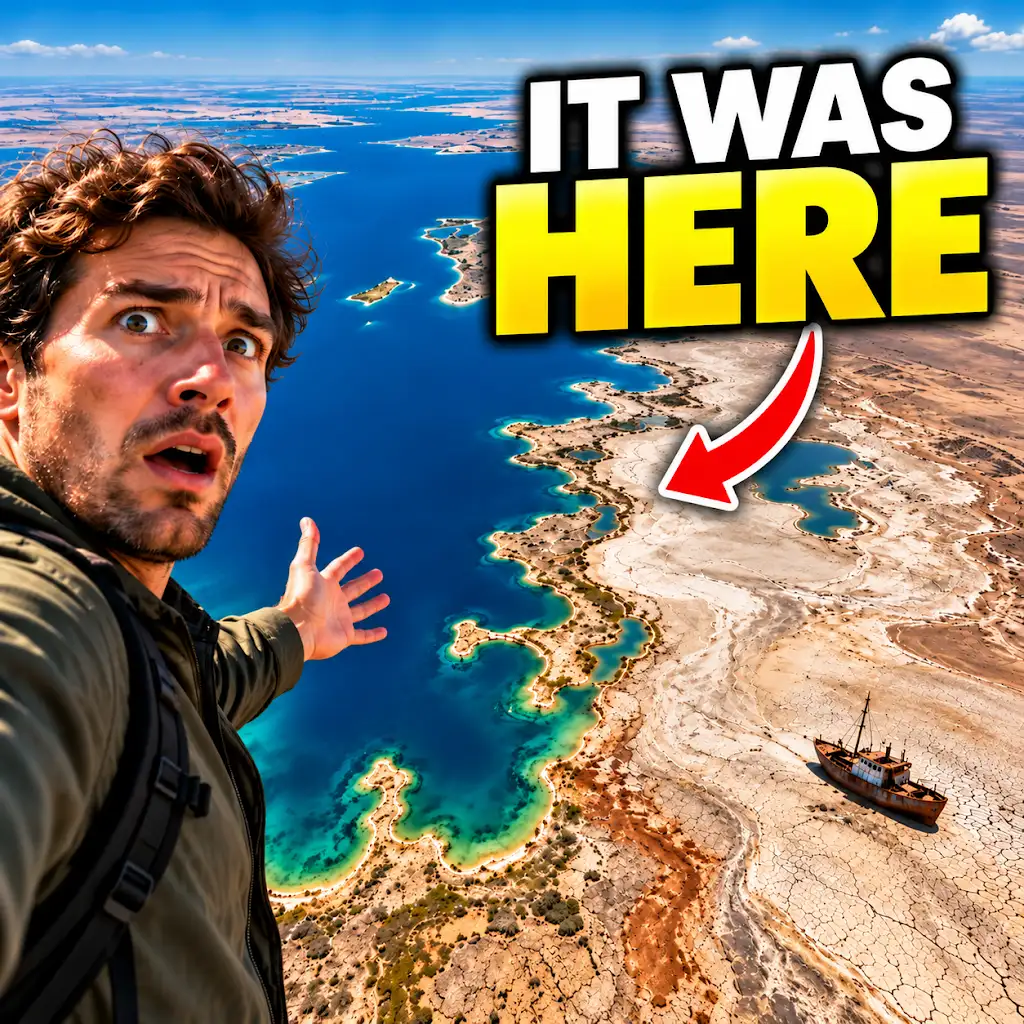
The Sea the Soviet Union Erased From the Map
FAQs
What is the North Aral Sea recovery?
The North Aral Sea recovery refers to the efforts to restore the northern part of the Aral Sea, which had been severely depleted due to irrigation projects that diverted water from its sources.
What caused the depletion of the Aral Sea?
The depletion of the Aral Sea was primarily caused by the diversion of water from its sources, the Amu Darya and Syr Darya rivers, for irrigation projects in the surrounding region.
What are the environmental impacts of the Aral Sea depletion?
The depletion of the Aral Sea led to a range of environmental impacts, including the exposure of toxic chemicals and salts in the exposed lake bed, loss of biodiversity, and negative effects on the climate and local ecosystems.
What efforts have been made to recover the North Aral Sea?
Efforts to recover the North Aral Sea have included the construction of a dam to restore water levels, the implementation of water conservation measures, and international cooperation to address the environmental and social impacts of the sea’s depletion.
What are the current conditions of the North Aral Sea?
As a result of the recovery efforts, the water levels in the North Aral Sea have increased, leading to improvements in the local environment, including the return of fish populations and the revitalization of local communities that rely on the sea for their livelihoods.