The Aral Sea, once the fourth-largest lake in the world, a vibrant inland sea teeming with life and a vital resource for the surrounding populations, has become a stark monument to human ambition and its unintended consequences. Its dramatic shrinkage and subsequent devastation stand as one of the most profound ecological disasters of the 20th century, a chilling testament to the fragility of ecosystems when subjected to unsustainable human intervention. The story of the Aral Sea’s demise is a complex tapestry woven from political directives, agricultural ambitions, and ultimately, ecological collapse.
The Aral Sea, located in Central Asia, straddling the border between Kazakhstan and Uzbekistan, was a marvel of nature. Its immense size and unique ecosystem supported a rich biodiversity and a flourishing fishing industry. For centuries, the livelihoods of millions were inextricably linked to its waters.
A Natural Oasis in an Arid Land
The sea’s existence was a gift to an otherwise arid region. Its vast expanse moderated the local climate, providing a more temperate environment than the surrounding deserts. This created a microclimate that was conducive to human settlement and agricultural development, albeit on a smaller scale than what would later emerge. The abundance of water meant that life could thrive in an area where it would otherwise struggle to take root.
The Heart of a Fishing Economy
Fishing was not merely an industry; it was the lifeblood of the Aral Sea basin. The sea was exceptionally productive, supporting a thriving population of fish, including unique species like the Aral barbel, Aral trout, and the prized Aral sturgeon. These species formed the basis of a robust fishing industry that provided sustenance and economic prosperity to numerous communities. Coastal towns like Aralsk and Muynak were bustling centers of trade and commerce, their economies built on the bounty of the sea. The daily catches were legendary, fueling local economies and contributing to the broader Soviet food supply. The image of bustling fishing fleets and lively markets was once a defining characteristic of the region.
Navigational Routes and Cultural Significance
Beyond its economic importance, the Aral Sea also served as a crucial navigational route, facilitating trade and transportation between settlements. Its waters connected communities, fostering cultural exchange and a shared identity. The sea was woven into the fabric of local folklore and traditions, its rhythms dictating the lives and celebrations of the people who lived beside it. It was a source of pride and a symbol of abundance, a natural wonder that defined the identity of the region for generations.
The tragic story of the Aral Sea’s decline due to extensive irrigation practices is a poignant example of environmental mismanagement. For a deeper understanding of the factors that contributed to this ecological disaster, you can explore the article titled “The Aral Sea: A Case Study in Environmental Degradation” available at this link. This article delves into the historical context, the impact of agricultural expansion, and the long-term consequences of diverting rivers that once fed the sea, highlighting the urgent need for sustainable water management practices.
The Grand Soviet Irrigation Scheme: A Quest for Cotton
The seeds of the Aral Sea’s destruction were sown in the mid-20th century, driven by the Soviet Union’s ambitious agricultural policies, particularly its insatiable demand for cotton. The vast arid lands of Central Asia were seen as ideal for cotton cultivation, a highly profitable cash crop. To realize this vision, an unprecedented irrigation project was initiated, one that would ultimately prove catastrophic.
The Amu Darya and Syr Darya: Lifelines Diverted
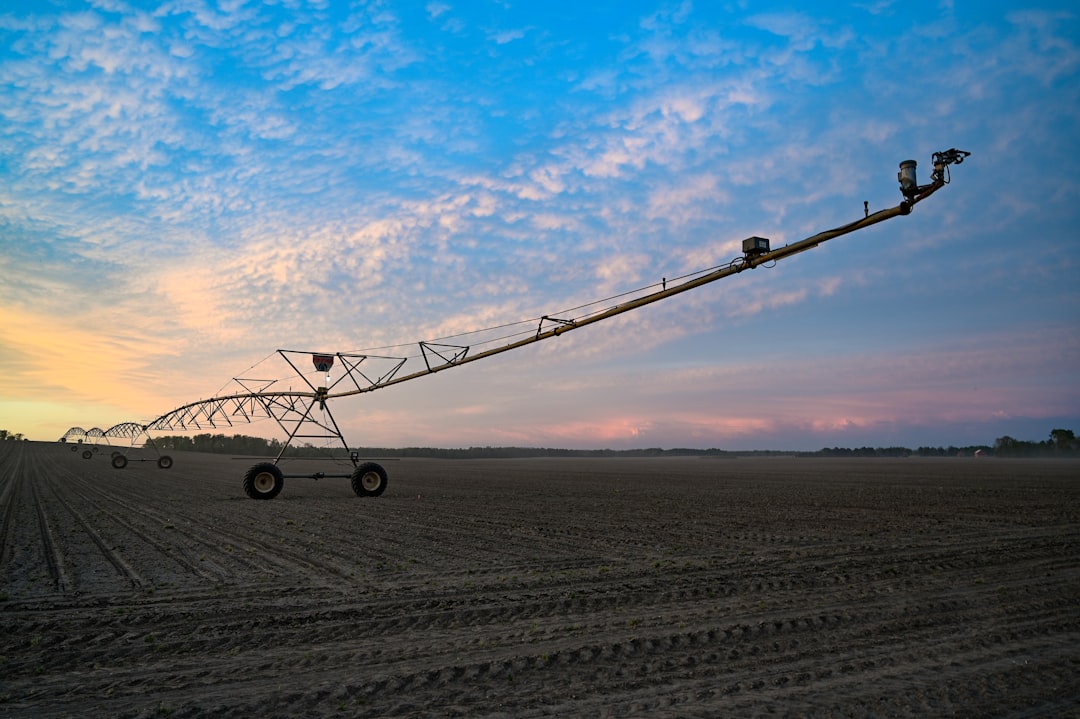
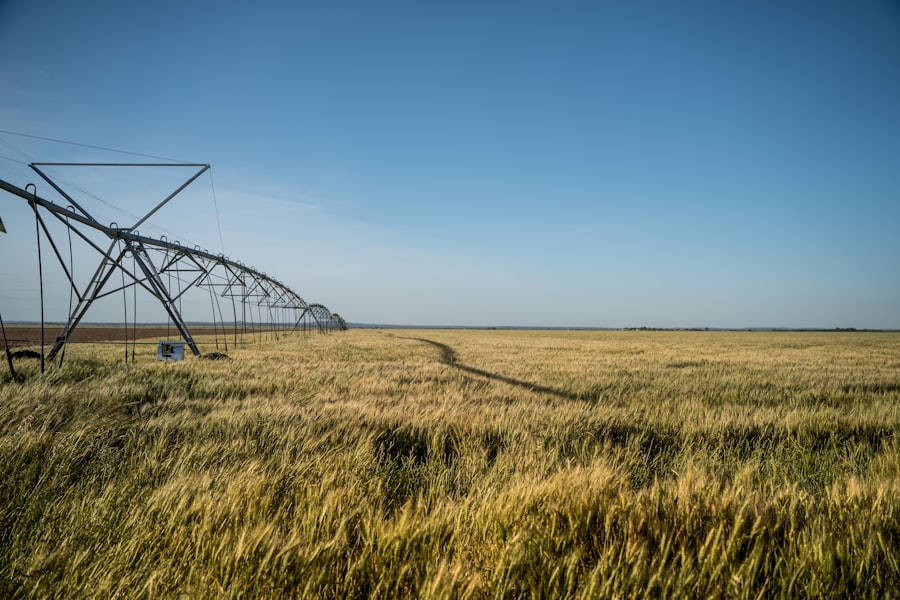
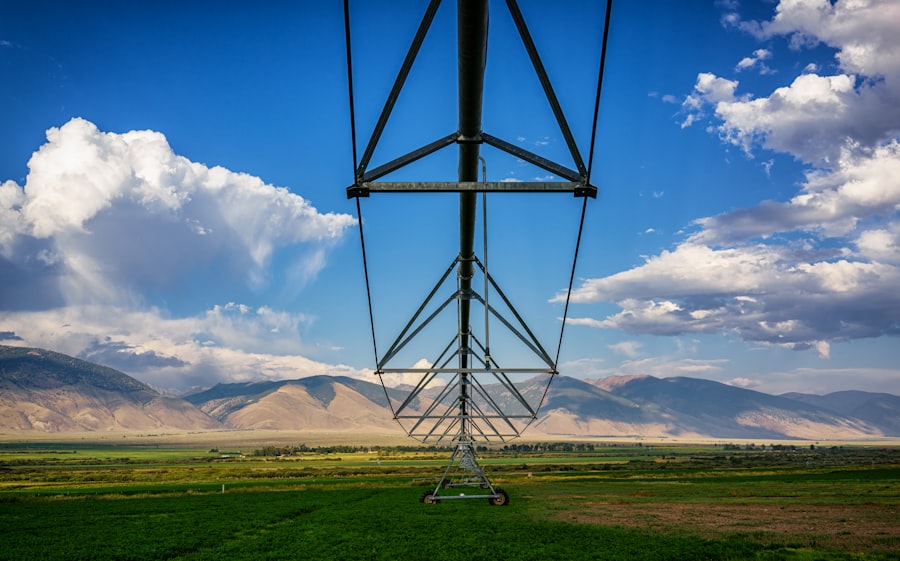
The Aral Sea was primarily fed by two mighty rivers, the Amu Darya and the Syr Darya. These rivers, originating in the distant Pamir and Tian Shan mountains, were the lifeblood of the Aral Sea. In the 1960s, under Soviet central planning, massive diversion canals were constructed to channel the water from these rivers to irrigate vast tracts of land for cotton cultivation. The principle was simple: turn desert into productive farmland. The ambition was immense, and the engineering feats were considerable. However, the long-term ecological consequences were largely ignored in the pursuit of immediate economic gains. The scale of the diversion was unprecedented, aiming to transform millions of hectares of arid land into fertile cotton fields.
The Obsession with Cotton: A National Priority
Cotton, often referred to as “white gold,” became a national obsession for the Soviet Union. Central Asia, with its warm climate and seemingly endless supply of sunshine, was designated as the prime cotton-growing region. The Soviet government poured resources and manpower into expanding cotton production, viewing it as a crucial export commodity that could generate significant revenue. The drive for increased yields and the fulfillment of ambitious production quotas overshadowed any concerns about the environmental impact. The pursuit of cotton became a top priority, eclipsing the health of the Aral Sea.
The Scale of Diversion: A Silent Theft of Water
The sheer scale of the water diversion was staggering. Hundreds of thousands of cubic kilometers of water, intended for the Aral Sea, were instead channeled through a vast network of canals, many of which were inefficient and leaked profusely. The Karakum Canal, one of the largest irrigation projects in the world, played a significant role in this diversion. The water flowed, but much of it evaporated or seeped into the parched earth before reaching its intended destination, let alone the Aral Sea. This silent theft of water began to starve the sea, its lifeblood slowly but steadily being siphoned away. The inefficiencies of the canal system only exacerbated the problem, meaning that even more water was lost in transit than was strictly necessary.
The Shrinking Sea: A Slow and Painful Death
As the irrigation canals began to channel away the rivers’ waters, the Aral Sea started its slow and agonizing descent. The once vast expanse began to recede, its shoreline retreating day by day, year by year. The effects were not immediate, but the cumulative impact of the massive water diversion was undeniable.
Retreating Shorelines and Exposed Seabeds
The most visible sign of the Aral Sea’s demise was its dramatic shrinkage. The lake’s surface area, which once covered approximately 68,000 square kilometers, has been reduced by an estimated 90%. The shoreline, which once supported vibrant communities, began to retreat, leaving behind vast, barren expanses of dry land. What was once a vast expanse of shimmering water became a desolate wasteland. The exposed seabeds, once teeming with marine life, were now exposed to the harsh elements.
Salinity Levels Skyrocket
As the volume of water in the Aral Sea decreased, the concentration of salts and minerals increased dramatically. The sea, which was once brackish, became hypersaline. This dramatic increase in salinity made it impossible for most of the fish species to survive. The delicate balance of the ecosystem was irrevocably disrupted, leading to mass die-offs and the extinction of many endemic species. The once bountiful waters became a toxic brew, inhospitable to life.
The Collapse of the Fishing Industry
The ecological devastation of the Aral Sea had a direct and devastating impact on the fishing industry. As the water receded and salinity levels soared, the fish populations plummeted. The once thriving fishing fleets were idled, their boats rusting on the exposed shores. The vibrant fishing towns that depended on the sea for their livelihoods were transformed into ghost towns, their economies shattered. The sounds of industry and commerce were replaced by an eerie silence. The social and economic fabric of these communities was torn apart.
The Environmental Catastrophe: A Toxic Legacy
The Aral Sea’s demise was not just an environmental tragedy; it was a full-blown ecological catastrophe with far-reaching consequences that continue to plague the region. The exposed seabed, once submerged under water, became a source of toxic dust storms, spreading pollution and disease across vast distances.
The Dust Storms of Despair
As the Aral Sea dried up, its former bed, laden with salt, pesticides, herbicides, and other industrial pollutants from decades of agricultural runoff, was exposed to the elements. Strong winds whipped this toxic material into massive dust storms, which could travel hundreds, even thousands, of kilometers. These “black blizzards” carried not only salt but also harmful chemicals, posing severe health risks to populations far beyond the immediate vicinity of the former sea. The dust clouds were visible from space, a grim testament to the scale of the disaster.
Health Crises and Respiratory Illnesses
The inhalation of this toxic dust had devastating consequences for the health of the people living in and around the Aral Sea basin. Respiratory illnesses, including asthma, bronchitis, and tuberculosis, became rampant. Cancers and birth defects also saw a significant increase. The exposure to pesticides and other chemicals in the dust was linked to a range of serious health problems, creating a silent epidemic in the region. The once fertile land was now a source of illness and suffering.
Loss of Biodiversity and Ecosystem Collapse
The Aral Sea’s ecosystem was a unique and complex web of life. Its rapid shrinkage and increasing salinity led to the extinction of numerous fish species and a drastic decline in other aquatic life. The loss of the sea also impacted the regional climate, leading to hotter summers and colder winters, further stressing the remaining flora and fauna. The entire ecosystem, once vibrant and diverse, collapsed, leaving behind a barren and degraded landscape. The intricate balance of nature had been shattered.
Impact on Agriculture and Water Resources
Paradoxically, the very irrigation projects that led to the Aral Sea’s demise also suffered from their unsustainability. Many of the canals were inefficient, leading to waterlogging and salinization of the agricultural lands they were meant to irrigate. The increased salinity of the soil reduced crop yields, creating a vicious cycle of land degradation. Furthermore, the dwindling water resources of the Amu Darya and Syr Darya rivers have become a source of ongoing conflict and tension between the countries of Central Asia, as they compete for increasingly scarce water.
The dramatic decline of the Aral Sea serves as a stark reminder of the environmental consequences of unsustainable irrigation practices. As detailed in a related article on the topic, the diversion of rivers for agricultural purposes led to the near-complete desiccation of this once-vast body of water. This situation highlights the urgent need for sustainable water management strategies to prevent similar ecological disasters in the future. For more insights on this pressing issue, you can read the full article here.
The Lingering Scars and the Hope for Recovery
| Impact of Irrigation on the Aral Sea | Metrics |
|---|---|
| Decrease in Sea Size | Shrunk from 68,000 square kilometers in the 1960s to less than 10,000 square kilometers in the 2000s |
| Loss of Water Volume | Water volume decreased by 80% since the 1960s |
| Impact on Fishing Industry | Loss of livelihood for thousands of fishermen due to shrinking sea and salinity changes |
| Health Impacts | Increased rates of respiratory illnesses due to exposed seabed and salt storms |
| Environmental Degradation | Loss of biodiversity, destruction of ecosystems, and increased desertification in the surrounding region |
The devastation of the Aral Sea has left indelible scars on the landscape and the lives of the people who call this region home. However, amidst the ruins, there are glimmers of hope, as efforts are underway to mitigate the damage and, in some small way, to restore what has been lost.
The Saga of the North Aral Sea
In a remarkable and commendable effort, Kazakhstan has managed to partially restore the northern section of the Aral Sea, known as the North Aral Sea. Through the construction of the Kokaral Dam in 2005, which separates the North Aral from the more severely degraded South Aral, water from the Syr Darya has been redirected to refilling the northern basin. This intervention has seen a dramatic increase in the water level and a decrease in salinity, leading to the return of fish populations and the revival of some fishing activities in the region. This localized success offers a beacon of hope, demonstrating that some level of ecological recovery is possible with concerted effort.
International Efforts and Scientific Research
Numerous international organizations and scientific bodies have been involved in studying the Aral Sea disaster, seeking to understand its causes and consequences and to develop strategies for remediation. These efforts involve monitoring water quality, assessing health impacts, and exploring potential solutions for land rehabilitation and water management. The scientific community continues to grapple with the immense challenges of this ongoing environmental crisis, sharing knowledge and resources to address the complex issues at play.
The Long Road to Rehabilitation
The full restoration of the Aral Sea to its former glory is likely an impossible dream. The scale of the damage is too vast, and the changes to the climate and landscape are too profound. However, the focus has shifted towards rehabilitation and adaptation. This includes efforts to improve irrigation efficiency, develop drought-resistant crops, and implement sustainable land management practices. The goal is to create a more resilient future for the communities living in the Aral Sea basin, acknowledging the environmental realities and striving for a more sustainable coexistence with nature. The legacy of the Aral Sea serves as a profound and painful lesson, a stark reminder of the critical importance of responsible environmental stewardship and the dire consequences of unchecked ambition when it disregards the delicate balance of our planet.

The Sea the Soviet Union Erased From the Map
FAQs
1. What caused the destruction of the Aral Sea?
The destruction of the Aral Sea was primarily caused by the extensive irrigation projects in the region. The diversion of water from the two main rivers that fed the Aral Sea, the Amu Darya and the Syr Darya, for agricultural purposes led to a significant decrease in the water levels of the sea.
2. How did irrigation impact the Aral Sea ecosystem?
The extensive irrigation projects led to a drastic reduction in the inflow of water into the Aral Sea, causing the sea to shrink in size and leading to increased salinity levels. This had a devastating impact on the ecosystem, resulting in the loss of biodiversity and the collapse of the fishing industry in the region.
3. What were the environmental consequences of the destruction of the Aral Sea?
The destruction of the Aral Sea had severe environmental consequences, including the exposure of the sea bed, which led to the release of toxic chemicals and salts into the air, causing health issues for the local population. The region also experienced increased desertification and dust storms due to the exposed sea bed.
4. What were the social and economic impacts of the destruction of the Aral Sea?
The destruction of the Aral Sea had significant social and economic impacts on the local communities. The collapse of the fishing industry led to unemployment and loss of livelihoods for many people, while the deteriorating environmental conditions contributed to health problems and forced migration from the region.
5. What efforts have been made to address the destruction of the Aral Sea?
Efforts to address the destruction of the Aral Sea have included the construction of dams and reservoirs to improve water management, as well as international initiatives to restore the sea’s ecosystem and improve the livelihoods of the local communities. However, the challenges of reversing the damage caused by decades of irrigation and environmental degradation remain significant.