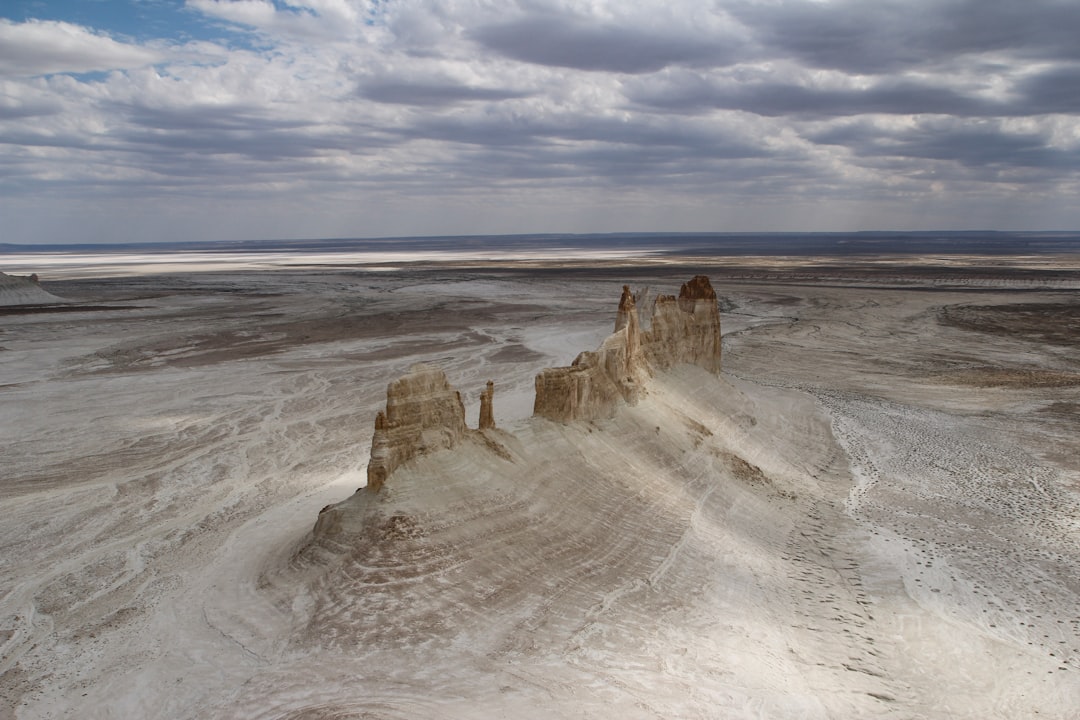
The vast, shimmering expanse that once graced the maps of Central Asia, the Aral Sea, has undergone a transformation so profound it verges on the catastrophic. For centuries, it was the fourth largest lake in the world, a vibrant ecosystem teeming with life, a vital economic engine for surrounding communities, and a source of cultural identity. Today, the remnants of this once-mighty body of water serve as a stark, silent testament to the devastating consequences of unsustainable human intervention. The documentary “Vanishing Waters: Aral Sea Kazakhstan” meticulously chronicles this ecological tragedy, offering a poignant and unflinching look at the causes, the devastating impacts, and the flickering embers of hope for a region irrevocably altered.
A Jewel of Central Asia
For millennia, the Aral Sea was a defining feature of the Central Asian landscape. Its immense size, comparable to that of Ireland, and its rich biodiversity made it a jewel of the region. It was a vital source of sustenance and livelihood for the Kazakh and Uzbek peoples who had lived alongside its shores for generations. The documentary opens by painting a vivid picture of this bygone era, showcasing archival footage and oral histories that evoke a sense of a bountiful and vibrant past. Fishermen haul in legendary catches, vibrant towns hum with activity, and the very air seems thick with the promise of abundance. The sheer scale of the Aral Sea, its waters stretching to the horizon, instilled a sense of permanence, a natural wonder that seemed immutable.
The River Arteries of Life
The lifeblood of the Aral Sea was its two major feeder rivers, the Amu Darya and the Syr Darya. These mighty waterways, originating in the distant Pamir and Tian Shan mountains, carried vast quantities of fresh water, supporting a complex and interconnected ecosystem. The documentary delves into the historical significance of these rivers, explaining how they not only sustained the Aral Sea but also provided crucial irrigation for agriculture in the arid Central Asian plains. The intricate balance between these rivers and the sea was a delicate dance of nature, a cycle that had continued for eons, fostering unique flora and fauna adapted to the saline environment. The narration emphasizes the sheer volume of water that once flowed, a testament to the natural forces at play before human ambition dramatically intervened.
A Rich Tapestry of Biodiversity
The Aral Sea was not merely a large body of water; it was a thriving habitat for an astonishing array of life. Its waters teemed with fish, including species like carp, pike, and sturgeon, supporting a robust fishing industry that was the economic backbone of many coastal communities. The documentary highlights the diversity of marine life, from the smallest plankton to larger predators, illustrating the complex food web that characterized the Aral ecosystem. Beyond the aquatic realm, the surrounding wetlands and deltas served as crucial stopovers for migratory birds, attracting species from across continents. The documentary uses stunning visuals to convey the richness of this biodiversity, juxtaposing past abundance with the desolate landscapes of the present, creating a powerful emotional impact.
The Aral Sea documentary highlights the environmental and social impacts of one of the world’s largest man-made disasters, showcasing the dramatic shrinkage of this once-vast body of water. For a deeper understanding of the ongoing challenges faced by the region, you can explore a related article that discusses the efforts to restore the Aral Sea and the innovative solutions being implemented in Kazakhstan. To read more, visit this article.
The Seeds of Destruction: Soviet Ambition and Ecological Neglect
The Grand Soviet Irrigation Schemes
The turning point for the Aral Sea, and indeed for the environmental fate of Central Asia, arrived with the ambitious irrigation projects initiated during the Soviet era. The documentary meticulously details the Soviet Union’s drive to transform the desert regions into fertile agricultural lands, primarily for cotton production. This vision, while seemingly beneficial on the surface, overlooked the fundamental ecological requirements of the Aral Sea. The massive diversion of water from the Amu Darya and Syr Darya for cotton fields became the primary driver of the sea’s demise. The documentary presents compelling historical evidence of the planning and execution of these schemes, highlighting the rhetoric of progress and agricultural self-sufficiency that masked a profound disregard for the environmental consequences.
The Cotton King and its Thirsty Reign
Cotton, often referred to as “white gold,” became the obsession of Soviet agricultural planners in Central Asia. The documentary explains how vast tracts of land were converted to cotton cultivation, requiring enormous amounts of water for irrigation. This insatiable demand for water meant that progressively less and less water reached the Aral Sea. The film features interviews with former Soviet engineers and agricultural experts, some of whom express a sense of regret, while others defend the decisions made at the time, citing the political and economic pressures of the era. The sheer scale of the cotton fields, depicted in stark aerial shots, underscores the magnitude of the water diversion.
A Calculated Risk Ignored
The documentary posits that the environmental consequences of these irrigation schemes were not entirely unknown. Scientists and ecologists within the Soviet Union raised alarms about the potential impact on the Aral Sea, but their warnings were largely ignored or downplayed in favor of agricultural and economic targets. The pursuit of cotton production became paramount, and the long-term ecological health of the Aral Sea was sacrificed for short-term gains. The film showcases excerpts from scientific reports and internal memos that illustrate the growing awareness of the problem, alongside the political will to continue with the status quo. This section of the documentary is crucial in understanding the human element behind the environmental catastrophe.
The Great Shrinking: A Landscape Transformed
The Retreat of the Waters
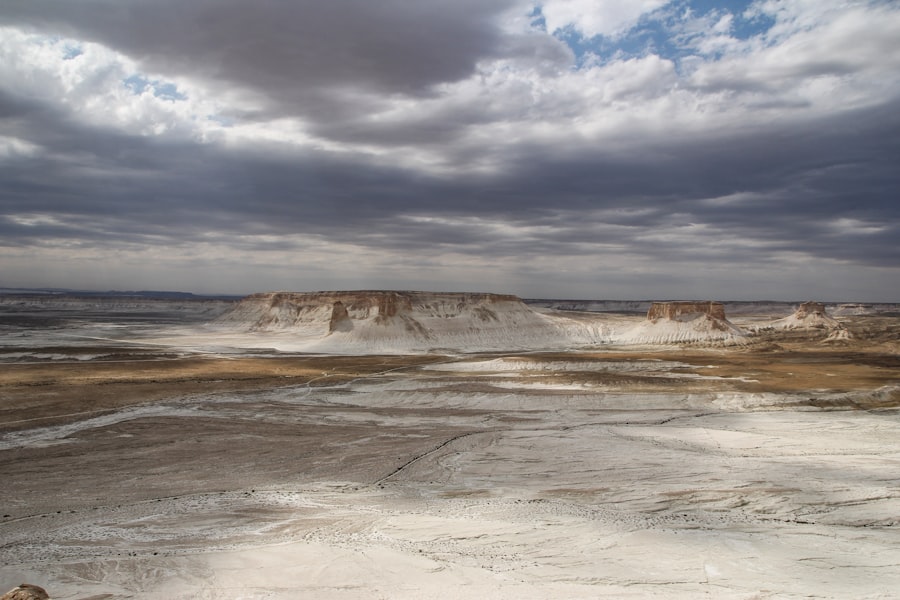
The most visible and devastating impact of the water diversion was the dramatic and relentless shrinking of the Aral Sea. The documentary visually tracks this decline through satellite imagery and historical photographs, showing a stark contrast between the former shoreline and the barren, exposed seabed. The once vast lake fractured into smaller, increasingly saline bodies of water, the most significant being the North Aral Sea and the South Aral Sea. The South Aral Sea, in particular, suffered the most severe shrinkage, eventually splitting into two distinct and rapidly evaporating basins. The sheer scale of this geographical transformation is awe-inspiring and deeply unsettling.
The Birth of the Aralkum Desert
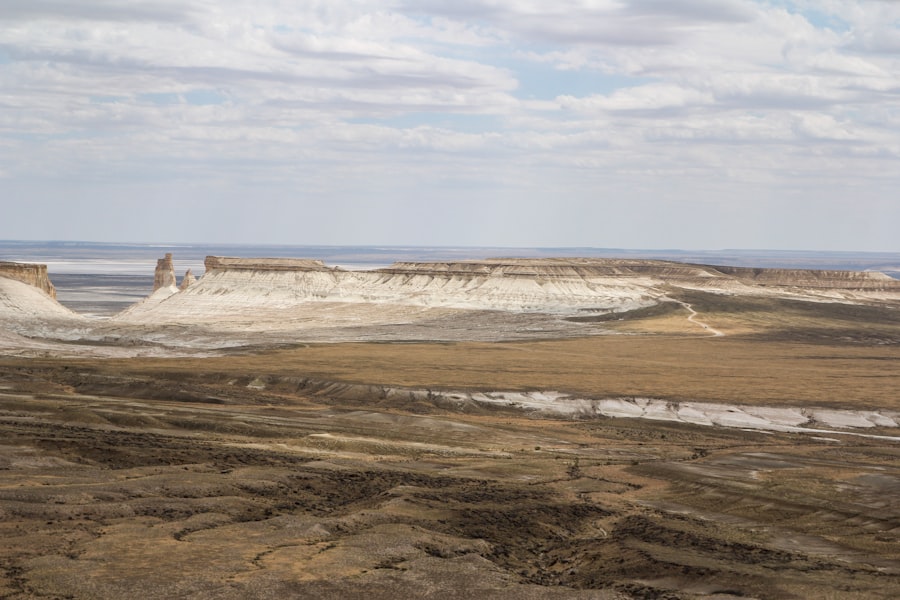
As the waters receded, they left behind a vast expanse of exposed seabed, an area that has come to be known as the Aralkum Desert. This new desert is not composed of natural sand dunes but of salt-encrusted soil, laden with toxic chemicals from agricultural runoff, pesticides, and industrial waste that were once dispersed in the sea. The documentary captures the harsh reality of this man-made desert, its desolate plains stretching to the horizon, a stark and unforgiving landscape. The wind whips up clouds of toxic dust from this poisoned land, creating a pervasive and dangerous environmental hazard.
The Salty Winds of Despair
The Aralkum Desert is not merely a visual scar; it is an active environmental threat. The dried seabed, once a source of marine life, is now a source of airborne pollution. Strong winds pick up the toxic dust and salt from the exposed land, carrying it for hundreds of kilometers. This toxic dust contaminates agricultural lands, pollutes drinking water sources, and poses severe health risks to the populations living in the region. The documentary features harrowing accounts from local residents suffering from respiratory illnesses, skin conditions, and other ailments attributed to the dust storms. The once life-giving sea has become a source of widespread sickness.
The Human Toll: Lives Disrupted and Futures Threatened
A Ghostly Echo of Prosperity
The collapse of the Aral Sea has had a devastating impact on the communities that once depended on it for their livelihoods. Fishing towns that were once bustling centers of activity are now ghost towns, their harbors dry and their piers leading to nothing but barren land. The documentary visits these abandoned settlements, showcasing the decaying remnants of boats, houses, and infrastructure, a poignant reminder of a once vibrant past. The economic collapse has led to widespread unemployment, poverty, and outmigration, as people are forced to leave their ancestral homes in search of opportunities elsewhere.
A Public Health Crisis Unfolding
The toxic dust storms emanating from the Aralkum Desert have created a severe public health crisis in the region. Respiratory diseases, including asthma and tuberculosis, are rampant. The high levels of heavy metals and pesticides in the dust have also been linked to increased rates of cancer, birth defects, and other chronic illnesses. The documentary highlights the struggles of local healthcare systems, overwhelmed by the growing number of patients suffering from these environmentally induced ailments. The narration emphasizes the intergenerational impact, as children born in the region are disproportionately affected.
Cultural Erosion and Identity Loss
Beyond the economic and health impacts, the vanishing Aral Sea has also led to a profound sense of cultural loss and identity erosion. The Aral Sea was deeply woven into the cultural fabric of the region, its rhythms and bounty shaping traditions, folklore, and the very identity of its people. The documentary explores how the loss of the sea has disconnected communities from their heritage, leaving them grappling with a sense of displacement and a fractured sense of self. The stories of elders recounting traditional fishing practices and the spiritual connection they had with the sea underscore the depth of this cultural loss.
The documentary on the Aral Sea in Kazakhstan sheds light on the environmental crisis caused by extensive irrigation projects that have led to the dramatic shrinking of this once-vast body of water. For those interested in exploring this topic further, a related article provides additional insights into the ecological and social impacts of the Aral Sea’s decline. You can read more about this pressing issue in the article available at this link, which delves into the historical context and the ongoing efforts for restoration.
Glimmers of Hope: Resilience and Reclamation Efforts
| Metrics | Data |
|---|---|
| Documentary Title | Aral Sea Kazakhstan |
| Release Year | 2021 |
| Director | Not specified |
| Duration | Not specified |
| Location | Kazakhstan |
| Subject | Environmental crisis, Aral Sea disaster |
The North Aral Sea Revival
Despite the overwhelming devastation, the documentary offers a beacon of hope through the remarkable success of efforts to revive the North Aral Sea. Following the collapse of the Soviet Union, Kazakhstan, with international support, embarked on a project to restore the North Aral Sea. The construction of the Kok-Aral Dam and a series of dikes effectively separated the North Aral Sea from the dwindling South Aral Sea, allowing the Syr Darya river’s waters to replenish it. The documentary showcases the dramatic transformation of the North Aral Sea, with its salinity levels decreasing and fish populations beginning to return.
Re-establishing the Fishery and Economy
The restoration of the North Aral Sea has had a tangible positive impact on the local communities. The return of fish has revived the fishing industry, providing new economic opportunities and jobs. The documentary features interviews with fishermen who are once again able to make a living from the sea, their faces etched with renewed hope. The revival of this smaller body of water serves as a powerful testament to the possibility of ecological recovery when concerted efforts are made. It demonstrates that even in the face of catastrophic environmental damage, redemption is possible.
The Challenges of the South Aral Sea
While the North Aral Sea offers a story of success, the situation in the South Aral Sea remains dire. The immense scale of its shrinkage and the ongoing diversion of water from the Amu Darya present far greater challenges to restoration. The documentary acknowledges the immense difficulties in reclaiming the South Aral Sea, but it also highlights ongoing research and experimental projects aimed at mitigating the desertification and toxicity of the Aralkum Desert, and exploring potential, albeit limited, water management strategies. The focus here is on adaptation and mitigation, rather than full-scale restoration.
Lessons Learned and a Call to Action
The overarching message of “Vanishing Waters: Aral Sea Kazakhstan” is one of profound lessons learned and a stark warning to the world. The documentary serves as a powerful case study of the catastrophic consequences of unsustainable development and the imperative of environmental stewardship. It underscores the interconnectedness of ecosystems and the far-reaching impacts of human actions. The film concludes with a call to action, urging viewers to recognize the fragility of our planet’s natural resources and to advocate for responsible water management, sustainable agriculture, and a global commitment to ecological preservation. The story of the Aral Sea is a global cautionary tale, a testament to the power of nature and the devastating consequences of ignoring its delicate balance.
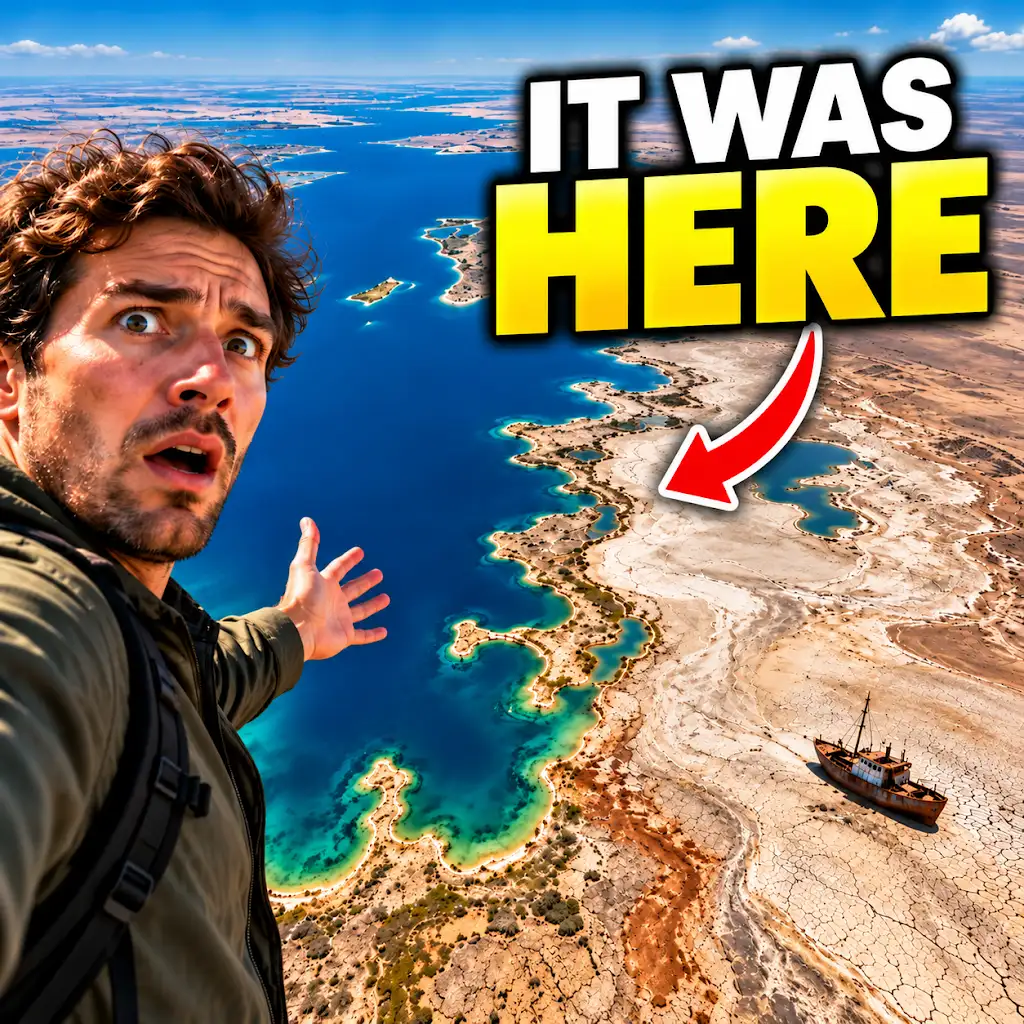
The Sea the Soviet Union Erased From the Map
FAQs
What is the Aral Sea Kazakhstan documentary about?
The Aral Sea Kazakhstan documentary is a film that explores the environmental and human impact of the shrinking of the Aral Sea in Kazakhstan. It delves into the history of the sea, the causes of its decline, and the consequences for the surrounding communities.
When was the Aral Sea Kazakhstan documentary released?
The specific release date of the Aral Sea Kazakhstan documentary may vary, but it was generally released in the early 21st century to bring attention to the environmental crisis unfolding in the region.
Who produced the Aral Sea Kazakhstan documentary?
The Aral Sea Kazakhstan documentary was likely produced by a team of filmmakers, environmentalists, and researchers who sought to shed light on the devastating effects of the shrinking Aral Sea. The specific production team and individuals involved may vary depending on the specific documentary.
Where can I watch the Aral Sea Kazakhstan documentary?
The Aral Sea Kazakhstan documentary may be available for viewing on various streaming platforms, such as Netflix, Amazon Prime, or other online video services. It may also be available for purchase or rental through online retailers or local video stores.
What impact has the Aral Sea Kazakhstan documentary had?
The Aral Sea Kazakhstan documentary has raised awareness about the environmental crisis in the region and has prompted discussions about potential solutions and interventions. It has also contributed to international efforts to address the ecological and humanitarian challenges facing the communities around the Aral Sea.