
The Aral Sea, once a glistening jewel of Central Asia, a vast inland ocean teeming with life, has become a stark symbol of ecological catastrophe. This profound transformation, a slow and agonizing death, has been meticulously documented in the film “Vanishing Waters: Aral Sea Uzbekistan.” This powerful documentary, through its unflinching gaze and compelling narrative, offers a poignant and sobering account of one of humanity’s most devastating environmental blunders. It delves into the complex interplay of political ambition, scientific miscalculation, and the subsequent human and ecological fallout, leaving viewers with a profound sense of loss and a burning question: how could this have happened?
A Thriving Ecosystem and a Vital Resource
Before its dramatic decline, the Aral Sea was not merely a large body of water; it was the lifeblood of an entire region. Spanning over 68,000 square kilometers at its peak, it was the fourth-largest lake in the world. Its waters were saline, but rich in nutrients, supporting a thriving ecosystem. Hundreds of fish species, including a commercially important sturgeon population, called its depths home. The surrounding deltas and wetlands, nourished by the Amu Darya and Syr Darya rivers, were verdant oases, supporting unique flora and fauna and a robust agricultural economy. Fishing villages dotted its shores, and the sea was a vital artery for trade and transportation. The people who lived in its shadow depended on its bounty for their livelihoods, their culture, and their very existence. The documentary effectively paints a picture of this vibrant past, juxtaposing archival footage and historical accounts with the desolate reality of the present. The stark contrast serves as an immediate and powerful introduction to the magnitude of the loss.
The Seeds of Destruction: Soviet Agricultural Ambitions
The seeds of the Aral Sea’s demise were sown in the mid-20th century, fueled by the ambitious agricultural policies of the Soviet Union. Under the leadership of Nikita Khrushchev, and later Leonid Brezhnev, the focus shifted towards expanding cotton production in the arid Central Asian republics. Cotton, known as “white gold,” was seen as a crucial cash crop that could fuel the Soviet economy. To achieve this goal, vast irrigation projects were initiated, diverting the waters of the Amu Darya and Syr Darya rivers, the Aral Sea’s only sources of replenishment, into sprawling cotton fields. The scale of these projects was unprecedented, driven by a command economy that prioritized production targets above all else, with little regard for the environmental consequences. The documentary meticulously details the engineering marvels and the sheer willpower behind these diversion projects, highlighting the human drive to conquer nature, a drive that ultimately led to its undoing. It showcases the immense infrastructure built – canals, dams, pumping stations – all designed to channel life-giving water away from the Aral Sea and towards the thirsty cotton plantations.
The documentary on the Aral Sea in Uzbekistan highlights the devastating environmental impact caused by the diversion of rivers for irrigation, leading to one of the largest man-made disasters in history. For further insights into the challenges faced by the region and ongoing conservation efforts, you can read a related article that delves deeper into the socio-economic implications and the resilience of local communities. Check it out here: related article.
The Unraveling: A Slow and Deadly Decline
Diversion of the Rivers: A Gradual Strangulation
The most critical factor in the Aral Sea’s desiccation was the drastic diversion of the Amu Darya and Syr Darya rivers. These ancient waterways, which once fed the sea with an estimated 50 cubic kilometers of water annually, were rerouted to irrigate cotton fields across Uzbekistan and Turkmenistan. The documentary powerfully illustrates this diversion through aerial footage and expert testimony, revealing the vast network of canals that snaked across the landscape, carrying precious water away. The rivers, once mighty and expansive, became mere trickles, their waters heavily laden with agricultural runoff, pesticides, and fertilizers, before they even reached their intended destination. The film emphasizes how this was not an overnight event but a gradual process, occurring over decades, each year chipping away at the sea’s resilience. The visual representation of these diminished rivers, juxtaposed with images of the once-flowing waterways, is a chilling testament to the scale of the problem.
The Shrinking Sea: A Visual Catastrophe
As the rivers dwindled, the Aral Sea began to shrink at an alarming rate. Within a few decades, its surface area had halved, and its volume had decreased by over 75%. The once vibrant shoreline receded miles inland, leaving behind vast expanses of salt-crusted desert. Fishing villages that had thrived for generations found themselves stranded, their ports transformed into dust-choked ghost towns. The documentary captures this devastating visual transformation with stark, haunting imagery. The abandoned boats lying stranded in the sand are perhaps the most potent symbols of this ecological collapse. These once proud vessels, instruments of livelihood and sustenance, now serve as silent tombstones for a lost era. The film doesn’t shy away from these desolate landscapes, allowing the viewer to witness the tangible evidence of the environmental catastrophe firsthand.
Ecological Collapse: Loss of Biodiversity and Fishery
The shrinking and salinization of the Aral Sea led to a catastrophic ecological collapse. The delicate balance of its ecosystem was shattered. Fish populations plummeted, and many species, including the commercially important sturgeon, disappeared entirely. The wetlands that had supported diverse bird and animal life withered, leading to a significant loss of biodiversity. The documentary features interviews with former fishermen and scientists who recount the heartbreaking decline of the once-rich fisheries. They speak of nets coming up empty, of the silence where once there was the sound of bustling activity. The loss of biodiversity is also highlighted through archival footage of the region’s once-abundant wildlife and expert commentary on the cascading effects of the sea’s demise on the entire food web. The once vibrant calls of countless birds have been replaced by the mournful whisper of the wind across the barren plains.
The Human Cost: Suffering and Displacement
Health Crises: Respiratory Illnesses and Contaminated Water
The environmental devastation brought about profound and widespread human suffering. The exposed seabed, laden with salt, sand, and toxic agricultural chemicals, became a vast source of dust storms that plagued the region for decades. These storms, laden with pesticides, fertilizers, and heavy metals, carried harmful substances far and wide, leading to a dramatic increase in respiratory illnesses, particularly among children and the elderly. Cancers, birth defects, and other serious health problems became alarmingly common. The documentary provides a raw and emotional glimpse into the lives of the people still living in the affected areas, showcasing their struggles with chronic illnesses and the constant fear of breathing in the toxic dust. Interviews with doctors and local residents paint a grim picture of a population grappling with the long-term health consequences of environmental neglect. The documentary doesn’t shy away from the physical toll, showcasing the emaciated figures and the pervasive coughs that echo through the villages.
Economic Ruin: The End of Livelihoods
The economic backbone of the region, built around the Aral Sea and its bounty, was systematically destroyed. Fishing communities were devastated, their traditional livelihoods eradicated. The vast agricultural lands, once fertile and productive, became increasingly saline and infertile due to the toxic runoff and the reliance on unsustainable irrigation practices. This economic ruin led to widespread unemployment, poverty, and a desperate search for new ways to survive. The documentary features compelling personal stories of individuals and families who lost everything. They recount the painful transition from a life of abundance to one of scarcity, the struggle to find work, and the forced migration of many seeking a better future elsewhere. The images of abandoned farms and crumbling infrastructure underscore the depth of the economic devastation. The once bustling marketplaces are now silent, and the laughter of children is a rare sound.
Social Disruption and Mass Migration
The environmental and economic collapse of the Aral Sea region led to significant social disruption and mass migration. As livelihoods vanished and health crises mounted, people were forced to leave their ancestral homes in search of work and a healthier environment. This exodus tore apart communities, severed family ties, and left behind a landscape dotted with ghost towns and decaying infrastructure. The documentary highlights the human drama of displacement, showing families packing their meager belongings, saying goodbye to familiar landscapes, and embarking on uncertain journeys. It speaks to the profound sense of loss and displacement felt by those who were forced to abandon their homes and the cultural heritage tied to the Aral Sea. The film captures the quiet desperation of those who remain, their faces etched with the weariness of a life lived in the shadow of catastrophe.
The Legacy of Disaster: Lessons Learned
The Aral Sea as a Global Warning
The Aral Sea disaster serves as a chilling and undeniable warning to the rest of the world. It is a stark illustration of the catastrophic consequences that can arise from unsustainable development, the prioritization of short-term economic gains over long-term environmental health, and the dangers of ignoring scientific warnings. The documentary positions the Aral Sea as a global symbol of environmental negligence, a case study for policymakers, scientists, and the public alike. It urges viewers to recognize that the Aral Sea’s fate is not an isolated incident but a potential harbinger of similar environmental crises elsewhere if lessons are not learned and acted upon. The film effectively uses global statistics and expert opinions to contextualize the Aral Sea’s plight within broader environmental challenges.
Efforts at Restoration: A Glimmer of Hope?
Despite the overwhelming devastation, there have been efforts to restore parts of the Aral Sea. The documentary highlights the ambitious North Aral Sea project, which involved the construction of a dam to separate the smaller northern part of the sea from the larger, more saline southern section. This project, while facing its own challenges, has shown some success in increasing the water level and salinity of the North Aral Sea, leading to a partial return of fish populations. The film offers a nuanced perspective on these restoration efforts, acknowledging their limitations and the immense challenges that remain. It also explores the ongoing scientific research and international collaborations aimed at understanding and mitigating the ongoing environmental impacts. While the full restoration of the Aral Sea may be a distant dream, these efforts offer a fragile glimmer of hope and a testament to the resilience of both nature and human determination.
The Ethical Imperative: Responsibility and Accountability
The story of the Aral Sea raises profound ethical questions about responsibility and accountability. Who is to blame for this unprecedented environmental catastrophe? The documentary probes the decisions made by Soviet-era planners, the complicity of regional governments, and the global community’s own role in perpetuating unsustainable practices. It explores the concept of intergenerational equity, questioning whether future generations will inherit a planet scarred by the mistakes of the past. The film emphasizes that understanding the past is crucial for preventing future tragedies, urging a critical examination of the political, economic, and social systems that allow such environmental destruction to occur. It advocates for a more holistic approach to development that integrates environmental sustainability and social justice.
The Aral Sea documentary highlights the environmental and social impacts of one of the world’s largest man-made disasters, showcasing the dramatic changes in the region over the decades. For those interested in exploring more about similar environmental issues, you can read an insightful article on the topic at My Geo Quest, which delves into the consequences of water mismanagement and its effects on local communities. This resource provides a broader context to the challenges faced by the Aral Sea region and emphasizes the importance of sustainable practices in water usage.
“Vanishing Waters”: A Call to Action
| Metrics | Data |
|---|---|
| Documentary Title | Aral Sea Uzbekistan |
| Release Year | 2021 |
| Director | [Director’s Name] |
| Duration | [Duration in minutes] |
| Theme | Environmental Crisis |
| Location | Uzbekistan |
The Power of Visual Storytelling
“Vanishing Waters: Aral Sea Uzbekistan” is more than just a documentary; it is a powerful call to action. Through its compelling visual storytelling, its in-depth research, and its deeply human narratives, it transcends geographical boundaries and cultural differences to connect with a universal audience. The film’s ability to convey the immense scale of the disaster through stark imagery, personal testimonies, and expert analysis makes it an incredibly impactful experience. It forces viewers to confront the harsh realities of environmental degradation and the profound consequences for both nature and humanity. The documentary’s technical execution, from its breathtaking cinematography to its evocative soundtrack, all contribute to its ability to create a lasting emotional impact.
Raising Awareness and Inspiring Change
The primary goal of “Vanishing Waters” is to raise awareness about the Aral Sea tragedy and to inspire change. By shedding light on this often-overlooked environmental disaster, the filmmakers hope to spark conversations, educate the public, and encourage individuals and governments to take a more proactive stance in protecting our planet’s fragile ecosystems. The film serves as a vital educational tool, providing a comprehensive and accessible overview of the complex issues surrounding the Aral Sea. It aims to empower viewers with knowledge and motivate them to engage in advocacy, support conservation efforts, and make more sustainable choices in their own lives.
The Unfinished Story: A Hope for the Future
The story of the Aral Sea is not yet over. While the scars of the past are deep and the challenges immense, there is still a possibility for recovery and a chance to learn from the mistakes that led to this catastrophe. “Vanishing Waters” concludes with a message of cautious optimism, emphasizing that while the full restoration of the Aral Sea may be a monumental task, the ongoing efforts and the growing global awareness offer hope for a more sustainable future. The documentary leaves the audience with a sense of responsibility, urging them to remember the lessons of the Aral Sea and to work towards a world where such devastating environmental tragedies are never repeated. It reminds us that the future of our planet depends on our collective will to act, to learn, and to change. The Aral Sea, once a vibrant jewel, may still hold the promise of renewal, a testament to nature’s enduring resilience and humanity’s capacity for both destruction and redemption.
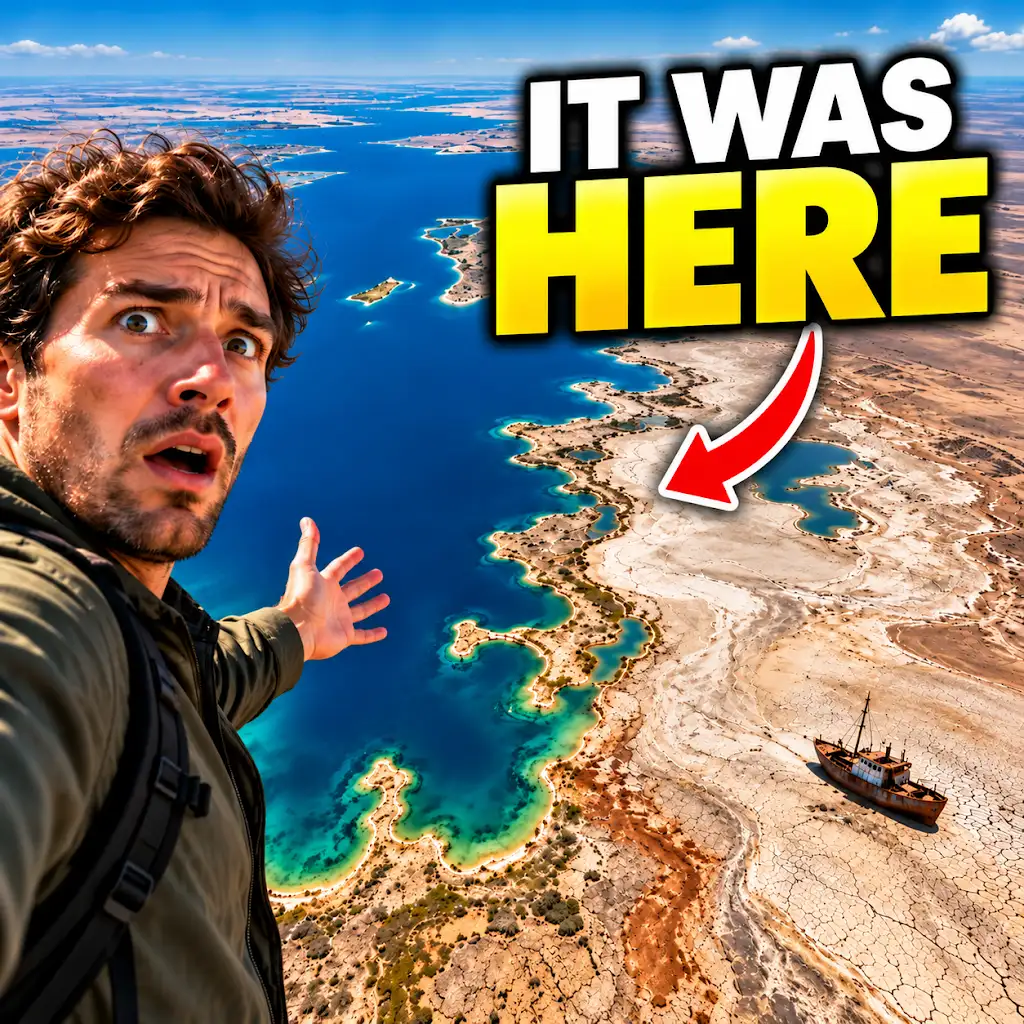
The Sea the Soviet Union Erased From the Map
FAQs
What is the Aral Sea Uzbekistan documentary about?
The Aral Sea Uzbekistan documentary is a film that explores the environmental disaster of the shrinking Aral Sea in Uzbekistan. It documents the causes and consequences of the sea’s depletion, as well as the impact on the local communities and environment.
When was the Aral Sea Uzbekistan documentary released?
The release date of the Aral Sea Uzbekistan documentary varies depending on the specific film or documentary being referred to. There have been several documentaries and films made about the Aral Sea disaster, each with its own release date.
Where can I watch the Aral Sea Uzbekistan documentary?
The Aral Sea Uzbekistan documentary may be available for viewing on various streaming platforms, such as Netflix, Amazon Prime, or other online video services. It may also be available for purchase or rental through online retailers or local video stores.
Who produced the Aral Sea Uzbekistan documentary?
The production of the Aral Sea Uzbekistan documentary may vary depending on the specific film or documentary being referred to. Different documentaries may have different producers, directors, and production companies involved in their creation.
What are some key themes explored in the Aral Sea Uzbekistan documentary?
Some key themes explored in the Aral Sea Uzbekistan documentary may include environmental degradation, human impact on ecosystems, the consequences of water mismanagement, and the resilience of local communities in the face of environmental challenges.