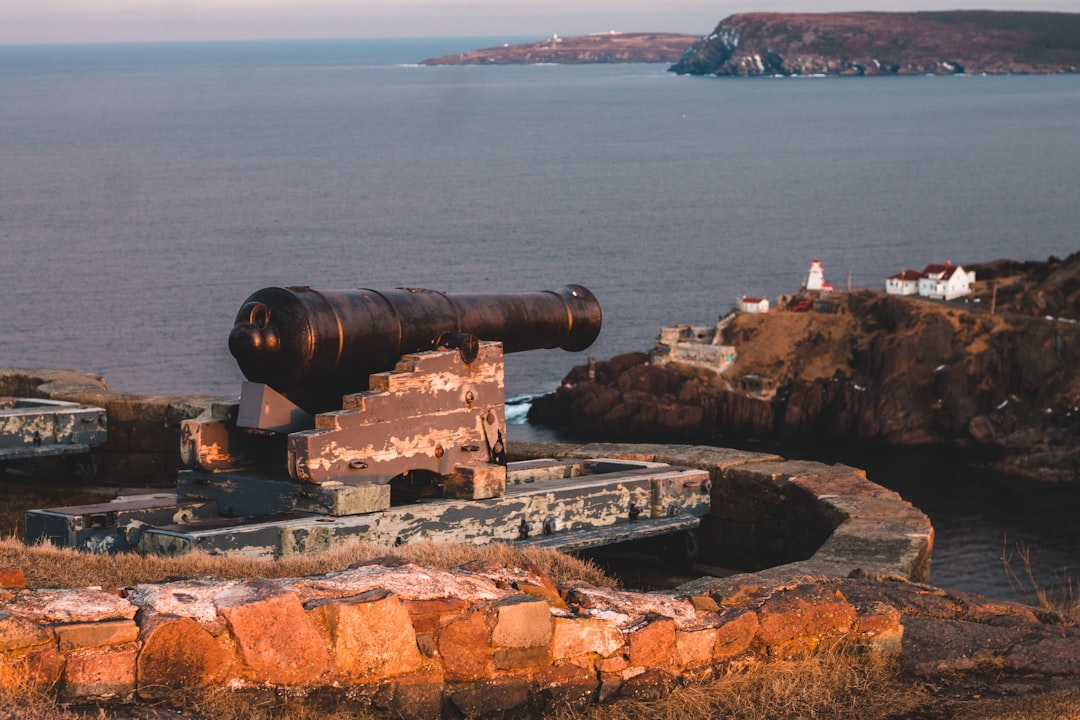
The Golden Age of the Aral Sea and its Jewel City
Aralsk, once a vibrant port city on the northeastern shore of the Aral Sea, experienced its zenith during the mid-20th century. Its existence was inextricably linked to the Aral Sea, which at that time was the fourth-largest lake in the world. The sea’s bountiful waters supported a thriving fishing industry, a crucial economic engine for the region. Aralsk, with its strategic location and well-developed infrastructure, became the heart of this industry. Ships laden with fish, particularly sturgeon and carp, sailed from its bustling docks, supplying markets across the Soviet Union and beyond. The city itself was a testament to this prosperity. Wide avenues, impressive administrative buildings, and residential areas for the burgeoning population spoke of a community confident in its future. Life in Aralsk was characterized by the rhythm of the sea – the distant calls of gulls, the scent of salt and fish, and the constant hum of maritime activity. The Aral Sea was not just an economic resource; it was an intrinsic part of the local identity, shaping the culture, traditions, and daily lives of its inhabitants. The fertile delta lands, nourished by the sea’s waters and the rivers that fed it, also contributed to the region’s prosperity, supporting agriculture and providing a picturesque backdrop to the port city.
A Thriving Maritime Hub
Aralsk’s natural harbor provided an ideal location for a major port. Its deep waters allowed for the docking of large vessels, facilitating the transportation of goods and people. The Soviet government recognized the strategic importance of Aralsk and invested heavily in its development. Fishing fleets were modernized, processing plants were built, and a network of roads and railways connected the city to other industrial centers. The city’s population grew rapidly, attracting workers and their families from across the Soviet Union, eager to be part of this dynamic economic zone. The social fabric of Aralsk was diverse, a melting pot of different nationalities and backgrounds, all united by their reliance on the Aral Sea.
The Bounty of the Aral
The Aral Sea was renowned for its incredible biodiversity. A vast array of fish species thrived in its saline waters, supporting a lucrative fishing industry. Sturgeon, in particular, was a prized catch, its roe highly sought after. The annual catch was measured in tens of thousands of tons, a testament to the sea’s immense productivity. This abundance not only sustained the local economy but also contributed significantly to the Soviet Union’s food supply. The fishing industry provided employment for thousands of people, from seasoned fishermen to factory workers involved in processing and distribution.
Life in the Port City
Beyond the economic activities, Aralsk was a community with a distinct character. Parks and public spaces were developed, offering residents places for recreation and social gatherings. Schools, hospitals, and cultural institutions were established, reflecting the Soviet Union’s commitment to providing social services to its citizens. The city had a vibrant cultural life, with theaters, cinemas, and a strong tradition of local music and dance, often inspired by the sea and its rhythms. The inhabitants of Aralsk lived in close harmony with their environment, their lives intrinsically intertwined with the ebb and flow of the Aral Sea.
The history of Aralsk and the Aral Sea is a poignant tale of environmental change and human impact. For a deeper understanding of this ecological disaster and its implications, you can explore a related article that delves into the causes and consequences of the Aral Sea’s dramatic shrinkage. This article provides valuable insights into the socio-economic effects on the local communities and the ongoing efforts for restoration. To read more, visit My Geo Quest.
The Seeds of Decline: Soviet Irrigation Projects and Their Unforeseen Consequences
The mid-20th century marked a turning point for Aralsk and the Aral Sea. Driven by ambitious plans to transform arid regions into productive cotton-growing lands, the Soviet government embarked on a massive irrigation project. Two colossal rivers, the Amu Darya and the Syr Darya, which had for millennia fed the Aral Sea, were dammed and their waters diverted through an extensive network of canals. The intention was to irrigate vast tracts of desert, creating a new breadbasket for the Soviet Union. However, the environmental consequences of these mega-projects were catastrophic and largely unforeseen, setting in motion a slow but irreversible decline for the Aral Sea and the city that depended on it. The sheer scale of the water diversion was unprecedented, and the environmental impact assessment, if any, was woefully inadequate.
The Grand Designs of Soviet Central Asia
The Soviet era was characterized by grand infrastructure projects aimed at harnessing the natural resources of its vast territories for economic development. In Central Asia, the focus was on increasing agricultural output, particularly cotton, a highly valuable commodity. The Aral Sea basin, with its vast desert landscapes, was seen as an ideal candidate for expansion. The rationale was straightforward: divert the water from the rivers flowing into the sea to irrigate these dry lands. This vision, fueled by the ideology of transforming nature for human benefit, overlooked the delicate ecological balance of the region.
Diverting the Lifelines: The Karakum and Kyzylkum Canals
The most significant of these projects were the Karakum Canal, diverting water from the Amu Darya, and numerous smaller canals drawing from the Syr Darya. These canals, marvels of Soviet engineering in their own right, crisscrossed thousands of kilometers, carrying water to newly established cotton fields. The intention was to create agricultural oases in the desert, boosting the production of Soviet cotton, which was a key export commodity. However, the sheer volume of water extracted meant that significantly less water reached the Aral Sea.
The Inevitable Shrinking
The consequences of this massive water diversion were swift and devastating. The Aral Sea, starved of its primary water sources, began to shrink at an alarming rate. Year after year, less water flowed in, and evaporation continued its relentless work. The once mighty sea began to recede, exposing vast expanses of its bed. This was the beginning of the end for Aralsk as a thriving port. The very foundation of its prosperity was slowly but surely being eroded. The once-familiar horizon, dotted with ships, began to change, and the sound of the waves grew fainter.
The Great Retreat: Aralsk Becomes a Landlocked Relic
As the Aral Sea retreated, the fishing industry that sustained Aralsk collapsed. The port, once a bustling hub of activity, fell silent. Ships were stranded on the parched seabed, their hulls rusting under the relentless sun, becoming stark monuments to a bygone era. The once-vibrant fishing communities were devastated, their livelihoods gone. Aralsk, designed to be a maritime city, found itself increasingly distant from the water it depended upon. The journey from the city to the receding shoreline became longer and longer, transforming a walk to the docks into a long, arduous trek.
The Death of the Fishery
The fishing industry, the backbone of Aralsk’s economy, was the first to suffer. As the sea shrank, the fish populations dwindled. Species that were once abundant became scarce, and eventually, many disappeared altogether. The fishing fleets, once the pride of Aralsk, were gradually decommissioned or abandoned. The processing plants fell silent, and the livelihoods of thousands of fishermen and their families were extinguished. The economic engine of the city sputtered and died, leaving behind a community facing an uncertain future.
The Ghost Ships of the Desert
The most poignant visual testament to Aralsk’s decline is the presence of derelict fishing trawlers and cargo ships stranded on what was once the seabed. These rusting hulks, now miles from any water, are a haunting reminder of the sea’s former majesty and the scale of the environmental catastrophe. They stand as silent sentinels, bearing witness to the ecological devastation and the profound human cost. These ghost ships became a macabre tourist attraction, drawing visitors who came to witness the stark reality of the Aral Sea disaster.
The Inland Port
Aralsk’s identity as a port city was irrevocably altered. The distance between the city and the shoreline grew with each passing year. What was once a short walk to the docks became a considerable journey, requiring transportation. The infrastructure built for a thriving port—quays, warehouses, and loading facilities—lay idle, a testament to the irreversible change. The very essence of Aralsk’s existence was now a painful irony: a port city with no sea.
The Environmental Catastrophe and its Human Toll
The shrinking of the Aral Sea was not merely an economic disaster; it was a profound environmental catastrophe with far-reaching consequences for human health and the local ecosystem. The exposed seabed, vast and barren, became a source of toxic dust storms, carrying pesticides, fertilizers, and salt far and wide. These storms wreaked havoc on the health of the local population, leading to a surge in respiratory illnesses, cancer, and birth defects. The once fertile delta lands, deprived of freshwater and contaminated by salt and agricultural chemicals, turned into arid deserts.
The Toxic Dust Storms
As the Aral Sea receded, it left behind a vast, saline desert. This exposed seabed, rich in accumulated salts and agricultural chemicals from decades of intensive farming, became a major source of pollution. Prevailing winds whipped up fine, toxic dust from this dried seabed, creating massive dust storms. These storms, often hundreds of kilometers long, carried harmful substances over vast distances, impacting communities and ecosystems far beyond the immediate vicinity of the Aral Sea.
Health Impacts on the Population
The consequences of these toxic dust storms on human health were dire. Respiratory illnesses, such as asthma and bronchitis, became rampant. The high levels of pesticides and heavy metals in the dust contributed to an increase in cancer rates, particularly liver and esophageal cancers. Birth defects and reproductive health problems also became a significant concern among the local population. The once healthy environment had become a source of pervasive illness.
The Loss of Biodiversity and Ecosystem Collapse
The Aral Sea was a unique ecosystem, home to a diverse array of flora and fauna. The drastic changes in salinity, water levels, and water quality led to a catastrophic loss of biodiversity. Many species of fish, birds, and other wildlife that depended on the sea and its surrounding wetlands perished. The delta lands, once fertile and teeming with life, became arid and barren, further exacerbating the ecological collapse. The intricate web of life that had sustained the region was broken.
The history of Aralsk and the Aral Sea is a poignant tale of environmental change and human impact. Once one of the world’s largest inland seas, the Aral Sea has drastically shrunk due to extensive irrigation projects that diverted rivers feeding it. This transformation has had profound effects on the local climate and economy, leading to the decline of the fishing industry and the rise of health issues among the population. For a deeper understanding of this critical environmental issue, you can explore a related article that delves into the causes and consequences of the Aral Sea’s disappearance. To read more, visit this article.
Aralsk Today: A Legacy of Loss and a Glimmer of Hope
Today, Aralsk is a shadow of its former self. The population has dwindled, with many inhabitants having migrated to seek better opportunities elsewhere. The city is a poignant reminder of what can happen when human ambition overrides environmental sustainability. Yet, amidst the desolation, there are signs of resilience and a nascent hope. Efforts are underway, both locally and internationally, to mitigate the damage and explore possibilities for the region’s future, albeit a future vastly different from its glorious past.
The Deserted Port and the Struggling Community
The once bustling port of Aralsk is now a silent testament to its lost glory. Many of the buildings stand empty, their windows dark and vacant. The population that remains often struggles with unemployment and the lingering health effects of the environmental disaster. The sense of loss is palpable, and the memories of a thriving past are often tinged with sadness. The city grapples with the immense challenge of adapting to a new reality, far removed from its maritime heritage.
International Efforts and Regional Cooperation
Recognizing the scale of the Aral Sea disaster, international organizations and neighboring countries have initiated various projects aimed at mitigating the environmental damage and supporting the affected communities. These efforts include reforestation initiatives, measures to improve water management in the remaining rivers, and programs to address the health impacts on the population. Regional cooperation is crucial for any long-term solution, as the Aral Sea crisis transcends national borders.
A Different Kind of Future
While the Aral Sea may never fully recover its former glory, there is a growing focus on creating a sustainable future for the region. This involves developing new economic opportunities that are not dependent on the sea, such as renewable energy projects and sustainable agriculture practices adapted to the new climate. There is also a growing awareness of the importance of preserving the remaining natural resources and working towards ecological restoration where possible. The story of Aralsk serves as a stark warning, but also as a testament to the human capacity for resilience and the potential for hope even in the face of profound loss. The city, though forever marked by its past, is slowly beginning to chart a new course, driven by a desire to rebuild and reclaim a future, even if it is a future on dry land.
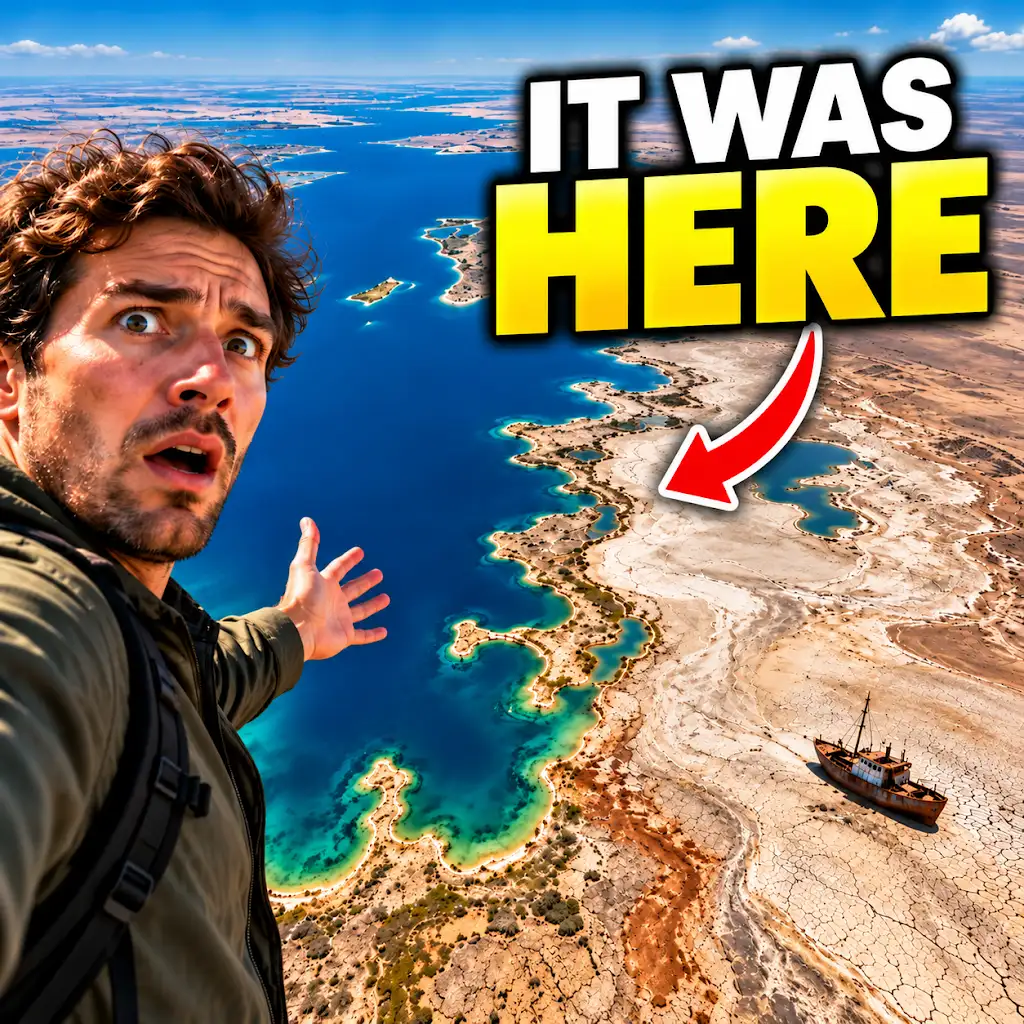
The Sea the Soviet Union Erased From the Map
FAQs
What is the history of the Aral Sea?
The Aral Sea was once the fourth-largest lake in the world, located in Central Asia between Kazakhstan and Uzbekistan. However, due to extensive irrigation projects and the diversion of rivers for agriculture, the sea has shrunk significantly over the past few decades.
How has the shrinking of the Aral Sea impacted the surrounding region?
The shrinking of the Aral Sea has had devastating effects on the surrounding region. It has led to the loss of livelihoods for fishing communities, the exposure of toxic chemicals and pesticides in the dried-up seabed, and the emergence of health issues due to the dust storms carrying salt and toxic chemicals.
What efforts have been made to address the shrinking of the Aral Sea?
Efforts to address the shrinking of the Aral Sea have included the construction of dams and canals to redirect water flow, as well as international initiatives to restore the sea’s ecosystem and improve the livelihoods of the affected communities.
What is the current status of the Aral Sea?
The Aral Sea has been significantly reduced in size, with the northern and southern parts of the sea now separated into two separate bodies of water. The northern part, known as the North Aral Sea, has seen some recovery due to restoration efforts, while the southern part continues to shrink.
What can be done to prevent further environmental degradation in the Aral Sea region?
Preventing further environmental degradation in the Aral Sea region requires sustainable water management practices, the restoration of ecosystems, and the implementation of measures to improve the livelihoods of the affected communities. International cooperation and support are also crucial in addressing the complex challenges facing the region.