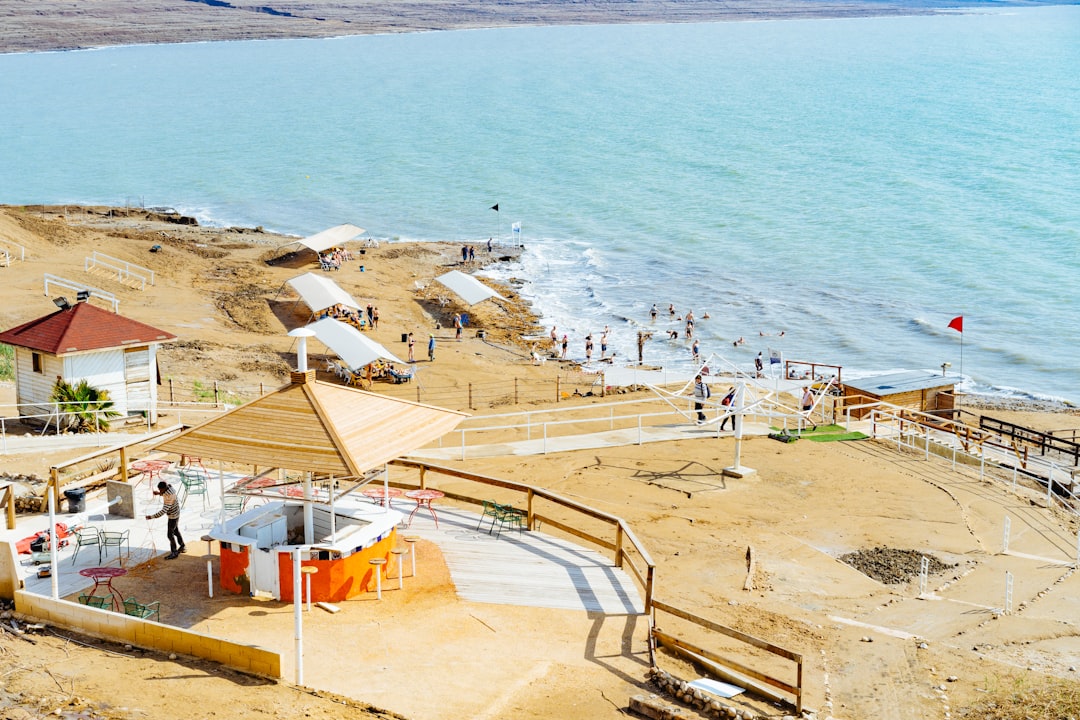
The Dead Sea, a hypersaline body of water straddling the border of Jordan and Israel, has long been a marvel of nature, drawing tourists and researchers alike to its unique geological and ecological properties. However, beneath the shimmering, mineral-rich surface, a silent and increasingly alarming phenomenon is unfolding: the proliferation of sinkholes. These sudden collapses in the earth are not just a geological curiosity; they represent a rising threat to Jordan’s infrastructure, environment, and economy, demanding urgent attention and innovative solutions.
For decades, the Dead Sea has been receding at an alarming rate. The Jordan River, once its primary source of freshwater, has been significantly diverted for agricultural and domestic use, dramatically reducing the inflow. This shrinkage, coupled with increased evaporation due to rising regional temperatures, has led to a substantial drop in the Dead Sea’s water level, a phenomenon that has been steadily progressing over the years.
The Mechanics of the Subsidence
The retreat of the Dead Sea is not merely a visual change; it triggers a complex chain of geological processes. As the shoreline recedes, vast areas of land once submerged are exposed. Crucially, these newly exposed areas are often saturated with brine – the extremely salty water of the Dead Sea. This brine acts as a binder, stabilizing the underlying soil. However, as the Dead Sea level drops, the brine is no longer effectively replenishing the subterranean freshwater layers that lie beneath the surface.
The Role of Freshwater Intrusion
Beneath the exposed land and the remaining Dead Sea, a network of underground freshwater aquifers exists. Historically, these aquifers were in direct contact with the Dead Sea’s brine. The influx of freshwater from these underground sources would, in turn, seep into the Dead Sea, contributing to its hydrological balance. However, as the Dead Sea recedes, this natural equilibrium is disrupted. Freshwater from the surrounding hills and from the diverted Jordan River infiltrates the porous rock and soil layers that once held the brine.
The Genesis of Sinkholes
The fundamental cause of the sinkhole formation lies in the dissolution of underground salt deposits. As freshwater percolates through the ground, it encounters ancient, massive salt layers that were deposited as the Dead Sea evaporated over millennia. This freshwater, being less saline than the original brine, aggressively dissolves these salt formations. Over time, this dissolution creates underground cavities. When the roof of these cavities can no longer support the weight of the overlying soil and rock, it collapses, resulting in the sudden formation of a sinkhole on the surface.
A Cascade of Dissolution
The process is not a singular event but a continuous cascade. As one salt deposit dissolves, the overlying material settles, potentially altering the flow of groundwater and directing more freshwater towards other salt layers. This creates a chain reaction, leading to the formation of multiple sinkholes in close proximity, forming areas of unstable ground. The rate of salt dissolution is significantly amplified in areas where the brine cover has been removed or thinned due to the Dead Sea’s retreat.
The Jordanian Perspective: A Looming Danger
While sinkholes are a recognized phenomenon in other hypersaline environments, their rapid and widespread appearance along the Jordanian coastline of the Dead Sea presents a particularly acute challenge. Jordan’s economy is heavily reliant on the Dead Sea, particularly through its vital potash and bromine industries, which extract valuable minerals from the hypersaline water. Furthermore, the Dead Sea region is a significant tourist destination, attracting visitors for its therapeutic properties and natural beauty. The encroaching sinkholes threaten to dismantle both of these pillars of Jordan’s economy and identity.
The phenomenon of sinkholes in the Jordan Dead Sea region has garnered significant attention due to its environmental implications and impact on local communities. For a deeper understanding of this issue, you can read a related article that explores the causes and effects of these sinkholes, as well as potential solutions to mitigate their impact. To learn more, visit this article.
The Impact on Infrastructure and Human Safety
The most immediate and palpable threat posed by the Dead Sea sinkholes is to human safety and the integrity of existing infrastructure. The sudden and unpredictable nature of these collapses leaves little room for preventative measures once a sinkhole begins to form.
Infrastructure at Risk
Numerous roads, hotels, agricultural lands, and industrial facilities are situated along the Dead Sea’s receding shoreline. As sinkholes multiply, these vital assets are placed in increasing peril. Roads that once served as crucial transportation links are becoming impassable, forcing costly detours and disrupting supply chains. Hotels that have invested heavily in their properties now face the prospect of their foundations being undermined, jeopardizing their operations and the livelihoods they support.
The Case of Tourism Facilities
The Jordanian tourism sector, a significant contributor to the national economy, is particularly vulnerable. Many hotels and resorts are located within meters of the current shoreline. As the Dead Sea recedes and sinkholes emerge, these establishments face the direct threat of collapse. The psychological impact on potential tourists is also considerable; the image of sinkholes can easily deter visitors, regardless of the actual proximity of the hazards to their chosen accommodation. Efforts to build new facilities are also hampered by the uncertainty of where safe land will be in the future.
Agricultural Lands Lost
Fertile agricultural lands, often irrigated by the freshwater resources that contribute to sinkhole formation, are also being consumed by the encroaching hazards. The loss of these lands not only impacts local farmers but also affects Jordan’s food security and agricultural exports. The soil composition in these areas, once stabilized by brine, is now susceptible to collapse once the freshwater dissolution process takes hold.
The Unseen Danger Below
Beyond the visible collapses, the subsurface instability created by the dissolution of salt deposits poses a pervasive and often undetected threat. Areas that appear stable on the surface may be honeycombed with underground cavities, making them treacherous for construction and even for simple pedestrian movement. This unseen danger makes any development in the affected regions a high-risk undertaking.
Economic Repercussions: A Multitude of Losses
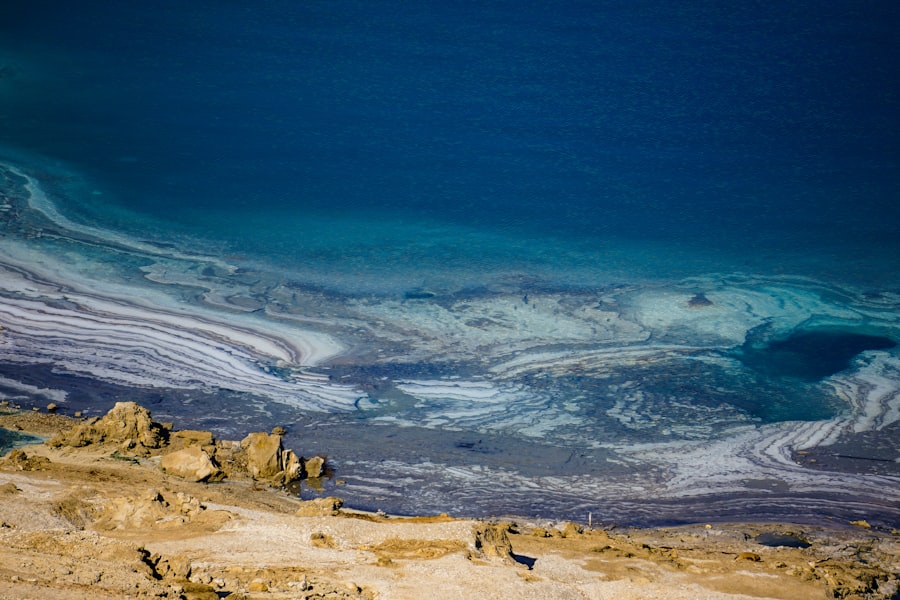
The economic fallout from the Dead Sea sinkholes is multifaceted, impacting various sectors of Jordan’s economy and creating a ripple effect of financial strain.
The Potash and Bromine Industries
Jordan is one of the world’s leading producers of potash and bromine, minerals extracted from the Dead Sea’s hypersaline water. The continued recession of the Dead Sea necessitates the relocation and costly adaptation of evaporation ponds and extraction facilities, which are directly affected by the changing shoreline and the emergence of sinkholes. The uncertainty surrounding future water levels and the potential for land loss due to sinkholes also poses a significant challenge for long-term investment and production planning.
Adapting to the Shrinking Sea
The companies operating in these sectors must constantly adjust their operations. As the shoreline recedes, the distance to the water increases, requiring longer pipelines and more complex pumping systems. Furthermore, the areas where these facilities are located are also prone to sinkhole formation, requiring constant monitoring and costly remediation efforts. This adds significant operational overhead and reduces profitability.
Tourism Revenue Decline
As mentioned earlier, the tourism sector is a major economic driver for Jordan. The negative perception associated with sinkholes, coupled with the actual closure of resorts and attractions due to safety concerns, leads to a substantial decline in tourist arrivals and revenue. This impacts not only the direct tourism businesses but also the ancillary industries that rely on tourist spending, such as hospitality, transportation, and local crafts.
The Image Problem
The media coverage of sinkholes, often dramatic and sensationalized, creates an “image problem” for the Dead Sea as a tourist destination. Even areas that are not directly affected by sinkholes may suffer from the general perception of danger and instability. This makes it challenging for Jordan to attract and retain tourists, requiring significant investment in marketing and public relations to counter the negative narrative.
Increased Costs of Mitigation and Adaptation
Addressing the sinkhole crisis requires substantial financial investment. Governments and private entities are forced to allocate significant resources towards geological surveys, monitoring systems, emergency repairs, and the development of alternative infrastructure. These costs divert funds that could otherwise be used for development and public services.
The Price of Remediation
Every sinkhole that forms requires immediate attention. This can involve filling the cavity, reinforcing the surrounding soil, or even relocating infrastructure. These remediation efforts are often expensive and require specialized expertise. The ongoing nature of the problem means that these costs are recurring and unpredictable.
Environmental Consequences: A Fragile Ecosystem Under Strain
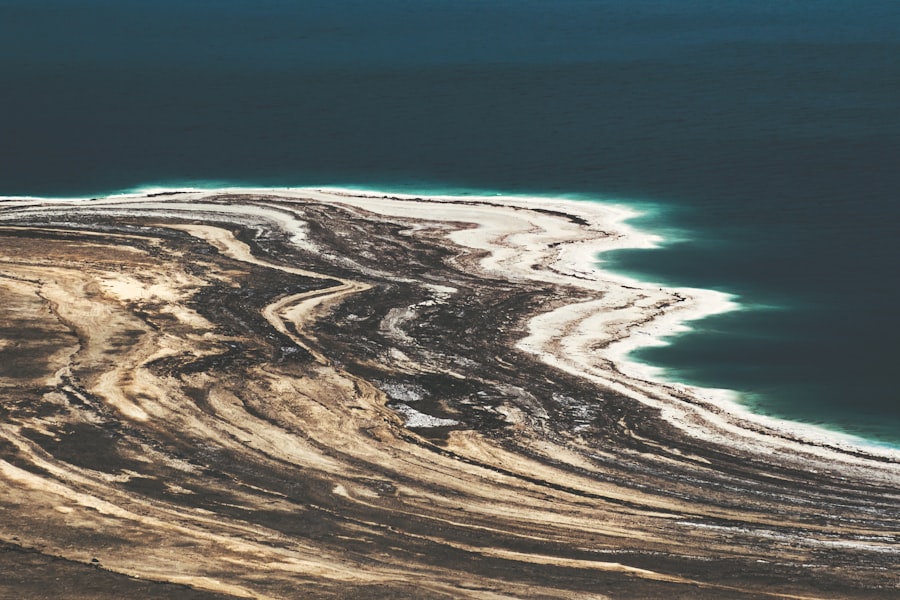
The Dead Sea and its surrounding environment are unique and fragile. The proliferation of sinkholes exacerbates existing environmental pressures and introduces new challenges.
Alteration of Groundwater Systems
The dissolution of salt layers and the creation of underground cavities significantly alter the natural flow of groundwater. This can lead to the contamination of freshwater aquifers with brine or other dissolved salts, impacting their usability for drinking water and agriculture. The altered water flow can also affect the delicate balance of the Dead Sea ecosystem itself.
The Salt Balance Disruption
The Dead Sea is defined by its extreme salinity. As freshwater infiltrates the subterranean salt layers and dissolves them, it effectively removes salt from the system, albeit in a localized and indirect way initially. However, the overall impact on the chemical composition of the remaining Dead Sea water and the surrounding hypersaline environment is a concern.
Impact on Flora and Fauna
The Dead Sea region supports a unique array of flora and fauna adapted to its harsh conditions. The formation of sinkholes can destroy habitats, alter soil conditions, and introduce new stressors that threaten the survival of these specialized species. For instance, areas that were once damp and hospitable might become dry and prone to collapse.
The Delicate Balance of Life
Species found in the Dead Sea region are highly specialized. Their survival depends on specific salinity levels, soil types, and water availability. The dynamic and unpredictable nature of sinkhole formation can lead to the rapid destruction of these niche environments, pushing already vulnerable species closer to extinction.
The Changing Landscape
The visual transformation of the Dead Sea coastline is profound. Areas that were once accessible beaches and tourist spots are now riddled with gaping holes, rendering them unusable and hazardous. This dramatic alteration of the landscape impacts not only the aesthetic appeal of the region but also its ecological integrity.
A Scar on the Earth
The visual evidence of sinkholes – the sudden, gaping voids in the earth – serves as a stark reminder of the environmental pressures at play. These scars on the landscape are not merely visual blemishes; they represent a fundamental disruption of the natural geological and hydrological processes that have shaped the region for millennia.
The phenomenon of sinkholes in the Dead Sea region has garnered significant attention due to their impact on the landscape and local communities. A related article discusses the geological processes behind these sinkholes and their implications for the environment. For those interested in learning more about this intriguing topic, you can read the full article here. Understanding the causes and effects of these sinkholes is essential for developing strategies to mitigate their impact on the surrounding areas.
Potential Solutions and Future Directions
| Year | Number of Sinkholes | Area Affected (sq km) |
|---|---|---|
| 2000 | 0 | 0 |
| 2010 | 1,000 | 40 |
| 2020 | 6,000 | 80 |
Addressing the Dead Sea sinkhole crisis requires a multi-pronged approach, involving scientific research, technological innovation, regional cooperation, and significant investment.
Enhanced Monitoring and Early Warning Systems
The development and deployment of advanced monitoring technologies are crucial. This includes:
Geological Surveys and Geophysical Methods
Utilizing techniques like ground-penetrating radar (GPR), seismic surveys, and electrical resistivity imaging can help map underground cavities and identify areas at high risk of collapse. Regular and comprehensive geological surveys of the entire affected coastline are essential to understand the extent and progression of salt dissolution.
Remote Sensing and Satellite Imagery
Satellite imagery, coupled with drone technology, can provide valuable data for monitoring changes in land surface elevation, identifying subtle depressions that may indicate the early stages of sinkhole formation, and tracking the overall recession of the Dead Sea.
Innovative Remediation and Stabilization Techniques
Developing effective and scalable methods for sinkhole remediation is paramount.
Injection of Stabilizing Materials
Research is underway into injecting various materials, such as special grouts or expanding foams, into underground cavities to fill them and stabilize the overlying soil. The effectiveness and long-term durability of these methods are subjects of ongoing study.
Land-Use Planning and Relocation Strategies
Implementing strict land-use planning regulations is essential to prevent further development in high-risk areas. This may also involve the strategic relocation of existing infrastructure and communities away from the most vulnerable zones. This is a complex undertaking with significant social and economic implications.
Regional Cooperation and Water Management
The Dead Sea is a shared resource, and its challenges necessitate regional cooperation.
Joint Management of Water Resources
Collaborative efforts between Jordan, Israel, and Palestine to manage the Jordan River and other water resources are vital. This includes exploring options for sustainable water allocation, reducing water wastage, and potentially exploring desalination projects to augment freshwater supplies.
Transboundary Sinkhole Research Initiatives
Sharing data and research findings between countries bordering the Dead Sea can accelerate understanding of the sinkhole phenomenon and foster the development of joint solutions. A unified approach to monitoring and addressing the crisis is more effective than individual efforts.
Sustainable Economic Diversification
While the Dead Sea industries are vital, diversifying Jordan’s economy can reduce its sole reliance on the Dead Sea’s resources.
Promoting Alternative Tourism
Developing and promoting alternative tourist attractions beyond the Dead Sea itself can help mitigate the economic impact of declining tourism in the sinkhole-affected areas. This could include eco-tourism, cultural heritage sites, and adventure tourism in other parts of the country.
Investing in New Technologies and Industries
Encouraging investment in new technologies and industries that are not directly reliant on the Dead Sea can create new economic opportunities and reduce vulnerability to the ongoing crisis. This could include renewable energy, digital services, or advanced manufacturing.
Research into Artificial Replenishment
While controversial and costly, research into the feasibility of artificial replenishment of the Dead Sea, perhaps through a canal from the Red Sea, continues to be discussed. The potential environmental impacts and engineering challenges of such a project are immense, but it remains a theoretical long-term solution to address the root cause of the recession.
The Long Road Ahead
The Dead Sea sinkhole crisis is a complex and evolving challenge with no easy answers. It demands a sustained commitment from the Jordanian government, international partners, and the scientific community. The fate of this natural wonder, and the economic and social well-being of the region, hinges on the ability to understand, adapt to, and ultimately mitigate this rising threat. The silent unfolding of the sinkholes beneath the Dead Sea is a stark reminder of the delicate balance between human activity and the natural world, and a call to action for responsible stewardship of our planet’s most precious resources.
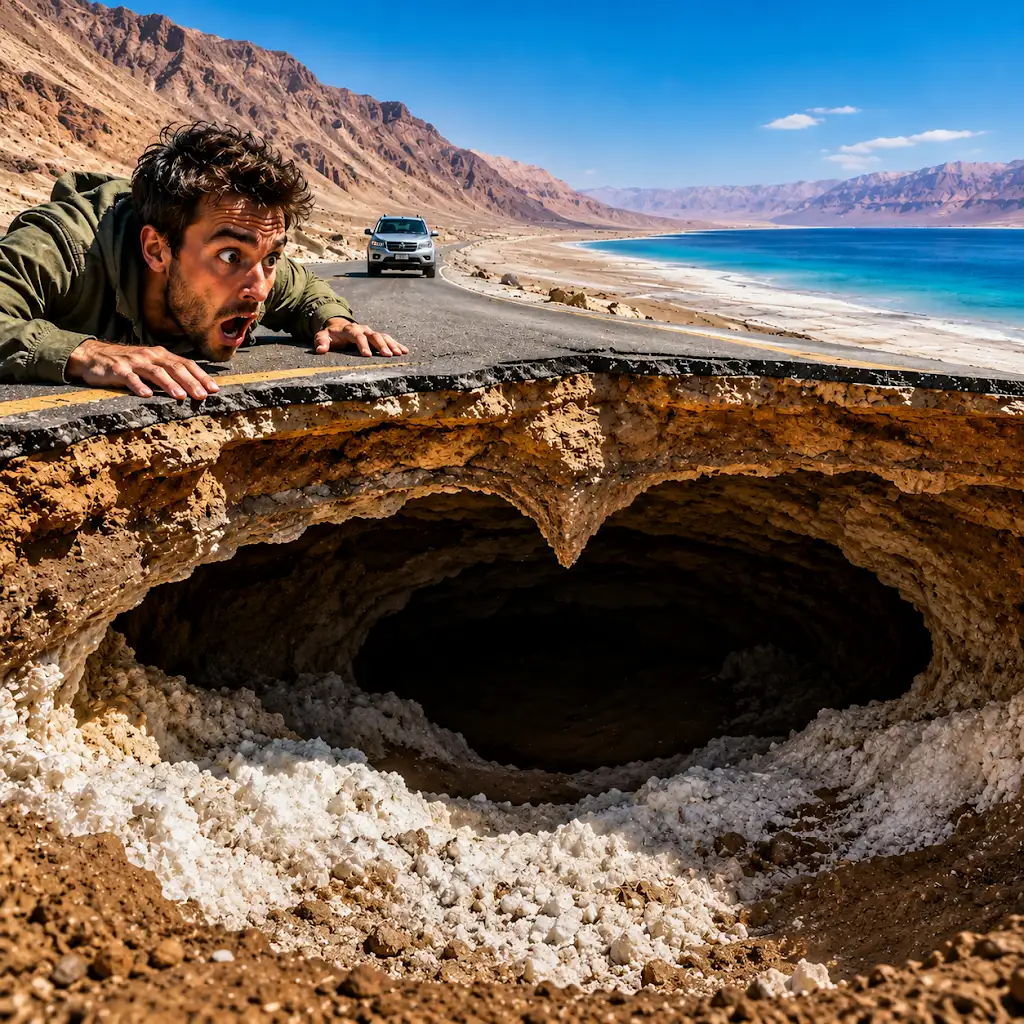
The Dead Sea Is Vanishing — And Leaving Giant Holes Behind
FAQs
What are the Dead Sea sinkholes?
The Dead Sea sinkholes are large depressions or cavities that have formed around the shores of the Dead Sea. These sinkholes are a result of the receding water levels of the Dead Sea, which have caused the underlying salt layers to dissolve and collapse, creating these dangerous holes.
Why are the Dead Sea sinkholes a concern?
The Dead Sea sinkholes pose a significant threat to the surrounding infrastructure, including roads, buildings, and agricultural land. They also pose a danger to people and animals, as they can appear suddenly and without warning.
What causes the formation of the Dead Sea sinkholes?
The formation of the Dead Sea sinkholes is primarily attributed to the decreasing water levels of the Dead Sea, which have led to the exposure and subsequent dissolution of the underlying salt layers. This process creates voids that eventually collapse, forming the sinkholes.
How are the Dead Sea sinkholes being addressed?
Efforts to address the issue of the Dead Sea sinkholes include various engineering solutions, such as filling the sinkholes with a mixture of cement and other materials to stabilize the ground. Additionally, there are ongoing discussions about potential long-term solutions, such as diverting water from the Red Sea to replenish the Dead Sea.
What impact do the Dead Sea sinkholes have on the environment and tourism?
The Dead Sea sinkholes have had a significant impact on the surrounding environment, causing damage to natural habitats and ecosystems. Additionally, the sinkholes have affected tourism in the area, as they have led to the closure of popular beaches and resorts along the Dead Sea shoreline.