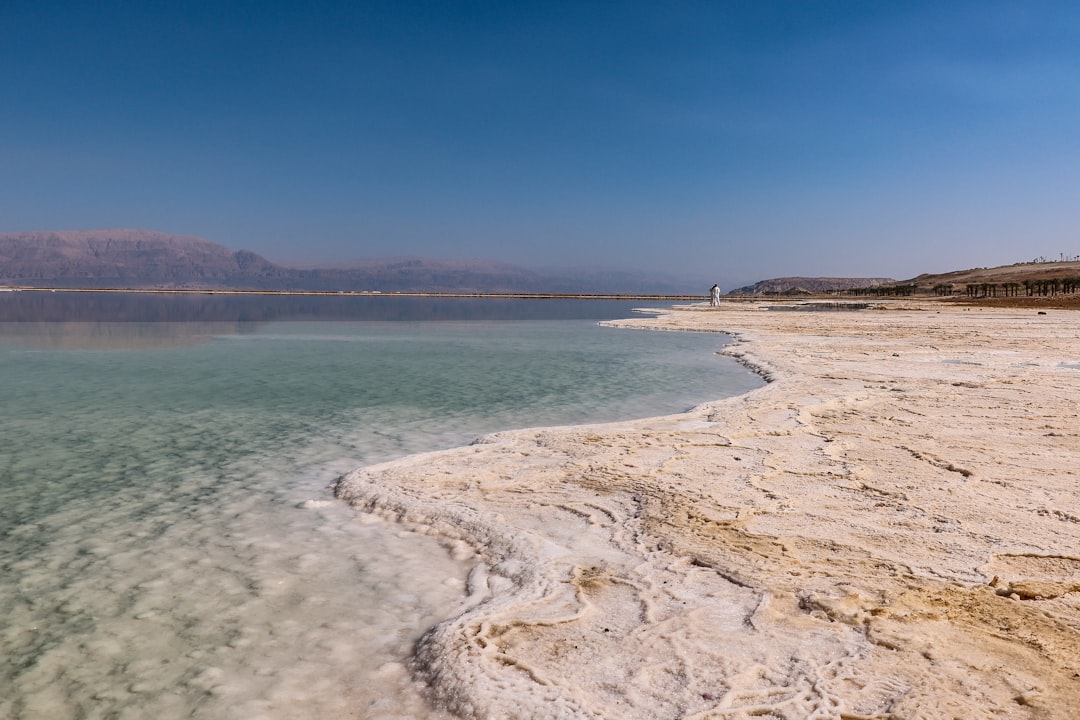
The Dead Sea, a hypersaline lake nestled between Jordan and Israel, is a natural wonder renowned for its buoyancy and mineral-rich waters. However, this unique aquatic body also harbors a less discussed, yet equally fascinating, phenomenon: its vast evaporation ponds. These man-made structures, stretching across its shores, are not an arbitrary imposition on the landscape but a direct consequence of the Dead Sea’s extreme evaporation rate. The article will delve into the reasons behind the existence of these ponds, exploring the geological and climatic factors that contribute to the Dead Sea’s relentless desiccation, the economic drivers that necessitate their creation, and the delicate environmental balance they represent.
The Dead Sea’s hyper-salinity is inextricably linked to its high evaporation rate. This rate is not a mere statistic; it is a fundamental characteristic shaped by a confluence of geographical and climatic forces. Understanding these forces is paramount to comprehending why evaporation ponds have become an indispensable feature of its shores.
Geographical Isolation and Endorheic Basin Dynamics
The Dead Sea exists within an endorheic basin, meaning it is a closed system with no outlet to the sea. Water enters primarily through the Jordan River, but it has no natural escape route. This isolation is a critical factor in its increasing salinity and the subsequent need for evaporation.
The Role of the Jordan Rift Valley
The Dead Sea is situated at the lowest point on Earth’s land surface, within the Jordan Rift Valley. This geological depression, formed by tectonic activity, traps water from surrounding highlands. The valley’s topography also plays a role in channeling air currents, which can influence evaporation rates. The lack of an outflow means that any water entering the basin must eventually leave through evaporation, concentrating dissolved minerals in the remaining water.
The Impact of Declining Inflow
Historically, the Jordan River was the primary source of water for the Dead Sea. However, extensive water diversion for agricultural and domestic use in the Jordan River basin has drastically reduced the river’s flow into the Dead Sea. This reduction in inflow exacerbates the natural evaporation process, leading to a more rapid decline in water levels and a further concentration of salts.
Climatic Conditions: A Recipe for Desiccation
The region surrounding the Dead Sea is characterized by an exceptionally arid climate, further intensifying the evaporation process.
Intense Solar Radiation
The Dead Sea experiences remarkably high levels of solar radiation throughout the year. The clear skies, common in this desert environment, allow the sun’s rays to penetrate the water surface with minimal obstruction, driving a powerful evaporation process. The intense heat absorbed by the water surface translates directly into increased evaporation.
Low Humidity and Arid Air
The air in the Dead Sea region is notoriously dry. Low humidity means that the air can readily absorb moisture from the water surface, accelerating evaporation. Unlike humid environments where the air becomes saturated and slows down the evaporation process, the arid air here constantly “pulls” moisture away.
Prevailing Winds and Airflow
While often subtle, prevailing winds across the Dead Sea’s surface can also contribute to evaporation. These winds help to carry away the moist air that forms directly above the water, replacing it with drier air, thus sustaining the evaporation cycle. The open expanse of the Dead Sea allows for unobstructed wind patterns to enhance this effect.
The Dead Sea, known for its high salinity and mineral-rich waters, has become a focal point for the development of evaporation ponds, which are essential for the extraction of valuable minerals like potash and magnesium. These ponds utilize the region’s intense sunlight and arid climate to facilitate the evaporation process, concentrating the minerals found in the brine. For a deeper understanding of the significance of these evaporation ponds and their impact on the local economy and environment, you can read more in this related article: here.
Harvesting the Salt: Economic Imperatives Behind the Ponds
The existence of the Dead Sea’s evaporation ponds is not solely a product of natural forces; it is also driven by significant economic interests. The rich mineral composition of the Dead Sea’s water makes it a valuable resource for various industries, and the evaporation ponds are the primary mechanism for extracting these minerals.
The Value of Dead Sea Minerals
The Dead Sea is a treasure trove of minerals, including potassium, magnesium, bromine, and of course, salt. These minerals possess unique properties that are highly sought after in global markets.
Potash Production: A Global Necessity
Potash, a key ingredient in fertilizers, is one of the most commercially significant minerals extracted from the Dead Sea. The Dead Sea contains one of the highest concentrations of potash in the world. The evaporation ponds are instrumental in concentrating the brine to levels where efficient potash extraction is economically viable. This potash plays a crucial role in global agriculture, contributing to food security.
Bromine and its Applications
Bromine, another abundant element in the Dead Sea, has a wide range of industrial applications. It is used in flame retardants, water purification, pharmaceuticals, and photographic chemicals. The evaporation process allows for the isolation and extraction of bromine compounds from the concentrated brines.
Magnesium Chloride and Other Salts
Magnesium chloride, found in significant quantities, is utilized in various industries, including de-icing agents, dust suppressants, and as a precursor for magnesium metal production. Other salts, such as calcium chloride, also contribute to the economic rationale for operating these ponds.
Industrial Extraction Processes
The evaporation ponds serve as the initial stage of a complex industrial process designed to extract these valuable minerals.
Solar Evaporation as a Pre-Concentration Method
The fundamental principle behind the evaporation ponds is solar evaporation. The ponds are designed to maximize the surface area exposed to the sun and wind, thereby accelerating the rate at which water evaporates. As water evaporates, the concentration of dissolved salts increases, making subsequent extraction processes more efficient and cost-effective.
Staged Evaporation and Mineral Precipitation
The evaporation process is often conducted in a series of interconnected ponds. As the brine moves through these ponds, different minerals begin to precipitate out at various stages due to their differing solubilities. This staged approach allows for the selective harvesting of specific minerals. For example, as water evaporates, sodium chloride (common salt) may precipitate first, followed by other, less soluble salts like potash.
Chemical Processing and Refinement
Once the brine has reached the desired concentration and certain minerals have been precipitated, further chemical processing and refinement are undertaken to isolate and purify the target minerals, such as potash and bromine. The evaporation ponds provide the concentrated feedstock for these more complex industrial operations.
A Landscape Transformed: The Visual and Functional Impact of Evaporation Ponds
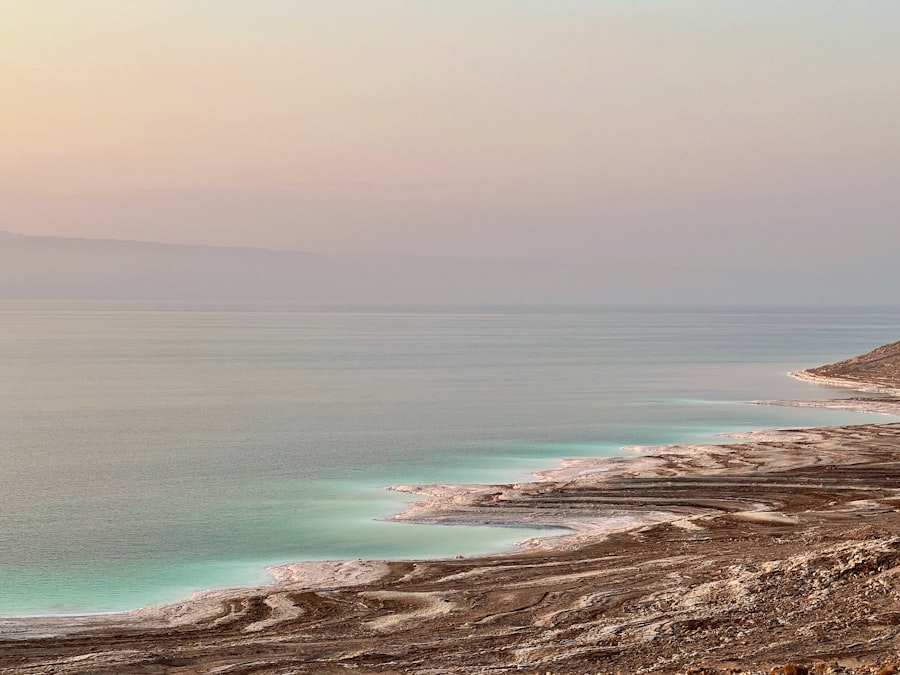
The presence of Dead Sea evaporation ponds has irrevocably altered the landscape along its shores. These vast, geometric expanses of colored water are a striking visual testament to human intervention in a natural environment, serving both aesthetic and functional purposes.
The Palette of Salt: Visual Diversity
The colors observed in the evaporation ponds are not random; they are a direct result of mineral concentrations and the presence of halophilic microorganisms.
Shades of Blue and Turquoise
When the brine is less concentrated, or contains specific mineral compositions, the water can appear in vibrant shades of blue and turquoise. These colors are often seen in the initial evaporation ponds where the water has undergone less intense evaporation.
The Pink Hues: A Microbial Phenomenon
Perhaps the most striking visual characteristic of the Dead Sea evaporation ponds is their frequent transformation into vivid shades of pink and red. This phenomenon is attributed to the proliferation of halophilic archaea, microscopic organisms that thrive in extremely saline environments. These organisms contain pigments that give the water its distinctive color. The intensity of the pink can vary depending on the species present and their population density.
White and Opaque Layers: Salt Crystallization
As evaporation progresses and salt concentrations reach saturation points, layers of crystallized salt can form on the surface of the ponds. These crystalline deposits can create a stark white, opaque appearance, contrasting with the more translucent colored waters.
The Scale of Operation: Engineering and Infrastructure
The evaporation ponds are not natural formations but sophisticated engineering projects, requiring significant infrastructure and ongoing maintenance.
Geometric Design for Maximum Efficiency
The ponds are typically designed in large, rectangular or square shapes with precisely engineered dikes and channels. This geometric layout maximizes the surface area exposed to evaporation and allows for controlled movement of the brine between stages. The efficiency of evaporation is directly linked to the surface area available.
Pumping Systems and Brine Management
An intricate network of pumps and channels is essential for managing the flow of brine between the different evaporation ponds. This system ensures that the brine is moved progressively through the stages, allowing for optimal mineral precipitation and extraction. Constant monitoring and adjustment of these systems are crucial for the success of the operation.
Impact on Shoreline and Infrastructure
The construction and expansion of these ponds have had a significant impact on the Dead Sea’s shorelines. In some areas, they have extended the apparent landmass, while in others, they have altered natural coastlines. Associated infrastructure, such as pipelines, processing plants, and access roads, also forms a prominent part of the man-made landscape.
Environmental Concerns: The Double-Edged Sword of Evaporation
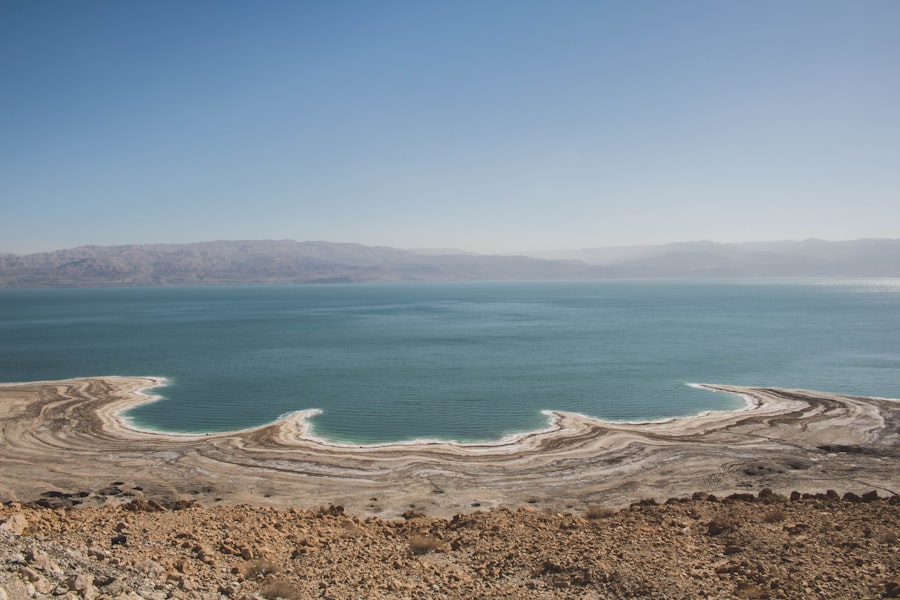
While the evaporation ponds are economically vital, their existence and operation are not without significant environmental consequences. The relentless pursuit of mineral extraction through artificial evaporation presents a complex ecological challenge.
The Declining Dead Sea: A Broader Crisis
The evaporation ponds are intrinsically linked to the broader issue of the Dead Sea’s dramatic decline in water levels. While industrial evaporation is a factor, it is important to note that the primary driver of this decline is the diversion of water from the Jordan River.
Water Level Recession and its Ramifications
The Dead Sea’s water level has been dropping at an alarming rate for decades. This recession has profound ecological and economic impacts, including the exposure of sinkholes along the shoreline, damage to coastal ecosystems, and challenges for tourism. The evaporation ponds contribute to the overall water loss, albeit often to a lesser extent than river diversion.
Impact on Salinity and Biodiversity
As the Dead Sea shrinks and its mineral concentration increases, the environment becomes increasingly hostile to many forms of life. While the hyper-saline conditions support a limited number of extremophiles, the ongoing increase in salinity threatens even these specialized organisms. The evaporation ponds, by concentrating the brine, further intensify these conditions.
Ecological Footprint of Industrial Activity
The industrial processes associated with the evaporation ponds also have an environmental footprint beyond the direct water loss.
Land Use and Habitat Alteration
The extensive land required for the construction of the evaporation ponds has led to habitat alteration and displacement of terrestrial wildlife along the Dead Sea’s shores. The geometric formations and sterile nature of the ponds offer little in the way of ecological value for most native species.
Potential for Pollution and Chemical Contamination
While efforts are made to manage industrial waste, there is always a potential for chemical contamination from processing plants and the brines themselves. Leaks or spills could have detrimental effects on the surrounding environment, particularly groundwater resources.
Sinkhole Formation and Geomorphological Changes
The receding Dead Sea water levels, partly exacerbated by evaporation, contribute to the formation of dangerous sinkholes along the shoreline. The expansion of evaporation ponds can also interact with these geomorphological changes, creating complex challenges for land management and safety.
The Dead Sea is famous for its high salinity and unique mineral content, which has led to the establishment of evaporation ponds in the region. These ponds play a crucial role in the extraction of valuable minerals such as potash and magnesium, which are essential for various industries. For a deeper understanding of the processes involved in the formation and utilization of these evaporation ponds, you can explore a related article that provides insights into the environmental and economic significance of this fascinating area. To learn more, visit this article.
Future Perspectives: Balancing Extraction with Conservation
| Reasons for Dead Sea Evaporation Ponds |
|---|
| High evaporation rate due to low elevation and high temperatures |
| Rich mineral content in the water |
| Desire to extract valuable minerals such as potash, magnesium, and bromine |
| Creation of a natural resource for cosmetic and pharmaceutical industries |
The future of the Dead Sea and its evaporation ponds hinges on finding a sustainable balance between economic needs and environmental preservation. This is a complex challenge with no easy solutions, requiring innovative approaches and international cooperation.
Exploring Sustainable Extraction Methods
The industry is constantly seeking ways to improve the efficiency of extraction and minimize its environmental impact.
Technological Advancements in Mineral Recovery
Research and development are focused on more advanced technologies that can extract minerals with greater efficiency and less reliance on extensive surface evaporation. This could include methods that require less land area or have a smaller water footprint.
Diversification of Mineral Extraction
Exploring the extraction of less common, but still valuable, minerals from the Dead Sea could potentially lead to more diversified and economically stable operations that might require different extraction processes.
Innovations in Water Management and Conservation
The ultimate solution for the Dead Sea’s survival lies in addressing the primary cause of its decline: water diversion. International agreements and innovative water management strategies for the Jordan River basin are crucial.
The Role of International Cooperation and Policy
The Dead Sea is a shared resource, and its future requires collaborative efforts.
Transboundary Water Management Agreements
Establishing and enforcing robust transboundary water management agreements for the Jordan River basin is essential to ensure adequate water flow into the Dead Sea.
International Environmental Monitoring and Regulation
Implementing stringent international environmental monitoring programs and regulatory frameworks can help to ensure that industrial activities are conducted responsibly and with minimal ecological damage.
Promoting Eco-Tourism and Sustainable Development
Developing sustainable eco-tourism initiatives that highlight the unique natural and cultural heritage of the Dead Sea region can provide economic alternatives that are less environmentally impactful than large-scale industrial extraction.
The Ultimate Fate: A Natural Wonder in Peril
The Dead Sea evaporation ponds are a testament to both human ingenuity and the relentless power of nature. They represent a crucial economic engine for the region but also a stark reminder of the environmental challenges posed by a shrinking natural wonder. The continued existence and operation of these ponds will depend on the ability of stakeholders to navigate the complex interplay between economic imperatives and the urgent need for conservation. The ongoing dialogue about the Dead Sea’s future must prioritize solutions that ensure the long-term health of this irreplaceable natural treasure.
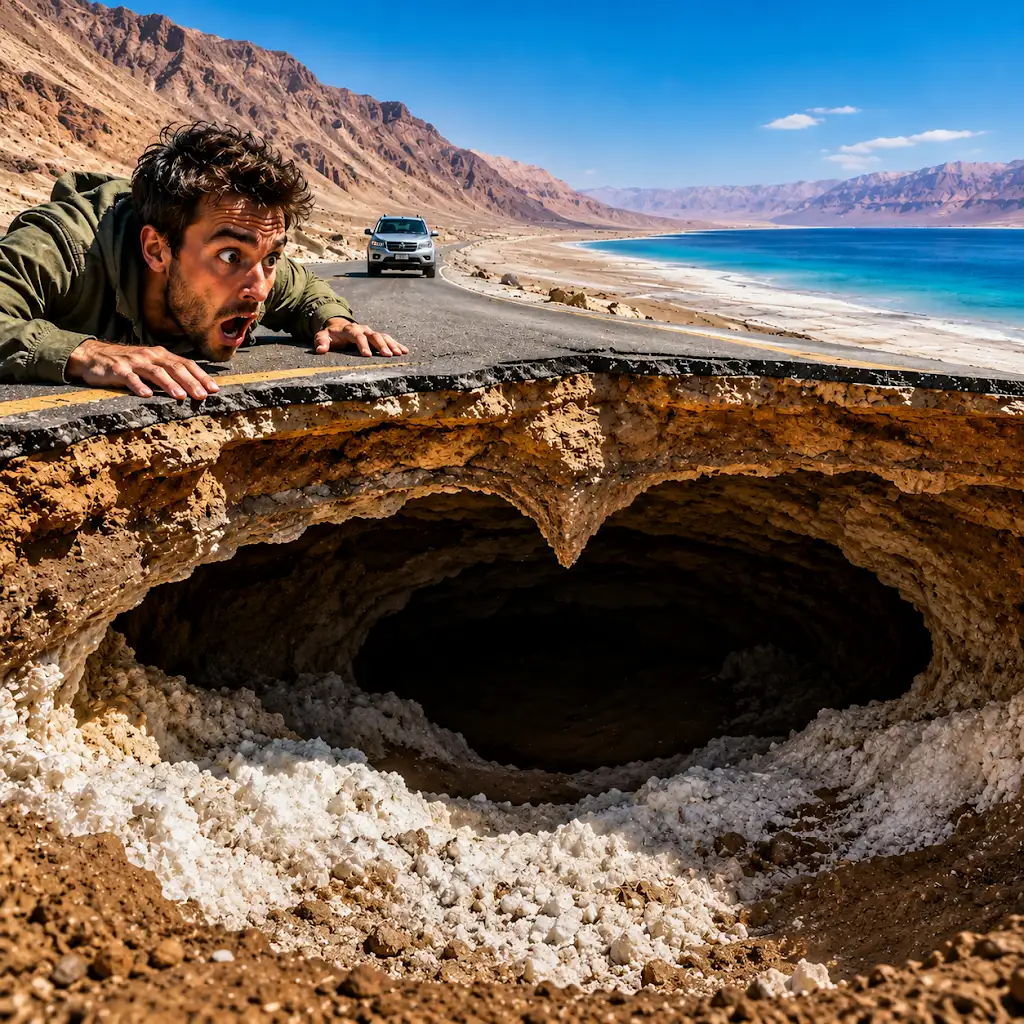
The Dead Sea Is Vanishing — And Leaving Giant Holes Behind
FAQs
1. What are evaporation ponds and how are they used at the Dead Sea?
Evaporation ponds are large, shallow pools of water designed to harness the natural process of evaporation. At the Dead Sea, evaporation ponds are used to extract minerals such as salt and potash from the water, as the high levels of evaporation leave behind concentrated mineral deposits.
2. Why are evaporation ponds used at the Dead Sea?
Evaporation ponds are used at the Dead Sea to extract valuable minerals from the water, such as salt and potash. These minerals are in high demand for various industrial and agricultural purposes, making the Dead Sea’s evaporation ponds an important source of these resources.
3. How do evaporation ponds impact the environment at the Dead Sea?
The use of evaporation ponds at the Dead Sea can have both positive and negative environmental impacts. On one hand, the extraction of minerals from the water can disrupt the natural balance of the ecosystem. On the other hand, the creation of evaporation ponds can also provide opportunities for conservation and restoration efforts in the region.
4. What is the significance of the Dead Sea’s evaporation ponds?
The Dead Sea’s evaporation ponds play a significant role in the extraction of valuable minerals, which are used in various industries such as agriculture, cosmetics, and chemical production. Additionally, the evaporation ponds contribute to the economic development of the region and provide employment opportunities for local communities.
5. Are there any challenges associated with the use of evaporation ponds at the Dead Sea?
One of the main challenges associated with the use of evaporation ponds at the Dead Sea is the potential environmental impact, including the disruption of the natural ecosystem and the depletion of water resources. Additionally, the management and regulation of the evaporation ponds require careful monitoring to ensure sustainable and responsible practices.