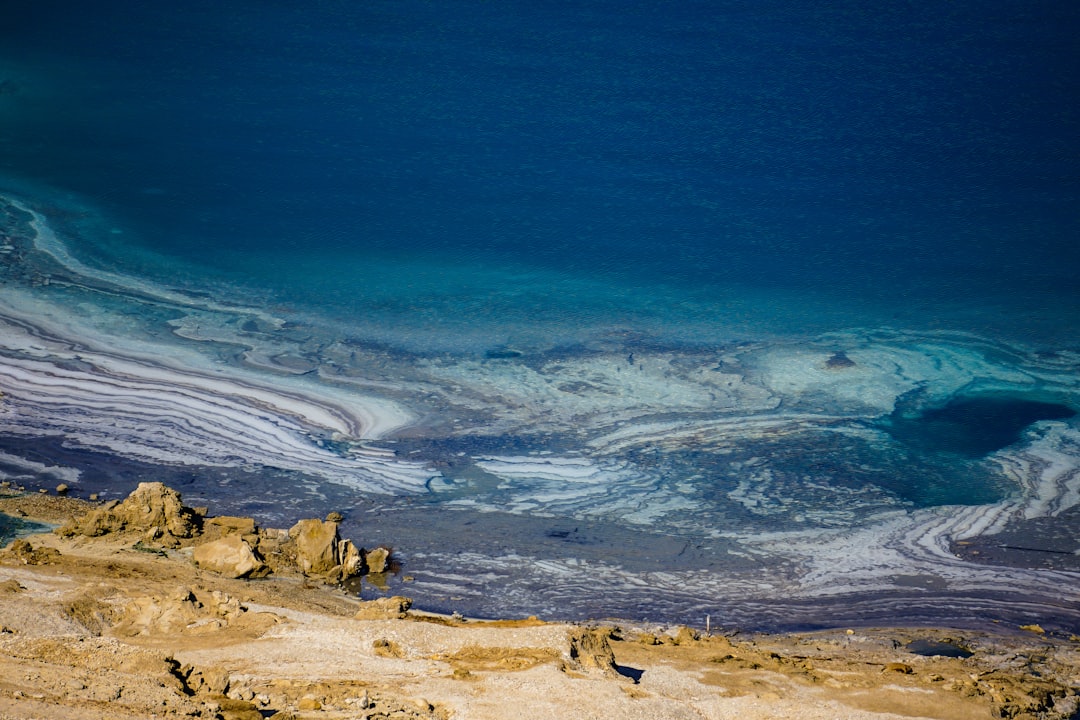
The Dead Sea, a hypersaline body of water famously known for its buoyancy and therapeutic mud, also harbors a remarkable and often unseen industrial landscape: its vast evaporation ponds. These man-made basins, stretching across the southern Dead Sea, are the crucible where valuable minerals are painstakingly extracted from the brine. It is here, through the relentless power of the sun and meticulous engineering, that a wealth of chemical resources – potassium, magnesium, and bromine, among others – are harvested, transforming the ancient sea into a source of global commodities.
The history of mineral extraction from the Dead Sea is deeply intertwined with the development of the surrounding region and the inherent properties of the brine itself. The unique geological conditions of the Dead Sea basin, a rift valley formed by tectonic plate movement, have resulted in an exceptionally concentrated salt solution, several times saltier than the ocean. This extreme salinity is not merely a geographical curiosity; it is the very foundation of the mineral harvesting industry.
Early Explorations and the Dawn of Industrialization
The therapeutic qualities of the Dead Sea have been recognized for millennia, with accounts of its rich mineral content dating back to ancient times. However, the systematic extraction of these minerals on an industrial scale is a more recent development. Early pioneers and geologists recognized the immense potential locked within the dense brine. The establishment of the first chemical plants in the late 19th and early 20th centuries marked the beginning of a concerted effort to harness these resources. These initial ventures were often small-scale and focused on extracting specific salts, but they laid the groundwork for the more sophisticated operations that exist today.
The Rise of Evaporation Ponds: A Natural Process Engineered
The fundamental principle behind the mineral extraction is simple: evaporation. The intense solar radiation in the Dead Sea region, coupled with the low humidity and prevailing winds, creates an ideal environment for rapid water evaporation. Recognizing this natural advantage, engineers devised a system of interconnected ponds designed to concentrate the brine and facilitate the precipitation of its dissolved minerals. The development of these ponds was a critical step, allowing for the controlled and efficient separation of different mineral compounds.
The Geopolitical and Economic Significance
The Dead Sea region has always been a nexus of geopolitical and economic interest. The mineral wealth of the Dead Sea has become a significant economic driver for both Jordan and Israel, the two primary nations bordering the southern basin. The extraction of these minerals not only generates substantial revenue but also creates employment opportunities and fosters technological innovation. The strategic importance of these resources extends beyond regional economies, as they are vital components in numerous global industries, from agriculture to pharmaceuticals.
The phenomenon of Dead Sea evaporation ponds has garnered significant attention due to its implications for both the environment and local economies. For a deeper understanding of the processes involved and the challenges faced in this unique ecosystem, you can explore a related article that delves into the science and sustainability of these evaporation ponds. To read more, visit this article.
Engineering the Brine: The Design and Function of Evaporation Ponds
The evaporation ponds are not haphazard pools of water; they are sophisticated, engineered systems designed to optimize mineral precipitation through a carefully controlled process of concentration. Their design is a testament to human ingenuity in harnessing natural forces for industrial purposes. The interconnectedness of these ponds, each at a slightly different stage of concentration, is crucial to their effectiveness.
The Phased Evaporation Process
The process begins with drawing Dead Sea water into the initial, largest ponds. As the water evaporates under the relentless desert sun, the concentration of dissolved salts steadily increases. This increasing salinity triggers the precipitation of certain minerals, which are less soluble than others. Different minerals precipitate at different concentration levels, a principle that forms the basis of the separation process.
The Role of Different Pond Types
The evaporation ponds are not uniform. They are typically designed in a series, with each pond serving a specific purpose. The initial ponds, known as “inflow ponds” or “pre-concentration ponds,” are the largest and are where the initial evaporation begins. As the brine becomes more concentrated, it is gradually transferred to subsequent ponds.
Pond 1: The Initial Concentration Stage
In the first stage, the primary goal is to increase the density of the brine. As water evaporates, the concentration of minerals like sodium chloride (common salt) and other less soluble salts begins to rise. These salts may start to precipitate, forming a layer on the pond floor. However, the focus here is on concentrating the brine for the subsequent extraction of more valuable minerals.
Pond 2: Potassium and Magnesium Precipitation
As the brine is transferred to the second set of ponds, the concentration reaches a level where potassium chloride (potash) and magnesium chloride begin to precipitate. This stage is critical for the extraction of potash, a vital component in fertilizers, and magnesium compounds, which have numerous industrial applications. The separation of these minerals is achieved through careful control of brine levels and the timing of harvesting.
Pond 3: Salt Harvesting and Further Concentration
In further stages, as evaporation continues, the concentration of sodium chloride increases significantly. This stage is often dedicated to the harvesting of industrial-grade salt, which is a valuable commodity in its own right. The remaining brine, now highly concentrated with remaining dissolved minerals, is then directed to the final stages for the extraction of other specific compounds.
Pond 4 and Beyond: Bromine and Specialized Minerals
The final ponds are where the most concentrated brine is held, allowing for the precipitation of other valuable minerals, most notably bromine. Bromine is a crucial element used in a wide range of applications, including flame retardants, pharmaceuticals, and water purification. The design and operation of these later-stage ponds are highly specialized to maximize the yield of these specific, high-value minerals.
Harvesting the Bounty: The Mineral Extraction Process
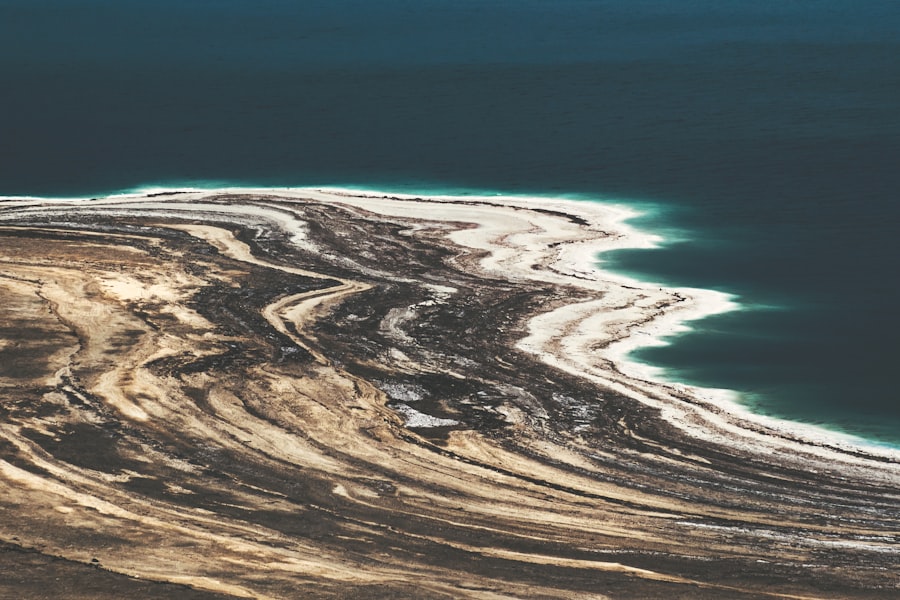
The process of extracting minerals from the concentrated brine is a sophisticated operation that combines the forces of nature with advanced industrial techniques. It is a testament to the ability of human innovation to unlock the chemical treasures of the Dead Sea.
The Importance of Mechanical Harvesting
Once minerals begin to precipitate and form layers on the pond floors, mechanical harvesting becomes essential. Large excavators, specialized barges, and conveyor systems are employed to collect the precipitated salts. The efficiency of these harvesting operations directly impacts the overall yield and economic viability of the extraction process.
Potash Extraction: A Fertilizer Essential
Potash, primarily in the form of potassium chloride, is one of the most valuable minerals extracted from the Dead Sea. The precipitation and harvesting of potash are meticulously managed to ensure a high-quality product. The harvested potash is then further processed and purified to meet the stringent requirements of the global fertilizer market, a critical sector for ensuring food security worldwide.
Magnesium Compounds: Versatile Industrial Inputs
Magnesium chloride and other magnesium compounds are also significant byproducts of the evaporation process. These versatile materials find applications in a wide array of industries, including construction, agriculture, and even in the production of lightweight alloys for the aerospace and automotive sectors. The efficient separation and purification of magnesium compounds are key to maximizing their economic value.
Bromine Extraction: A Chemical Cornerstone
The extraction of bromine from the highly concentrated brine is a complex chemical process. Once the bromine-rich brine is isolated, it undergoes chemical treatment to liberate the elemental bromine. This process often involves oxidation and steam stripping. The resulting bromine is then further purified and transported for use in a diverse range of industrial and chemical applications.
Managing Byproducts and Waste Streams
The efficient management of byproducts and waste streams is an integral part of the mineral extraction process. While valuable minerals are harvested, the residual brine and any non-marketable precipitated salts need to be handled responsibly. Efforts are often made to find uses for these byproducts or to dispose of them in an environmentally sound manner, minimizing any negative impact on the surrounding ecosystem.
Environmental Considerations: Balancing Extraction with Sustainability
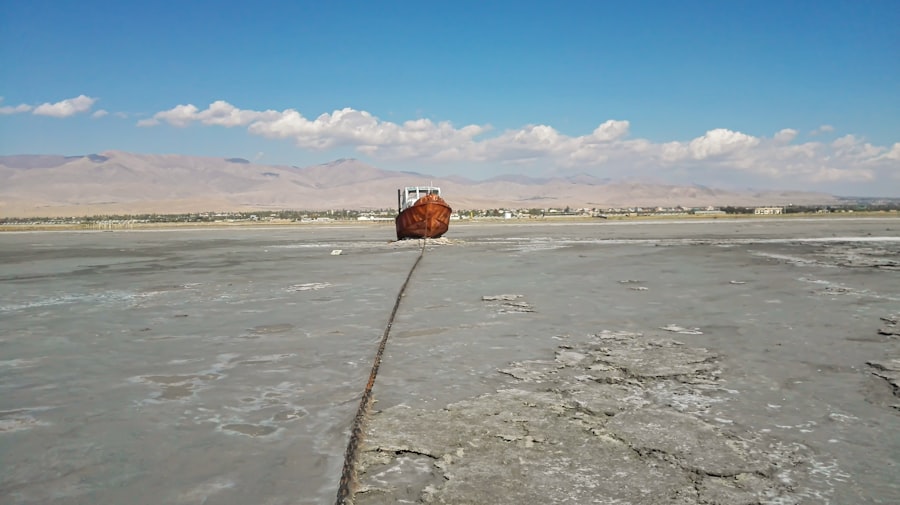
The vast scale of the evaporation ponds and the intensive industrial activity raise important environmental questions. Balancing the economic benefits of mineral extraction with the need to protect the fragile Dead Sea ecosystem is a continuous challenge and a critical area of focus for operators and environmental scientists.
The Impact on Dead Sea Levels
One of the most significant environmental concerns is the impact of water diversion for the evaporation ponds on the Dead Sea’s declining water levels. The constant extraction of water for industrial purposes, coupled with reduced inflows from the Jordan River, contributes to the shrinking of the sea. This decline has far-reaching consequences for the ecosystem, the surrounding landscape, and the stability of the Dead Sea shore.
Salinity Changes and Ecosystem Health
The altered salinity and chemical composition of the remaining brine within the evaporation ponds, and potentially its interaction with the main Dead Sea body, can have impacts on the unique extremophile organisms that inhabit the Dead Sea. Understanding these changes and their ecological implications is crucial for developing sustainable extraction practices.
Land Use and Habitat Alteration
The construction and maintenance of the extensive evaporation pond network require significant land use. This can lead to the alteration of natural habitats and potential impacts on terrestrial wildlife. Careful planning and environmental impact assessments are necessary to minimize these effects.
Water Management and Conservation Efforts
To mitigate the environmental impacts, there is a growing emphasis on water management and conservation efforts. This includes optimizing water usage within the extraction process, exploring technologies that reduce reliance on direct water diversion, and investigating potential solutions for replenishing the Dead Sea.
Monitoring and Mitigation Strategies
Continuous environmental monitoring is essential to track changes in water levels, salinity, and ecosystem health. Based on this monitoring, mitigation strategies are developed and implemented to address any identified environmental concerns. This can include measures to control brine leakage, manage runoff, and protect sensitive habitats.
The evaporation ponds of the Dead Sea are a fascinating subject, showcasing the unique methods used to extract minerals from this iconic body of water. For those interested in learning more about the environmental impacts and the science behind these ponds, a related article can be found at My Geo Quest, which delves into the intricate balance between industry and nature in this remarkable region.
The Future of Dead Sea Mineral Harvesting: Innovation and Sustainability
| Evaporation Pond | Area (sq km) | Depth (m) | Evaporation Rate (cm/year) |
|---|---|---|---|
| Pond 1 | 5 | 2 | 150 |
| Pond 2 | 8 | 3 | 200 |
| Pond 3 | 10 | 4 | 250 |
The mineral extraction industry at the Dead Sea is not static. It is a dynamic field that is constantly evolving in response to technological advancements, economic pressures, and increasing environmental awareness. The future of this industry hinges on a commitment to innovation and a deep-seated dedication to sustainable practices.
Technological Advancements in Extraction
Ongoing research and development are focused on improving the efficiency and reducing the environmental footprint of mineral extraction. This includes exploring new methods for concentrating brine, more selective mineral precipitation techniques, and advanced separation technologies that can yield higher purity products with less energy consumption.
Exploring New Mineral Resources
While potash, magnesium, and bromine are the primary targets, ongoing research may uncover the economic viability of extracting other valuable minerals present in the Dead Sea brine. This could further diversify the industry and enhance its economic contribution.
Circular Economy Approaches
The principles of a circular economy are gaining traction in the Dead Sea mineral harvesting sector. This involves finding ways to reuse or repurpose byproducts, minimize waste generation, and maximize the value extracted from the brine. This could include finding applications for precipitated salts that are currently considered waste.
International Cooperation and Resource Management
Given the shared nature of the Dead Sea resource, international cooperation between Jordan and Israel is crucial for effective and sustainable management. Collaborative research, data sharing, and coordinated policy development can lead to more robust and environmentally responsible extraction practices.
The Quest for a Balanced Solution
The ultimate goal is to achieve a delicate balance: to continue harnessing the invaluable mineral resources of the Dead Sea while simultaneously safeguarding its unique ecological integrity. This requires a long-term vision that prioritizes innovation, embraces sustainability, and fosters collaboration. The evaporation ponds, once seen solely as industrial sites, are increasingly recognized as a complex interface between human enterprise and the powerful, yet fragile, forces of nature. Their continued operation will depend on a profound commitment to responsible stewardship of this extraordinary natural wonder.
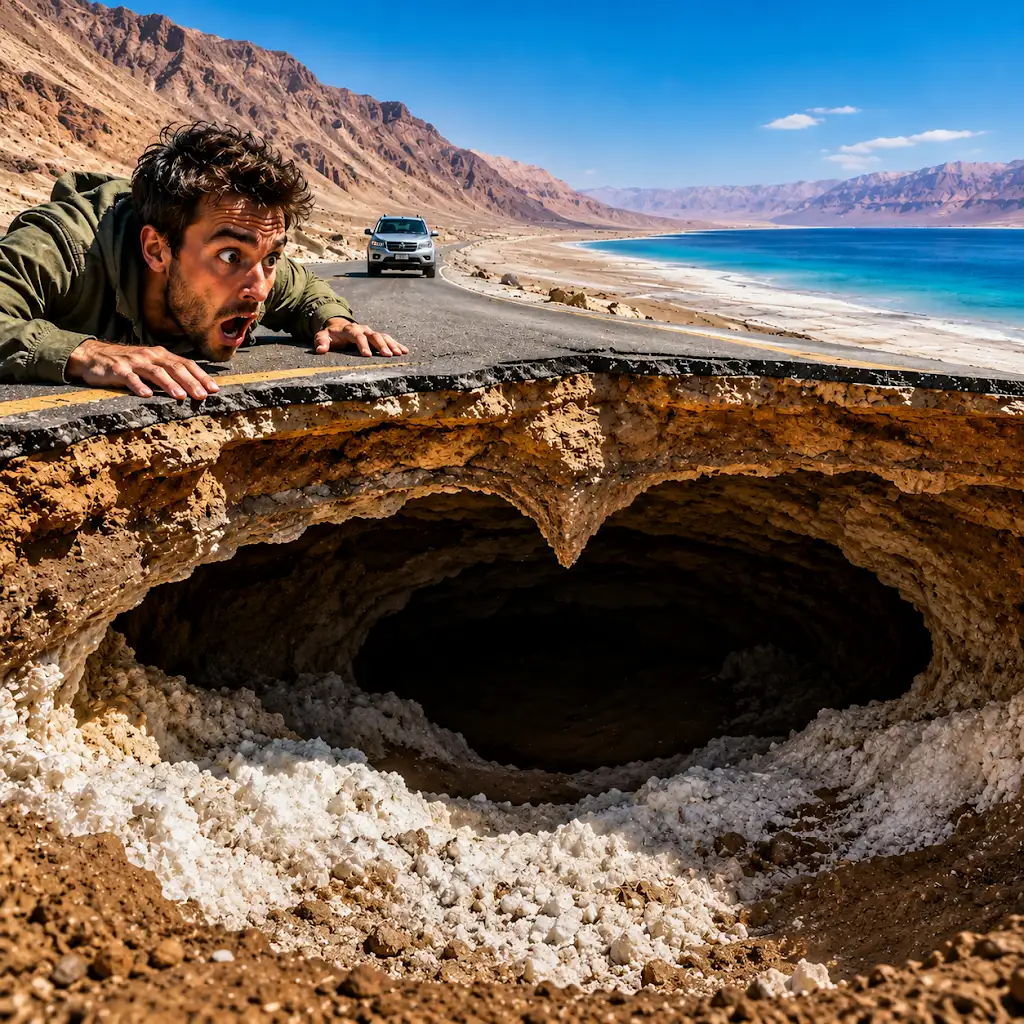
The Dead Sea Is Vanishing — And Leaving Giant Holes Behind
FAQs
What are Dead Sea evaporation ponds?
Dead Sea evaporation ponds are man-made pools designed to extract minerals from the Dead Sea water through the natural process of evaporation. These ponds are used to produce various minerals such as salt, magnesium, and potassium.
How do Dead Sea evaporation ponds work?
The Dead Sea evaporation ponds work by allowing the sun and wind to naturally evaporate the water from the Dead Sea, leaving behind concentrated minerals. The water is pumped into the ponds and as it evaporates, the minerals become more concentrated and can be harvested.
What minerals are extracted from Dead Sea evaporation ponds?
The main minerals extracted from Dead Sea evaporation ponds include salt, magnesium, and potassium. These minerals are used in various industries such as agriculture, cosmetics, and pharmaceuticals.
Where are Dead Sea evaporation ponds located?
Dead Sea evaporation ponds are located along the shores of the Dead Sea in countries such as Israel and Jordan. These ponds are strategically positioned to take advantage of the hot and dry climate, which aids in the evaporation process.
What is the environmental impact of Dead Sea evaporation ponds?
The environmental impact of Dead Sea evaporation ponds includes the alteration of the natural landscape and potential harm to local ecosystems. Additionally, the extraction of minerals from the Dead Sea can contribute to its shrinking water levels, which has long-term environmental implications.