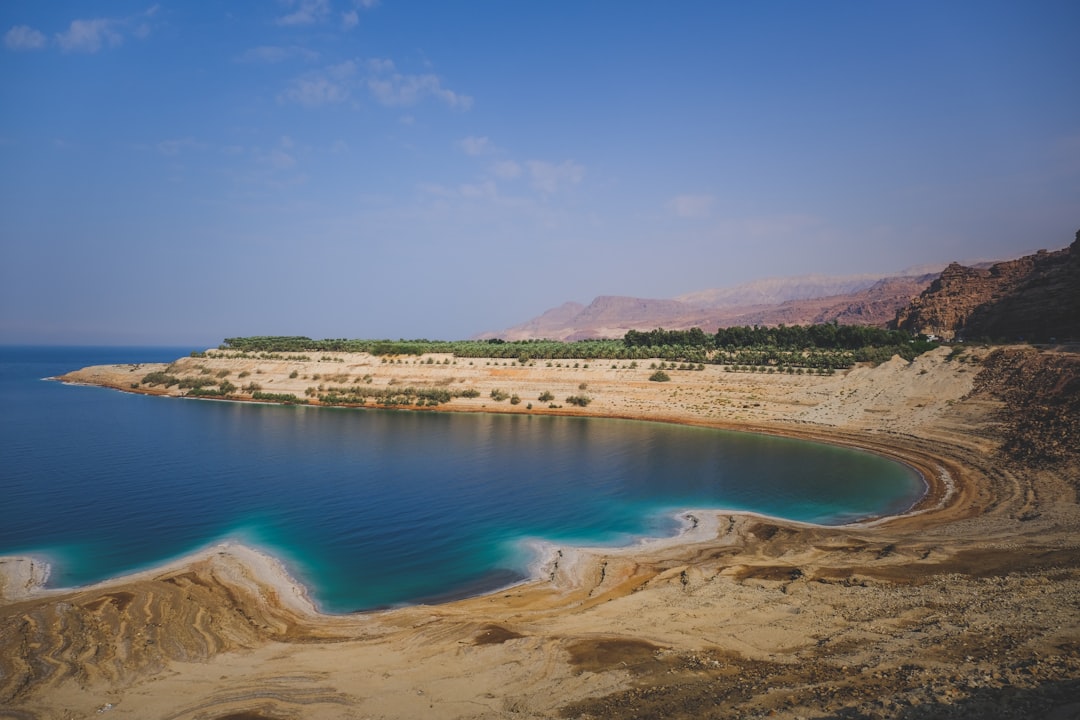
The Dead Sea, a hypersaline lake nestled on the border of Jordan and Israel, has long been revered for its purported healing properties. For millennia, individuals have journeyed to its unique shores, seeking relief from a myriad of ailments and a revitalizing experience for both body and soul. The waters, so dense with minerals that one floats effortlessly, and the mud, rich in natural elements, are not merely geological curiosities but potent therapeutic agents. This article will explore the profound healing powers of the Dead Sea, examining its historical significance and the transformative effects it has on those who immerse themselves in its embrace, detailing the “before and after” experiences that have cemented its reputation as a natural sanctuary of wellness.
The allure of the Dead Sea is not a modern phenomenon; its therapeutic reputation stretches back to antiquity. Legends and historical accounts paint a picture of a place where sickness and suffering were soothed by its very essence. From biblical narratives to classical writings, the Dead Sea has been a subject of wonder and a destination for those in search of healing.
The Biblical Significance and Early Testimonials
Biblical texts hint at the Dead Sea’s unique qualities, associating it with areas of unusual nature. While not explicitly detailing medical treatments, these references contribute to its mystique and perceived spiritual or restorative power. Early travelers and historians, such as Josephus, a Roman-Jewish historian, documented the remarkable properties of the Dead Sea, noting its density and the presence of medicinal substances. His writings provided some of the earliest external validations of the water’s therapeutic potential, influencing perceptions for centuries to come. These early accounts, though anecdotal, laid the groundwork for the understanding of the Dead Sea as a place of natural remedy.
The Roman and Byzantine Eras: Dedicated Resorts for Well-being
During the Roman and Byzantine periods, the Dead Sea region began to develop into a sophisticated destination for health and rejuvenation. Evidence suggests the establishment of sophisticated bathing complexes and health resorts around its shores. Archeological findings reveal the presence of thermal baths, spas, and accommodations designed to cater to visitors seeking relief from various ailments. This era saw a more structured approach to utilizing the Dead Sea’s resources, with individuals undergoing prescribed treatments and regimens. The Romans, known for their advanced understanding of hygiene and medicine, recognized the potential of the Dead Sea’s mineral-rich waters and mud, integrating them into their wellness practices. This period marked a significant step in transitioning from simple anecdotal evidence to a more organized therapeutic practice.
The Medieval Period and the Endurance of Reputation
Even as empires rose and fell, the reputation of the Dead Sea as a healing destination persisted through the medieval period. Travelers and pilgrims often sought out its waters, carrying tales of its restorative powers across continents. While formal scientific study was absent, the oral traditions and the continued visits by those suffering from chronic conditions ensured the Dead Sea’s place in the collective consciousness as a place of significant healing. This enduring legacy speaks to the profound impact, whether perceived or actual, that the Dead Sea had on individuals seeking solace and recovery.
The Dead Sea, known for its unique saline properties and therapeutic benefits, has been a subject of fascination for many. For those interested in exploring more about this remarkable body of water, you can read a related article that delves into its historical significance and the environmental challenges it faces. To learn more, visit this article for an in-depth look at the Dead Sea before and after recent changes in its ecosystem.
The Science Behind the Soothing: Mineral Composition and Biological Effects
The exceptional mineral composition of the Dead Sea is the cornerstone of its therapeutic efficacy. Unlike other bodies of water, the Dead Sea boasts an unparalleled concentration of dissolved salts and minerals, each contributing to its unique healing properties. Understanding these constituents reveals the scientific basis for its long-standing reputation.
An Unrivaled Mineral Cocktail: Magnesium, Bromides, and Chlorides
The Dead Sea’s water is a complex solution, with a mineral concentration reaching approximately 34%. This is significantly higher than the average salinity of oceans (around 3.5%). Key minerals include:
- Magnesium (Mg): Essential for numerous bodily functions, including protein synthesis, muscle and nerve function, blood glucose control, and blood pressure regulation. Its abundance in Dead Sea water is believed to help reduce inflammation and improve skin hydration. Magnesium also plays a role in cellular energy production, potentially aiding in the body’s repair processes.
- Bromides (Br): Known for their calming and sedative effects. In Dead Sea water, bromides are thought to contribute to muscle relaxation and pain relief, particularly for those suffering from rheumatic conditions. They can also have an antiseptic effect, aiding in the cleansing of skin conditions.
- Chlorides (Cl): A major component of bodily fluids, chlorides are crucial for maintaining fluid balance and supporting digestion. In Dead Sea water, they work in synergy with other minerals to enhance their absorption and therapeutic action.
- Potassium (K): Vital for nerve signals and muscle contractions, potassium’s presence aids in the regulation of fluid balance and blood pressure within the body.
- Sodium (Na): Another key electrolyte, sodium is essential for maintaining hydration and nerve function. Its presence in Dead Sea water helps the body absorb other minerals more effectively.
The Healing Mud: A Symphony of Natural Elements
The black mud found along the shores of the Dead Sea is as renowned for its therapeutic properties as the water itself. This mud is a rich blend of organic matter, minerals, and volcanic ash, accumulated over millennia. Its composition includes:
- Sulfur (S): Known for its antiseptic and antifungal properties, sulfur is particularly beneficial for skin conditions like acne and psoriasis. It also plays a role in collagen production, contributing to skin elasticity and repair.
- Trace Elements: The mud contains a variety of trace elements, such as zinc, copper, and iron, which are essential for various biological processes, including immune function and wound healing.
- Organic Matter: Decomposed plant and animal matter in the mud contributes to its nutrient-rich profile, providing essential elements that can nourish the skin.
The unique combination and high concentration of these minerals and organic compounds create a potent therapeutic environment, directly impacting cellular processes and promoting healing.
The “Before” State: A Spectrum of Ailments Seeking Solace
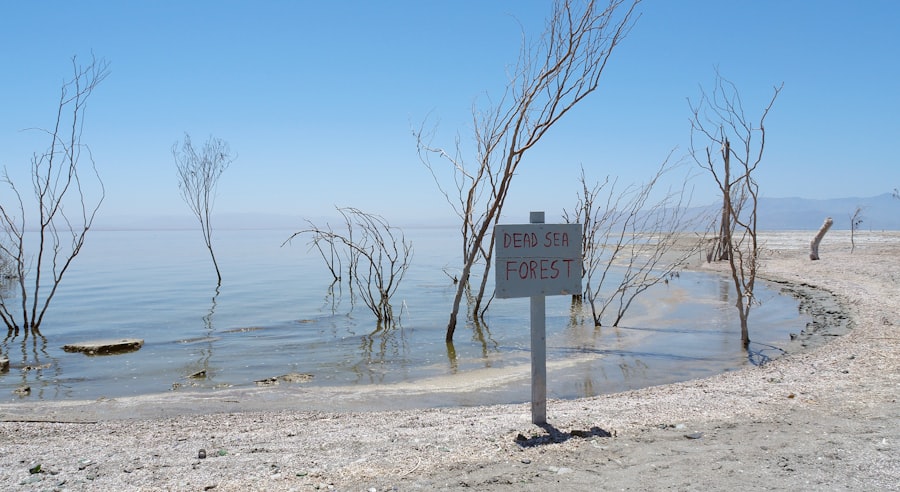
Individuals who travel to the Dead Sea often arrive carrying the burden of chronic conditions, persistent pain, and skin ailments that have resisted conventional treatments. The “before” state is characterized by discomfort, limited mobility, and a diminished quality of life, driving them to seek an alternative path to wellness.
Dermatological Battles: Psoriasis, Eczema, and Psoriatic Arthritis
Perhaps the most widely recognized beneficiaries of Dead Sea therapy are those suffering from dermatological conditions. Psoriasis, characterized by red, scaly patches of skin, and eczema, which causes inflamed, itchy skin, can be debilitating. Psoriatic arthritis, a form of inflammatory arthritis that affects some people with psoriasis, adds joint pain and stiffness to the skin symptoms.
- Psoriasis: Before immersion, individuals often experience widespread lesions, intense itching, and the emotional toll of visible skin damage. The “before” picture is one of constant discomfort, pain, and social self-consciousness.
- Eczema: For eczema sufferers, the “before” is a landscape of dry, cracked, and intensely itchy skin, often leading to secondary infections due to scratching. Sleep disturbances and a general feeling of unease are common.
- Psoriatic Arthritis: This condition presents with stiff, swollen joints and significant pain, limiting mobility and everyday activities. The “before” state involves a struggle to perform simple tasks and a pervasive sense of physical limitation.
Rheumatic Woes: Arthritis, Osteoarthritis, and Fibromyalgia
The mineral-rich waters and mud of the Dead Sea are also a significant draw for those experiencing rheumatic conditions. The anti-inflammatory and analgesic properties are thought to offer relief from the persistent pain and stiffness associated with these ailments.
- Arthritis and Osteoarthritis: Before treatment, individuals often report significant joint pain, swelling, and reduced range of motion. Everyday activities like walking, climbing stairs, or even holding objects can be challenging. The “before” is marked by a constant ache and a feeling of being held back by their joints.
- Fibromyalgia: Sufferers of fibromyalgia often experience widespread musculoskeletal pain accompanied by fatigue, sleep, memory, and mood issues. The “before” state is one of pervasive, unexplained pain, profound fatigue, and a general sense of being unwell.
General Fatigue and Well-being Deficits
Beyond specific medical conditions, many individuals seek the Dead Sea for a general sense of revitalization and relief from chronic fatigue and stress. The “before” can represent a state of mental and physical exhaustion, a lack of energy, and a general feeling of being run down, impacting their overall quality of life and their ability to engage fully in their daily routines.
The “After” Transformation: Rejuvenation and Relief
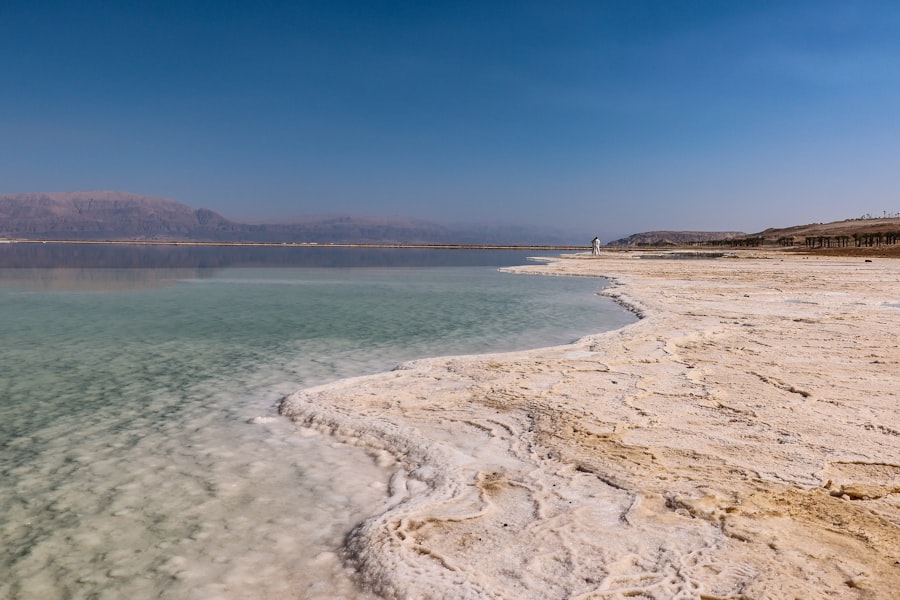
The transition from the “before” state to the “after” is often a profound and life-altering experience for visitors to the Dead Sea. The therapeutic properties of its waters and mud work synergistically to bring about remarkable improvements in physical health, mental well-being, and overall vitality.
Skin Reborn: Clearing and Calming Dermatological Conditions
The most dramatic and visually evident transformations are often seen in individuals with skin conditions. The “after” is a testament to the Dead Sea’s potent dermatological benefits.
- Psoriasis Resolution: For psoriasis sufferers, the “after” can mean significantly reduced redness, scaling, and itching. Lesions may clear entirely, or at least become manageable, allowing individuals to experience a renewed sense of confidence and comfort in their own skin. The skin appears smoother, healthier, and less inflamed.
- Eczema Soothed: The “after” for eczema patients often involves a dramatic reduction in inflammation, dryness, and itching. Cracked skin heals, and the urge to scratch subsides. The skin becomes calmer, more hydrated, and less prone to irritation. Many report feeling a deep sense of relief from the constant discomfort.
- Psoriatic Arthritis Improvement: The dual action on skin and joints leads to a significant improvement for psoriatic arthritis sufferers. Reduced skin lesions are often accompanied by diminished joint pain and swelling, leading to increased mobility and flexibility. The “after” represents a return to a more active and less painful lifestyle.
Restored Mobility and Pain Alleviation in Rheumatic Conditions
The Dead Sea’s mineral embrace offers substantial relief for those struggling with rheumatic ailments, leading to a marked improvement in their physical capabilities.
- Arthritis and Osteoarthritis Relief: The “after” for individuals with arthritis and osteoarthritis often involves a noticeable decrease in joint pain and stiffness. Improved range of motion allows for easier movement and a greater ability to perform daily tasks. The overall sensation is one of greater freedom and less physical burden.
- Fibromyalgia Comfort: While fibromyalgia can be complex, many sufferers report a reduction in widespread pain and an increase in energy levels after Dead Sea treatments. The “after” can mean a better night’s sleep, less fatigue, and a greater capacity to cope with daily life, bringing a sense of renewed well-being.
Revitalized Energy and Enhanced Well-being
The restorative power of the Dead Sea extends beyond specific ailments, offering a holistic rejuvenation for many visitors.
- Reduced Fatigue and Stress: The “after” often involves a significant reduction in feelings of fatigue and stress. The calming effect of the minerals, combined with the unique environment, promotes relaxation and a sense of mental clarity. Visitors report feeling more energized, optimistic, and generally more at peace.
- Improved Sleep Quality: Many individuals who struggle with sleep disorders find that the Dead Sea experience contributes to better sleep patterns. The relaxation induced by the mineral baths and the peaceful atmosphere can lead to deeper, more restorative sleep, further enhancing overall well-being.
The Dead Sea, known for its unique properties and high salinity, has fascinated researchers and travelers alike for centuries. Before its current state, the region surrounding the Dead Sea was lush and vibrant, as detailed in a related article that explores the historical transformations of this remarkable area. You can read more about this intriguing history in the article found here. After numerous environmental changes, the Dead Sea has become a focal point for discussions on climate change and its impact on natural wonders.
The Journey of Immersion: Protocols and Practices for Optimal Results
| Metrics | Before | After |
|---|---|---|
| Surface Area (sq km) | 1,020 | 625 |
| Water Level (meters below sea level) | 430 | 430 |
| Salt Content (percentage) | 30% | 30% |
| Tourist Visits (per year) | 1 million | 3 million |
To harness the full therapeutic potential of the Dead Sea, specific protocols and practices are often recommended. These guidelines ensure that visitors can safely and effectively benefit from its unique offerings, maximizing their “after” experience.
The Art of Floating: Understanding Buoyancy and Mineral Absorption
The extreme salinity of the Dead Sea allows for effortless buoyancy. This unique sensation is not only enjoyable but also contributes to the therapeutic process.
- Muscle Relaxation: The ability to float without effort allows muscles to relax deeply, releasing tension and reducing strain on joints. This is particularly beneficial for individuals with muscular pain or stiffness.
- Enhanced Mineral Absorption: The dense mineral content in the water is believed to be more readily absorbed by the skin when one is floating, allowing for deeper therapeutic penetration. The skin, acting as a barrier, is gently permeated by these vital elements.
- Mind-Body Connection: The surreal experience of floating can also have a profound psychological effect, promoting a sense of calm and detachment from everyday stressors, aiding in overall relaxation.
Mud Baths and Mineral Packs: Localized Therapeutic Application
The mineral-rich mud is a crucial component of Dead Sea therapy, often used in conjunction with the water.
- Detoxification and Exfoliation: The mud acts as a natural exfoliant, removing dead skin cells and impurities. Its rich mineral content also draws out toxins from the skin, promoting a cleansing effect.
- Anti-inflammatory Properties: Applied topically, the mud’s sulfur and other minerals have potent anti-inflammatory properties, providing targeted relief for skin conditions and joint pain.
- Nutrient Replenishment: The mud delivers essential minerals and trace elements directly to the skin, nourishing and revitalizing it. This can lead to improved skin texture, elasticity, and overall health.
The Importance of Sunlight and Air Exposure
The Dead Sea region boasts a unique climate characterized by high atmospheric pressure, low humidity, and a high level of oxygen. Combined with a special spectrum of solar radiation due to the low angle of the sun and the presence of ozone, this environment is also conducive to healing.
- UV Radiation Benefits: While caution is always advised, the specific qualities of sunlight in the Dead Sea region are thought to be beneficial for certain skin conditions like psoriasis, particularly when combined with the mineral treatments. The sun’s rays can help regulate skin cell turnover and reduce inflammation.
- Respiratory Benefits: The dry, clean air, rich in oxygen, can be beneficial for individuals with respiratory issues. The absence of allergens and pollutants contributes to a cleaner respiratory environment.
- Psychological Upliftment: The combination of natural beauty, warm climate, and gentle sunlight can significantly boost mood and reduce stress, contributing to overall well-being.
Sustaining the Gains: Long-Term Benefits and Continued Wellness
The transformative effects of a Dead Sea experience are not always fleeting. With proper care and continued practices, many individuals find that the benefits can be sustained long after their departure, leading to lasting improvements in their health and quality of life.
Lifestyle Adjustments and Ongoing Care
The “after” experience often serves as a catalyst for positive lifestyle changes. Recognizing the impact of the Dead Sea on their well-being, many individuals are motivated to adopt healthier habits.
- Dietary Changes: A focus on nutrient-rich foods that support skin health and reduce inflammation often follows a Dead Sea visit. Individuals may become more mindful of their diet, incorporating foods that complement the mineral balance their bodies have experienced.
- Stress Management Techniques: The relaxation and mental clarity gained at the Dead Sea can encourage the adoption of ongoing stress management practices such as meditation, yoga, or mindfulness.
- Gentle Exercise Regimens: With improved mobility and reduced pain, individuals may be more inclined to incorporate regular, gentle exercise into their routines, further supporting their physical health.
Home Care and Topical Treatments
While the Dead Sea’s unique environment is unparalleled, certain products inspired by its mineral composition can help maintain some of the therapeutic gains at home.
- Mineral-Rich Skincare: Many skincare lines now incorporate Dead Sea minerals, such as salts, mud, and extracts, into their formulations. These products can help maintain skin hydration, reduce inflammation, and provide ongoing benefits for those with dermatological conditions.
- Therapeutic Salts: Dead Sea bath salts can be used at home to recreate some of the mineral bath experience, offering localized relief for muscle aches and promoting relaxation.
- Mud-Based Treatments: Home application of Dead Sea mud masks or wraps can offer continued exfoliation, detoxification, and nutrient replenishment for the skin.
The Enduring Legacy and Future of Dead Sea Therapy
The Dead Sea continues to draw visitors from around the globe, a testament to its enduring power and the growing scientific understanding of its therapeutic capabilities. While not a cure-all, its unique mineral composition and natural environment offer a powerful, holistic approach to healing and rejuvenation that has stood the test of time. The journey to the Dead Sea, from its ancient origins to its modern-day therapeutic centers, represents a continuous quest for well-being, where the “before” of suffering is often met with the profound “after” of relief and renewal. As research progresses, the full potential of this remarkable natural wonder is likely to be further unveiled, solidifying its status as a true sanctuary of healing for generations to come.
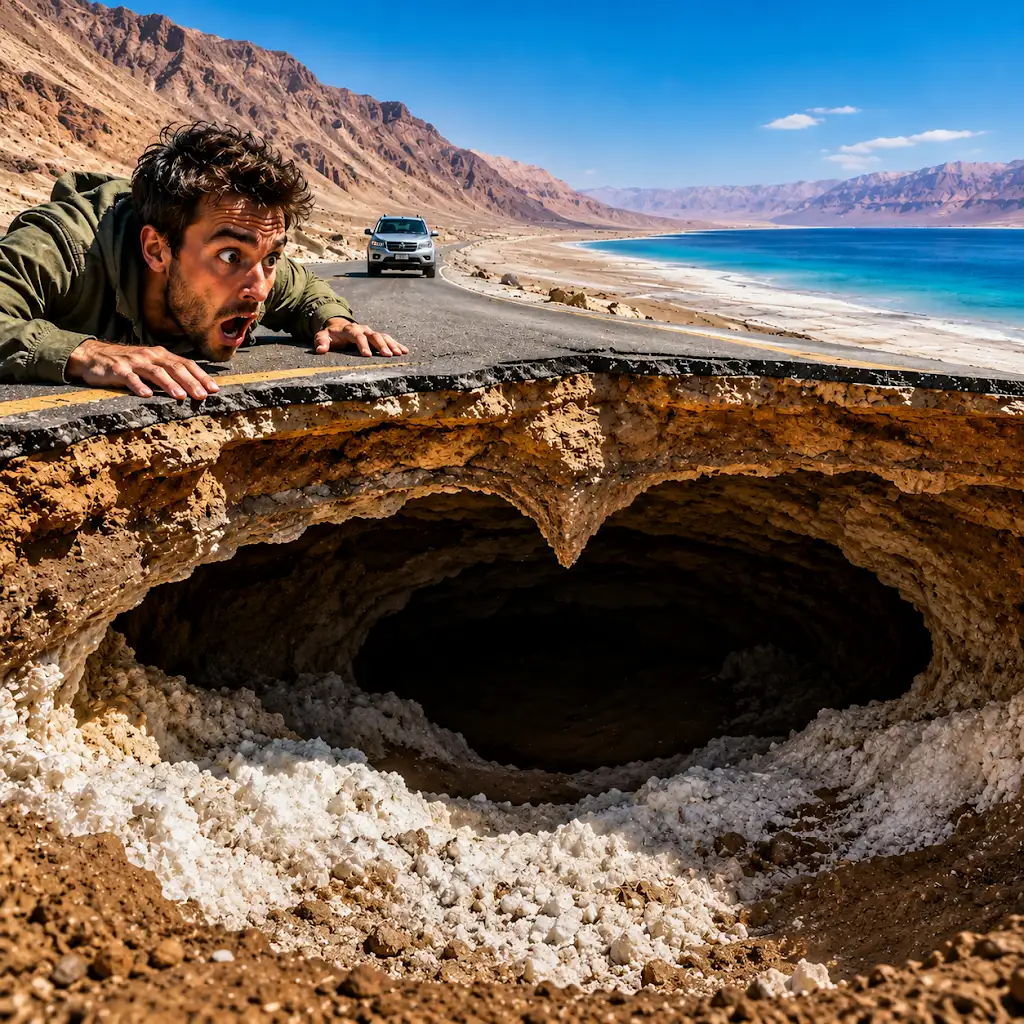
The Dead Sea Is Vanishing — And Leaving Giant Holes Behind
FAQs
What is the Dead Sea?
The Dead Sea is a saltwater lake bordered by Jordan to the east and Israel and Palestine to the west. It is one of the saltiest bodies of water in the world and is known for its high mineral content.
How has the Dead Sea changed over time?
The Dead Sea has been shrinking at a rapid rate due to human activities such as mineral extraction and diversion of water from its main tributary, the Jordan River. This has led to a significant decrease in the water level and an increase in the salinity of the lake.
What are the environmental impacts of the changes in the Dead Sea?
The shrinking of the Dead Sea has resulted in the formation of sinkholes along its shores, posing a threat to the surrounding ecosystems and infrastructure. The decrease in water level has also led to the loss of unique habitats and the disruption of the lake’s delicate ecosystem.
How has the decrease in water level affected tourism and local economies?
The decrease in water level has negatively impacted the tourism industry around the Dead Sea, as the shrinking shoreline has led to the closure of beaches and resorts. Additionally, the loss of the unique natural features of the Dead Sea has affected the local economy, which relies heavily on tourism.
What efforts are being made to address the decline of the Dead Sea?
Efforts to address the decline of the Dead Sea include the implementation of conservation and restoration projects, as well as international cooperation to manage water resources in the region. These efforts aim to stabilize the water level and preserve the unique ecosystem of the Dead Sea.