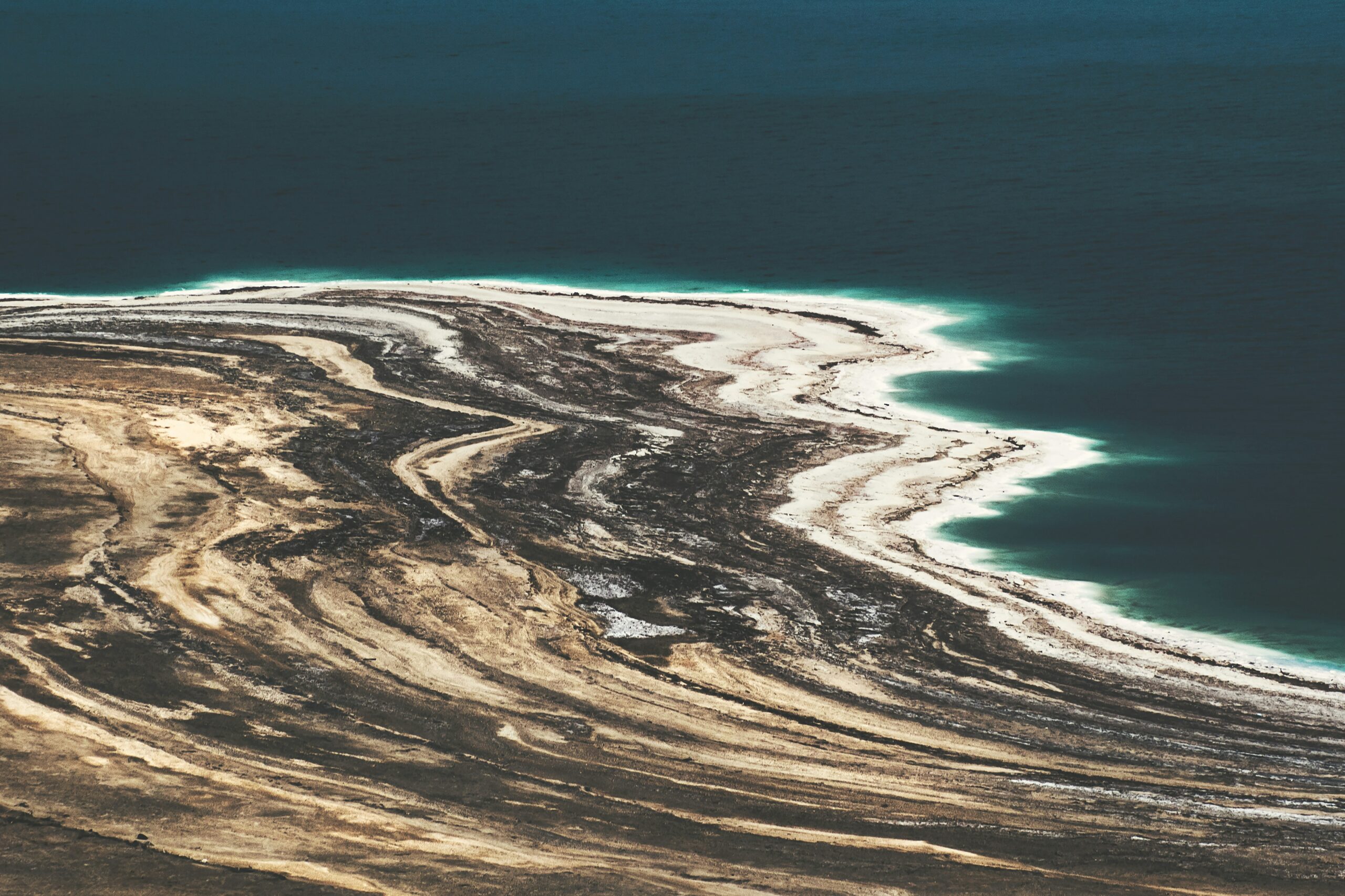
The Dead Sea, a jewel of the Middle East, has long captivated imaginations with its hypersaline waters and the surreal experience of effortless buoyancy. Yet, this unique natural wonder faces a critical crisis: a relentless decline in its water levels. For decades, the Dead Sea has been shrinking, a stark testament to the growing pressures of human activity on fragile ecosystems. This alarming trend not only threatens the future of this iconic saline lake but also has profound implications for the surrounding arid landscapes and the communities that depend on them. However, a beacon of hope is emerging. Ambitious, multifaceted projects are underway, aiming not merely to halt the decline but to actively revive the Dead Sea and, in doing so, transform the desiccated environment that surrounds it into a more vibrant and sustainable region.
The Dead Sea’s predicament is a complex interplay of natural forces and human intervention. Its very existence is a delicate balance, and any disruption can have cascading effects. Understanding the root causes of its decline is paramount to appreciating the necessity and complexity of revival efforts.
The Arteries of Life: Rivers Diverted
The primary culprit behind the Dead Sea’s shrinking surface is the significant diversion of its main tributaries, most notably the Jordan River. For millennia, the Jordan River has been the lifeblood of the Dead Sea, its waters flowing south to replenish the hypersaline lake. However, in the latter half of the 20th century, a confluence of factors – growing populations, agricultural expansion, and regional water scarcity – led to extensive damming and diversion projects along the Jordan River and its tributaries.
The Jordan River’s Diminished Flow: A Lifeline Severed
The impact of these diversions is undeniable. The volume of freshwater reaching the Dead Sea has been drastically reduced, creating an imbalance between inflow and evaporation. What once flowed freely is now harnessed for irrigation, drinking water, and industrial purposes by Israel, Jordan, and Syria. This vital artery has been partially severed, leaving the Dead Sea starved of its essential nourishment.
Upstream Agriculture’s Thirst: A Growing Demand
The ever-increasing demand for food in the region has fueled agricultural expansion. Irrigation systems, often reliant on water from the Jordan River system, consume vast quantities of water. While essential for food security, this intensive water usage directly contributes to the reduced inflow into the Dead Sea. The arid climate makes irrigation a necessity for agriculture, but it also exacerbates the problem of water scarcity.
The Sun’s Unrelenting Gaze: Evaporation’s Toll
The Dead Sea’s location in a hot, arid desert environment inherently leads to high rates of evaporation. The intense desert sun relentlessly bakes the surface of the lake, turning precious freshwater into vapor and leaving behind a more concentrated salt solution. While evaporation is a natural process, the diminished inflow exacerbates its effect, leading to a more rapid increase in salinity and a further decrease in water volume.
The Arid Climate’s Cruel Embrace: A Natural Disadvantage
The geographical location of the Dead Sea, nestled within the Jordan Rift Valley, is characterized by extreme heat and low humidity. These climatic conditions, while contributing to the unique hypersalinity that makes the Dead Sea famous, also make it particularly vulnerable to water loss through evaporation. The absence of significant rainfall further compounds this issue.
Salt Concentration: A Vicious Cycle
As water evaporates, the salt concentration in the remaining water increases. This heightened salinity has several consequences, including impacting the Dead Sea’s ecosystem and making it less hospitable for certain forms of life. Furthermore, the increased salt content can also influence the rate of evaporation itself, contributing to a vicious cycle of shrinking and salinization.
Industrial Needs: A Hidden Drain
Beyond agriculture, industrial activities also contribute to the Dead Sea’s decline. Mineral extraction, particularly potash and bromine, requires vast amounts of water. Companies operating in the region pump significant quantities of Dead Sea water, evaporate it to extract minerals, and then discharge the remaining brine back into the Dead Sea. While these operations provide economic benefits, they also represent a net loss of water from the lake system.
Mineral Extraction: A Double-Edged Sword
The economic importance of Dead Sea minerals cannot be overstated. Companies involved in potash and bromine extraction are significant employers and contribute to the national economies of Jordan and Israel. However, the water-intensive processes involved in these operations directly impact the Dead Sea’s water balance.
Brine Discharge: A Complex Issue
The discharge of brine from mineral extraction facilities is a complex environmental challenge. While efforts are made to manage this discharge, the concentrated salt content of the brine can impact the surrounding environment and potentially alter the Dead Sea’s delicate chemical composition.
The transformation of the Dead Sea landscape has garnered significant attention due to its unique geological and environmental changes. For a deeper understanding of this phenomenon, you can explore a related article that discusses the various factors contributing to the Dead Sea’s dramatic alterations and their implications for the surrounding ecosystem. To read more about this topic, visit MyGeoQuest.
The Dawn of Revival: Ambitious Projects Take Shape
The dire situation of the Dead Sea has spurred significant international and regional efforts to find solutions. Recognizing the ecological, economic, and cultural importance of this unique water body, several ambitious projects are in development or implementation phases, aiming to reverse the tide of decline and bring life back to the desiccated landscape.
The Red-Dead Sea Conveyance Project: A Controversial Lifeline
Perhaps the most prominent and debated of these initiatives is the Red-Dead Sea Conveyance Project. This ambitious undertaking proposes to channel seawater from the Red Sea, via a pipeline, to the Dead Sea, thereby artificially replenishing its waters. While lauded by some as a potential salvation, it has also faced considerable criticism and technical hurdles.
Seawater Inflow: A Potential Salve
The fundamental principle behind the Red-Dead Sea Conveyance Project is to introduce a significant volume of seawater into the Dead Sea. This inflow is intended to counteract the evaporation losses and, in doing so, stabilize and potentially raise the Dead Sea’s water level. The sheer volume of water proposed for transfer is designed to have a tangible impact.
Desalination and Power Generation: Dual Benefits
A crucial component of the Red-Dead Sea Conveyance Project involves incorporating desalination facilities along the pipeline. This would allow for the production of fresh water for domestic consumption in Jordan, a country facing severe water scarcity. Additionally, the project aims to incorporate hydroelectric power generation, further enhancing its economic viability and providing a sustainable energy source.
Environmental Concerns: The Salt’s Shadow
Despite its potential benefits, the Red-Dead Sea Conveyance Project is not without its environmental concerns. The introduction of Red Sea water, with its different salinity and mineral composition, into the Dead Sea could alter the unique hypersaline environment. Potential impacts on the Dead Sea’s ecosystem, including its microbial life, are a significant area of study and debate.
Political and Financial Hurdles: A Complex Negotiation
The Red-Dead Sea Conveyance Project involves multiple nations and requires significant international cooperation and funding. Political complexities, differing national interests, and the immense financial investment required have presented substantial challenges to the project’s progress. Obtaining consensus and securing adequate funding remain critical factors.
Local Water Management and Conservation: A Ground-Up Approach
While large-scale infrastructure projects capture headlines, a parallel and equally crucial effort involves improving local water management and promoting conservation across the region. These initiatives focus on optimizing existing water resources, reducing waste, and fostering a more sustainable approach to water use.
Wastewater Treatment and Reuse: Closing the Loop
Investing in advanced wastewater treatment facilities is a critical step towards conserving precious freshwater resources. Treating wastewater to a standard where it can be reused for irrigation, industrial processes, or even indirectly for replenishing water bodies significantly reduces the demand on natural freshwater sources. This “closing the loop” approach is vital in arid environments.
Efficient Irrigation Techniques: Drip and Sprinkler Systems
Agriculture is a major water consumer, and adopting more efficient irrigation techniques can yield substantial savings. The transition from traditional flood irrigation to drip irrigation or precision sprinkler systems can significantly reduce water loss through evaporation and runoff, ensuring that water reaches the plant roots more effectively.
Public Awareness and Education: Shifting Mindsets
Changing public perception and behavior regarding water consumption is fundamental. Educating communities about the importance of water conservation, the challenges facing the Dead Sea, and simple steps they can take in their daily lives can foster a culture of responsible water use. Awareness campaigns and school programs play a vital role in this endeavor.
Ecological Restoration Initiatives: Healing the Landscape
The revival of the Dead Sea extends beyond its water levels. Efforts are also focused on restoring and enhancing the ecological health of the surrounding arid landscapes, which have also been impacted by the shrinking lake and the altered hydrological conditions.
Halophyte Cultivation: Embracing Salt-Tolerant Plants
The areas around the Dead Sea are naturally characterized by saline soil conditions. Cultivating halophytes, plants that thrive in saline environments, can help stabilize the soil, prevent erosion, and even create new habitats for local wildlife. These specialized plants can transform previously barren areas into more resilient ecosystems.
Reforestation and Greening Efforts: Bringing Back Life
Targeted reforestation and greening initiatives can help combat desertification and improve the microclimate of the region. Planting drought-resistant native species can help stabilize soil, reduce dust storms, and create shaded areas, making the landscape more conducive to other plant and animal life.
Wildlife Corridor Development: Connecting Habitats
As the Dead Sea shrinks, habitats can become fragmented, isolating wildlife populations. Developing wildlife corridors can help connect these fragmented habitats, allowing for the movement of animals and promoting biodiversity. These corridors can also play a role in linking different ecological zones.
Transforming the Arid Landscape: A Vision of Sustainability
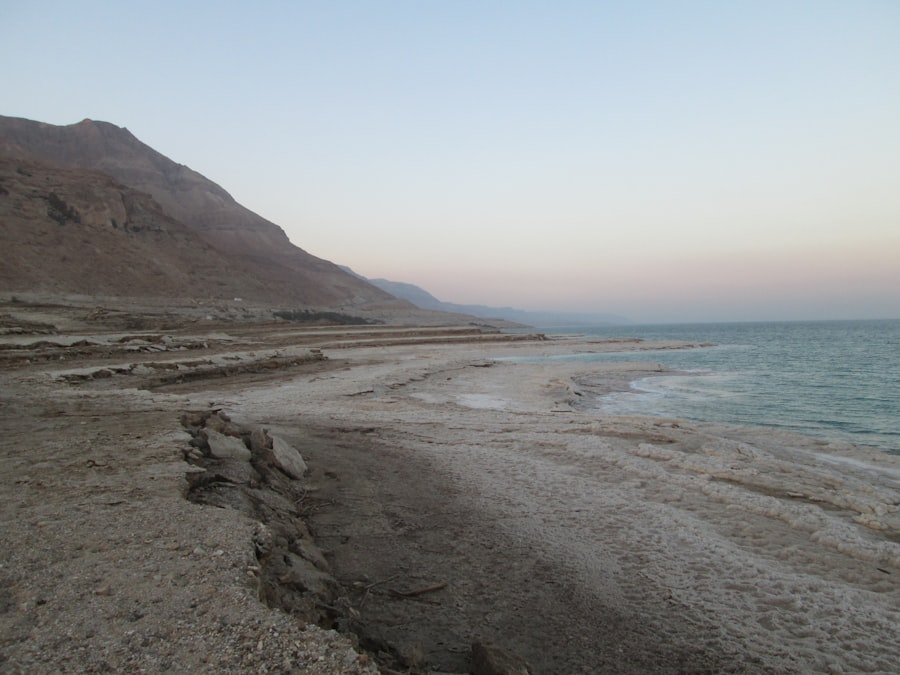
The successful revival of the Dead Sea promises to do more than just save a unique natural wonder; it offers the potential to fundamentally transform the arid landscapes of the region into a more sustainable and thriving environment. This transformation is multifaceted, encompassing ecological, economic, and social dimensions.
Economic Diversification: New Opportunities Bloom
A revived Dead Sea and its surrounding restored landscapes can unlock new economic opportunities. Beyond traditional tourism, these areas can become hubs for eco-tourism, research, and sustainable agriculture.
Eco-Tourism: A Greener Gateway
The unique natural beauty and therapeutic properties of the Dead Sea have long drawn tourists. With a restored water level and healthier ecosystems, the region can further develop its eco-tourism offerings, attracting visitors interested in nature, adventure, and wellness in a more pristine environment.
Research and Development: Unlocking the Sea’s Secrets
The Dead Sea’s extreme conditions make it a unique laboratory for scientific research. A healthier ecosystem can support a wider range of research, from microbiology and extremophiles to climate change impacts and water management technologies. This can foster innovation and knowledge creation.
Sustainable Agriculture and Aquaculture: Cultivating Resilience
With improved water management and potentially access to desalinated water, the region can explore more sustainable agricultural practices, including salt-tolerant crops and aquaculture. This can contribute to local food security and create new economic ventures.
Environmental Resilience: A More Robust Ecosystem
The impact of water scarcity and climate change on arid regions is profound. A revived Dead Sea and restored surrounding landscapes can contribute to greater environmental resilience.
Combating Desertification: A Greener Frontline
The introduction of vegetation through reforestation and halophyte cultivation can effectively combat desertification, preventing soil erosion and maintaining the fertility of the land. This creates a more stable and productive environment.
Biodiversity Enhancement: A Haven for Life
With improved water availability and restored habitats, the region can witness an increase in biodiversity. This includes supporting a wider range of plant and animal species, contributing to a more balanced and resilient ecosystem.
Improved Air Quality: The Breath of Life
The reduction of dust storms through vegetation cover and stabilization of the landscape can lead to improved air quality, benefiting both human health and the environment.
Social Cohesion and Regional Cooperation: A Shared Future
The challenges facing the Dead Sea transcend national borders. Collaborative efforts to revive it foster a sense of shared responsibility and can strengthen regional cooperation.
Shared Water Resources Management: A Collaborative Endeavor
The necessity of managing shared water resources, like the Jordan River and the Red-Dead Sea, pushes nations towards greater dialogue and cooperation. This can build trust and facilitate joint problem-solving.
Community Development: Empowering Local Voices
Revival projects can prioritize community involvement and empowerment, ensuring that local populations benefit from new opportunities and have a stake in the region’s future. This can lead to greater social cohesion and sustainable development.
Cultural Heritage Preservation: A Legacy Reimagined
The Dead Sea and its surroundings hold immense cultural and historical significance. A revitalized landscape can ensure the preservation and continued appreciation of these invaluable heritage sites for future generations.
Challenges and the Path Forward: Navigating the Complexities
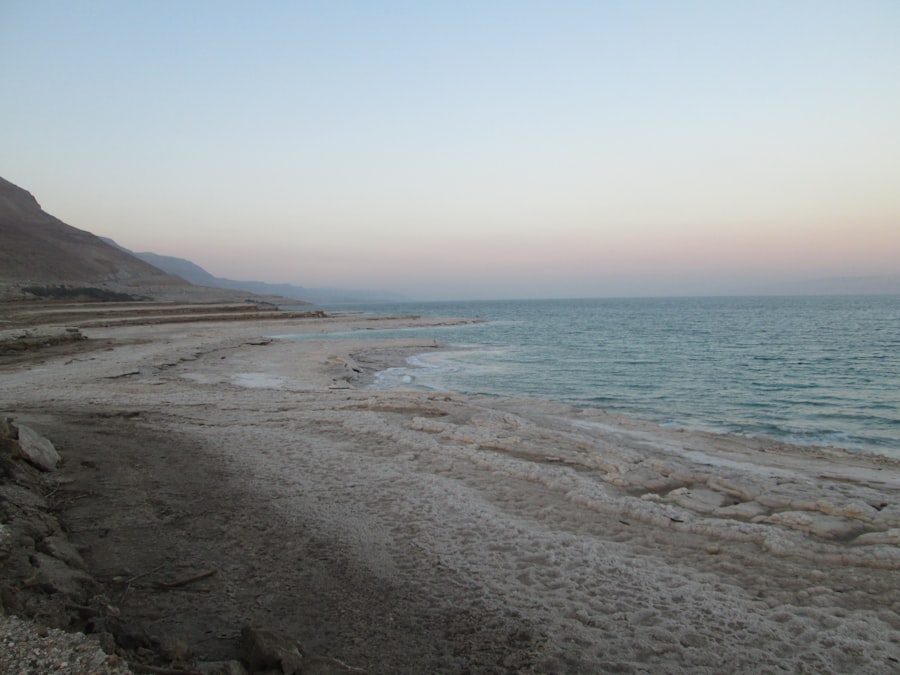
Despite the promising initiatives, the path to reviving the Dead Sea is fraught with challenges. Overcoming these hurdles requires sustained commitment, innovative solutions, and a holistic approach that considers the interconnectedness of ecological, economic, and social factors.
Sustaining Momentum: The Long Game of Revival
Reviving a body of water as large and historically depleted as the Dead Sea is not a short-term endeavor. It requires a long-term vision and sustained commitment from all stakeholders. Political will, financial investment, and public support must remain strong over decades.
Continuous Monitoring and Adaptation: Learning and Evolving
The effectiveness of revival strategies needs to be continuously monitored. Environmental conditions can change, and unforeseen challenges may arise. A flexible and adaptive approach, allowing for adjustments based on scientific data and on-the-ground observations, is crucial for success.
International Cooperation: A Global Responsibility
The Dead Sea is a shared asset, and its revival is a shared responsibility. Sustained international cooperation, including financial and technical assistance, is vital. Building strong partnerships between nations, research institutions, and NGOs can accelerate progress and ensure equitable outcomes.
Public Engagement and Advocacy: The Voice of the People
Public awareness and advocacy play a critical role in maintaining the momentum for revival. Educating the public about the importance of the Dead Sea and its surrounding environment, and fostering a sense of ownership, can create a powerful force for change.
Addressing the Root Causes: A Holistic Approach
While large-scale projects like the Red-Dead Sea Conveyance are important, a truly sustainable revival requires addressing the root causes of the Dead Sea’s decline. This means fundamentally re-evaluating water management practices across the entire basin.
Water Resource Optimization: Efficiency is Key
Implementing comprehensive strategies for water resource optimization across all sectors – agriculture, industry, and domestic use – is paramount. This includes investing in water-saving technologies, promoting efficient pricing mechanisms, and enforcing stricter regulations on water usage.
Demand Management: A Shift in Consumption Patterns
Beyond supply-side solutions, effectively managing water demand is crucial. This involves encouraging behavioral changes, promoting water-wise lifestyles, and developing incentives for reduced water consumption.
Transboundary Water Management Agreements: Equitable Distribution
Reaching and adhering to equitable transboundary water management agreements for the Jordan River and its tributaries is essential. These agreements must balance the needs of all riparian states while ensuring a sufficient flow for the Dead Sea.
Ensuring Environmental Integrity: Balancing Progress with Preservation
Any revival efforts must carefully consider the potential environmental impacts. The unique ecosystem of the Dead Sea is fragile, and introducing significant changes requires meticulous planning and monitoring.
Biodiversity Protection: Safeguarding Unique Life
Efforts must be made to protect the unique biodiversity of the Dead Sea and its surrounding ecosystems. Introducing new water sources or altering salinity levels must be done in a way that minimizes harm to existing flora and fauna.
Minimizing Pollution: A Clean Slate
Preventing further pollution of the Dead Sea and its tributaries from industrial discharge, agricultural runoff, and untreated wastewater is critical for its long-term health. Strict environmental regulations and enforcement are necessary.
Salt Management and Chemical Balance: A Delicate Equation
Understanding and managing the chemical balance of the Dead Sea is crucial. Introducing large volumes of new water can alter its hypersaline composition. Research into the long-term effects of these changes and strategies for mitigating potential negative impacts are ongoing.
The transformation of the Dead Sea landscape has garnered significant attention in recent years, particularly due to the alarming rate at which its water levels are declining. This phenomenon not only affects the local ecosystem but also has profound implications for tourism and the surrounding communities. For a deeper understanding of the geological and environmental factors contributing to this change, you can explore a related article that delves into the various aspects of the Dead Sea’s transformation. Learn more about it here.
The Arid Landscape’s Future: A Tapestry of Hope
| Aspect | Metrics |
|---|---|
| Land Area | Decrease in land area due to evaporation |
| Water Level | Decline in water level over the years |
| Mineral Deposits | Changes in mineral deposits due to water loss |
| Vegetation | Impact on vegetation and biodiversity |
The journey to revive the Dead Sea is a testament to human ingenuity and the growing recognition of our interconnectedness with the natural world. It is a complex and challenging undertaking, but one with the potential to yield profound positive transformations.
A Symbiotic Relationship: Water, Land, and Life
The revival of the Dead Sea is intrinsically linked to the health of the surrounding arid landscape. A stable and healthy Dead Sea can create a more hospitable environment for vegetation, wildlife, and human settlement. This creates a symbiotic relationship where the revival of one entity supports the vitality of the other.
A Model for Arid Regions: Lessons Learned Globally
The challenges and solutions emerging from the Dead Sea revival efforts offer valuable lessons for other arid and semi-arid regions facing similar water scarcity issues worldwide. The innovative approaches to water management, ecological restoration, and regional cooperation can serve as a model for sustainable development in water-stressed areas.
The Promise of a Thriving Future: A Legacy for Generations
The ultimate goal of these revival efforts is to secure a thriving future for the Dead Sea and its surrounding landscapes, not just for the present generation but for countless generations to come. It is a vision of a region where nature and humanity coexist in a balanced and sustainable manner, where the stark beauty of the arid landscape is complemented by the vibrant life it supports. The Dead Sea, once a symbol of decline, could become a symbol of renewal and resilience, a testament to what can be achieved when humanity works in concert with nature to heal and transform.
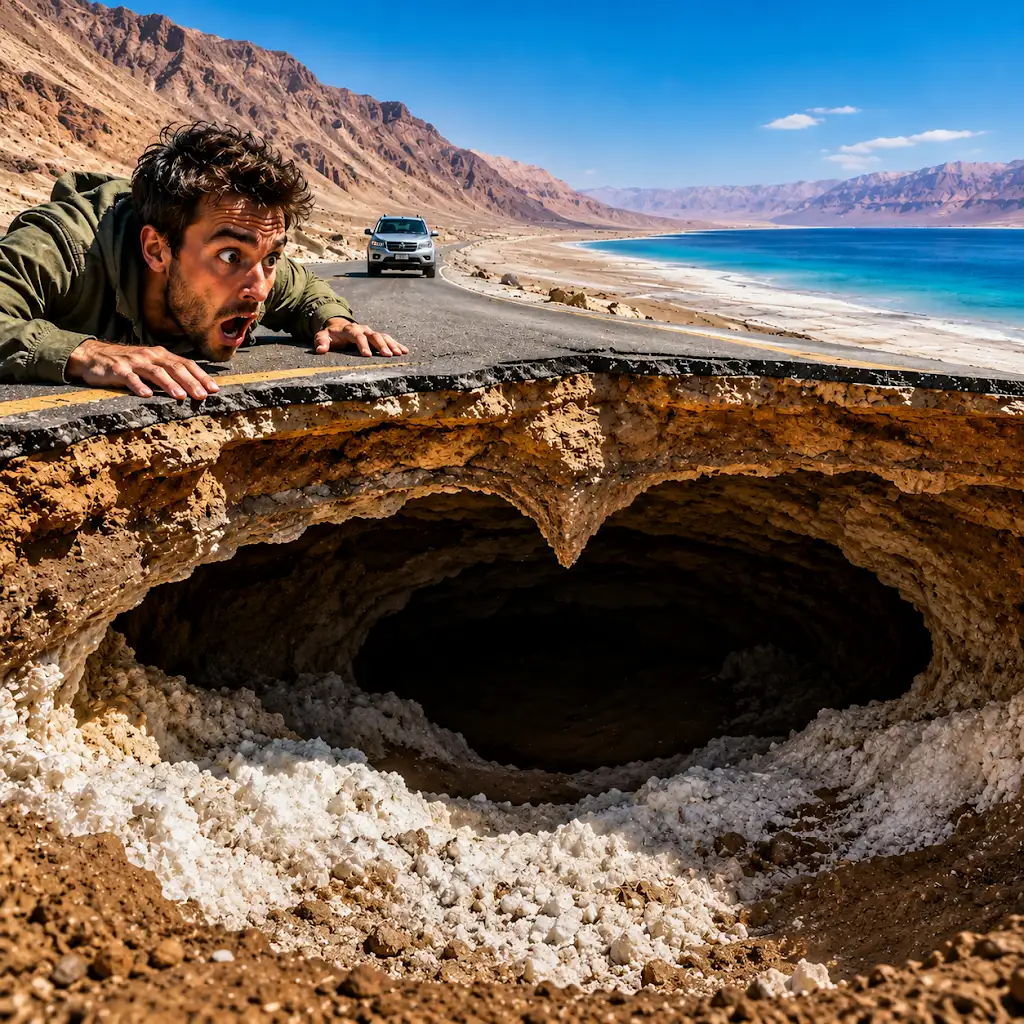
The Dead Sea Is Vanishing — And Leaving Giant Holes Behind
FAQs
What is the Dead Sea landscape transformation?
The Dead Sea landscape transformation refers to the changes in the physical and environmental features of the Dead Sea region, including the shrinking of the sea, the formation of sinkholes, and the impact on surrounding ecosystems.
What are the causes of the Dead Sea landscape transformation?
The main causes of the Dead Sea landscape transformation are the diversion of water from the Jordan River for agricultural and industrial use, mineral extraction activities, and natural evaporation processes. These factors have led to a significant decrease in the water level of the Dead Sea and the formation of sinkholes.
What are the environmental impacts of the Dead Sea landscape transformation?
The Dead Sea landscape transformation has resulted in significant environmental impacts, including the loss of unique ecosystems, the formation of hazardous sinkholes, and the deterioration of water quality. These changes have also affected the local climate and air quality in the region.
What efforts are being made to address the Dead Sea landscape transformation?
Several initiatives are being undertaken to address the Dead Sea landscape transformation, including the implementation of water conservation measures, the promotion of sustainable tourism, and the development of alternative water sources. International cooperation and research efforts are also focused on finding solutions to mitigate the environmental impacts.
What are the implications of the Dead Sea landscape transformation for the future?
The Dead Sea landscape transformation has significant implications for the future, including the need for sustainable water management practices, the preservation of unique ecosystems, and the protection of cultural heritage sites in the region. It also highlights the importance of global efforts to address environmental challenges and promote sustainable development.