The North Sea, a vast expanse of turbulent waters, has long been a cradle of energy for the world. For decades, it has been synonymous with the extraction of oil and gas, a vital source of power and prosperity. However, the winds of change are blowing across this maritime domain, and the North Sea is rapidly transforming into a pivotal hub for the energy of the future. This transition is not merely about replacing old sources with new; it represents a fundamental redefinition of the region’s role in global energy security, economic development, and environmental stewardship. The ongoing evolution of North Sea energy infrastructure is a testament to human ingenuity, a complex interplay of technological advancement, economic imperatives, and an unwavering commitment to a sustainable planet.
The North Sea’s history is inextricably linked to the discovery and exploitation of its rich hydrocarbon reserves. The golden age of North Sea oil and gas began in the late 1960s, with the discovery of major fields like Ekofisk and Brent. This era ushered in a period of unprecedented economic growth for the surrounding nations, particularly the United Kingdom and Norway. The intricate network of platforms, pipelines, and terminals that were constructed became a marvel of engineering, pushing the boundaries of what was technologically feasible in offshore operations. These structures, many of which still stand today, represent not just industrial prowess but also a deep well of experience and expertise that is proving invaluable as the region pivots towards renewable energy. The infrastructure built for offshore oil and gas, while designed for a different purpose, often shares fundamental characteristics with that required for offshore wind and other emerging energy sources, such as offshore substations, subsea cables, and specialized vessels.
From Exploration to Production: The Engineering Marvels
The journey of bringing North Sea oil and gas ashore was a monumental undertaking. It involved the development of sophisticated drilling techniques, robust platform designs capable of withstanding extreme weather, and intricate pipeline networks stretching hundreds of miles across the seabed. These projects demanded immense capital investment and a highly skilled workforce. The innovation spurred by the North Sea oil and gas industry has had a ripple effect across numerous sectors, from materials science and fabrication to project management and maritime logistics. The lessons learned in managing these complex, high-stakes operations are directly transferable to the development of large-scale renewable energy projects.
The Economic Engine: Fueling National Economies
For decades, North Sea oil and gas production has been a significant contributor to the GDP of many European nations. It has generated substantial tax revenues, supported a vast array of ancillary industries, and provided high-skilled employment opportunities. The economic legacy of this era cannot be overstated. However, as global energy markets shift and the imperative to decarbonize intensifies, the economic landscape of the North Sea is undergoing a profound transformation. The challenge now is to leverage the existing economic infrastructure and expertise to foster new growth in the green energy sector, ensuring a just transition for workers and communities that have historically relied on fossil fuels.
Environmental Challenges and the Drive for Sustainability
The extraction of fossil fuels has, inevitably, come with environmental consequences. The North Sea has faced challenges related to pollution, habitat disruption, and greenhouse gas emissions. These issues have driven significant advancements in environmental monitoring, spill response, and operational efficiency within the oil and gas sector. Crucially, these experiences have instilled a heightened awareness of environmental responsibility, a crucial prerequisite for the successful development of sustainable energy solutions. The industry’s growing commitment to reducing its environmental footprint, including the electrification of offshore platforms and the implementation of carbon capture technologies, provides a critical bridge to a low-carbon future.
The North Sea energy infrastructure has been a focal point for discussions on renewable energy and sustainability in Europe. A related article that delves into the advancements and challenges faced in this sector can be found at MyGeoQuest. This resource provides valuable insights into the ongoing projects and future prospects for energy production in the North Sea, highlighting the importance of innovation and collaboration in achieving energy goals.
The Rise of Offshore Wind: Harnessing Nature’s Power
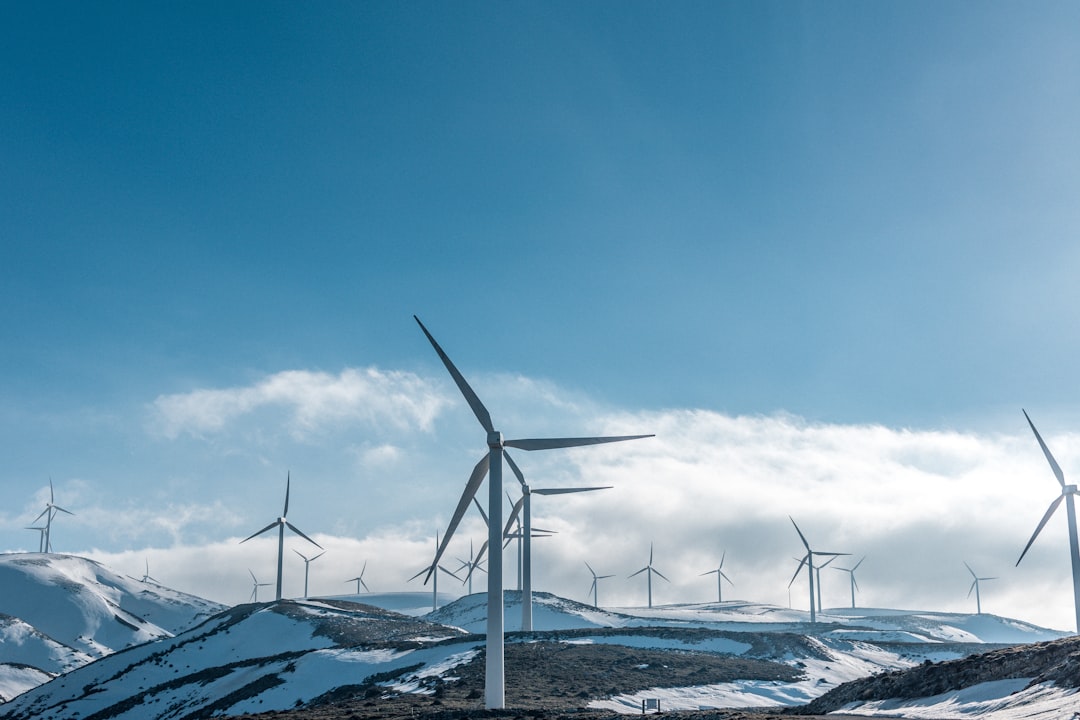
The North Sea, with its consistent and powerful winds, has emerged as one of the world’s premier locations for offshore wind energy. This renewable resource offers a clean and abundant alternative to fossil fuels, playing a central role in the decarbonization efforts of coastal nations. The development of offshore wind farms has become a cornerstone of the region’s energy future, attracting substantial investment and driving technological innovation. The transformation from a hydrocarbon-centric energy landscape to one increasingly dominated by wind power represents a paradigm shift, with profound implications for infrastructure, economics, and environmental policy.
From Coastal Breezes to Deep-Sea Giants: Turbine Technology Evolution
The evolution of offshore wind turbine technology has been nothing short of remarkable. From early, smaller turbines to the colossal, multi-megawatt machines of today, the industry has witnessed a dramatic increase in efficiency and capacity. These towering structures are now capable of generating vast amounts of clean electricity, significantly contributing to national energy grids. The engineering challenges associated with installing and maintaining these turbines in the harsh North Sea environment have led to significant advancements in areas such as foundation design, installation vessels, and predictive maintenance.
The Grid Connection Challenge: Integrating Renewable Power
A critical element of offshore wind development is the effective integration of this intermittent power source into existing electricity grids. This requires substantial investment in grid modernization, including the construction of new high-voltage subsea cables and onshore substations. The development of smart grid technologies and energy storage solutions is also crucial to ensure a stable and reliable supply of electricity. The North Sea’s established offshore infrastructure, including its extensive subsea cable network, provides a valuable starting point for this integration, though significant upgrades are still necessary.
Economic Opportunities: A New Industrial Revolution
The growth of the offshore wind sector has unlocked a new wave of economic opportunities. It is creating jobs in manufacturing, installation, operation, and maintenance, fostering the development of specialized supply chains and attracting significant foreign investment. The transition to offshore wind is not just about replacing one energy source with another; it is about fostering a new industrial revolution, one powered by clean energy and driven by innovation. This transition presents a chance to revitalize coastal economies and create a more sustainable and prosperous future.
Interconnectivity and the Future Grid: The Backbone of a Decarbonized Europe

The North Sea is poised to become a crucial nexus for a pan-European energy network, driven by the burgeoning offshore wind capacity and the need for greater energy security. The concept of “energy islands” and the development of interconnected offshore grids are rapidly gaining traction, promising to optimize the utilization of renewable energy resources and enhance the resilience of the European power system. This vision of a highly interconnected grid is essential for managing the intermittency of renewables and ensuring a reliable supply of clean energy across the continent.
Offshore Hubs and Energy Islands: Consolidating Renewable Power
The idea of large-scale offshore energy hubs, or “energy islands,” is a visionary concept gaining momentum in the North Sea region. These artificial or repurposed structures would serve as central points for gathering electricity from multiple wind farms, converting it to higher voltages for efficient transmission, and potentially facilitating other energy-related activities, such as hydrogen production. These hubs could act as the backbone of a future offshore grid, facilitating greater cooperation and efficiency among North Sea nations.
The Role of Interconnectors: Sharing Clean Energy Across Borders
Subsea electricity interconnectors are already a vital component of the European energy landscape, and their importance will only grow with the expansion of offshore wind. These cables allow countries to share surplus renewable energy and to import electricity when domestic production is insufficient. The North Sea, with its proximity to major energy markets, is ideally situated to become a hub for such interconnections, enhancing energy security and promoting the efficient distribution of clean power. The existing infrastructure from the oil and gas era, particularly the expertise in laying and maintaining subsea cables, provides a significant advantage here.
Grid Modernization and Smart Technologies: Ensuring Reliability
The integration of large-scale offshore renewable energy sources necessitates significant investment in modernizing onshore and offshore grids. This includes the deployment of advanced grid management systems, energy storage solutions, and digital technologies that enable real-time monitoring and control. The development of a resilient and intelligent grid is paramount to ensure that the fluctuating output of wind farms can be reliably integrated into the power supply, meeting the demands of consumers and industries alike.
Hydrogen Production: A Versatile Energy Carrier

As the world transitions towards decarbonization, hydrogen is emerging as a key energy carrier with the potential to revolutionize various sectors, from heavy industry and transportation to heating and power generation. The North Sea, with its abundant renewable energy resources, is ideally positioned to become a leader in the production of “green hydrogen” – hydrogen produced using renewable electricity through electrolysis. This emerging industry has the potential to create new economic opportunities and significantly contribute to emission reduction targets.
Green Hydrogen Production: Electrolysis Powered by Renewables
The process of producing green hydrogen involves using renewable electricity to split water molecules into hydrogen and oxygen through electrolysis. The North Sea’s vast offshore wind capacity provides a perfect power source for these electrolysis plants, which can be located either offshore, close to the wind farms, or onshore, utilizing the transmitted renewable electricity. This process offers a pathway to decarbonize sectors that are difficult to electrify directly.
Utilizing Existing Infrastructure: A Bridge to a Hydrogen Economy
The established infrastructure of the North Sea, particularly its extensive pipeline network, could potentially be repurposed or adapted for the transport of hydrogen. While hydrogen has different properties than natural gas, significant research and development are underway to assess the feasibility and safety of using existing pipelines for hydrogen transport. This could dramatically reduce the cost and complexity of building a new hydrogen infrastructure from scratch, accelerating the transition to a hydrogen economy.
The Future of Energy Storage and Industrial Decarbonization
Hydrogen offers a compelling solution for long-term energy storage, addressing the intermittency challenges of renewable energy. Excess renewable electricity can be used to produce hydrogen, which can then be stored and converted back into electricity when needed, or used directly as a fuel. Furthermore, hydrogen is a critical element for decarbonizing hard-to-abate sectors, such as steel production, ammonia manufacturing, and long-haul transportation, where direct electrification is often not feasible.
The ongoing developments in North Sea energy infrastructure are crucial for the future of renewable energy in Europe. A recent article highlights the significant investments being made to enhance offshore wind farms and improve grid connections, which are essential for integrating renewable sources into the energy market. For more insights on this topic, you can read the full article here. These advancements not only aim to boost energy security but also contribute to the region’s commitment to reducing carbon emissions.
Decommissioning and the Circular Economy: Responsible Stewardship of the Sea
“`html
| Platform Name | Location | Owner/Operator | Capacity (MW) |
|---|---|---|---|
| Brent Delta | North Sea | Shell UK | 25 |
| Ormen Lange | North Sea | Equinor | 850 |
| Beatrice Wind Farm | Moray Firth | Beatrice Offshore Windfarm Ltd | 588 |
“`
The end of an energy asset’s life cycle, particularly for the aging oil and gas infrastructure in the North Sea, presents both a challenge and an opportunity. The responsible decommissioning of these platforms and pipelines is crucial for environmental protection and maritime safety. However, this process also offers the potential to embrace the principles of the circular economy, where materials and components are reused, repurposed, or recycled, minimizing waste and creating new economic value. The expertise gained in dismantling complex offshore structures can be leveraged to support the development of new offshore renewable energy infrastructure and to create a more sustainable future for the North Sea.
The Decommissioning Challenge: Safety and Environmental Responsibility
The decommissioning of North Sea oil and gas platforms is a complex and expensive undertaking. It involves the safe removal of thousands of tons of steel and concrete, often in challenging offshore conditions. Strict environmental regulations govern this process, ensuring that the seabed is restored to its original state as much as possible and that any residual risks are mitigated. The experience gained in managing these complex projects is invaluable, especially as the infrastructure supporting renewable energy will also eventually require decommissioning.
Reuse and Repurposing: Extending the Life of Offshore Assets
The concept of reusing and repurposing components from decommissioned offshore structures is gaining traction. While not all materials can be repurposed, many components, such as steel structures and even some pieces of equipment, can find new life in other industries or in the construction of new renewable energy facilities. For instance, old platforms could potentially be converted into artificial reefs or serve as bases for offshore wind maintenance operations. This approach aligns with the principles of the circular economy, reducing waste and conserving resources.
Creating a Sustainable Future: Innovation in Decommissioning and Beyond
The decommissioning of North Sea infrastructure is driving innovation in areas such as robotic dismantling, advanced welding techniques, and materials recycling. This innovation not only benefits the decommissioning process itself but also has broader applications across various industrial sectors. By embracing a circular economy approach, the North Sea can move beyond its legacy of resource extraction and become a model for responsible environmental stewardship and sustainable economic development, paving the way for the next generation of energy infrastructure.

The Dangerous Sea Europe Can’t Live Without
FAQs
What is the North Sea energy infrastructure?
The North Sea energy infrastructure refers to the network of oil and gas platforms, pipelines, and wind farms located in the North Sea. It plays a crucial role in the production and transportation of energy resources.
How does the North Sea energy infrastructure contribute to energy production?
The North Sea energy infrastructure contributes significantly to energy production by extracting and transporting oil and gas from offshore platforms, as well as generating renewable energy through offshore wind farms.
What are the environmental impacts of the North Sea energy infrastructure?
The North Sea energy infrastructure has both positive and negative environmental impacts. While it contributes to the production of renewable energy, it also poses risks to marine ecosystems and wildlife through potential oil spills and habitat disruption.
What are the challenges faced by the North Sea energy infrastructure?
Challenges faced by the North Sea energy infrastructure include aging infrastructure, maintenance and decommissioning costs, fluctuating oil and gas prices, and the need for technological advancements to support renewable energy production.
How does the North Sea energy infrastructure impact the economy?
The North Sea energy infrastructure has a significant impact on the economy by providing employment opportunities, contributing to the energy supply, and supporting the growth of the renewable energy sector. However, it also faces economic challenges due to fluctuating energy prices and the high costs of maintenance and decommissioning.