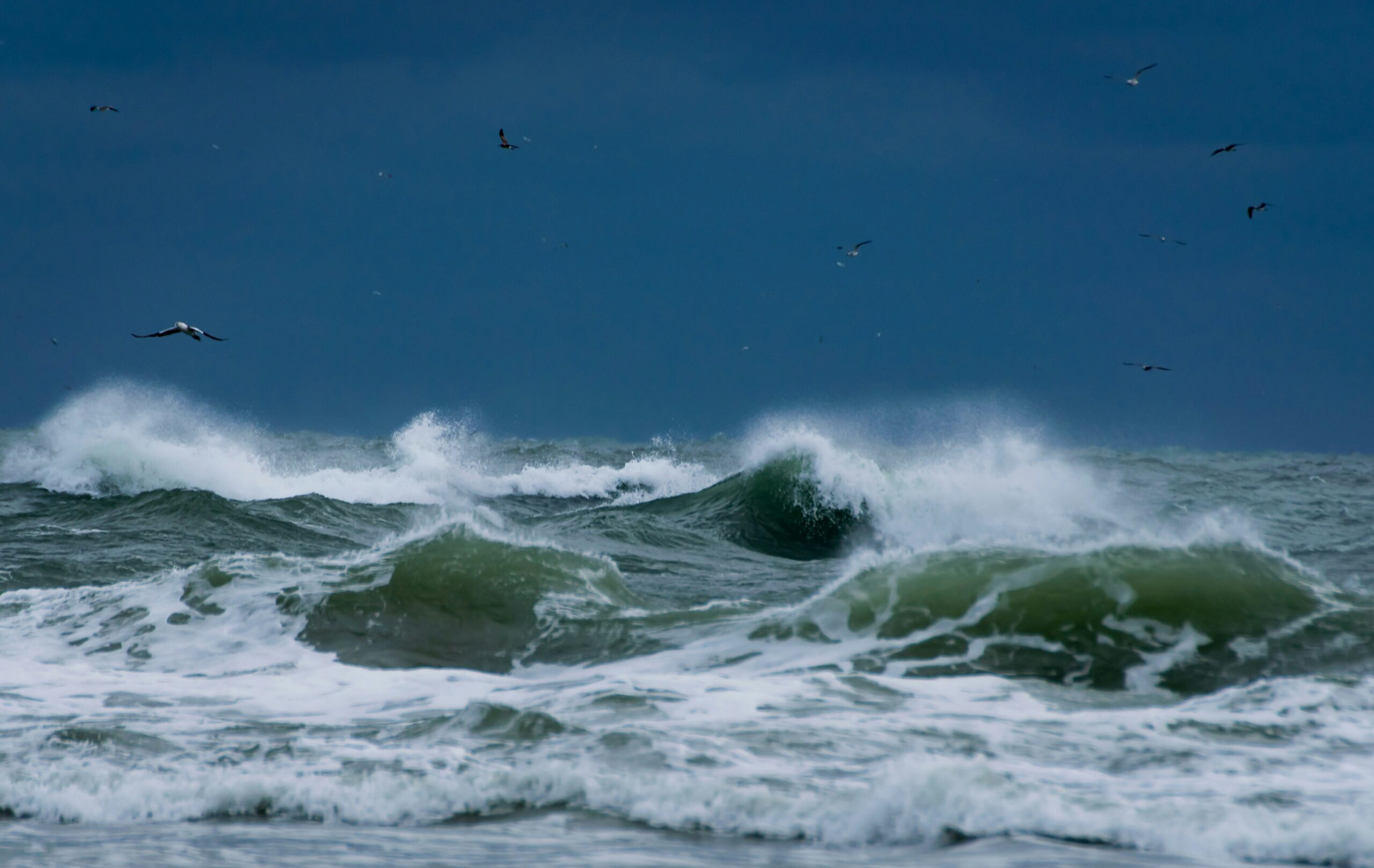
The year 1953 stands as a grim reminder of nature’s immense power and the vulnerability of coastal communities. The storm surge that struck the Netherlands, the United Kingdom, and Belgium on the night of January 31st to February 1st was one of the most devastating natural disasters to ever strike Western Europe. It claimed thousands of lives, inundated vast swathes of land, and left an indelible mark on the collective memory of the affected nations. Understanding the complex interplay of meteorological and geographical factors that contributed to this catastrophe is crucial not only for historical context but also for informing present-day disaster preparedness and coastal defense strategies.
The 1953 storm surge was not the result of a single, isolated event, but rather a confluence of meteorological conditions that created a perfect storm. Several key factors conspired to generate an exceptionally powerful surge that overwhelmed existing defenses.
The Genesis of the Low-Pressure System
The genesis of the disaster lay in the development of a deep low-pressure system over the North Atlantic. These systems are common, but this particular one exhibited characteristics that made it exceptionally dangerous.
Tracking the Atlantic Fury
The low-pressure system initially formed off the coast of Newfoundland, drawing in vast amounts of moisture and energy from the warm ocean currents. As it tracked eastward across the Atlantic, it intensified significantly. This intensification was driven by a number of factors, including a strong jet stream at high altitudes that acted like a conveyor belt, feeding the storm with warm, moist air. The temperature gradient between the frigid Arctic air and the relatively warmer Atlantic waters also played a crucial role in fueling the storm’s growth.
The Role of the Jet Stream
The jet stream, a high-speed air current in the upper atmosphere, was particularly active and favorably positioned during this period. It provided the necessary atmospheric dynamics to accelerate the storm’s development and steer it towards Europe. The strength and position of the jet stream can significantly influence the track and intensity of weather systems. In early 1953, it was aligned in a way that funneled this potent storm directly towards the densely populated coastlines of Western Europe.
The North Sea’s Conspiring Embrace
While the Atlantic provided the initial impetus, the North Sea played a critical amplifying role in the build-up of the storm surge. Its unique characteristics, when combined with the incoming storm, proved to be a deadly combination.
The Constricted Basin
The North Sea is a relatively shallow and semi-enclosed body of water. This geographical configuration means that water, once pushed into it by strong winds, has limited avenues of escape. The basin acts like a funnel, concentrating the incoming water and increasing its depth. Unlike the vast and open Atlantic, where a surge might dissipate over a wider area, the North Sea effectively trapped and amplified the surge.
The Influence of Wind Direction and Duration
Crucially, the prevailing winds associated with the low-pressure system were from the northwest. This direction is particularly problematic for the low-lying countries on the eastern side of the North Sea, such as the Netherlands and parts of the UK. These winds blew unimpeded across the long expanse of the North Sea, pushing enormous volumes of water towards the coast for an extended period. The duration of these strong, sustained winds was a key factor in building the surge to catastrophic levels.
The Tides’ Treacherous Augmentation
Adding to the misery, the storm surge coincided with a particularly high astronomical tide. This temporal coincidence proved to be a fatal blow to many coastal defenses.
Spring Tides and Lunar Influence
The surge occurred during a period of spring tides. Spring tides are the highest and lowest tides, occurring twice a month due to the alignment of the sun, Earth, and moon. When the sun and moon are aligned (during new moon and full moon), their combined gravitational pull creates a stronger tidal force, resulting in higher high tides and lower low tides. In 1953, the storm surge happened to coincide with one of these unusually high tides.
The Double Whammy
The combination of the storm surge and the high astronomical tide created a “double whammy” effect. The storm surge alone would have been significant, but when superimposed onto an already elevated high tide, the water levels reached unprecedented heights. This meant that even defenses designed to cope with normal high tides were completely overwhelmed. The storm surge effectively pushed the already high tide even further inland.
The 1953 storm surge, which caused devastating flooding in the North Sea region, has been the subject of extensive research and analysis. For a deeper understanding of the factors that contributed to this catastrophic event, you can explore a related article that delves into the meteorological conditions and the impact on coastal communities. To read more about this significant historical event, visit the article at this link.
The Geographical Vulnerabilities: A Land of Low-Lying Lands
The impact of the 1953 storm surge was amplified by the specific geographical characteristics of the most heavily affected regions, particularly the Netherlands. Years of reclamation and settlement in these low-lying areas had created a fragile environment highly susceptible to inundation.
The Polder Landscape of the Netherlands
The Netherlands is famously a land of polders – land reclaimed from the sea or lakes. These areas are often situated below sea level, protected by a complex system of dikes and canals. While a testament to human ingenuity, this landscape inherently possesses a significant vulnerability.
Below Sea Level Settlements
A substantial portion of the Dutch population and agricultural land resides in areas that are literally below sea level. These regions are meticulously managed to keep water out, but a catastrophic breach of the defenses can lead to widespread and rapid flooding. The 1953 surge demonstrated the inherent risk of living in such a reclaimed environment.
The Interconnected Waterways
The Dutch landscape is crisscrossed by a network of rivers, canals, and drainage ditches. While essential for managing water levels within the polders, these waterways also provided conduits for the surging seawater to penetrate deep inland once the primary defenses were breached. The inundation spread rapidly through these interconnected systems.
The Sandy Coasts of the United Kingdom
While the Netherlands suffered the most severe loss of life, the United Kingdom also experienced significant flooding and damage, particularly along its eastern coastline. The sandy nature of much of this coastline presented its own set of vulnerabilities.
Erosion and Breaches
The powerful waves and surge associated with the storm were capable of eroding the sandy foreshores and breaching coastal defenses. Unlike more robust defenses, sandy coastlines can be more susceptible to rapid degradation under extreme weather conditions. This led to breaches in sea walls and dunes, allowing floodwaters to enter coastal towns and villages.
Vulnerable Estuaries and Low-Lying Areas
Many of the most affected areas in the UK were situated in low-lying estuaries and coastal plains. These areas are naturally prone to flooding, and the storm surge amplified this natural risk to a catastrophic degree. Estuaries, where rivers meet the sea, can act as funnels, further concentrating the surge.
The Anatomy of the Disaster: The Surge’s Devastating Progression
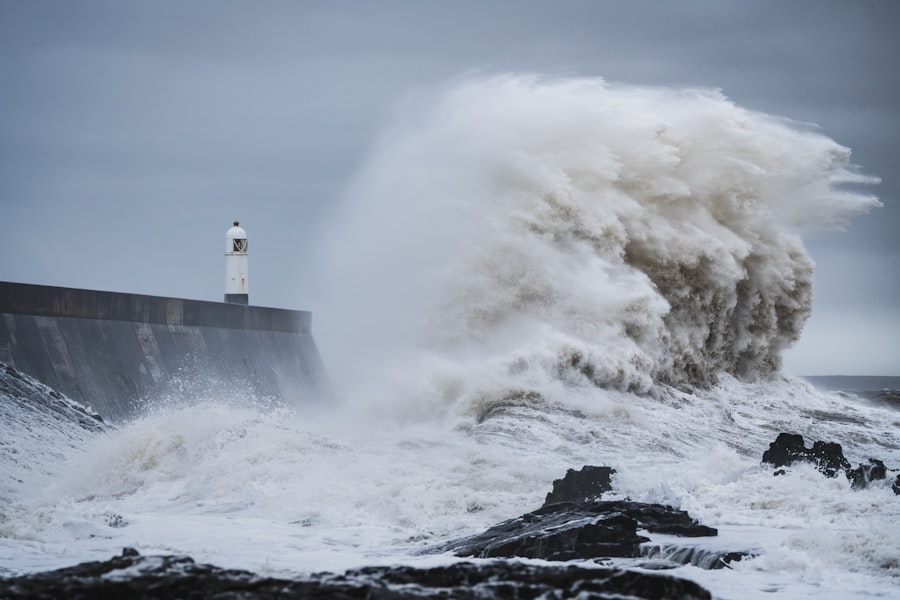
The storm surge was not a static event; it was a dynamic and terrifying progression of rising waters that overwhelmed defenses and brought devastation. Understanding its progression helps to grasp the scale of the human tragedy.
The Inundation Begins
As the storm intensified and the tide began its ascent, the first signs of danger became apparent. The wind-driven water started to push against the coastal defenses, straining their integrity.
Pushed to the Brink
The constant battering of waves and the relentless pressure of the rising sea pushed existing dikes and sea walls to their absolute limits. In many cases, the defenses were not built to withstand the combined forces of the surge and the exceptionally high tide.
The First Breaches
As the pressure became too great, the first breaches in the defenses began to appear. These were not isolated incidents but occurred at multiple points along the coast, signaling the onset of widespread inundation. The sound of the sea breaching the barriers was a harbinger of doom.
The Surge Unleashed
Once breaches occurred, the unleashed power of the surge was terrifying. The water, driven by the relentless winds, surged inland with incredible speed and force.
Inland Penetration
The intruding seawater not only flooded coastal towns but also penetrated far inland, inundating agricultural land and settlements. The force of the water was enough to destroy buildings and sweep away vehicles and livestock.
The Power of the Waves
Beyond the sheer volume of water, the storm surge was accompanied by powerful waves that battered structures and contributed to the widespread destruction. These waves, driven by the fierce winds, added another layer of destructive force to the inundation.
The Retreat and the Aftermath
When the storm eventually abated and the tide began to recede, the true extent of the disaster became horrifyingly clear. The retreating waters left behind a landscape of destruction and loss.
A Landscape Transformed
The once familiar landscape was transformed into a scene of devastation. Homes were destroyed or severely damaged, infrastructure was crippled, and vast areas of farmland were rendered unusable by saltwater contamination.
The Human Cost
The most tragic aspect of the aftermath was the immense human cost. Thousands of people lost their lives, many caught unaware in their homes by the rapidly rising waters. The loss extended to livelihoods, with the destruction of homes and businesses.
The Contributing Factors: A Deeper Dive into the Dynamics

To fully comprehend the 1953 storm surge, it is necessary to delve deeper into the specific scientific and geographical factors that exacerbated its impact.
The Role of Atmospheric Pressure
The exceptionally low atmospheric pressure at the heart of the storm system played a significant role in driving the surge.
Inverse Barometer Effect
A fundamental principle in meteorology is the inverse barometer effect. When atmospheric pressure drops, the sea surface rises to compensate. A deep low-pressure system, like the one in 1953, causes a significant upward bulge in the sea level even before the wind-driven surge begins. This effect, though often smaller than the wind-driven component, added several decimeters to the overall water level.
Amplification in Constricted Areas
The inverse barometer effect is amplified in semi-enclosed basins like the North Sea. The reduced atmospheric pressure over the entire basin allowed the sea level to rise more uniformly, contributing to the overall increase in water depth.
The North Sea’s Bathymetry and Morphology
The shape and depth of the North Sea’s seabed (its bathymetry) and its overall physical form (morphology) were critical in channeling and amplifying the surge.
Funneling Effect
The gradually narrowing shape of the North Sea as it extends northwards towards Norway, combined with the shallower depths in the southern part, acted as a powerful funnel. This funneling effect concentrated the incoming surge of water towards the southern and eastern coasts.
Underwater Ridges and Channels
The presence of underwater ridges and channels can also influence the behavior of surges. These features can alter the flow of water, potentially increasing its speed and height in certain areas or acting as barriers in others. While complex, the bathymetry of the North Sea was conducive to surge amplification.
The Influence of Storm Track and Velocity
The specific path and speed of the low-pressure system were also crucial elements.
Direct Path to Vulnerable Coasts
The storm’s track took it directly towards the densely populated and low-lying coastal regions of the Netherlands and the UK. Had the storm tracked further north or south, its impact on these vulnerable areas might have been less severe.
Optimal Wind Alignment
The storm’s trajectory also ensured that the strongest winds were blowing perpendicular to the coastline for an extended period. This alignment maximized the wind’s ability to push water towards the shore, a key driver of the surge. The speed of the storm also mattered; a slower-moving storm would have allowed for a more prolonged build-up of water.
The devastating storm surge of 1953 had a profound impact on coastal communities, leading to significant changes in disaster preparedness and response strategies. For those interested in exploring the details of this historical event, a related article can be found at My Geo Quest, which delves into the meteorological factors that contributed to the surge and its aftermath. Understanding these events not only sheds light on past disasters but also helps in preparing for future storms.
Lessons Learned and Lasting Legacy: Preventing Future Catastrophes
| Location | Year | Maximum Surge Height (ft) | Deaths |
|---|---|---|---|
| Netherlands | 1953 | 14.6 | 1,836 |
| United Kingdom | 1953 | 5.6 | 307 |
| Belgium | 1953 | 5.6 | 28 |
The 1953 storm surge was a brutal wake-up call, prompting significant advancements in flood defense and disaster preparedness. The lessons learned from this tragedy continue to inform efforts to protect coastal communities today.
The Birth of the Delta Works
The most direct and profound legacy of the 1953 disaster is the creation of the Delta Works in the Netherlands. This monumental engineering project aimed to protect the country from future storm surges and has become a symbol of Dutch resilience.
Engineered Defenses of Unprecedented Scale
The Delta Works involved the construction of a series of dams, storm surge barriers, and sea defenses designed to significantly reduce the vulnerability of the Dutch coastline. These included the iconic Maeslantkering, a massive storm surge barrier that can close off the Nieuwe Waterweg waterway to protect Rotterdam.
Redefining Coastal Protection
The Delta Works represented a paradigm shift in how coastal protection was approached. It moved beyond simple dike reinforcement to embrace integrated water management and the creation of highly sophisticated, multi-layered defenses.
Enhancements in Forecasting and Warning Systems
The disaster highlighted the critical need for improved meteorological forecasting and effective warning systems.
Advancements in Meteorology
The scientific understanding of storm surges and their drivers has advanced significantly since 1953. Modern meteorology, with its sophisticated computer models and global observational networks, provides much more accurate predictions of storm intensity, track, and potential surge heights.
Effective Evacuation Protocols
The chaos and loss of life in 1953 underscored the importance of clear and timely evacuation protocols. Following the disaster, many countries developed and refined their emergency response plans, focusing on rapid communication and effective evacuation procedures to minimize human casualties.
The Ongoing Challenge of Climate Change
While the 1953 storm surge was a result of natural variability, the escalating impacts of climate change present a new and growing threat to coastal regions.
Rising Sea Levels
Climate change is causing global sea levels to rise. This means that future storm surges, even if of similar magnitude to the 1953 event, will be superimposed on a higher baseline sea level, increasing their potential impact and inundation depth.
Intensified Storms
There is also evidence to suggest that climate change may lead to more intense and frequent extreme weather events, including powerful storms. This could increase the likelihood of future events similar in destructive power to the 1953 storm surge.
The 1953 storm surge remains a poignant reminder of nature’s untamed power and the ever-present vulnerability of human settlements to its forces. The scientific and engineering advancements spurred by this tragedy have undoubtedly saved countless lives and protected vast areas. However, as the world grapples with the escalating challenges of climate change, the lessons of 1953 serve as a vital, and sobering, impetus for continued vigilance, innovation, and global cooperation in safeguarding our coastal communities from the relentless threat of the sea.

The Dangerous Sea Europe Can’t Live Without
FAQs
What was the 1953 storm surge?
The 1953 storm surge, also known as the North Sea flood of 1953, was a catastrophic event that occurred on the night of January 31st and February 1st, 1953. It was caused by a combination of a high spring tide and a severe storm, resulting in a surge of water that overwhelmed coastal defenses in the Netherlands, Belgium, and the United Kingdom.
What were the impacts of the 1953 storm surge?
The 1953 storm surge resulted in the deaths of over 2,000 people in the Netherlands and around 300 people in the United Kingdom. It also caused widespread flooding, destruction of homes and infrastructure, and significant economic losses. The event led to a reevaluation of coastal defense strategies and the implementation of new measures to protect against future storm surges.
What factors contributed to the severity of the 1953 storm surge?
Several factors contributed to the severity of the 1953 storm surge, including the alignment of the high spring tide with the storm, the low-lying topography of the affected areas, and the lack of adequate coastal defenses at the time. Additionally, the storm itself was exceptionally powerful, with strong winds and intense low pressure.
How did the 1953 storm surge impact coastal defense strategies?
The 1953 storm surge prompted a reevaluation of coastal defense strategies in the affected countries. It led to the construction of stronger and higher sea walls, the implementation of improved flood forecasting and warning systems, and the development of emergency response plans. These measures aimed to better protect coastal communities from future storm surges.
What lessons were learned from the 1953 storm surge?
The 1953 storm surge highlighted the importance of robust coastal defenses, effective emergency preparedness, and international cooperation in responding to natural disasters. It also emphasized the need for ongoing investment in infrastructure and research to mitigate the impacts of extreme weather events and protect vulnerable coastal regions.