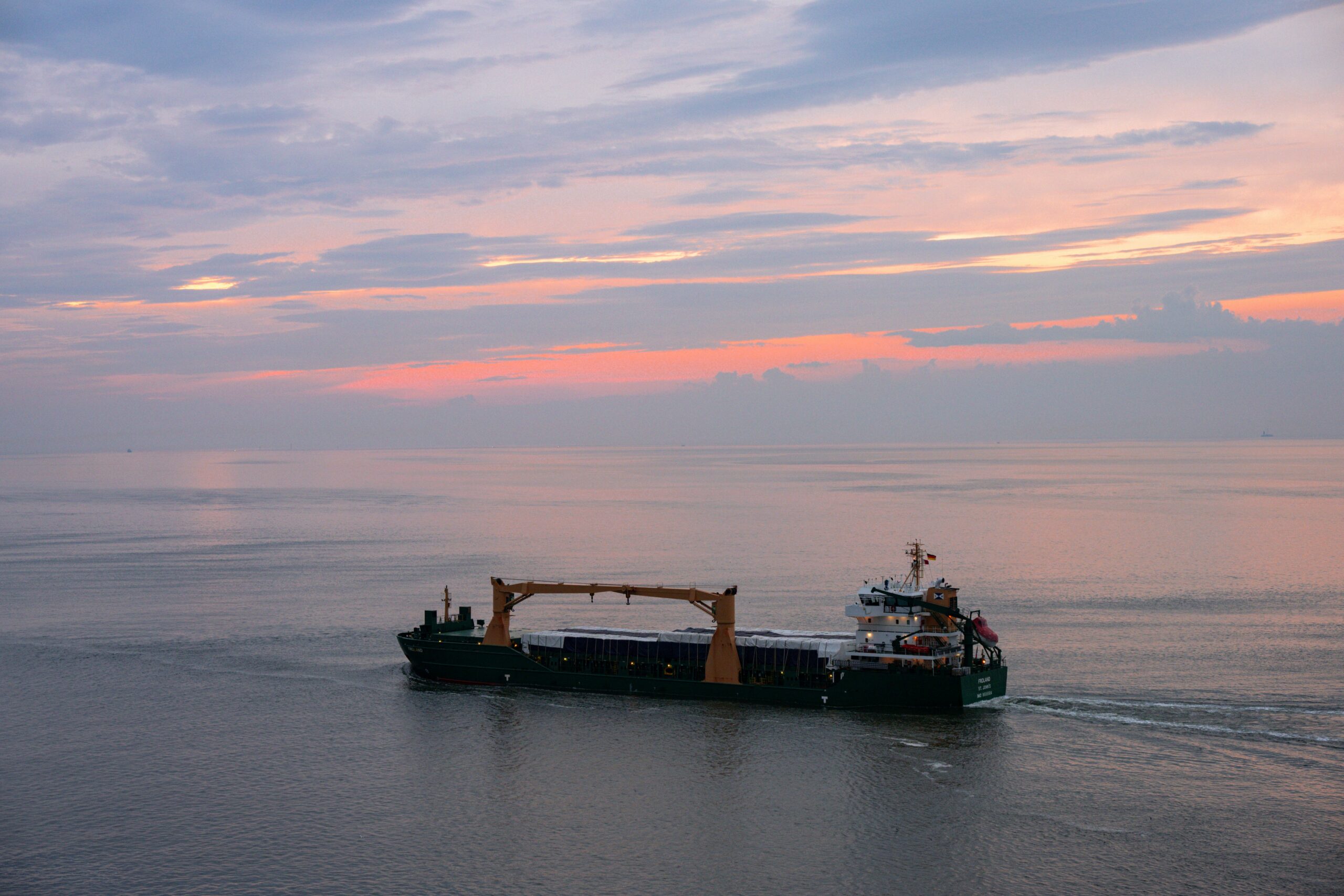
The vast expanse of the North Sea, a vital artery for global energy and commerce, harbors a complex and interconnected network of critical infrastructure. From the towering structures of offshore oil and gas platforms to the intricate web of subsea pipelines, cables, and wind farms, these assets are indispensable to the economic prosperity and energy security of nations bordering its waters. However, this indispensable infrastructure faces a growing array of threats, ranging from the inherent risks of the maritime environment to the deliberate actions of malicious actors. Protecting these North Sea critical assets is no longer a matter of national interest but a collective imperative, demanding a multifaceted and adaptive approach.
The North Sea has long been a powerhouse of resource extraction, and its infrastructure reflects this heritage. Decades of exploration and production have resulted in a dense concentration of oil and gas facilities, including numerous platforms, subsea wellheads, and processing hubs. These are directly linked by an extensive network of subsea pipelines, transporting oil and gas to onshore terminals.
Oil and Gas: The Traditional Bedrock
The offshore oil and gas sector represents the historical cornerstone of North Sea infrastructure. The complex systems of extraction, processing, and transportation are marvels of engineering, but also represent significant vulnerabilities. The sheer number of platforms, many of which have been operational for decades, necessitates continuous monitoring and maintenance. The vast network of pipelines, stretching for thousands of kilometers across the seabed, is particularly susceptible to external damage.
The Rise of Renewable Energy: A New Frontier
In recent years, the North Sea has emerged as a global leader in offshore wind energy. Vast wind farms, with their towering turbines, are increasingly populating its waters, contributing significantly to renewable energy targets. This burgeoning sector adds a new layer of complexity to the protection landscape. The infrastructure associated with these wind farms, including turbines, substations, and interconnector cables, presents its own unique set of challenges.
Subsea Cables: The Invisible Lifelines
Beneath the waves lies an equally crucial, though often overlooked, network of subsea cables. These include power cables transmitting electricity from offshore wind farms and across national borders, as well as telecommunication cables carrying vast amounts of data. The disruption of these cables can have cascading effects, impacting everything from internet connectivity to national power grids. Their often-unmarked nature and vulnerability to accidental damage make their protection a significant undertaking.
Interdependence and Cascading Risks
A critical aspect of North Sea infrastructure is its profound interdependence. A disruption to one component can trigger a domino effect across the entire system. For instance, a failure in an oil pipeline could impact processing facilities, which in turn could affect power supply to other offshore installations. Similarly, damage to a subsea power cable could have widespread consequences for both industrial operations and civilian life. Recognizing and mitigating these cascading risks is paramount.
The North Sea is home to vital critical infrastructure that plays a significant role in energy production and maritime activities. For a deeper understanding of the challenges and opportunities facing this region, you can explore a related article that discusses the implications of climate change on offshore installations and the importance of safeguarding these assets. To read more, visit this article.
Identifying and Assessing Threats to North Sea Critical Infrastructure
The threats facing North Sea critical infrastructure are diverse and constantly evolving. A comprehensive understanding of these threats is the first step in developing effective protective strategies. These threats can be broadly categorized as environmental, accidental, and deliberate.
Environmental Hazards: The Fury of the Sea
The North Sea is notorious for its harsh weather conditions. Storms, high waves, and strong currents can exert immense pressure on offshore structures, leading to structural fatigue and potential damage. Coastal erosion can also impact onshore facilities and associated infrastructure. Monitoring weather patterns and understanding the long-term effects of climate change on the marine environment are essential for risk assessment.
Extreme Weather Events
The increasing frequency and intensity of extreme weather events, driven by climate change, pose a significant and growing threat. Storm surges, hurricanes, and prolonged periods of high winds can cause substantial damage to both manned and unmanned offshore installations. Designing infrastructure to withstand these events and developing robust emergency response plans are crucial.
Marine Environment and Geological Risks
Beyond weather, the marine environment itself presents risks. Seabed instability, seismic activity, and the corrosive nature of saltwater can degrade infrastructure over time. Understanding the geological makeup of the seabed and monitoring for seismic activity are important considerations in the design, placement, and maintenance of offshore assets.
Accidental Damage: The Unintended Consequences
A substantial portion of infrastructure damage in the North Sea stems from accidents. Shipping traffic, fishing activities, and offshore construction operations can inadvertently collide with or damage subsea cables and pipelines. The sheer volume of maritime activity in the region makes this a persistent concern.
Shipping and Fishing Activities
The North Sea is one of the world’s busiest shipping lanes and a prime fishing ground. Collisions with buoys, anchors, and fishing gear can cause significant damage to subsea infrastructure, particularly pipelines and cables. Implementing clear maritime traffic management systems and raising awareness among mariners are vital mitigation strategies.
Offshore Construction and Maintenance
While essential for maintaining infrastructure, offshore construction and maintenance activities themselves can pose risks. Improperly deployed anchors, accidental cable cuts during laying operations, or structural failures during repairs can lead to costly damage and operational downtime. Strict adherence to safety protocols and rigorous quality control are paramount.
Deliberate Malicious Acts: The Human Element of Threat
The deliberate actions of state and non-state actors represent the most concerning category of threats. The strategic importance of North Sea infrastructure makes it a potential target for sabotage, terrorism, and acts of aggression aimed at disrupting energy supplies or causing economic and political instability.
State-Sponsored Sabotage and Espionage
The geopolitical landscape surrounding the North Sea necessitates a keen awareness of state-sponsored threats. Nations with competing interests may seek to compromise or disrupt the critical infrastructure of their adversaries. This can manifest as sophisticated cyberattacks, physical sabotage, or intelligence gathering operations aimed at identifying vulnerabilities.
Terrorism and Non-State Actor Threats
While perhaps less sophisticated than state-sponsored attacks, acts of terrorism or disruption by non-state actors remain a concern. Targeting critical infrastructure could be motivated by political grievances, ideological extremism, or the desire to create widespread panic and economic disruption.
Cyber Threats: The Digital Battlefield
The increasing reliance on digital systems for the operation and management of North Sea infrastructure has opened a new and significant vulnerability: cyber threats. Remote operation centers, sensor networks, and communication systems are all potential targets for hackers seeking to disrupt operations, steal sensitive data, or even gain control of critical assets.
Enhancing Security Measures: A Proactive and Layered Approach

Protecting North Sea critical infrastructure requires a robust and layered security strategy that encompasses both physical and cyber defenses. This strategy must be proactive, adaptive, and foster strong collaboration among all relevant stakeholders.
Physical Security: Guarding the Assets
The physical security of offshore platforms, onshore terminals, and the vast network of subsea assets is paramount. This involves a combination of surveillance, access control, and response capabilities.
Enhanced Surveillance and Monitoring
Implementing advanced surveillance technologies, including aerial drones, underwater autonomous vehicles (UAVs), and sophisticated sensor networks, is crucial for continuous monitoring of offshore assets and their surroundings. Thermal imaging, sonar, and acoustic monitoring can help detect unauthorized vessels or activity.
Access Control and Patrols
Strict access control protocols for platforms and onshore facilities are essential. Regular maritime patrols by naval forces and coast guards, employing both surface vessels and aerial assets, serve as a deterrent and enable rapid response to suspicious activity.
Underwater Security Measures
Protecting subsea infrastructure is particularly challenging. This involves regular surveys to detect any physical interference or damage. The development and deployment of underwater surveillance systems and deterrent technologies, such as acoustic deterrents or even remotely operated underwater vehicles (ROVs) capable of intervention, are vital.
Cybersecurity: Defending the Digital Frontier
The increasing digitalization of critical infrastructure necessitates a strong focus on cybersecurity. This involves protecting operational technology (OT) and information technology (IT) systems from cyberattacks.
Robust Network Security and Segmentation
Implementing robust network security measures, including firewalls, intrusion detection systems, and secure access controls, is fundamental. Network segmentation, isolating critical operational systems from less secure networks, can limit the impact of a successful breach.
Regular Security Audits and Penetration Testing
Conducting regular security audits and penetration testing to identify vulnerabilities in systems and software is crucial. This proactive approach helps to uncover weaknesses before they can be exploited by malicious actors.
Incident Response and Disaster Recovery Planning
Developing comprehensive incident response plans for cyberattacks is essential. This includes clear protocols for detection, containment, eradication, and recovery. Disaster recovery plans ensure that critical functions can be restored quickly in the event of a successful cyberattack.
Personnel Security and Training
Human factors play a critical role in security. Ensuring that personnel are adequately trained and vetted is as important as the technological measures in place.
Vetting and Background Checks
Implementing rigorous vetting and background check procedures for all personnel working on or in proximity to critical infrastructure is essential to mitigate insider threats.
Security Awareness Training
Providing comprehensive and ongoing security awareness training to all personnel is crucial. This training should cover physical security protocols, cybersecurity best practices, and the importance of reporting suspicious activity.
The Importance of Collaboration and Information Sharing

No single entity can effectively protect North Sea critical infrastructure alone. A comprehensive and robust defense requires unprecedented levels of collaboration and information sharing among governments, industry, and international partners.
Intergovernmental Cooperation
The North Sea is bordered by multiple nations, each with its own maritime security agencies and critical infrastructure operators. Effective protection demands close cooperation between these national entities.
Joint Operations and Exercises
Conducting joint operational exercises and simulations involving naval forces, coast guards, and maritime security agencies from different nations helps to synchronize responses and identify areas for improvement in coordinated protection efforts.
Harmonizing Regulations and Standards
Working towards harmonizing regulations and security standards across North Sea nations ensures a consistent and effective approach to infrastructure protection. This includes sharing best practices and adopting common security frameworks.
Industry-Government Partnerships
A strong partnership between the private sector, which owns and operates much of the critical infrastructure, and government agencies is indispensable. This partnership is built on trust and a shared commitment to security.
Information Sharing Platforms
Establishing secure platforms for the real-time sharing of threat intelligence and operational information between industry operators and government security agencies is vital for early warning and rapid response.
Joint Risk Assessments and Threat Analysis
Collaborating on joint risk assessments and threat analyses allows for a more comprehensive understanding of vulnerabilities and potential threats. This shared knowledge informs the development of targeted protective measures.
International Collaboration and Intelligence Sharing
Given the global nature of energy markets and the interconnectedness of critical infrastructure, international collaboration extends beyond the immediate North Sea nations.
NATO and EU Initiatives
For European nations bordering the North Sea, initiatives within organizations like NATO and the European Union play a crucial role in fostering cooperation on maritime security and critical infrastructure protection.
Global Threat Intelligence Networks
Participating in global threat intelligence networks allows for the exchange of information on emerging threats and malicious actors that could impact North Sea infrastructure. This broad perspective is essential in an increasingly complex security environment.
Recent discussions about the security and sustainability of North Sea critical infrastructure have highlighted the importance of ongoing research and innovation in this area. For those interested in exploring this topic further, an insightful article can be found at MyGeoQuest, which delves into the challenges and opportunities facing energy production and environmental protection in the North Sea region. This resource provides valuable perspectives on how stakeholders can collaborate to ensure the resilience of vital infrastructure while addressing ecological concerns.
Future Challenges and Emerging Trends in Protection
“`html
| Infrastructure Type | Number of Installations | Depth (meters) | Age (years) |
|---|---|---|---|
| Oil Platforms | 184 | 90 | 30 |
| Gas Platforms | 67 | 100 | 25 |
| Subsea Pipelines | 3000 | 50 | 15 |
“`
The landscape of critical infrastructure protection is dynamic, and continuous adaptation is necessary to address evolving threats and technological advancements. The future of protecting North Sea critical infrastructure will be shaped by several key trends and challenges.
The Growing Importance of Unmanned Systems
The increasing reliance on unmanned systems, both for operational purposes (e.g., autonomous survey vessels, delivery drones) and for security (e.g., surveillance drones, underwater robots), presents both opportunities and challenges for protection.
Counter-Unmanned Systems (C-UAS)
As more unmanned systems operate in the North Sea, the development and deployment of effective counter-unmanned systems (C-UAS) will become increasingly important to prevent their misuse for malicious purposes.
Securing Autonomous Operations
Ensuring the security of autonomous operations themselves, and protecting them from cyber manipulation or physical interference, will be a significant challenge. This includes safeguarding the data they collect and transmit.
The Impact of Climate Change on Infrastructure and Security
Climate change is not only a direct environmental threat but also has indirect implications for security. Rising sea levels, increased storm intensity, and potential shifts in maritime traffic routes could all impact critical infrastructure and its protection.
Adapting Infrastructure to Climate Change
Designing and retrofitting existing infrastructure to withstand the predicted impacts of climate change is a long-term imperative. This includes strengthening defenses against sea-level rise and more extreme weather events.
Shifting Maritime Security Priorities
Potential shifts in maritime traffic patterns due to climate-induced changes could necessitate a reassessment of security patrol routes and operational focus.
The Evolving Nature of Cyber Threats
Cyber threats are constantly evolving, with attackers developing increasingly sophisticated methods. The integration of artificial intelligence and machine learning into cyber warfare presents a new frontier of potential risks.
AI-Powered Cyberattacks
The potential for AI-powered cyberattacks, capable of learning and adapting in real-time, poses a significant challenge to traditional cybersecurity defenses. Developing AI-driven defense mechanisms will be crucial.
The Interplay of Cyber and Physical Attacks
There is a growing recognition of the interconnectedness between cyber and physical attacks. A successful cyberattack could be used to disable physical defenses, making the infrastructure vulnerable to direct sabotage.
The Need for Resilience and Redundancy
Ultimately, the most effective protection strategy will focus on building resilience and redundancy into critical infrastructure systems. This means ensuring that systems can withstand disruptions and that alternative solutions can be activated rapidly.
Designing for Resilience
Future infrastructure design must prioritize resilience, incorporating features that allow for graceful degradation and rapid recovery in the face of attacks or environmental disruptions.
Redundant Systems and Contingency Planning
Developing and maintaining redundant operational systems and comprehensive contingency plans are vital to ensure that essential services can be maintained even if primary systems are compromised.
The North Sea’s critical infrastructure is a testament to human ingenuity and a vital component of global stability. Protecting it is a continuous and evolving challenge. Through sustained collaboration, technological innovation, and a proactive, layered approach to security, the nations and industries involved can ensure the continued safety and reliability of these indispensable assets for generations to come.

The Dangerous Sea Europe Can’t Live Without
FAQs
What is considered critical infrastructure in the North Sea?
Critical infrastructure in the North Sea includes oil and gas platforms, pipelines, subsea cables, and offshore wind farms. These facilities are essential for the energy supply, communication, and transportation in the region.
Why is protecting critical infrastructure in the North Sea important?
Protecting critical infrastructure in the North Sea is important because any disruption or damage to these facilities can have significant economic, environmental, and social consequences. It can impact energy supply, cause environmental damage, and disrupt communication and transportation networks.
What are the main threats to critical infrastructure in the North Sea?
The main threats to critical infrastructure in the North Sea include natural disasters such as storms and earthquakes, as well as human-induced threats such as terrorism, cyber-attacks, and accidents related to shipping and offshore operations.
How is critical infrastructure in the North Sea protected?
Critical infrastructure in the North Sea is protected through a combination of physical security measures, such as barriers and surveillance systems, as well as cybersecurity measures to prevent and respond to cyber-attacks. Additionally, emergency response plans and coordination with relevant authorities are in place to mitigate the impact of potential threats.
What are the challenges in protecting critical infrastructure in the North Sea?
Challenges in protecting critical infrastructure in the North Sea include the harsh environmental conditions, remote locations, and the need for coordination among multiple stakeholders, including government agencies, energy companies, and international partners. Additionally, the evolving nature of threats, such as cyber-attacks, presents ongoing challenges for security and resilience efforts.