The year 1953 remains etched in the collective memory of the Netherlands as a period of profound tragedy and remarkable resilience. The devastating North Sea Flood of that year, a catastrophic event of almost unimaginable scale, swept across the low-lying country, leaving a trail of destruction, loss, and ultimately, a renewed determination to protect its vulnerable shores. This article will delve into the harrowing events of that fateful weekend, exploring the causes, the immediate impact, the heroic response, and the long-lasting legacy of this natural disaster.
The North Sea, a body of water that has long been a source of livelihood and a vital trade route for the Netherlands, can also unleash its immense power with terrifying force. The events of January 31st and February 1st, 1953, were a stark reminder of this dual nature. A confluence of meteorological and hydrological factors conspired to create the perfect storm, pushing the sea to unprecedented levels and breaching defenses that had stood for centuries.
A Perfect Storm: Meteorological and Hydrological Conditions
The genesis of the disaster lay in a potent combination of a severe gale and an exceptionally high tide. A deep depression formed over the North Atlantic, moving rapidly eastward and intensifying as it approached the British Isles and the European continent. This storm generated powerful northwesterly winds, which, over the open expanse of the North Sea, began to pile up a massive volume of water. This phenomenon, known as a storm surge, is a critical factor in coastal flooding.
The wind speed reached gale force 10 and 11 in many areas, with gusts even higher. These winds exerted a constant, relentless pressure on the sea, driving its surface northward and eastward. Compounding this, the timing of the storm surge coincided with an exceptionally high spring tide. Spring tides occur twice a month when the gravitational pull of the sun and moon are aligned, resulting in higher high tides and lower low tides. In this instance, the storm surge amplified the already elevated tide to a truly perilous level.
Furthermore, the shape of the North Sea and its seabed played a significant role. The sea narrows as it approaches the Dutch coast, and the shallowing waters further exacerbate the height of the storm surge. The tidal range in the southern North Sea is considerable, and when combined with the immense volume of water pushed by the gale, the resulting water levels were unlike anything previously recorded.
The Vulnerability of the Dutch Coastline
The Netherlands, a nation famously built below sea level, has a long and intricate history of battling the encroaching waters. Centuries of land reclamation, dike construction, and water management have shaped its landscape and its identity. However, the defenses in place in 1953, while robust by the standards of the time, were not equipped to handle a surge of this magnitude.
The dikes protecting the southwestern provinces, particularly Zeeland, Zuid-Holland, and Noord-Brabant, were primarily designed to withstand typical storm surges and high tides. Many of these dikes were older structures, built from earth and reinforced with stone and other materials. While they had served their purpose for generations, the relentless pressure of the 1953 flood exceeded their structural integrity. In some areas, the dikes were also lower than would be considered adequate by modern standards. The interconnected network of rivers, estuaries, and polders, while crucial for agriculture and settlement, also created a labyrinthine system where water could spread and inundate vast tracts of land once a dike was breached.
The North Sea flood of 1953 was a catastrophic event that profoundly impacted the Netherlands, leading to significant changes in flood management and infrastructure. For those interested in exploring more about this historical disaster and its aftermath, you can read a related article that delves into the details of the flood and its implications on Dutch society and engineering practices. For further information, visit this link.
The Night the Dikes Broke
As the storm raged throughout the night of January 31st and into the early hours of February 1st, the relentless assault of the North Sea proved too much for the aging defenses. Breaches began to appear, first in smaller, secondary dikes, and then in more substantial structures, allowing the unleashed fury of the ocean to pour into the low-lying lands.
A Cascade of Breaches: The Initial Inundation
The first reports of serious flooding began to emerge in the early hours of February 1st. The island of Schouwen-Duiveland, in the province of Zeeland, was among the first to suffer catastrophic breaches. The dike at Westkapelle, a strategically important and heavily fortified structure, was overwhelmed. Other major breaches occurred in numerous locations across the southwestern delta.
The breaches were not isolated incidents; they were a cascade. Once one section of a dike failed, the immense pressure of the water would increase on adjacent sections, leading to further collapses. The water, driven by the gale-force winds, surged inland with terrifying speed and force. It wasn’t just the rising tide; it was a wall of water, carrying debris, uprooting trees, and smashing through buildings.
The Role of the Islands and Estuaries
The geography of the southwestern Netherlands, characterized by its numerous islands and intricate network of estuaries, played a crucial role in the scale of the disaster. Islands like Walcheren, Noord-Beveland, Zuid-Beveland, Tholen, and Schouwen-Duiveland were particularly vulnerable. When the dikes surrounding these islands gave way, the water had a vast, enclosed area to inundate, trapping residents and devastating agricultural land.
The estuaries, such as the Oosterschelde, Westerschelde, and Hollands Diep, acted as conduits, funneling the storm surge further inland. The interconnectedness of these waterways meant that a breach in one area could have devastating consequences for neighboring regions, exacerbating the flooding and making escape and rescue efforts incredibly difficult. The islands, once islands, became submerged expanses, with only the highest points, such as church steeples and church towers, offering a fleeting refuge.
The Human Toll: Loss of Life and Devastation
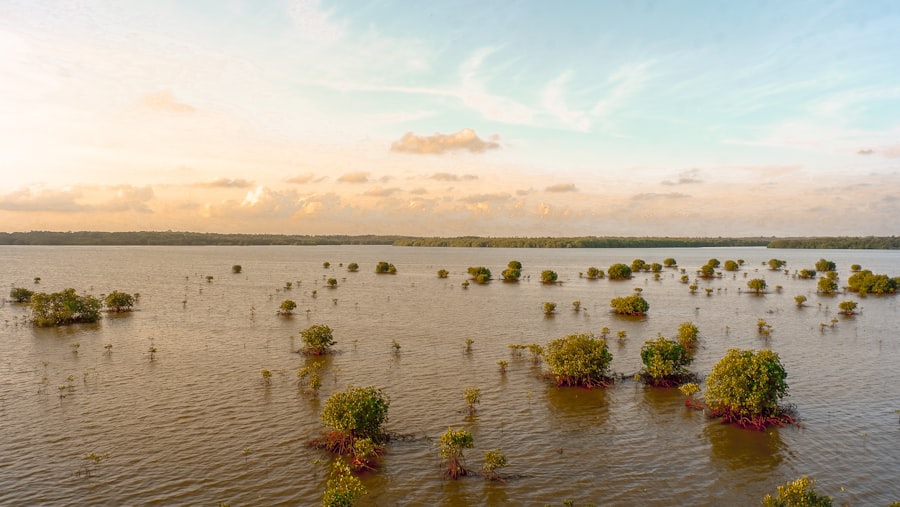
The immediate aftermath of the flood was one of unimaginable loss. The sheer speed and ferocity of the inundation left little time for escape, and many were caught unawares in their homes, workplaces, or on the flooded roads. The human toll was staggering, a stark reminder of the fragility of life in the face of nature’s wrath.
A Tragic Loss of Life: Over 1,800 Victims
The official death toll from the North Sea Flood of 1953 stands at 1,836 people. This figure, however, represents only those whose bodies were recovered and identified. It is widely believed that the true number of fatalities may have been higher, with many bodies carried away by the strong currents and never found. The majority of the victims were Dutch citizens, but there were also casualties among Belgian citizens in flooded border regions.
The loss was felt most acutely in the southwestern provinces, particularly Zeeland, which bore the brunt of the devastation. Entire villages were wiped off the map, their houses reduced to rubble or swept away by the churning waters. Families were torn apart, with parents losing children, and children losing parents. The trauma of losing loved ones in such a brutal and sudden manner left deep scars that would take generations to heal.
Widespread Destruction: Homes, Farms, and Infrastructure
Beyond the tragic loss of life, the flood caused widespread destruction of homes, farms, and essential infrastructure. An estimated 45,000 houses were damaged or destroyed, leaving hundreds of thousands of people homeless. The agricultural sector, the backbone of the affected regions, suffered immense losses. Vast tracts of fertile land were inundated with saltwater, rendering them unusable for years to come. Livestock perished, and vital farm buildings were destroyed.
The infrastructure of the region was also severely impacted. Roads were washed away, bridges collapsed, and vital communication lines were severed. This made initial rescue efforts incredibly challenging, as emergency services struggled to reach affected areas. The economic impact was devastating, with the cost of damage running into billions of Dutch guilders.
The Heroic Response: Rescue, Relief, and Resilience

In the face of such overwhelming devastation, the Dutch people, and indeed people from around the world, responded with remarkable courage, compassion, and resilience. The immediate hours and days after the flood saw an extraordinary effort to rescue survivors, provide relief, and begin the arduous task of recovery.
The Daring Rescue Efforts: From Boats to Helicopters
The rescue operations were a race against time, as survivors huddled on rooftops, church towers, and any elevated ground they could find. Local fishermen, their own homes often threatened, were among the first to mobilize, using their sturdy boats to navigate the treacherous floodwaters and pluck stranded individuals to safety. The Royal Dutch Navy and Air Force played a crucial role, deploying ships, landing craft, and increasingly, helicopters.
The use of helicopters for rescue operations was still relatively new at the time, and the pilots displayed immense bravery in flying through gale-force winds and navigating the chaotic flood zone. They were instrumental in reaching isolated communities and delivering essential supplies. Volunteers from across the country, and even from abroad, poured into the affected areas, offering their time, labor, and expertise. The Red Cross and other humanitarian organizations worked tirelessly to provide medical assistance, food, and shelter.
International Solidarity: Aid and Support
The scale of the disaster quickly captured international attention, and an outpouring of aid and support flowed into the Netherlands. Governments, organizations, and individuals from around the globe contributed financially, with donations pouring in from countries as far afield as the United States, Canada, and even former adversaries from World War II.
This international solidarity provided much-needed financial assistance for relief efforts and the long process of reconstruction. It also offered a vital sense of moral support to a nation grappling with an unprecedented tragedy. The willingness of others to help, to share in their sorrow and offer practical assistance, was a testament to the shared humanity that transcends national borders.
The devastating North Sea flood of 1953 remains a pivotal moment in Dutch history, highlighting the vulnerability of coastal regions to natural disasters. This catastrophic event not only led to significant loss of life and property but also prompted major advancements in flood defense systems across the Netherlands. For those interested in exploring the broader implications of this disaster and its impact on modern engineering practices, a related article can be found here.
The Legacy of the Flood: The Delta Works and a Renewed Sense of Security
| Location | Date | Deaths | Evacuees | Damage |
|---|---|---|---|---|
| Netherlands | January 31, 1953 | 1,836 | Approximately 70,000 | Severe damage to infrastructure and agriculture |
The devastating North Sea Flood of 1953 left an indelible mark on the Netherlands. It was a national trauma that galvanized the country and led to a fundamental reevaluation of its water defense strategies. The lessons learned from that fateful weekend would ultimately lead to one of the most ambitious engineering projects in human history.
The Birth of the Delta Works: A Monument to Resilience
In the immediate aftermath of the flood, the Dutch government launched an ambitious plan to fundamentally strengthen the country’s defenses against the sea. This plan, known as the Delta Works, was a series of massive engineering projects designed to protect the southwestern delta from future inundations. The core of the Delta Works involved the construction of a complex system of dams, storm surge barriers, and sluices.
The most iconic elements of the Delta Works are the storm surge barriers, such as the Maeslantkering and the Oosterscheldekering. These colossal structures can be closed during periods of high water levels and storm surges, effectively sealing off the estuaries from the open sea. The construction of the Delta Works was a monumental undertaking, spanning decades and involving enormous financial investment. It was a testament to the Dutch determination to not only survive but to thrive in a land perpetually at odds with the water.
A Shift in Water Management Philosophy
The 1953 flood ushered in a new era of water management in the Netherlands. The focus shifted from simply reinforcing existing dikes to a more comprehensive and proactive approach. The Delta Works represented a paradigm shift, moving away from a solely defensive strategy to one that incorporated advanced engineering and a deeper understanding of the forces of nature.
The disaster also led to a greater emphasis on research and development in hydrology, meteorology, and civil engineering. The Netherlands became a world leader in water management expertise, sharing its knowledge and innovations with other vulnerable nations. The flood served as a catalyst for a national consciousness regarding the ever-present threat of the sea, fostering a culture of vigilance and preparedness.
The Enduring Symbol of Dutch Ingenuity
The Delta Works stand today not only as a testament to the engineering prowess of the Netherlands but also as a powerful symbol of its resilience and its unwavering commitment to protecting its people and its land. While the scars of the 1953 flood remain in the collective memory, the country has transformed the trauma into a source of strength and innovation. The flood, though devastating, ultimately propelled the Netherlands to the forefront of global water management, ensuring a more secure future for generations to come. The memory of the 1,836 souls lost serves as a perpetual reminder of the power of nature and the importance of human ingenuity and collective action in the face of adversity.

The Dangerous Sea Europe Can’t Live Without
FAQs
What was the North Sea flood in the Netherlands in 1953?
The North Sea flood in the Netherlands in 1953 was a devastating natural disaster that occurred on the night of January 31st and February 1st, 1953. A combination of a high spring tide and a severe storm led to the breaching of several dikes, resulting in widespread flooding in the southwestern provinces of the Netherlands.
How many people were affected by the North Sea flood in the Netherlands in 1953?
The North Sea flood in the Netherlands in 1953 affected approximately 1,836 people who lost their lives, and tens of thousands were left homeless. The flood also caused extensive damage to infrastructure, agriculture, and the economy of the affected regions.
What were the immediate and long-term impacts of the North Sea flood in the Netherlands in 1953?
The immediate impact of the North Sea flood in the Netherlands in 1953 was the loss of lives, destruction of homes, and damage to infrastructure. The long-term impacts included the implementation of the Delta Works, a series of construction projects aimed at protecting the Netherlands from future flooding, and the development of improved flood defense systems and emergency response plans.
What measures were taken to prevent future flooding in the Netherlands after the 1953 disaster?
After the 1953 North Sea flood, the Dutch government initiated the Delta Works project, which involved the construction of dams, sluices, locks, dikes, and storm surge barriers to protect the low-lying areas of the Netherlands from flooding. These measures have significantly reduced the risk of future catastrophic flooding in the country.
How did the North Sea flood in the Netherlands in 1953 impact international efforts to address flood risks?
The North Sea flood in the Netherlands in 1953 prompted increased international cooperation and knowledge sharing on flood risk management. The disaster served as a catalyst for the development of innovative flood defense technologies and strategies, which have been adopted by other countries facing similar challenges.