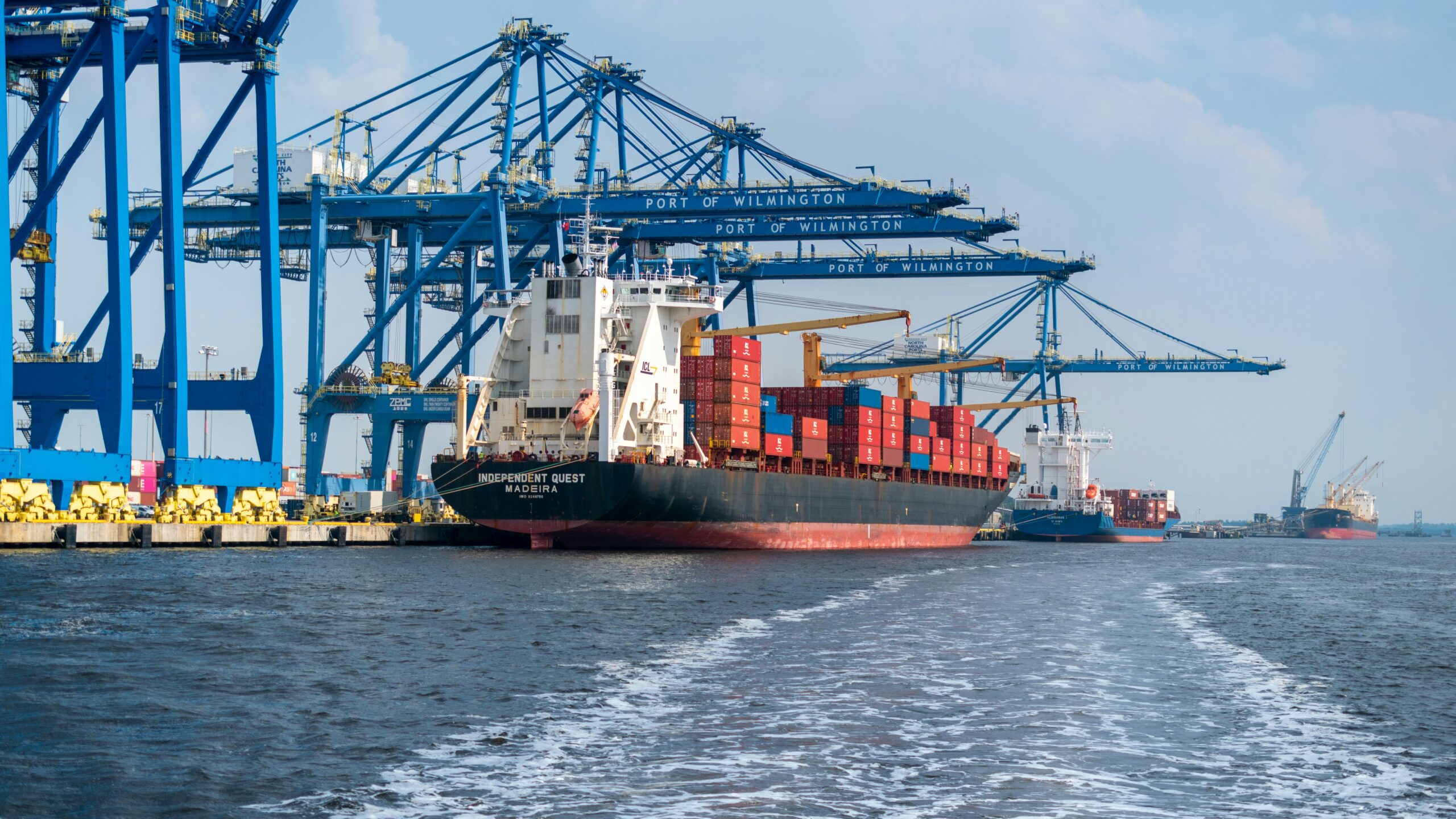
Navigating the North Sea presents a complex tapestry of vital shipping routes interwoven with a formidable array of environmental, logistical, and geopolitical challenges. For centuries, this turbulent body of water has served as a crucial artery for trade, connecting northern Europe with the rest of the world. Its strategic importance remains undiminished in the modern era, facilitating the movement of goods, energy resources, and people. However, the very factors that make it so vital also contribute to the inherent difficulties of traversing its waters. Understanding these intricacies is paramount for ensuring the continued efficiency and safety of maritime operations.
The North Sea is a highly trafficked maritime environment, characterized by a dense network of routes that serve diverse economic purposes. These routes are not static, but rather dynamic pathways shaped by historical precedent, prevailing weather patterns, and the ever-evolving demands of global commerce. Their management and optimization are crucial for minimizing transit times, reducing fuel consumption, and enhancing overall navigational safety.
The Dover Strait: A Global Chokepoint
Perhaps the most globally significant and intensely utilized waterway within the North Sea is the Dover Strait, also known as the Pas de Calais. This narrow passage, separating England from France, is one of the busiest shipping lanes in the world. It acts as a critical junction where vessels traveling between the North Atlantic and the Baltic Sea, or between the North Sea and the English Channel, must pass. The sheer volume of traffic necessitates stringent regulations and advanced traffic management systems to prevent collisions.
Traffic Density and Vessel Types
The Dover Strait sees an astonishing number of vessels passing through daily, including massive container ships, oil tankers, bulk carriers, passenger ferries, and a myriad of smaller craft. This heterogeneous mix of vessel types, each with different speeds and maneuverability, adds a layer of complexity to its navigation. The constant ebb and flow of traffic, influenced by tides and weather, demands continuous vigilance from all mariners.
International Regulations and Vessel Traffic Services (VTS)
Given its critical nature, the Dover Strait is subject to strict international regulations, including the International Regulations for Preventing Collisions at Sea (COLREGs). To further enhance safety, a sophisticated Vessel Traffic Services (VTS) system is in place. This system utilizes radar, AIS (Automatic Identification System), and communication channels to monitor and manage vessel movements, providing guidance and warnings to ships to prevent potential incidents.
The Skagerrak and Kattegat: Gateway to the Baltic
Connecting the North Sea to the Baltic Sea are the Skagerrak and Kattegat straits. The Skagerrak is the wider passage, while the Kattegat is the narrower, more complex channel leading into the Baltic. These straits are essential for trade between Scandinavia, the Baltic states, and the rest of Europe, carrying significant volumes of oil, gas, timber, and manufactured goods.
Navigational Hazards in the Skagerrak and Kattegat
These waterways are characterized by their complex hydrography, with numerous islands, skerries, and shallow areas. Strong currents and unpredictable winds further exacerbate these navigational challenges. Historically, these straits have been known for shipwrecks, underscoring the need for precise navigation and adherence to charted depths.
Importance for Scandinavian and Baltic Trade
The economic vitality of Denmark, Norway, Sweden, and the Baltic nations is intrinsically linked to the efficient functioning of these routes. They serve as the primary maritime gateways for these regions, facilitating both imports and exports. Any disruption to these straits can have significant economic repercussions for the entire Baltic Sea area.
Coastal Routes and Offshore Access
Beyond the main transit lanes, the North Sea is crisscrossed by numerous coastal routes, facilitating trade between ports along its shores, and providing access to offshore installations. These routes are vital for regional economies and the supply chains of industries dependent on North Sea resources.
The Dutch and Belgian Coastlines: Hubs of Activity
The Dutch and Belgian coastlines, home to major ports like Rotterdam and Antwerp, are exceptionally busy. These ports are among the largest in Europe, serving as crucial transshipment hubs for goods entering and leaving the continent. The sheer volume of short-sea shipping and feeder services operating along these coasts adds another layer of complexity to the North Sea’s maritime traffic.
Access to Offshore Energy Platforms
The North Sea is a major producer of oil and gas, with a vast network of offshore platforms. Dedicated shipping routes exist to service these platforms, transporting personnel, equipment, and supplies. These routes often operate in challenging conditions, requiring specialized vessels and experienced crews.
The North Sea shipping routes play a crucial role in global trade, connecting various ports and facilitating the movement of goods across Europe and beyond. For a deeper understanding of the geopolitical and economic implications of these routes, you can explore a related article that discusses the strategic importance of maritime navigation in the region. For more insights, visit this article.
Weathering the Storm: Environmental and Meteorological Challenges
The North Sea is notorious for its tempestuous weather, presenting a constant and significant challenge to maritime operations. Its geographical location, exposed to weather systems from the Atlantic, means that mariners must contend with frequent gales, heavy seas, and poor visibility, often with little warning.
The Fury of the Atlantic: Storm Systems and Their Impact
Atlantic storm systems frequently sweep across the North Sea, bringing with them powerful winds and towering waves. These conditions can transform relatively calm waters into a violent maelstrom, posing a severe threat to even the largest vessels. The force of the waves can cause significant stress on ship structures, leading to potential damage and the risk of capsizing for smaller craft.
Wind and Wave Conditions
Prevailing westerly winds often generate rough seas. During storms, wind speeds can exceed gale force, creating wave heights that can be treacherous. The fetch, the distance over which the wind blows without obstruction, can be considerable in the North Sea, allowing for the development of large and powerful waves.
Fog and Reduced Visibility
The North Sea is also prone to fog, particularly during the warmer months. This, combined with heavy rainfall, can drastically reduce visibility, making collision avoidance a paramount concern. Navigational aids and advanced radar systems become indispensable tools in such conditions.
Icing and Freezing Conditions in Winter
While not as consistently severe as some Arctic or sub-Arctic waters, the North Sea can experience freezing conditions during harsh winters. Coastal areas and shallower waters can freeze over, posing a significant impediment to navigation. Ice buildup on vessels can also affect stability and maneuverability.
Impact on Smaller Vessels and Coastal Traffic
Smaller vessels and those operating in shallower coastal waters are particularly vulnerable to icing. Ice accumulation on decks, superstructures, and rigging can significantly increase a vessel’s weight and alter its center of gravity, increasing the risk of capsizing. Icebreakers may be required in some areas to maintain navigability.
Management of Ice in Port Approaches and Canals
Port authorities and canal operators must implement strategies for managing ice, including icebreaker support and the use of specialized ice-resistant hull designs for vessels operating in affected areas. The closure of ports or canals due to ice can have cascading effects on supply chains.
Tidal Streams and Currents: The Unseen Forces
The North Sea is subject to powerful tidal streams and currents, driven by the gravitational pull of the moon and sun. These unseen forces can significantly influence a vessel’s speed and course, requiring constant adjustment by navigators.
Strong Tidal Races in Constricted Areas
In constricted areas like the Dover Strait and the entrances to estuaries, tidal streams can become exceptionally strong, creating hazardous tidal races. These can exert considerable force on vessels, particularly larger ships with deep drafts, potentially pushing them off course or even aground.
Navigational Adjustments for Tides
Mariners must meticulously plan their passages to account for tidal streams. This involves calculating the expected drift caused by the tide and making appropriate helm and engine adjustments to maintain the desired course and speed. The timing of passage through certain areas, often dictated by slack tide, is crucial.
The Perils of the Depths: Navigational Hazards and Infrastructure

Beneath the surface of the North Sea lie a multitude of natural and man-made hazards that pose significant risks to shipping. The seabed is a complex topography, dotted with shoals, reefs, and submerged wrecks, while human activity has introduced a growing array of underwater infrastructure.
Submerged Obstacles: Shoals, Reefs, and Wrecks
The North Sea’s seabed is characterized by areas of shallow water, known as shoals, and submerged rocky outcrops, or reefs. These natural features can cause grounding if a vessel strays into dangerously shallow depths. Historically, the North Sea has also been the site of numerous shipwrecks, many of which remain submerged, posing a constant threat to modern shipping.
Importance of Accurate Charting and Soundings
Accurate and up-to-date nautical charts are indispensable for safe navigation. These charts depict depths, shoals, reefs, and known wrecks. Regular surveys and updates are crucial to ensure their accuracy, as the seabed can change over time due to erosion and sedimentation.
Collision with Underwater Debris
Submerged wrecks, even those charted, can pose a risk, particularly for vessels with deep drafts. The shifting of debris from wrecks can also create localized hazards. Vessels are advised to give known wreck sites a wide berth.
Offshore Infrastructure: Pipelines and Cables
The extensive oil and gas industry in the North Sea has resulted in a vast network of underwater pipelines and communication cables. While vital for energy and communication, these can also represent navigational hazards.
Protection Zones and Exclusion Areas
To protect this critical infrastructure, designated protection zones and exclusion areas are often established around pipelines and cables. Vessels are warned to avoid anchoring or conducting other activities within these zones to prevent damage.
Risk of Damage and Environmental Impact
Damage to pipelines can lead to significant oil spills, with devastating environmental consequences for the North Sea ecosystem. Similarly, damage to communication cables can disrupt vital internet and telecommunications services. Mariners must be aware of and respect these protected areas.
Unexploded Ordnance (UXO): A Legacy of Conflict
The North Sea was a theatre of significant naval activity during both World Wars, and the seabed bears the scars of this history. Large quantities of unexploded ordnance (UXO), including mines and bombs, remain scattered across the seabed.
Discovery and Management of UXO
The discovery of UXO during dredging, cable-laying, or other seabed disturbance activities is a serious concern. Specialized EOD (Explosive Ordnance Disposal) units are often called in to safely neutralize or remove these dangerous remnants of past conflicts.
Impact on Seabed Development and Dredging Operations
The presence of UXO can significantly complicate and delay any seabed development projects, including offshore wind farm construction and dredging operations. Detailed surveys are required to identify and mitigate the risks associated with UXO.
The Human Element: Crew Competence and Safety Management
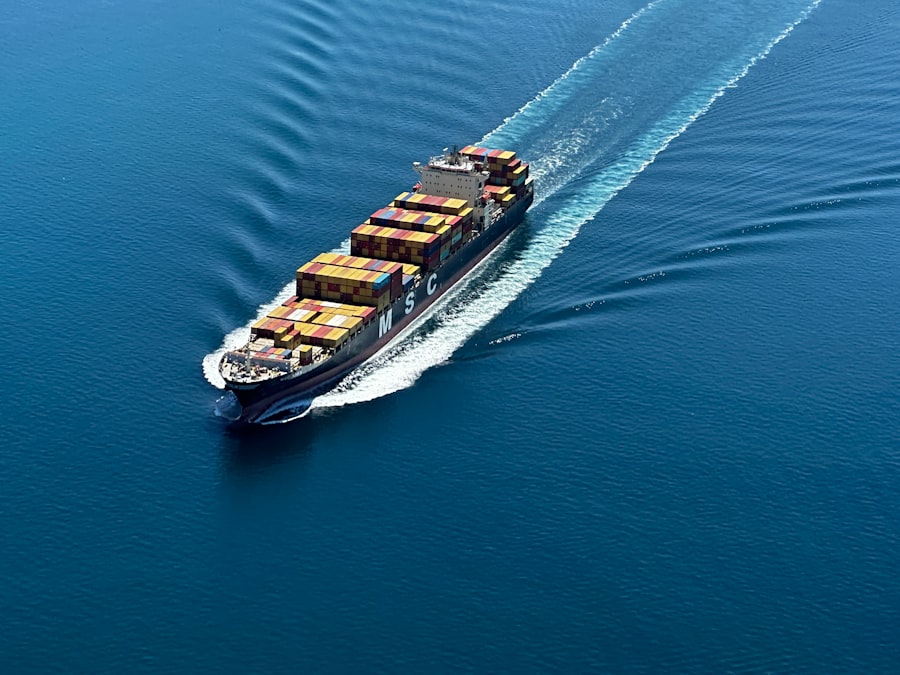
While technology and infrastructure play a vital role in North Sea navigation, the human element remains paramount. The competence of the crew, coupled with robust safety management systems, is crucial for mitigating risks and ensuring safe passage.
Crew Training and Competence
The demanding conditions of the North Sea necessitate highly skilled and experienced mariners. Comprehensive training in navigation, seamanship, emergency procedures, and the use of advanced navigation and communication equipment is essential.
The Importance of Experienced Navigators
Experienced navigators, with an intimate understanding of the North Sea’s complexities, are invaluable. Their ability to anticipate weather changes, read the sea, and make sound judgments under pressure is a critical asset.
Specialized Training for Offshore Operations
Crews involved in servicing offshore platforms require specialized training in areas such as helicopter operations, dangerous cargo handling, and survival at sea in harsh environments.
Safety Management Systems (SMS)
Effective Safety Management Systems (SMS) are mandated by international regulations and are crucial for establishing a safety-conscious culture onboard. These systems provide a framework for identifying, assessing, and controlling risks.
Risk Assessment and Mitigation Strategies
SMS involves a continuous process of risk assessment, identifying potential hazards and developing strategies to mitigate them. This includes developing detailed voyage plans, conducting pre-departure safety checks, and ensuring all crew members are aware of potential dangers.
Emergency Preparedness and Response
A critical component of SMS is ensuring preparedness for emergencies. This includes regular drills for fire, man overboard, and abandon ship scenarios, as well as ensuring that all safety equipment is properly maintained and readily accessible.
Fatigue and Human Error
Fatigue is a significant concern for seafarers operating in challenging environments. Long working hours and the demanding nature of North Sea operations can lead to reduced alertness and an increased risk of human error.
Work Hour Regulations and Fatigue Management
International maritime organizations have established regulations concerning working hours for seafarers to combat fatigue. Shipowners and operators are responsible for implementing effective fatigue management strategies, including adequate rest periods and scheduling.
The Role of Technology in Reducing Human Error
While human error remains a factor, advancements in navigation and automation technology can help reduce its likelihood. However, it is crucial to remember that technology is a tool to assist, not replace, skilled human judgment.
The North Sea shipping routes play a crucial role in global trade, facilitating the movement of goods between Europe and beyond. For those interested in exploring the intricacies of these maritime pathways, a related article offers valuable insights into the economic impact and environmental considerations of shipping in this region. You can read more about it in this informative piece on maritime logistics. Understanding these factors is essential for anyone looking to grasp the complexities of international shipping operations.
Geopolitical and Regulatory Landscapes
| Shipping Route | Distance (nautical miles) | Average Transit Time (days) |
|---|---|---|
| Rotterdam to Aberdeen | 550 | 2 |
| Hamburg to Esbjerg | 180 | 1 |
| Antwerp to Felixstowe | 200 | 1 |
The North Sea is not only a vital economic waterway but also a region with complex geopolitical considerations and a robust regulatory framework. International cooperation and adherence to regulations are essential for maintaining its efficient and safe operation.
International Cooperation and Agreements
Given the shared nature of the North Sea, international cooperation is vital for managing its resources and ensuring safe navigation. Numerous international agreements and conventions govern maritime activities in the region.
The Role of the International Maritime Organization (IMO)
The International Maritime Organization (IMO) plays a crucial role in developing and enforcing international maritime law. Conventions like SOLAS (Safety of Life at Sea) and MARPOL (International Convention for the Prevention of Pollution from Ships) are critical for ensuring safety and environmental protection in the North Sea.
Regional Cooperation Between North Sea Nations
Beyond global conventions, regional cooperation between the North Sea nations (e.g., the UK, Norway, Denmark, Germany, the Netherlands, Belgium, France) is essential for addressing specific regional challenges, such as pollution control, search and rescue operations, and the management of fishing rights.
Environmental Regulations and Pollution Control
The North Sea, despite its economic importance, is a fragile ecosystem. Stringent environmental regulations are in place to prevent and mitigate pollution from shipping activities.
Ballast Water Management and Emission Controls
Regulations such as MARPOL Annex IV (Ballast Water Management) and Annex VI (Prevention of Air Pollution from Ships) are critical for protecting the North Sea’s marine environment. Ships are required to manage their ballast water to prevent the introduction of invasive species and to control emissions of sulfur oxides and nitrogen oxides.
Oil Spill Preparedness and Response
The risk of oil spills from tankers or offshore installations is a significant concern. Extensive preparedness and response plans are in place, involving national and international agencies, to deal with such incidents and minimize their environmental impact.
Security Concerns and Piracy
While the North Sea is not typically associated with the high levels of piracy seen in some other maritime regions, security remains a concern. The presence of critical infrastructure, such as offshore energy platforms and underwater cables, makes the region a potential target for sabotage or terrorist attacks.
Surveillance and Patrols
Naval forces and coastguards of the surrounding nations conduct regular surveillance and patrols of the North Sea to monitor maritime traffic, deter illegal activities, and respond to security incidents.
Protection of Offshore Installations
Specific security measures are in place to protect offshore oil and gas platforms, as well as the growing number of offshore wind farms, from potential threats.
In conclusion, navigating the North Sea is an undertaking fraught with challenges, from the unpredictable fury of its weather to the hidden perils of its depths and the complex web of regulations that govern its use. The vital shipping routes that traverse its waters are indispensable for global commerce and European economies. The ongoing efforts to enhance safety, protect the environment, and ensure the efficient flow of goods underscore the enduring significance of this crucial maritime artery. Continuous vigilance, technological advancement, and robust international cooperation are essential to ensure the North Sea remains a safe and navigable highway for generations to come.

The Dangerous Sea Europe Can’t Live Without
FAQs
What are the main shipping routes in the North Sea?
The main shipping routes in the North Sea include the routes connecting the ports of Rotterdam, Antwerp, Hamburg, and the UK. These routes are crucial for the transportation of goods such as oil, gas, and other commodities.
What are the challenges of shipping in the North Sea?
Shipping in the North Sea presents challenges such as strong winds, heavy fog, and rough seas. Additionally, the high volume of traffic in the area can lead to congestion and potential safety hazards for vessels.
How is shipping regulated in the North Sea?
Shipping in the North Sea is regulated by various international and regional organizations, including the International Maritime Organization (IMO) and the North Sea Commission. These organizations work to establish and enforce regulations related to safety, environmental protection, and navigational standards.
What are the environmental concerns related to shipping in the North Sea?
Environmental concerns related to shipping in the North Sea include the risk of oil spills, air and water pollution from vessel emissions, and the impact of shipping noise on marine life. Efforts are being made to address these concerns through regulations and initiatives aimed at reducing the environmental footprint of shipping activities.
How does shipping in the North Sea contribute to the economy?
Shipping in the North Sea plays a significant role in the regional and global economy by facilitating the transportation of goods, supporting trade, and connecting major ports in Europe. The shipping industry also provides employment opportunities and contributes to the economic growth of the countries bordering the North Sea.