The North Sea, a body of water often characterized by its tempestuous moods and dramatic coastlines, has for centuries been a vital artery of commerce and connection. More than just a geographical feature, it represents a complex tapestry of trade routes, historical significance, and burgeoning opportunities. Navigating these waters, both literally and figuratively, has been the bedrock of regional prosperity, shaping economies, fostering innovation, and influencing the geopolitical landscape. This article delves into the intricate world of North Sea trade, exploring its historical evolution, its modern-day significance, and the exciting prospects it holds for the future.
The North Sea’s strategic location, nestled between the British Isles and continental Europe, has always been a natural magnet for trade. From its earliest days, human ingenuity recognized the potential of this waterway to connect disparate communities and facilitate the exchange of goods and ideas.
Early Maritime Networks
Long before the advent of modern shipping, the North Sea was plied by rudimentary vessels. Archaeological evidence suggests early Viking longships, Roman galleys, and later, Hanseatic cog ships, all played crucial roles in establishing and maintaining trade networks. These early mariners, driven by necessity and ambition, charted courses across these often challenging seas, connecting fishing communities, agricultural centers, and emerging urban settlements. The exchange of raw materials, foodstuffs, and crafted goods laid the foundation for the economic development of the surrounding regions. The rise of powerful trading leagues, such as the Hanseatic League, exemplifies the collaborative efforts and sheer volume of trade that characterized this era. Their dominance highlights the North Sea’s capacity to act as a conduit for extensive intercontinental commerce.
The Age of Sail and Exploration
With the Age of Discovery and the subsequent rise of mercantilism, the North Sea’s importance only intensified. European powers, vying for global influence and wealth, utilized the North Sea as a gateway to the wider world. Its ports became bustling hubs for the export of manufactured goods and the import of colonial commodities. This period saw significant advancements in shipbuilding and navigation, enabling longer and more ambitious voyages. The strategic value of North Sea ports, such as London, Amsterdam, and Hamburg, grew exponentially, solidifying their positions as global economic powerhouses. The intricate web of shipping lanes within the North Sea itself facilitated the transit of goods to and from these major centers.
The Industrial Revolution and the Rise of Steam
The Industrial Revolution brought about a paradigm shift in maritime transport. The introduction of steam power revolutionized shipping, making it faster, more reliable, and capable of carrying larger cargoes. The North Sea, with its relatively sheltered waters and established infrastructure, became an even more efficient conduit for the burgeoning industrial economies of Britain and mainland Europe. The demand for raw materials, such as coal and iron ore, and the need to distribute manufactured goods across the continent, fueled a dramatic increase in North Sea shipping traffic. This era also witnessed the development of larger, more specialized vessels, further enhancing the capacity and efficiency of trade.
The North Sea trade routes have played a crucial role in shaping the economic landscape of Northern Europe, facilitating the exchange of goods and culture for centuries. For a deeper understanding of the historical significance and current developments in these maritime pathways, you can explore a related article that delves into the intricacies of these routes and their impact on regional trade dynamics. Check it out here: My GeoQuest.
The Modern North Sea: A Hub of Global Commerce
Today, the North Sea remains a cornerstone of global trade, a vibrant and dynamic waterway teeming with activity. Its strategic importance is undiminished, supporting vast volumes of goods, energy resources, and the movement of people.
Key Trade Routes and Commodities
The North Sea is crisscrossed by some of the busiest shipping lanes in the world. These routes facilitate the movement of an incredibly diverse range of commodities.
Container Shipping Dominance
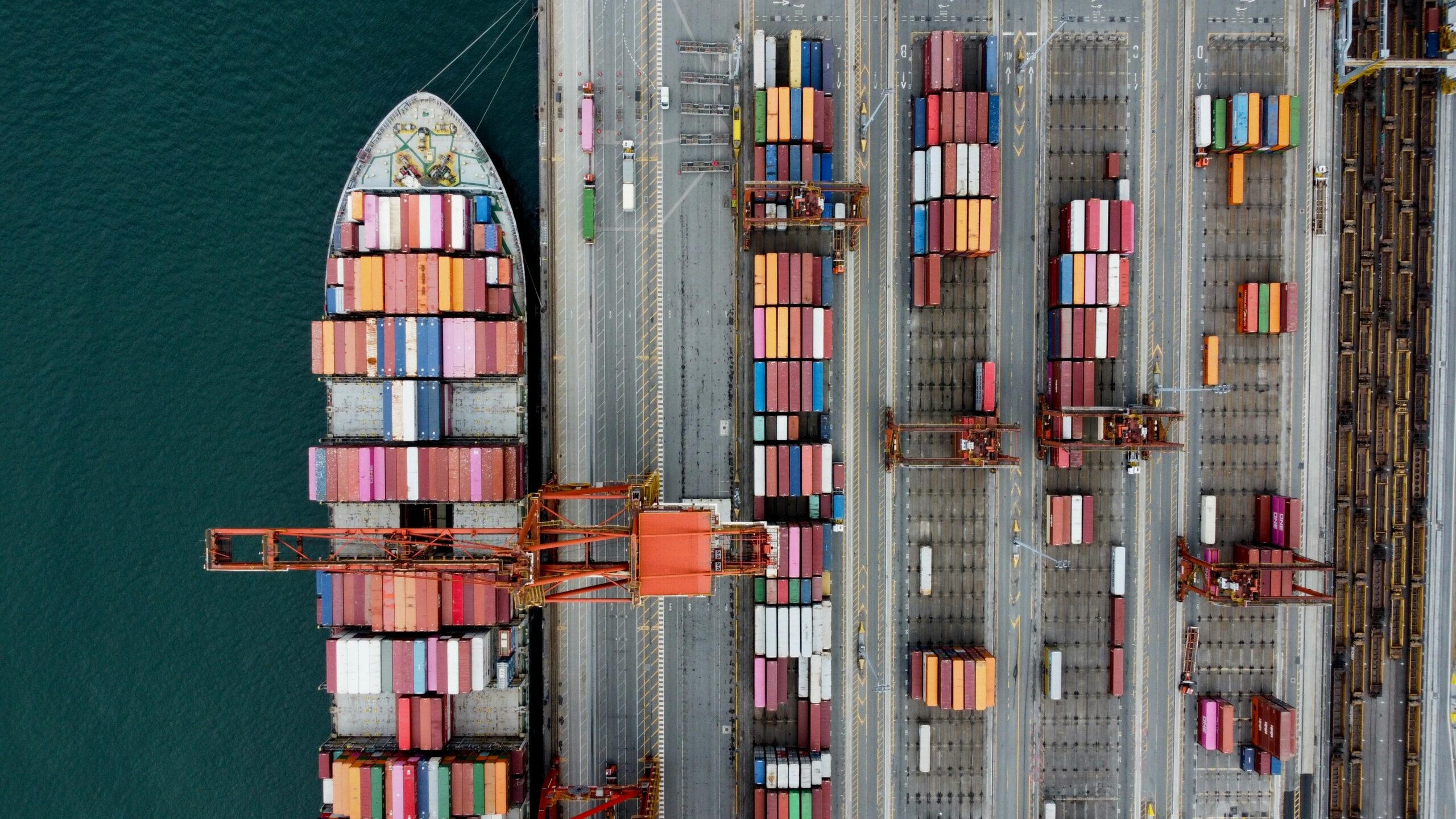
Containerized shipping has become the backbone of modern North Sea trade. Major ports like Rotterdam, Antwerp, Hamburg, and Felixstowe handle millions of containers annually, transporting everything from consumer electronics and textiles to machinery and raw materials. The efficiency of containerization has dramatically reduced shipping times and costs, making global supply chains more interconnected than ever before. The development of sophisticated port infrastructure, including specialized terminals and intermodal connections, is crucial to managing this immense volume of containerized cargo.
Energy Superhighway
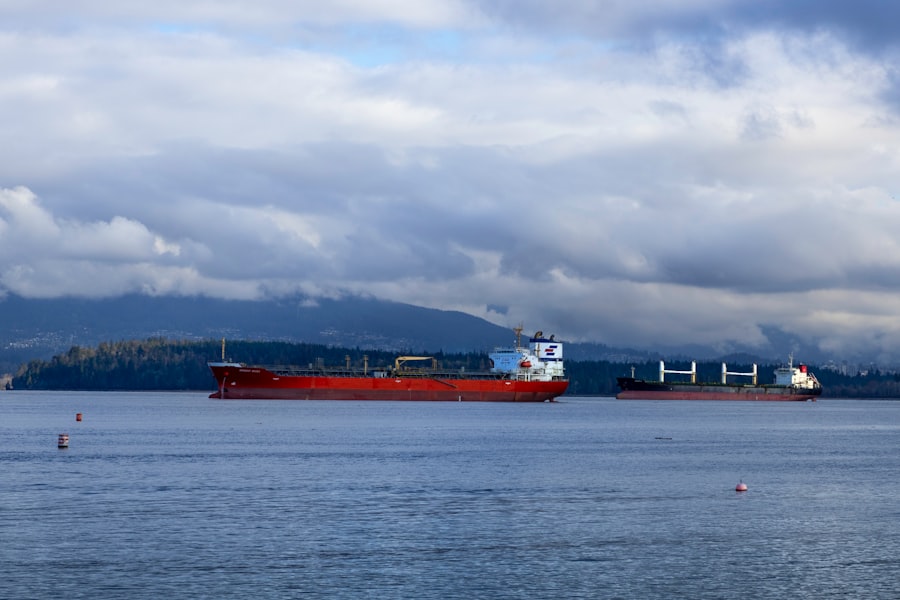
The North Sea is a critical source of oil and gas for Europe. The offshore extraction and transportation of these vital energy resources represent a significant component of North Sea trade. Pipelines crisscross the seabed, and specialized tankers navigate the waters, ensuring a steady supply to refineries and power plants across the continent. The ongoing development of renewable energy sources, particularly offshore wind farms, is adding another dimension to the energy-related commerce of the region. This transition signifies a move towards a more sustainable energy future, with new opportunities in manufacturing, installation, and maintenance.
Bulk Cargo and Other Goods
Beyond containers and energy, the North Sea also facilitates the trade of bulk commodities such as grain, timber, and minerals. Specialized vessels are employed to transport these goods efficiently, underscoring the versatility of North Sea shipping. Furthermore, the movement of manufactured goods, vehicles, and agricultural products continues to contribute to the overall trade volume. The interconnectedness of these various cargo types highlights the North Sea’s role as a multi-faceted logistical hub.
The Role of Major North Sea Ports
The success of North Sea trade is intrinsically linked to the capabilities of its world-class ports. These maritime gateways are not merely docking facilities but complex logistical ecosystems that drive economic activity.
Rotterdam: Europe’s Largest Port
The Port of Rotterdam stands as a titan of European commerce. Its vast infrastructure, strategic location at the mouth of the Rhine River, and unparalleled connectivity to the European hinterland make it a pivotal node in global supply chains. From bulk cargo to containerized goods, Rotterdam handles an astonishing volume of trade, serving as a gateway for goods entering and leaving the European Union. Its continuous investment in digitalization and automation further enhances its efficiency and competitiveness.
Antwerp: A Gateway to the Continent
The Port of Antwerp, another major player, boasts a rich history and a sophisticated operational network. Its strategic positioning allows for excellent access to Belgium, France, Germany, and the Netherlands, making it a crucial transit point for a wide array of goods. Antwerp’s commitment to sustainability and innovation is also a driving force behind its continued success. The port’s deep-water facilities and extensive hinterland connections ensure its relevance in the evolving landscape of global trade.
Hamburg: Germany’s Maritime Heart
The Port of Hamburg, Germany’s largest port, serves as a vital gateway for trade between Germany and the rest of the world. Its extensive network of rail and road connections ensures efficient distribution of goods throughout Central Europe. Hamburg’s focus on specialized cargo handling, including perishables and project cargo, further diversifies its trade profile. The port’s historical significance and its ongoing modernization efforts solidify its position as a key player.
Other Significant Ports
Beyond these giants, numerous other ports dot the North Sea coastline, each playing a vital role in regional and international trade. Ports like Felixstowe in the UK, Le Havre in France, and Oslo in Norway contribute significantly to the overall trade flow, specializing in different types of cargo and serving specific markets. The collective strength of these diverse ports creates a robust and resilient trading network.
Emerging Opportunities in the North Sea

The North Sea is not merely a conduit for existing trade; it is a dynamic environment ripe with new opportunities, particularly in the realm of renewable energy and technological innovation.
The Offshore Wind Revolution
The vast expanse of the North Sea is ideally suited for offshore wind energy generation. As the world transitions to cleaner energy sources, the North Sea has emerged as a leading region for the development of colossal offshore wind farms. This burgeoning industry presents immense opportunities in manufacturing, installation, maintenance, and the development of specialized maritime services.
Manufacturing and Supply Chain Development
The construction of offshore wind turbines requires a massive industrial undertaking. This translates into significant opportunities for manufacturing companies specializing in turbine components, foundations, and subsea infrastructure. The development of robust and localized supply chains is crucial for the efficient and cost-effective deployment of these projects. This fosters economic growth and job creation within the coastal communities.
Installation and Maintenance Services
The installation and ongoing maintenance of offshore wind farms are complex logistical challenges that demand specialized vessels and highly skilled personnel. This has led to the growth of a new maritime sector focused on providing these essential services, from heavy-lift vessels to remotely operated vehicles (ROVs) for subsea inspections. The demand for these services is expected to continue to rise as more wind farms are commissioned.
Grid Connection and Energy Storage
Connecting offshore wind farms to national grids and exploring innovative energy storage solutions are further areas of significant opportunity. The development of high-voltage subsea cables and the integration of smart grid technologies are critical for maximizing the potential of renewable energy. Research and development in battery storage and other energy storage solutions will also be vital.
Digitalization and Smart Shipping
The integration of digital technologies is transforming maritime operations in the North Sea. From advanced navigation systems and real-time tracking to autonomous vessels and predictive maintenance, digitalization is enhancing efficiency, safety, and sustainability.
Autonomous Vessels and Unmanned Operations
The development of autonomous vessels holds the promise of revolutionizing shipping in the North Sea. While still in its nascent stages, the potential for reduced crew costs, enhanced safety in hazardous conditions, and increased operational efficiency is significant. Piloting projects and regulatory frameworks are actively being developed.
Data Analytics and Predictive Maintenance
The vast amounts of data generated by modern shipping operations can be harnessed through advanced analytics. Predictive maintenance, for instance, allows for the identification of potential equipment failures before they occur, minimizing downtime and reducing maintenance costs. This data-driven approach is becoming increasingly important for optimizing shipping operations.
Green Technology and Sustainable Shipping
The North Sea is at the forefront of implementing green technologies to reduce the environmental impact of shipping. This includes the development and adoption of alternative fuels like ammonia and methanol, as well as advancements in hull design and propulsion systems to improve fuel efficiency.
Challenges and Considerations for North Sea Trade
Despite its immense potential, navigating the North Sea is not without its challenges. Understanding and mitigating these obstacles is crucial for ensuring continued prosperity.
Environmental Concerns and Sustainability
The North Sea, while a vital economic engine, is also a fragile ecosystem. The environmental impact of shipping, including emissions, waste disposal, and the risk of oil spills, demands careful management and stringent regulations.
Emission Reduction Targets
The maritime industry faces increasing pressure to reduce its carbon footprint. The North Sea is a testing ground for innovative solutions to meet ambitious emission reduction targets, including the adoption of cleaner fuels and more efficient vessels. International agreements and national policies play a crucial role in driving this transition.
Marine Pollution and Conservation
Preventing marine pollution from shipping operations and protecting the rich biodiversity of the North Sea are paramount. Strict regulations on waste management, ballast water treatment, and the responsible handling of hazardous materials are essential. Conservation efforts aim to protect marine life and habitats from the impacts of increased maritime activity.
Geopolitical Influences and Security
The North Sea’s strategic location makes it a region of considerable geopolitical interest. Maintaining stability and ensuring the security of trade routes are ongoing concerns.
Cross-Border Cooperation and Regulation
Effective trade in the North Sea relies on close cooperation between the bordering nations. Harmonizing regulations, sharing intelligence, and collaborating on issues of maritime security are vital for maintaining smooth operations and addressing common challenges.
Maritime Security and Piracy Mitigation
While not as prevalent as in some other global regions, the threat of maritime crime and piracy requires ongoing vigilance. International efforts to patrol and secure shipping lanes, coupled with robust onboard security measures, are essential for protecting vessels and their crews. The presence of naval forces and coast guard agencies plays a significant role in ensuring maritime security.
Infrastructure and Technological Advancement
While the North Sea boasts impressive infrastructure, continuous investment and adaptation are necessary to keep pace with evolving trade demands and technological advancements.
Port Modernization and Expansion
Ports require ongoing investment to expand capacity, upgrade facilities, and integrate new technologies to handle increasing cargo volumes and specialized vessels. This includes investing in automated handling systems, digital logistics platforms, and intermodal transport connections.
Investment in Research and Development
Fostering innovation in maritime technologies, from sustainable fuels and propulsion systems to advanced navigation and communication systems, is crucial for the long-term competitiveness of North Sea trade. This requires sustained investment in research and development by both public and private entities.
The North Sea trade routes have played a crucial role in shaping the economic landscape of Northern Europe, facilitating the exchange of goods and resources for centuries. For those interested in exploring the historical significance and contemporary implications of these maritime pathways, a related article can provide valuable insights. You can read more about this fascinating topic in the article on trade routes found here. Understanding the evolution of these routes helps to appreciate their impact on regional trade dynamics and cultural exchanges.
The Future of North Sea Trade: A Horizon of Innovation and Integration
| Port | Volume of Trade (in tons) | Top Imports | Top Exports |
|---|---|---|---|
| Rotterdam, Netherlands | 469 million | Crude petroleum, Refined petroleum, Cars | Refined petroleum, Crude petroleum, Petroleum gas |
| Hamburg, Germany | 138 million | Crude petroleum, Refined petroleum, Cars | Cars, Refined petroleum, Vehicle parts |
| Antwerp, Belgium | 214 million | Crude petroleum, Refined petroleum, Cars | Refined petroleum, Cars, Diamonds |
The future of North Sea trade is one of continued evolution, driven by technological innovation, a commitment to sustainability, and an ever-deepening integration of regional economies.
The Rise of the Blue Economy
The concept of the “Blue Economy” – sustainable use of ocean resources for economic growth, improved livelihoods, and jobs while preserving the health of ocean ecosystems – is increasingly relevant to the North Sea. This encompasses a wide range of activities, from sustainable fisheries and aquaculture to marine biotechnology and ecotourism, all of which are facilitated by efficient maritime transport.
Enhanced Connectivity and Multimodality
The future will see an even greater emphasis on seamless connectivity between different modes of transport. Integrated logistics platforms and sophisticated intermodal networks will optimize the flow of goods, reducing transit times and costs. This will involve further investment in rail and road infrastructure connecting to ports, as well as the development of inland waterway systems.
A Leading Role in Green Shipping
The North Sea is poised to remain a leader in the adoption of green shipping technologies and practices. As regulations tighten and environmental awareness grows, the region will likely pioneer the widespread use of alternative fuels, zero-emission vessels, and other sustainable maritime solutions. This could establish the North Sea as a benchmark for environmentally responsible shipping globally.
Fortifying Regional Collaboration
The challenges and opportunities facing North Sea trade necessitate continued and strengthened regional collaboration. Joint initiatives in research and development, harmonized regulations, and shared infrastructure projects will be crucial for unlocking the full potential of this vital maritime corridor. This collaborative spirit will ensure the resilience and adaptability of North Sea trade in the face of global changes.
In conclusion, the North Sea is far more than a mere expanse of water; it is a dynamic and vital nexus of global commerce, historical significance, and future potential. From its ancient roots as a conduit for early trade to its modern-day role as a critical energy superhighway and a burgeoning hub for renewable energy, the North Sea continues to shape economies and connect continents. Navigating its waters, both literally and figuratively, demands a forward-looking approach, embracing innovation, prioritizing sustainability, and fostering strong regional collaboration. The opportunities that lie within its currents are as vast and as promising as the sea itself.

The Dangerous Sea Europe Can’t Live Without
FAQs
What are the main trade routes in the North Sea?
The main trade routes in the North Sea include those connecting the ports of Rotterdam, Hamburg, Antwerp, and the UK. These routes are crucial for the transportation of goods such as oil, gas, and various other commodities.
How important are the North Sea trade routes for European trade?
The North Sea trade routes are of significant importance for European trade, as they facilitate the movement of goods between major European ports. These routes play a crucial role in the transportation of goods to and from Europe, contributing to the region’s economy.
What are the challenges faced by ships navigating the North Sea trade routes?
Ships navigating the North Sea trade routes face challenges such as rough weather conditions, strong currents, and dense maritime traffic. Additionally, the presence of offshore structures and environmental regulations adds complexity to navigation in this region.
What types of goods are commonly transported through the North Sea trade routes?
A wide range of goods are transported through the North Sea trade routes, including oil, natural gas, coal, agricultural products, machinery, and consumer goods. These routes serve as vital conduits for the movement of goods to and from Europe.
How do the North Sea trade routes impact the economies of the countries bordering the North Sea?
The North Sea trade routes have a significant impact on the economies of the countries bordering the North Sea, as they facilitate international trade and contribute to the growth of industries such as shipping, logistics, and energy. These routes also play a crucial role in supporting the economies of coastal communities and port cities.