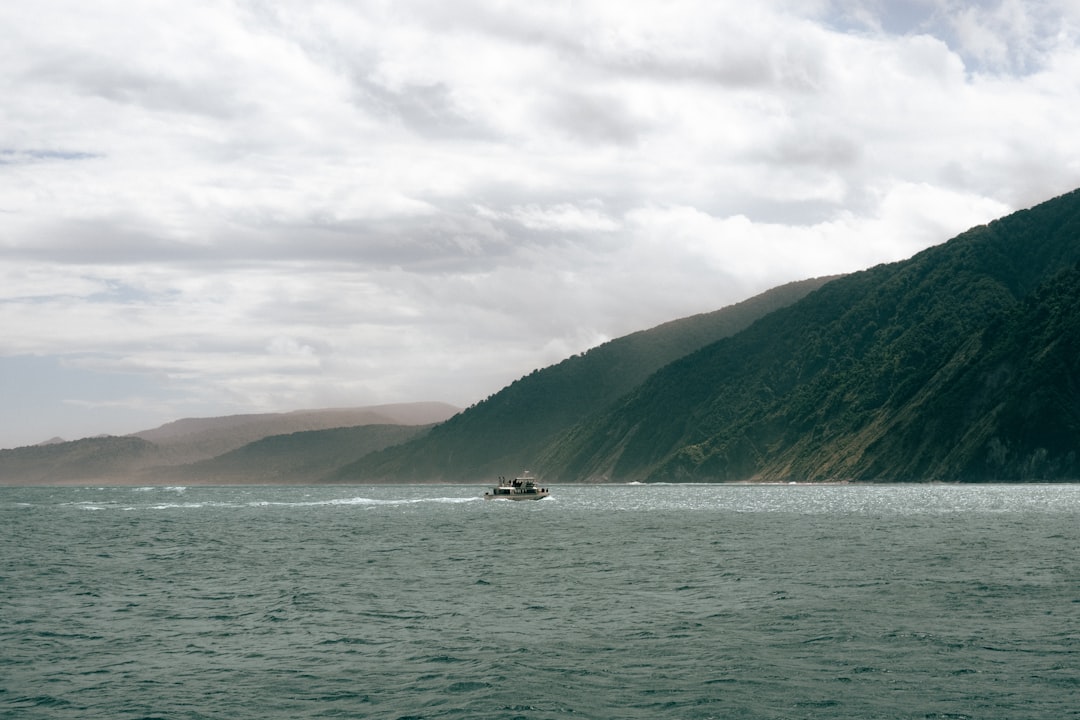
The Drake Passage, a formidable stretch of ocean separating South America from the Antarctic Peninsula, has long held a reputation for its tempestuous nature and challenging navigation. This watery expanse, a mere 800 kilometers wide at its narrowest point, is a crucial gateway to the Antarctic continent and a place where the forces of nature are on full, often brutal, display. Its maritime history is a testament to human courage, scientific endeavor, and the relentless pursuit of exploration and understanding in one of Earth’s most extreme environments. For centuries, sailors, whalers, sealers, scientists, and adventurers have braved its notorious waves and winds, leaving an indelible mark on the annals of maritime lore.
Early Encounters and the Dawn of Antarctic Exploration
The earliest human encounters with the Drake Passage were indirect, driven by the voyages of circumnavigators and explorers venturing into the Southern Ocean. While direct passage was not their primary objective, these early navigators often skirted the edges of its influence, encountering the burgeoning swell and the chilling winds that foretold its ferocity.
The Age of Discovery and the Southern Continent
The notion of a vast southern continent, Terra Australis Incognita, captivated the imaginations of European geographers and navigators for centuries. While the Drake Passage wasn’t explicitly named or charted in its entirety by these early explorers, their journeys laid the groundwork for later understanding.
Ferdinand Magellan and the Strait’s Discovery
Ferdinand Magellan’s expedition in 1520, seeking a westward route to the Spice Islands, famously discovered the Strait of Magellan, a tortuous waterway offering a passage between the Atlantic and Pacific Oceans. While this provided a crucial, albeit perilous, route, it also highlighted the immensity of the landmass to the south, hinting at the existence of even more challenging waters beyond.
Sir Francis Drake and the Naming of the Passage
It was Sir Francis Drake, the celebrated English privateer and explorer, who is credited with definitively navigating a passage to the east of Tierra del Fuego in 1578. Having been forced south by storms while attempting to navigate the Strait of Magellan, Drake found himself sailing through open waters, encountering the wild conditions that would come to define this region. While his exact route remains debated, his passage revealed the existence of a direct oceanic channel, and subsequent navigators, recognizing his pioneering achievement, would eventually name it in his honor: the Drake Passage. This marked a pivotal moment, acknowledging a distinct maritime route that bypassed the treacherous Strait of Magellan and offered a more direct, albeit arguably more dangerous, path south.
Early Whaling and Sealing Ventures
The promise of lucrative resources in the Southern Ocean soon attracted those with a more commercial, albeit equally hazardous, motive. Whales and seals, abundant in these frigid waters, became the focus of early exploitative endeavors.
The Allure of the Southern Whale
The majestic whales, particularly the sperm whale and the southern right whale, represented immense wealth for whalers. Early expeditions, often setting sail from European ports, ventured into the Southern Ocean with the express purpose of hunting these marine mammals. The Drake Passage, as a gateway, became a necessary transit point for these ambitious, and often brutal, operations.
The Plight of the Seal
Similarly, the vast colonies of fur seals and elephant seals, found on the islands and coastlines of the sub-Antarctic and Antarctic regions, attracted early sealers. The fine fur of these animals was highly prized, and the expeditions that followed were characterized by their ruthlessness and often unsustainable harvesting practices. These early sealers, like the whalers, had to contend with the challenging conditions of the Drake Passage to reach their hunting grounds.
The Drake Passage, known for its treacherous waters and significant role in maritime history, has been the subject of numerous studies and articles. One such article that delves into the challenges faced by sailors navigating this notorious stretch of ocean is available at this link. It explores the historical significance of the Drake Passage, including its impact on exploration and trade routes, as well as the advancements in maritime technology that have made traversing these waters safer over the years.
The Golden Age of Antarctic Exploration and Scientific Discovery
The late 19th and early 20th centuries witnessed an unparalleled surge of exploration and scientific interest in Antarctica. The Drake Passage, as the primary maritime link to the continent, played a crucial role in facilitating these ambitious endeavors. Expeditions from various nations sought to chart the coastline, study its unique geology and glaciology, and understand its enigmatic flora and fauna.
Charting the Unknown Continent
The desire to map the vast, unexplored Antarctic continent was a driving force for many expeditions. Navigators meticulously charted coastlines, identified prominent geographical features, and established the spatial relationships of this remote landmass.
The British Antarctic Expeditions
Prominent among these were the various British Antarctic Expeditions, including those led by figures like Sir James Clark Ross, Sir Ernest Shackleton, and Captain Robert Falcon Scott. These expeditions, often enduring multiple seasons in the Antarctic, relied heavily on the Drake Passage for their logistical support, resupply, and eventual return. The ships of these expeditions, built to withstand the harshest conditions, were marvels of maritime engineering for their time.
Expeditions from Other Nations
Beyond Britain, other nations also mounted significant expeditions. Norway, France, Germany, Sweden, and later, the United States, contributed to the growing understanding of Antarctica. Each of these national endeavors, in their own way, utilized the Drake Passage as their maritime highway to the south.
Scientific Expeditions and the Birth of Antarctic Science
The exploration of Antarctica was not solely about charting territory; it was also a period of intense scientific inquiry. Researchers aboard these expeditions collected invaluable data on meteorology, oceanography, biology, and geology, laying the foundation for modern Antarctic science.
Oceanographic Studies in the Southern Ocean
The waters of the Drake Passage itself became a subject of scientific scrutiny. Early oceanographic studies aimed to understand the complex currents, water temperatures, and salinity of this region, crucial for comprehending global ocean circulation. The passage’s unique position, where the Atlantic, Pacific, and Southern Oceans converge, made it a key area for research.
Biological Discoveries in Extreme Environments
The unique and often extreme environment of Antarctica yielded a wealth of biological discoveries. Researchers documented new species of penguins, seals, seabirds, and marine invertebrates, expanding the known biodiversity of the planet. The challenges of reaching these environments via the Drake Passage only underscored the resilience and adaptability of life in such conditions.
The Era of Whaling and the Exploitation of Antarctic Resources
Following the initial explorations, a new wave of maritime activity emerged in the Southern Ocean, driven by the immense commercial potential of Antarctic resources, particularly whales. The Drake Passage, as the gateway, became a vital artery for this burgeoning industry.
The Drake Passage has long been a focal point in maritime history, serving as a crucial route for explorers and researchers venturing to Antarctica. Its treacherous waters have claimed numerous ships and challenged even the most skilled navigators. For those interested in a deeper exploration of this fascinating maritime region, you can read more about its significance and the stories of those who have traversed it in the article found here. This resource provides insights into the challenges faced by sailors and the unique ecological importance of the area.
The Rise of the Modern Whaling Industry
The early 20th century saw the industrialization of whaling, transforming it from scattered hunting ventures into a massive global enterprise. Innovations in ship design, such as the factory ship, allowed for efficient processing of whales at sea, leading to unprecedented levels of harvesting.
Factory Ships and Pelagic Whaling
The development of the factory ship revolutionized whaling. These large vessels, equipped with processing facilities, allowed whalers to operate far from shore, engaging in pelagic whaling. The Drake Passage served as a transit route for these factory ships and their accompanying catcher boats as they ventured into the productive whaling grounds of the Southern Ocean.
The Economic Impact and Environmental Consequences
The whaling industry brought significant economic benefits to nations involved, but it also had devastating consequences for whale populations. Overexploitation led to dramatic declines in many species, prompting international efforts towards conservation. The environmental legacy of this era, though often overlooked in historical accounts, is a stark reminder of the impact of human activity on fragile ecosystems.
Sealing Revivals and Continued Exploitation
While whaling dominated the headlines, sealing also continued, albeit with evolving practices. As populations of some species dwindled, sealers often turned to different species or areas, still relying on the Drake Passage for access.
The Economic Drivers of Sealing
The demand for seal skins and oil, while perhaps not as economically significant as whale oil, still drove sealing expeditions. The perceived inexhaustible nature of these resources, a common misconception at the time, fueled continued exploitation.
The Shift in Focus and Locations
As certain seal populations became depleted, sealing efforts shifted to new territories, often further south. This meant that the Drake Passage remained a critical maritime link for those seeking to exploit these resources, even as the environmental impact became increasingly apparent.
Modern Maritime Activity: Science, Tourism, and the Challenges of a Changing Climate
In the contemporary era, the maritime activities in the Drake Passage have evolved significantly. While the romanticism of pure exploration has largely given way to scientific research and specialized tourism, the challenges of the passage persist. Furthermore, the impacts of climate change are beginning to manifest, adding new dimensions to its maritime history.
The Hub of Scientific Research
Antarctica remains a vital site for scientific research, and the Drake Passage continues to be the primary route for logistical support to research stations. Scientists and support staff regularly transit these waters.
Research Stations and Supply Lines
Numerous research stations, operated by various nations, dot the Antarctic continent. The resupply of these stations with food, fuel, scientific equipment, and personnel relies heavily on maritime transport that navigates the Drake Passage. The efficiency and safety of these supply lines are paramount.
Oceanographic and Climate Change Research
Contemporary oceanographic research in the Drake Passage is more sophisticated than ever before. Scientists are studying its role in global ocean circulation, its influence on weather patterns, and, increasingly, the impacts of climate change. The passage is a key area for monitoring changes in sea ice, ocean temperatures, and marine ecosystems.
The Rise of Antarctic Tourism
In recent decades, Antarctic tourism has become a significant maritime activity. The allure of experiencing the pristine wilderness and unique wildlife of the continent has drawn thousands of visitors annually.
Cruise Ships and Expedition Vessels
The Drake Passage is the initial hurdle for most tourists heading to the Antarctic Peninsula. Expedition cruise ships, designed for polar waters, are a common sight. These vessels carry passengers who experience the continent through guided excursions and lectures.
The Balancing Act: Tourism and Conservation
The growth of Antarctic tourism presents a delicate balancing act between economic opportunity and environmental preservation. The maritime operations associated with tourism must adhere to strict environmental regulations to minimize their impact on this fragile ecosystem. The navigation of the Drake Passage by these vessels, while generally safe with modern technology, still requires vigilance and adherence to best practices.
Emerging Challenges: Climate Change and Navigation
The forces that shaped the maritime history of the Drake Passage – its winds, waves, and currents – are themselves being influenced by global climate change.
Shifting Weather Patterns and Ice Conditions
Scientists are observing shifts in weather patterns and sea ice extent in the Southern Ocean. While predicting precise changes in the Drake Passage’s notoriously rough conditions is complex, any alterations in wind strength, wave height, or the presence of icebergs can have significant implications for maritime safety and navigation.
The Future of Maritime Access
As the climate continues to change, the long-term implications for maritime access to Antarctica remain a subject of ongoing research and speculation. While the Drake Passage is unlikely to become a placid waterway, understanding these evolving conditions is crucial for the future of scientific research, tourism, and the responsible management of this unique polar region. The history of human endeavor in this passage serves as a constant reminder of the power of nature and the importance of human resilience and adaptation in the face of formidable challenges.
The maritime history of the Drake Passage is a rich tapestry woven from threads of daring exploration, relentless pursuit of resources, groundbreaking scientific inquiry, and the burgeoning industry of tourism. It is a story of how humans have navigated, exploited, and ultimately sought to understand one of Earth’s most formidable natural frontiers. As the passage continues to present its challenges, its history serves as a vital reference point, informing our understanding of the present and guiding our stewardship of this magnificent, and often unforgiving, stretch of ocean.
Why Cape Horn Has Some of the Worst Seas on Earth
FAQs
What is the Drake Passage?
The Drake Passage is the body of water between the southern tip of South America and the northern tip of the Antarctic Peninsula. It connects the Atlantic and Pacific Oceans and is known for its rough seas and strong winds.
Why is the Drake Passage important in maritime history?
The Drake Passage has been a significant route for maritime exploration and trade. It was first crossed by Sir Francis Drake in 1578, and it has since been a key passage for ships traveling between the Atlantic and Pacific Oceans.
What are some notable events in the maritime history of the Drake Passage?
Notable events in the maritime history of the Drake Passage include the first successful circumnavigation of the world by Sir Francis Drake, the discovery of the Antarctic continent by Captain James Cook, and the use of the passage for scientific research expeditions.
What are the challenges of navigating the Drake Passage?
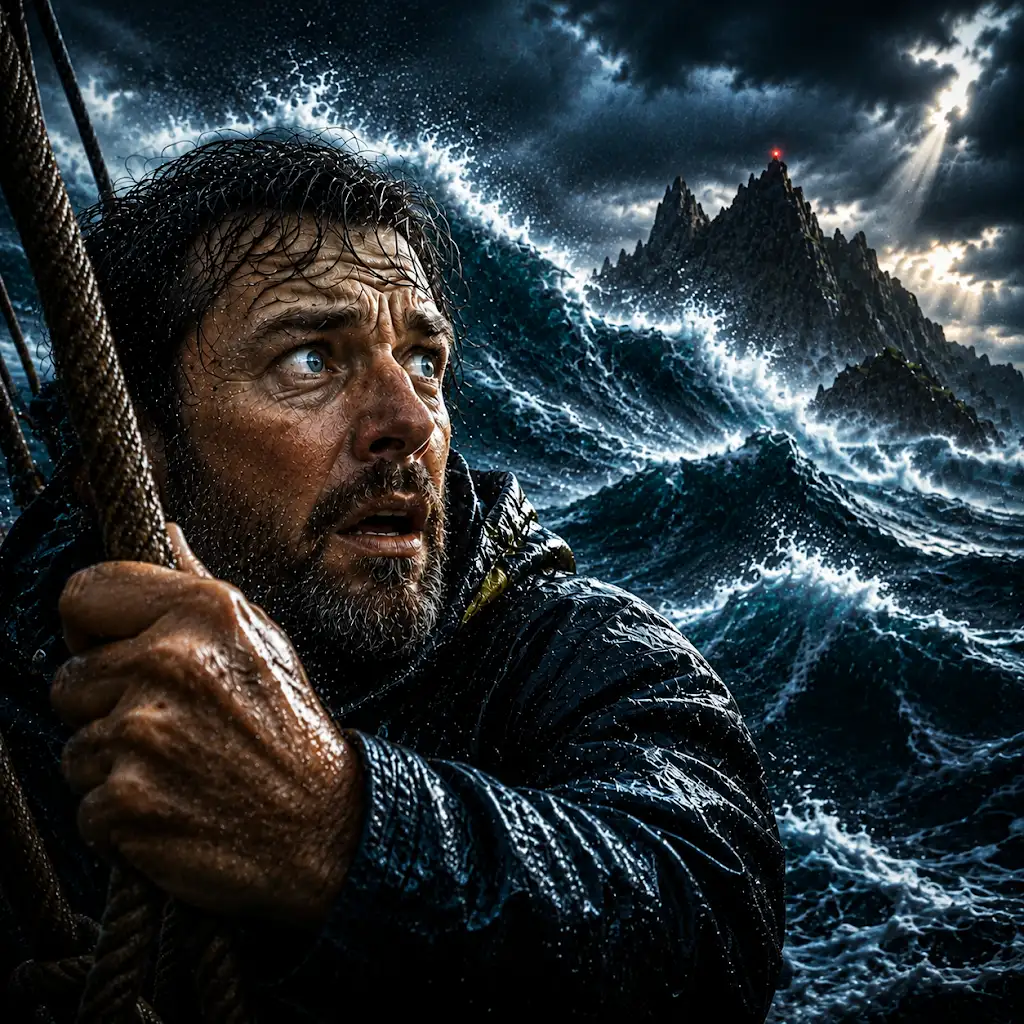
The Drake Passage is known for its extreme weather conditions, including strong winds, high waves, and rough seas. These conditions make it challenging for ships to navigate the passage, and it has earned a reputation as one of the most treacherous sea routes in the world.
How has the maritime history of the Drake Passage influenced exploration and trade?
The maritime history of the Drake Passage has played a significant role in the exploration of the Antarctic region and the development of trade routes between the Atlantic and Pacific Oceans. It has also contributed to scientific research and the study of marine ecosystems in the Southern Ocean.