The colossal hulls of retired merchant vessels, once vibrant arteries of global commerce, embark on a final, significant voyage: the journey to becoming recycled materials. This intricate and often complex process, far removed from the romanticized image of ships sailing into the sunset, is a crucial component of sustainable resource management and environmental stewardship. Understanding the merchant ship recycling process unveils a fascinating intersection of engineering, logistics, economics, and increasingly, ethical considerations. It’s a testament to human ingenuity, transforming obsolescence into raw materials for future industries.
The life of a merchant ship, characterized by its tireless service traversing oceans, eventually reaches its twilight. This point of retirement is not an arbitrary decision but a culmination of several factors, each contributing to the vessel’s economic obsolescence and the initiation of its recycling journey.
End-of-Life Assessment and Decision
The decision to recycle a ship is a multifaceted one, driven by a blend of economic realities, regulatory pressures, and operational efficiency. As ships age, their maintenance costs escalate significantly. Wear and tear on vital components, the increasing difficulty of sourcing spare parts, and the need for more frequent dry-docking periods translate into substantial financial outlays for owners. Beyond sheer age, technological advancements play a crucial role. Newer vessel designs often offer superior fuel efficiency, greater cargo capacity, and improved safety features, making older ships less competitive in the modern maritime market. The cost of upgrading older vessels to meet current environmental and safety standards can often outweigh the investment in a new build. Furthermore, market dynamics, such as fluctuating freight rates and the availability of new tonnage, can accelerate the retirement of older ships. International regulations, such as the International Maritime Organization’s (IMO) guidelines on ship recycling, also exert a growing influence, compelling owners to consider responsible disposal methods. The classification societies, the independent bodies that set and enforce technical standards for ships, play a vital role in this assessment, issuing certificates of seaworthiness and ultimately deeming a vessel fit or unfit for continued service. This assessment often involves a thorough inspection of the hull, machinery, and safety equipment, providing a clear picture of the ship’s remaining operational life and the feasibility of further repairs.
Decommissioning and Flag Removal
Once the decision to recycle is made, the ship undergoes a critical phase of decommissioning. This process involves systematically removing the vessel from active service and preparing it for its final journey. The immediate step is the removal of its flag state registration. Each merchant vessel flies the flag of a specific country, which dictates the regulations and standards it must adhere to. Once decommissioned, this registration is terminated, signifying the end of its operational life under that jurisdiction. This often involves paperwork and procedures with the relevant maritime authorities of the flag state. Following flag removal, the ship is stripped of any valuable or reusable equipment that can be salvaged and sold on the second-hand market. This might include engines, generators, navigation equipment, pumps, anchors, chains, and even interior furnishings. This salvaging operation not only generates revenue but also contributes to a circular economy by extending the life of functional components. Furthermore, it reduces the weight and complexity of the vessel for the subsequent recycling stages, making the process more efficient. The ship is also typically de-stored, meaning all cargo, fuel, and other consumables are removed. This is a crucial safety and environmental measure, preventing potential spills or hazards during the dismantling process.
Route to the Recycling Yard
The journey to the recycling yard is a carefully orchestrated logistical undertaking. Vessels destined for recycling are often towed, especially if their engines are no longer operational. Specialized tugboats are employed for this purpose, ensuring the safe transit of the massive structure across potentially long distances. In some cases, if the ship is still capable of self-propulsion, it may make its final voyage under its own power, albeit with a reduced crew and often at slower speeds, guided by a convoy or escort vessel for safety. The selection of a recycling yard is not a random choice. It is increasingly influenced by factors such as the yard’s compliance with international safety and environmental standards, its experience in handling large vessels, and its proximity to major shipping routes to minimize transit time and costs. The destination yards are often located in countries with established shipbreaking industries, where the necessary infrastructure, skilled labor, and regulatory frameworks are in place. The choice of route also considers weather patterns, potential hazards, and international regulations pertaining to the movement of decommissioned vessels. This pre-planning is essential to ensure a smooth and responsible transition from operational asset to raw material source.
The process of merchant ship recycling is a critical aspect of maritime sustainability, as it involves the safe dismantling and repurposing of ships at the end of their operational life. For a deeper understanding of the environmental and economic implications of this process, you can refer to a related article that explores the various methods and challenges associated with ship recycling. To learn more, visit this article.
The Dismantling Odyssey: A Step-by-Step Breakdown
The heart of the ship recycling process lies in its systematic and often hazardous dismantling. This is a labor-intensive and technically demanding undertaking, requiring specialized skills and strict adherence to safety protocols. The process is meticulously planned to maximize material recovery and minimize environmental impact.
Beaching and Securing the Vessel
Upon arrival at the designated recycling yard, the colossal vessel is carefully maneuvered into its final resting place. The most common method for large vessels is “beaching,” where the ship is intentionally grounded on a prepared tidal beach or slipway. This is a delicate operation, often performed during high tide to allow the ship to settle onto the prepared ground as the tide recedes. The grounding is carefully controlled to ensure the vessel is stable and does not list excessively, which could create unsafe working conditions. Once beached, the vessel is thoroughly secured using heavy chains, anchors, and often supplementary mooring lines connected to robust onshore structures. This securing process is paramount for the safety of the workers and the integrity of the dismantling operation, preventing any unwanted movement of the ship during the subsequent stages. The preparation of the beaching area itself is also critical, often involving the removal of obstacles and the creation of a stable, level surface. In some cases, particularly for smaller vessels or yards with different infrastructure, dry-docking might be employed, where the vessel is floated into a dry dock and the water is pumped out, allowing for more controlled access and dismantling. However, for the vast majority of large merchant ships, beaching remains the prevalent method.
Initial Stripping and Hazardous Material Removal
Before any significant cutting begins, a crucial phase of stripping and hazardous material removal takes place. This is arguably the most critical stage from an environmental and health perspective. The ship is meticulously inspected for any remaining hazardous substances, which can include asbestos, lead-based paints, polychlorinated biphenyls (PCBs), mercury, fuel oil residues, and various chemicals used in machinery and firefighting systems. Trained personnel, equipped with specialized protective gear, meticulously identify, contain, and safely remove these materials. Asbestos, once widely used for insulation due to its fire-resistant properties, is a particular concern and requires highly specialized handling and disposal procedures to prevent the release of dangerous fibers. Fuel tanks and pipelines are thoroughly cleaned and purged to remove any residual oil, which not only poses an environmental risk but also a significant fire hazard. The removal of these hazardous materials is conducted in strict accordance with international environmental regulations and best practices, often involving dedicated facilities for their safe storage and eventual disposal or treatment. The success of this stage significantly impacts the overall environmental footprint of the recycling process.
Cutting and Segmentation of the Hull
With the hazardous materials safely removed, the physical dismantling of the ship’s structure begins. This is a physically demanding process, often carried out by skilled workers using oxy-fuel cutting torches. The massive steel hull is systematically cut into manageable sections, a process that requires careful planning to ensure structural integrity during dismantling and to facilitate the efficient handling of the cut pieces. Workers often operate at heights, on steep inclines, and in confined spaces, necessitating extensive safety training and the use of safety harnesses and fall protection equipment. The cutting plan is usually developed based on the ship’s structural design, aiming to break down the vessel into sections that can be easily moved and transported to the processing areas. Different parts of the ship, such as the superstructure, decks, and hull plating, are separated into distinct categories. The sheer scale of the steel involved is immense, and the cutting process generates significant heat and noise. Ventilation systems are crucial to manage the fumes produced by the cutting torches, further emphasizing the importance of worker safety and environmental controls.
Metal Recovery and Sorting
Once the hull is segmented, the focus shifts to the recovery and sorting of the metallic materials. The cut steel sections are transported by heavy machinery, such as cranes and forklifts, to designated areas within the recycling yard. Here, a meticulous sorting process begins. The steel is primarily separated based on its type and quality. Different grades of steel have different applications and market values. Non-ferrous metals, such as copper (found in wiring and piping), aluminum (used in some fittings and superstructures), and brass, are also meticulously separated. This manual and mechanical sorting process is vital for maximizing the value of the recycled materials. Specialized equipment, including magnetic separators, can assist in separating ferrous metals from non-ferrous ones. The sorted metals are then further processed, often into smaller, more manageable sizes, ready for transportation to foundries and steel mills. The efficiency and accuracy of this sorting process directly impact the profitability of the recycling operation and the quality of the recycled materials.
The Environmental and Safety Imperative: Navigating Complexities
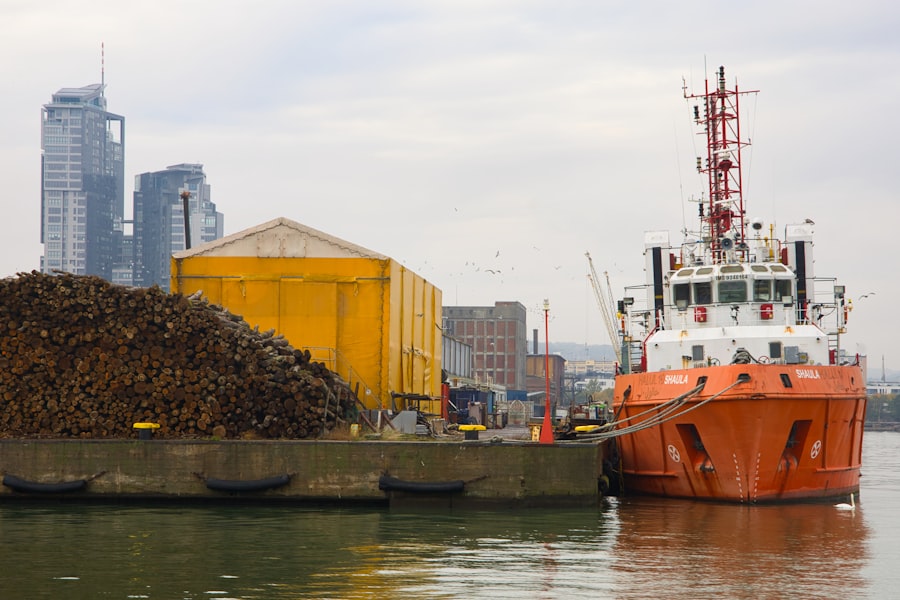
The process of ship recycling, while essential for resource recovery, is inherently fraught with environmental and safety challenges. Addressing these complexities is paramount for responsible and sustainable maritime practices.
Hazardous Waste Management and Pollution Control
The legacy of a ship’s operational life is often intertwined with the presence of hazardous substances. Effective management of these wastes is a cornerstone of responsible ship recycling. This includes the meticulous removal and containment of asbestos, PCBs, heavy metals, and residual fuels, as well as the safe disposal of paints, solvents, and other chemicals. Pollution control measures extend beyond hazardous waste to encompass preventing spills of oil, bilge water, and other pollutants into the marine environment. Recycling yards must implement robust containment systems, such as impermeable surfaces and bunds, to capture any leaked substances. Wastewater treatment facilities are also crucial to ensure that any water used in the cleaning or dismantling process is treated to remove contaminants before discharge. Air quality monitoring is also essential to manage emissions from cutting and welding operations, ensuring that harmful particulates and gases are minimized. The adherence to international conventions like the Hong Kong Convention for the Safe and Environmentally Sound Recycling of Ships is increasingly becoming the benchmark for best practices in this area.
Worker Safety and Occupational Health
The shipbreaking industry, by its very nature, is a high-risk occupation. The sheer size of the vessels, the presence of hazardous materials, and the nature of the dismantling work expose workers to significant dangers. Falls from heights, injuries from heavy machinery, exposure to toxic fumes and substances, and the risk of structural collapse are constant threats. Ensuring worker safety requires a comprehensive approach that includes rigorous training programs, the provision of appropriate personal protective equipment (PPE) such as helmets, safety boots, respirators, and protective clothing, and the implementation of strict safety protocols. Regular safety inspections, hazard identification, and risk assessment are vital components of a safe working environment. Emergency response plans and readily available medical facilities are also crucial to address any accidents or injuries that may occur. The adoption of international standards for occupational health and safety is essential to protect the well-being of the workforce involved in this physically demanding industry. The transition towards safer and more responsible recycling practices is a continuous effort.
Regulatory Frameworks and International Standards
The need for robust regulatory frameworks and international standards in ship recycling has become increasingly apparent. The International Maritime Organization (IMO) plays a pivotal role in setting these standards. The Hong Kong Convention, adopted in 2009, aims to ensure that ships are dismantled in a safe and environmentally sound manner, without posing undue risk to human health and the environment. This convention sets out international rules and regulations for ship recycling facilities and for the responsible handling of ships for recycling. Many nations have also enacted their own domestic legislation to regulate ship recycling within their territories, often aligning with or exceeding the requirements of the Hong Kong Convention. These regulations typically cover aspects such as the licensing of recycling facilities, the management of hazardous materials, worker safety, and environmental protection. Compliance with these regulations is not only a legal obligation but also a crucial factor in building trust and ensuring the ethical conduct of the ship recycling industry. The international community is continuously working to strengthen these frameworks and promote global adoption.
The Economic Landscape: Value and Viability
Ship recycling is not merely an environmental necessity; it is also a significant economic activity. The process generates substantial value through the recovery of materials, contributing to various industries and influencing market dynamics.
The Value of Recycled Steel and Metals
The primary economic driver of ship recycling is the value of the recovered steel and other metals. Merchant ships are constructed primarily from high-grade steel, and their dismantling yields vast quantities of this essential raw material. This recycled steel is a vital input for the steel industry, used in the production of new steel products such as construction materials, automotive parts, and other manufactured goods. Similarly, recovered non-ferrous metals like copper and aluminum have significant market value and are utilized in a wide range of applications. The global demand for these recycled materials helps to reduce the reliance on virgin resources, conserving energy and minimizing the environmental impact associated with their extraction and processing. The price of scrap steel fluctuates based on global market demand and supply, directly impacting the profitability of ship recycling operations. The ability to efficiently sort and process these metals ensures their quality and marketability, maximizing the economic return from each vessel.
Market Dynamics and Global Demand
The ship recycling market is influenced by a complex interplay of global economic factors, shipping industry trends, and geopolitical events. The supply of ships for recycling is driven by factors such as the age of the global fleet, new shipbuilding orders, and freight rates. When freight rates are low, older, less efficient vessels become uneconomical to operate, leading to an increase in their retirement and thus the supply of ships for recycling. Conversely, when freight rates are high, owners may opt to keep older vessels in service for longer. The demand for recycled materials, particularly steel, also plays a significant role. Growth in construction, manufacturing, and infrastructure development in various regions can increase the demand for steel, thereby boosting the prices for scrap metal. The geographical location of recycling yards also influences market dynamics, with yards in regions with lower labor costs and less stringent environmental regulations often attracting a larger volume of ships, although this is increasingly scrutinized for ethical and environmental reasons. The global demand for new ships also impacts the recycling market, as the scrapping of older vessels can create space for newer, more efficient tonnage.
Cost-Benefit Analysis of Recycling
The decision to recycle a ship involves a careful cost-benefit analysis for shipowners and recycling yards. For shipowners, the decision to scrap a vessel typically involves comparing the potential revenue from selling the ship for recycling against the costs of continued operation, maintenance, and potential upgrades to meet new regulations. The costs associated with recycling include towing fees, potential demolition costs if the yard charges, and the administrative costs of decommissioning. For recycling yards, the benefits lie in the revenue generated from the sale of recovered materials, which must outweigh the operational costs, including labor, equipment, environmental compliance, and the acquisition of the vessel itself. The profitability of a recycling yard is highly dependent on the prevailing market prices for scrap metal, the efficiency of their dismantling and sorting processes, and their ability to manage environmental and safety risks effectively. A robust cost-benefit analysis, incorporating all these factors, is crucial for the economic viability and sustainability of the ship recycling industry.
The process of merchant ship recycling is a critical aspect of maritime industry sustainability, as it involves the safe dismantling and repurposing of vessels at the end of their operational life. For a deeper understanding of the environmental and economic implications of this practice, you can explore a related article that discusses the various methods and regulations governing ship recycling. This insightful piece can be found here, providing valuable information for those interested in the complexities of ship dismantling and its impact on global trade.
The Future of Ship Recycling: Towards Sustainability and Innovation
“`html
| Stage | Metrics |
|---|---|
| Preparation | Amount of hazardous materials removed |
| Dismantling | Percentage of steel and other materials recycled |
| Environmental Impact | Amount of pollutants properly disposed |
| Worker Safety | Number of accidents reported |
“`
The ship recycling industry is not static; it is continuously evolving, driven by technological advancements, increasing environmental awareness, and stricter regulations. The future holds promise for more sustainable and innovative practices.
Technological Advancements and Automation
The future of ship recycling is poised for significant transformation through technological advancements and increased automation. Innovations in cutting technology, such as robotic cutting systems and laser cutting, hold the potential to improve efficiency, precision, and worker safety. Underwater cutting techniques are also being explored to minimize the need for beaching in certain situations. Advanced imaging and sensor technologies can aid in the identification and localization of hazardous materials, improving the accuracy and speed of the stripping process. Automated sorting systems, utilizing AI and machine learning, can further enhance the efficiency and accuracy of metal recovery. The development of specialized equipment for dismantling and handling large ship components can also reduce manual labor and improve safety. Embracing these technologies will not only optimize the recycling process but also significantly reduce the environmental footprint and occupational risks associated with it. The integration of digital technologies for better tracking, management, and compliance reporting will also be a key aspect of future operations.
Greener Recycling Methods and Circular Economy Principles
The drive towards greener recycling methods and the integration of circular economy principles is a defining trend in the future of ship recycling. This involves a holistic approach that prioritizes waste reduction, material reuse, and the minimization of environmental impact throughout the entire lifecycle of a ship. Moving beyond simply recovering raw materials, the focus is shifting towards designing ships for disassembly and recycling from the outset. This concept, known as “design for recycling,” considers the materials used, their ease of separation, and the avoidance of hazardous substances during the initial ship construction. The development of advanced material processing technologies can enable the recycling of more complex materials, such as composites and specialized alloys, which are currently challenging to process. Furthermore, exploring opportunities for the direct reuse of ship components, beyond salvaging, such as repurposed engines or superstructure elements in land-based applications, can further enhance circularity. The ultimate goal is to create a closed-loop system where obsolete ships contribute to a sustainable material flow, minimizing waste and maximizing resource utilization.
The Role of Responsible Shipowners and Industry Collaboration
The active participation of responsible shipowners and robust industry collaboration are critical for shaping the future of sustainable ship recycling. Shipowners are increasingly recognizing their responsibility to ensure their vessels are recycled in an environmentally sound and socially responsible manner. This involves choosing recycling yards that adhere to international standards and actively engaging with yards to promote best practices. Industry associations, classification societies, and regulatory bodies play a vital role in fostering collaboration, sharing knowledge, and developing industry-wide standards. Initiatives like the establishment of green ship recycling certifications and platforms for transparency and accountability are essential. By working together, stakeholders can drive innovation, raise awareness, and collectively advocate for the highest standards in ship recycling, ensuring that the final journey of a merchant ship contributes positively to a sustainable future. The continuous dialogue and partnership between all involved parties are key to navigating the evolving landscape of ship recycling.

The Beaches Global Trade Can’t Afford to Lose
FAQs
What is the merchant ship recycling process?
The merchant ship recycling process refers to the dismantling and disposal of end-of-life ships in a safe and environmentally sound manner. This process involves the removal of hazardous materials, recycling of steel and other materials, and proper disposal of waste.
Why is the merchant ship recycling process important?
The merchant ship recycling process is important for environmental and safety reasons. End-of-life ships often contain hazardous materials such as asbestos, lead, and PCBs, which can pose risks to human health and the environment if not handled properly. Recycling ships also helps to conserve resources and reduce the demand for new steel production.
What are the key steps involved in the merchant ship recycling process?
The key steps in the merchant ship recycling process include pre-cleaning and removal of hazardous materials, dismantling of the ship’s structure, recycling of steel and other materials, and proper disposal of waste. These steps are carried out in compliance with international regulations and guidelines.
What are the environmental and safety considerations in the merchant ship recycling process?
Environmental and safety considerations in the merchant ship recycling process include the proper handling and disposal of hazardous materials, prevention of pollution to air and water, safe working conditions for workers, and compliance with international conventions such as the Hong Kong International Convention for the Safe and Environmentally Sound Recycling of Ships.
What are the regulations and guidelines governing the merchant ship recycling process?
The merchant ship recycling process is governed by international regulations and guidelines, including the Hong Kong International Convention for the Safe and Environmentally Sound Recycling of Ships, the Basel Convention on the Control of Transboundary Movements of Hazardous Wastes and their Disposal, and the European Union Ship Recycling Regulation. These regulations aim to ensure that ship recycling is carried out in a safe and environmentally sound manner.