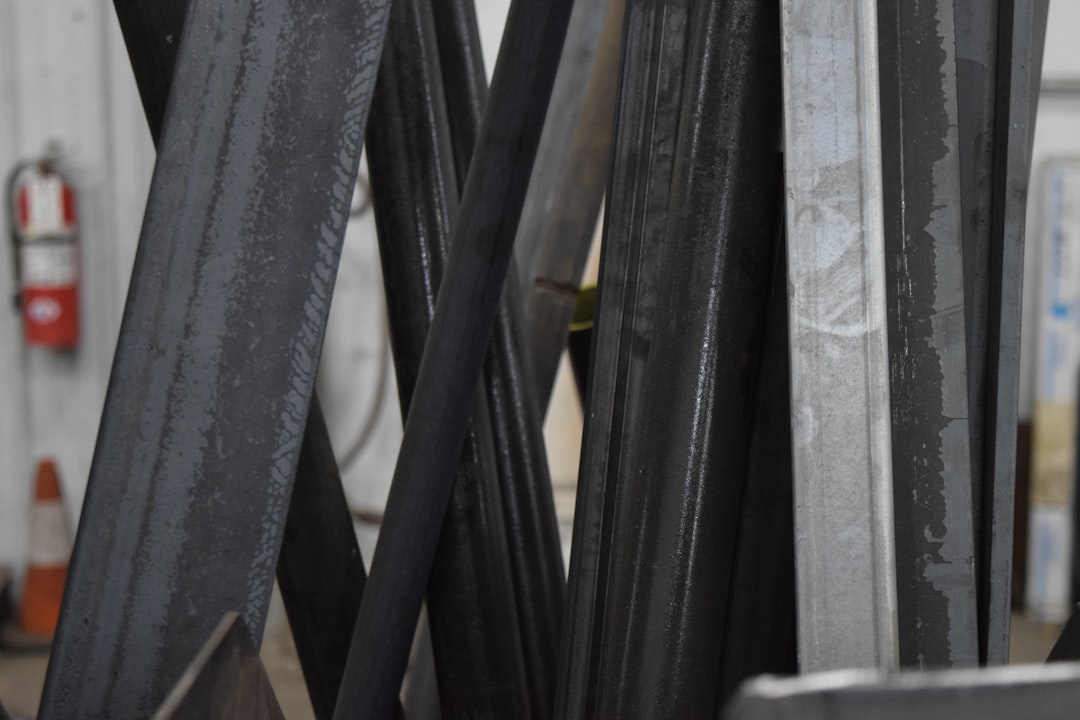
The hulking carcasses of retired vessels, once proud navigators of the world’s oceans, often meet their end in shipbreaking yards. While these sites are crucial for decommissioning, a significant portion of the materials, particularly steel, is often discarded or recycled with less than optimal efficiency. However, a growing movement champions a more sustainable approach: recovering steel from old ships. This practice not only addresses environmental concerns but also offers a economically viable and resource-conserving alternative to traditional steel production.
The sheer scale of maritime trade means that a vast fleet of ships constantly operates across the globe. As these vessels age, undergo significant damage, or become obsolete, they are retired. Traditionally, the fate of these giants has been a complex and often environmentally challenging process. Shipbreaking, a globally distributed industry, involves the dismantling of these vessels to recover valuable materials. While metal scrap is a primary commodity, the methodology and efficiency of recovery have been subjects of ongoing scrutiny and improvement. The steel within these ships, representing a substantial percentage of their total weight, holds immense potential for reuse, moving beyond simple scrap metal and towards a more integrated circular economy model.
The Life Cycle of a Ship and its End-of-Life Phase
A ship’s life cycle is a testament to human ingenuity and industrial might. From its design and construction, involving vast quantities of steel, to its operational years traversing international waters, a vessel is a complex piece of engineering. However, like any manufactured product, ships have a finite lifespan. Factors such as structural fatigue, technological obsolescence, and economic viability dictate when a ship is retired from active service. The end-of-life phase, or “decommissioning,” is a critical juncture. Historically, this involved sending ships to specialized breaking yards, often in developing nations where labor costs were lower. This practice, while recovering some materials, also raised significant environmental and ethical concerns due to lax regulations.
Material Composition of a Modern Ship
Modern ships, especially large cargo vessels, tankers, and cruise liners, are predominantly constructed from steel. The types of steel used vary depending on the vessel’s function and the required structural integrity. High-tensile steel, for instance, is employed in areas demanding greater strength. The interior of a ship also contains a multitude of other materials, including non-ferrous metals like copper and aluminum, plastics, wood, and various chemicals. However, steel unequivocally forms the backbone and hull of any sizable vessel. Understanding this composition is the first step in appreciating the scale of recoverable resources.
The Environmental Impact of Traditional Shipbreaking
The traditional shipbreaking model, particularly when conducted without stringent environmental controls, has been a source of significant pollution. The dismantling process often involves cutting and burning, releasing toxic fumes and heavy metals into the air and water. Asbestos, a hazardous material previously used in shipbuilding, poses a major health risk to workers and the surrounding environment. Furthermore, oily residues, paints, and other chemicals can leach into the soil and marine ecosystems. The sheer volume of waste generated, if not managed properly, can overwhelm local waste management systems.
The Rise of Sustainable Ship Recycling (WSR)
In response to these concerns, the International Maritime Organization (IMO) developed the Hong Kong Convention for the Safe and Environmentally Sound Recycling of Ships (HKSAR Convention). This convention, which entered into force in 2023, aims to ensure that ships are recycled in a safe and environmentally sound manner, minimizing risks to human health and the environment. Ship recycling facilities that comply with the convention are subject to stringent standards for their operations, waste management, and worker safety. This shift towards “Wrecked Ship Recycling” (WSR) is a crucial step in mitigating the negative impacts of decommissioning and maximizing the recovery of valuable materials.
Steel recovery from old ships is an important aspect of recycling and sustainability in the maritime industry. A related article that delves into the processes and technologies involved in this practice can be found at My Geo Quest. This resource provides insights into how decommissioned vessels are dismantled and how valuable materials, particularly steel, are efficiently extracted and repurposed, contributing to environmental conservation and resource management.
The Process of Steel Recovery from Old Ships
The recovery of steel from old ships is a meticulously planned and executed operation. It involves a series of steps, from initial assessment and preparation to the actual dismantling and processing of the steel. The goal is to extract the steel in a form that is suitable for direct reuse or for further recycling into new steel products. This process requires specialized knowledge, equipment, and a commitment to safety and environmental best practices.
Pre-Demolition Audit and Planning
Before a vessel even reaches the breaking yard, a comprehensive pre-demolition audit is conducted. This audit assesses the ship’s structural integrity, identifies hazardous materials (such as asbestos, PCBs, and lead-based paints), and determines the quantity and types of steel present. Detailed plans are then developed for the dismantling process, outlining the sequence of operations, the equipment required, and the safety protocols to be implemented. This meticulous planning is essential for ensuring an efficient and safe dismantling process.
Safe Removal of Hazardous Materials
A critical first step in the dismantling process is the safe removal of all hazardous materials. This includes a thorough decontamination of tanks and pipelines to remove residual fuels, oils, and chemicals. Asbestos abatement is a particularly important and specialized task, requiring trained personnel and strict containment measures to prevent the release of airborne fibers. Paints containing heavy metals are carefully removed and disposed of according to regulations. This phase is paramount for protecting both the environment and the health of the workers involved.
Segmentation and Dismantling
Once the vessel is decontaminated, the process of segmentation and dismantling begins. Large sections of the hull and superstructure are cut using specialized tools such as plasma cutters, oxy-acetylene torches, and hydraulic shears. The order of dismantling is carefully planned to maintain the stability of the remaining structure and to minimize the risk of accidents. Cranes and other heavy machinery are used to lift and move the large steel sections.
Sorting and Processing of Steel
After the steel is cut into manageable pieces, it is sorted according to its type and quality. This is a crucial step for maximizing the value of the recovered material. Different grades of steel, such as mild steel and high-tensile steel, have different applications and market values. The sorted steel is then further processed. This can involve removing any remaining non-steel components, such as insulation or pipe remnants, and then shredding or baling the steel into a form suitable for transportation and further recycling.
Quality Control and Certification
Throughout the recovery process, rigorous quality control measures are implemented. Samples of the recovered steel are tested to ensure they meet specific industry standards for composition and mechanical properties. Certification of the recovered steel is often provided by independent agencies, giving buyers confidence in the quality and suitability of the material for their intended applications. This emphasis on quality is what differentiates recovered steel from simple scrap metal.
The Economic and Environmental Benefits of Recovered Steel
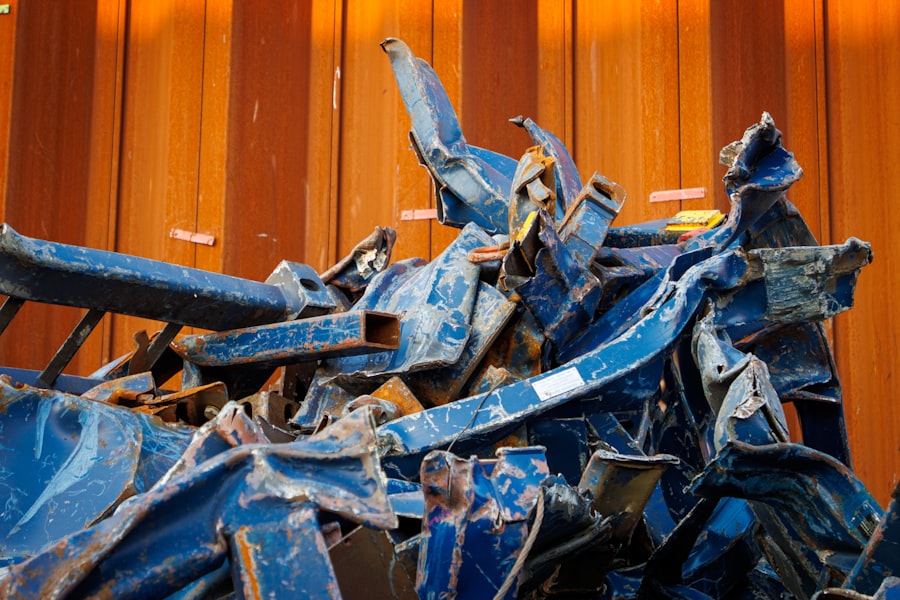
The recovery of steel from old ships offers a compelling array of economic and environmental advantages, positioning it as a cornerstone of a more sustainable future for the steel industry and beyond. This approach taps into a vast, pre-existing reservoir of high-quality material, reducing reliance on primary resource extraction and its associated environmental burdens.
Reduced Demand for Virgin Steel Production
The extraction of iron ore and its subsequent processing into steel are energy-intensive and environmentally impactful activities. Mining operations can lead to habitat destruction, water pollution, and significant greenhouse gas emissions. By utilizing steel recovered from old ships, the demand for virgin steel production is directly reduced. This, in turn, lessens the environmental footprint associated with mining, smelting, and refining.
Lower Energy Consumption and Greenhouse Gas Emissions
The energy required to produce steel from recycled materials is significantly lower than that needed for virgin steel production. Estimates suggest that recycling steel can save up to 74% of the energy required for primary production. Consequently, this reduction in energy consumption translates directly into a substantial decrease in greenhouse gas emissions, contributing to climate change mitigation efforts.
Conservation of Natural Resources
Iron ore is a finite natural resource. By recovering and reusing steel from decommissioned vessels, we are effectively conserving these precious resources for future generations. This aligns with the principles of a circular economy, where materials are kept in use for as long as possible, extracting maximum value from them before they are ultimately recycled.
Economic Opportunities and Job Creation
The sustainable ship recycling industry, focused on efficient steel recovery, creates new economic opportunities and jobs. These range from the skilled labor required for dismantling and processing to roles in quality control, logistics, and the development of new recycling technologies. This burgeoning sector can revitalize coastal communities and contribute to local economies.
Reduced Landfill Waste
Disposing of entire ship hulls in landfills is not a practical or environmentally sound solution. The sheer volume of steel involved would quickly overwhelm existing landfill capacity. Recovering the steel ensures that this material is diverted from landfills, reducing the pressure on waste management systems and preventing the potential for long-term environmental contamination.
Cost-Effectiveness for Certain Applications
While the initial investment in sustainable recycling infrastructure can be substantial, the recovered steel itself can be a cost-effective alternative for certain applications, particularly in the construction and manufacturing sectors. The availability of a steady supply of quality recycled steel can offer price stability and reduce reliance on fluctuating global commodity markets.
Applications of Recovered Steel
The steel recovered from old ships is not merely destined for the melting pot. Its quality and inherent properties allow for a diverse range of applications, demonstrating its significant value beyond simple scrap. This versatility underscores the economic and environmental prudence of prioritizing its recovery and reuse.
Structural Steel for Construction
High-quality steel recovered from ship hulls and superstructures is often suitable for direct use in construction projects. This can include structural beams, reinforcement bars (rebar), and other components for buildings, bridges, and other infrastructure. The steel’s proven strength and durability, honed by years of service at sea, make it an excellent choice for demanding structural applications.
Manufacturing of New Steel Products
A significant portion of recovered ship steel is channeled into the production of new steel products through remelting and refining processes. This recycled steel can be used to manufacture a wide array of items, including:
- Automotive Parts: The automotive industry is a major consumer of steel. Recovered steel can be used to produce car bodies, chassis components, and other parts.
- Machinery and Equipment: Industrial machinery, agricultural equipment, and heavy-duty tools often utilize steel components that can be made from recycled ship steel.
- Consumer Goods: A surprising number of everyday items, from appliances to furniture, contain steel parts that can be sourced from recycled materials.
- Pipes and Pipelines: Steel pipes for various industrial and utility purposes can be manufactured using recovered ship steel.
Reinforcement in Concrete
The robust nature of ship steel makes it ideal for use as reinforcement in concrete structures. Its tensile strength helps concrete withstand bending and tensile stresses, enhancing the overall integrity and longevity of buildings, bridges, and other concrete elements.
Specialized Steel Alloys
Depending on the original composition of the ship’s steel, it may be possible to recover and process it into specialized steel alloys for niche applications. This could include materials for heavy industry, marine engineering, or even certain types of specialized tools.
Artistic and Architectural Uses
Beyond purely functional applications, recovered ship steel can also find its way into artistic and architectural projects. Its weathered patina, unique textures, and inherent history can lend themselves to creative designs in sculptures, decorative elements, and even unique architectural features, adding character and a story to the finished product.
The process of recovering steel from old ships is a fascinating aspect of recycling and sustainability in the maritime industry. As ships reach the end of their operational life, their steel hulls can be dismantled and repurposed, significantly reducing waste and conserving resources. For a deeper understanding of this topic, you can explore a related article that discusses the methods and benefits of ship recycling. This informative piece can be found here, providing insights into how the steel recovery process contributes to environmental conservation and the circular economy.
Challenges and the Future of Ship Steel Recovery
| Process | Percentage |
|---|---|
| Shipbreaking | 90% |
| Recycling | 10% |
While the benefits of recovering steel from old ships are undeniable, the path forward is not without its challenges. Addressing these obstacles is crucial for maximizing the potential of this sustainable practice and ensuring its continued growth and success.
Regulatory Harmonization and Enforcement
While the Hong Kong Convention provides a framework for safe and environmentally sound ship recycling, its widespread adoption and consistent enforcement across all nations remain critical. Ensuring a level playing field and preventing the continuation of unsafe practices in non-compliant yards is essential for the integrity of the entire industry.
Technological Advancements and Innovation
Continued investment in research and development is needed to enhance the efficiency and effectiveness of steel recovery processes. This includes developing advanced sorting technologies, improved methods for removing residual contaminants, and innovative ways to process and refine different steel grades. Automation and AI could also play a significant role in optimizing these operations.
Global Supply Chain Management
Managing the global supply chain of decommissioned vessels and the subsequent distribution of recovered steel requires robust logistical networks and transparent trading practices. Ensuring fair pricing and reliable delivery of recovered steel to manufacturers is key to building confidence in the market.
Public Perception and Market Demand
Educating the public and key industries about the benefits and quality of recovered ship steel is important. Overcoming any lingering misconceptions about recycled materials being inferior to virgin materials is crucial for driving market demand and creating a strong incentive for ship owners and recyclers to prioritize sustainable practices.
Investment in Infrastructure
Establishing and maintaining state-of-the-art, environmentally compliant ship recycling facilities requires significant capital investment. Governments and the private sector need to collaborate to provide the necessary financial support and incentives to encourage the development of such infrastructure worldwide.
The Circular Economy Vision
The future of ship steel recovery is intrinsically linked to the broader vision of a circular economy. This means viewing decommissioned ships not as waste, but as valuable resource banks. This perspective shift will drive innovation, encourage collaboration across industries, and ultimately lead to a more sustainable and resource-efficient approach to maritime end-of-life management. As the global focus on sustainability intensifies, the practice of recovering steel from old ships is poised to become an increasingly vital component of a responsible and resource-conscious industrial landscape.

The Beaches Global Trade Can’t Afford to Lose
FAQs
1. How is steel recovered from old ships?
Steel is recovered from old ships through a process called ship breaking, where the ship is dismantled and its steel components are salvaged for reuse. This process involves cutting and separating the steel from the rest of the ship’s materials.
2. What happens to the non-steel materials during the ship breaking process?
Non-steel materials such as wood, glass, and plastic are also salvaged and recycled or disposed of in an environmentally responsible manner. These materials are often sorted and processed separately from the steel components.
3. What are the environmental considerations during the recovery of steel from old ships?
Environmental considerations during the recovery of steel from old ships include proper disposal of hazardous materials, minimizing pollution and waste, and ensuring worker safety. Ship breaking facilities must adhere to strict environmental regulations to mitigate the impact on the surrounding ecosystem.
4. What are the potential uses for the recovered steel from old ships?
The recovered steel from old ships can be used for various purposes, including manufacturing new ships, construction materials, automotive parts, and industrial machinery. Recycling steel from old ships helps conserve natural resources and reduce the need for new steel production.
5. Are there any regulations or international standards for the recovery of steel from old ships?
Yes, there are international regulations and standards, such as the Hong Kong International Convention for the Safe and Environmentally Sound Recycling of Ships, which aims to ensure the safe and environmentally friendly recycling of ships, including the recovery of steel and other materials. These regulations are designed to protect the environment and the workers involved in the ship breaking process.