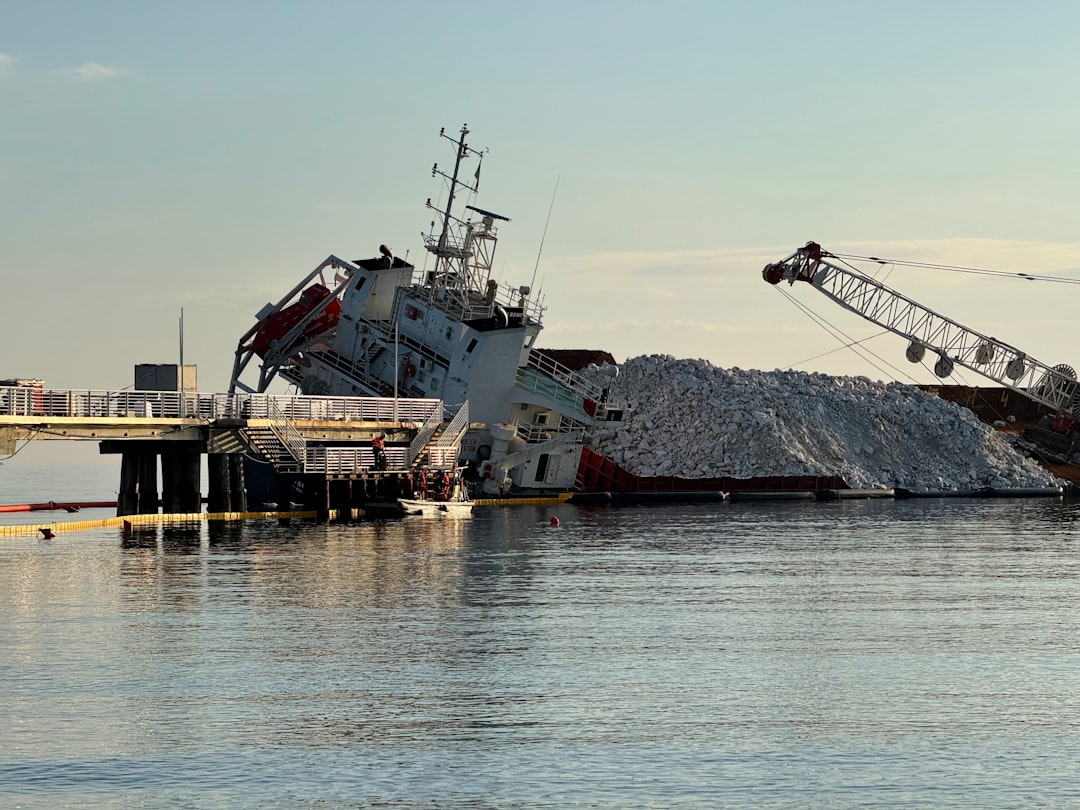
Within the sprawling expanse of ship recycling facilities, a complex ballet of deconstruction unfolds. Once majestic vessels, having traversed vast oceans, are brought here for their final chapter. More than just a place of dismantling, these yards are increasingly becoming hubs for responsible end-of-life management, striving to balance the imperative of resource recovery with the critical need to mitigate environmental impact. This exploration delves into the intricate workings of a modern ship recycling facility, highlighting the sustainable practices employed and the multifaceted environmental consequences that must be meticulously managed.
The global shipping industry is a vital artery of international trade, transporting goods across continents. However, ships, like all man-made creations, have a finite operational lifespan. As vessels age, their operational efficiency diminishes, maintenance costs rise, and their compliance with evolving environmental regulations becomes increasingly challenging. This inevitably leads to their retirement, a process that, if not handled responsibly, can pose significant environmental and human health risks.
The Economic Drivers of Ship Recycling
The decision to recycle a ship is often driven by a confluence of economic factors. As a ship nears the end of its service life, the cost of extensive repairs and upgrades to meet modern standards can outweigh its market value. Conversely, the materials that constitute a ship – vast quantities of steel, various metals, and other components – hold significant scrap value. Ship recycling, when executed efficiently, can recover a substantial portion of these valuable resources, feeding them back into the global economy and reducing the demand for virgin materials. This economic incentive, while powerful, must be carefully balanced against the environmental responsibilities inherent in the deconstruction process.
Global Shipping Trends and Recycling Demand
The volume of global maritime trade directly influences the number of ships reaching their end-of-life. Periods of economic expansion often lead to increased shipbuilding, which, in turn, results in a larger fleet that will eventually require recycling. Fluctuations in freight rates and charter party agreements can also accelerate the retirement of older vessels. Understanding these broader industry trends is crucial for ship recycling facilities to anticipate demand, plan their operations, and invest in appropriate infrastructure and technology. The global nature of shipping means that recycling demand can be influenced by international regulations, national policies, and the availability of compliant recycling yards.
The Environmental Imperative: Beyond Resource Recovery
While resource recovery is a primary economic driver, the environmental imperative for responsible ship recycling is equally, if not more, significant. Ships are complex structures, often containing hazardous materials that, if improperly handled, can contaminate soil, water, and air. These can include heavy metals, oils, greases, asbestos, and various chemicals. Furthermore, the sheer scale of dismantling can generate substantial waste streams if not managed effectively. Therefore, the focus of modern ship recycling has shifted from mere dismantling to a comprehensive approach that prioritizes environmental protection at every stage.
Inside a ship recycling facility, the intricate processes of dismantling and recycling vessels are crucial for environmental sustainability and resource recovery. For a deeper understanding of the challenges and innovations in this industry, you can explore a related article that discusses the latest advancements in ship recycling practices. To read more, visit this article.
Sustainable Practices in Modern Ship Recycling
The landscape of ship recycling has undergone a significant transformation in recent years, driven by increased global awareness and stricter regulatory frameworks. Leading recycling facilities are now embracing a suite of sustainable practices designed to minimize their environmental footprint and ensure the well-being of their workforce and surrounding communities. This shift reflects a growing understanding that responsible recycling is not just an ethical obligation but also a strategic advantage in an increasingly environmentally conscious global market.
The Hong Kong Convention: A Benchmark for Sustainability
A pivotal development in ship recycling has been the International Maritime Organization’s (IMO) Hong Kong Convention for Safe and Environmentally Sound Recycling of Ships. Adopted in 2009, this convention sets international standards for ship design, operation, and recycling to facilitate this process in a safe and environmentally sound manner. It requires ships to be designed and operated to facilitate recycling, and for recycling facilities to be inspected and certified to ensure they meet specific environmental and safety standards. The convention’s entry into force mandates a global shift towards responsible practices, forcing yards to upgrade their facilities and operational procedures.
Inventory of Hazardous Materials (IHM)
Central to the Hong Kong Convention is the requirement for a ship to carry an Inventory of Hazardous Materials (IHM). This document meticulously lists all potentially hazardous materials present on board a vessel, from its construction to its operational life. Before a ship is sent for recycling, the IHM is crucial for identifying and quantifying these materials. This detailed information allows the recycling facility to plan the safest and most effective methods for their removal, segregation, and disposal, thereby preventing the release of harmful substances into the environment. The IHM acts as a roadmap for deconstruction, ensuring that no hazardous material is overlooked.
Safe Removal and Disposal of Hazardous Materials
The actual process of removing hazardous materials from a ship is a highly specialized and meticulously controlled operation. Trained personnel, equipped with appropriate personal protective equipment (PPE), undertake the task of safely dismantling and removing substances like asbestos, polychlorinated biphenyls (PCBs), and heavy metals. These materials are then transported to licensed and specialized waste treatment facilities for secure disposal or recycling, ensuring that they do not contaminate the wider environment. The segregation of these hazardous materials from general scrap is a critical step in preventing cross-contamination.
Advanced Cutting and Dismantling Techniques
Traditional methods of ship dismantling, often involving manual cutting with oxy-acetylene torches, can be inefficient and generate significant amounts of fumes and waste. Modern recycling facilities are increasingly adopting advanced technologies to improve both efficiency and environmental performance.
Plasma Cutting and Robotic Systems
Plasma cutters, for instance, offer a more precise and faster cutting process compared to traditional methods, producing less slag and fewer hazardous fumes. The integration of robotic systems for tasks like hull cutting and component removal further enhances safety and efficiency. These automated systems can perform repetitive and dangerous tasks with greater precision, minimizing human exposure to hazardous environments and improving the overall speed of the dismantling process. The use of these technologies not only speeds up the recycling process but also contributes to a cleaner and safer working environment.
Material Segregation and Sorting
Effective material segregation is paramount to maximizing resource recovery and minimizing waste. As the ship is dismantled, various materials like steel, copper, aluminum, and plastics are meticulously sorted. This separation allows for higher quality recycling of individual materials, ensuring they can be reprocessed into new products with greater efficiency and less environmental impact. Sophisticated sorting technologies, including magnetic separators and eddy current separators, are employed to achieve a high degree of purity in the recovered materials.
Water Management and Pollution Prevention
Water is an integral part of ship operations and, consequently, a potential source of pollution in recycling facilities. Ship recycling yards must implement robust water management systems to prevent contamination.
Ballast Water Treatment
Ships carry ballast water to maintain stability, and this water can harbor invasive marine species. Before a vessel is dismantled, its ballast tanks are emptied, and the water is treated to remove any harmful organisms. This prevents the introduction of non-native species into local ecosystems, which can have devastating ecological consequences. Modern facilities often have dedicated ballast water treatment plants to ensure compliance with international regulations.
Oil and Chemical Spill Prevention
During the deconstruction process, there is always a risk of accidental spills of residual oil, lubricants, and other chemicals. Recycling yards implement stringent protocols for the containment and cleanup of any such spills. This includes the use of containment booms, absorbent materials, and trained emergency response teams. Regular inspections of tanks, pipelines, and equipment are also crucial to identify and address potential leak sources before they become a problem.
Environmental Impact of Ship Recycling: Challenges and Mitigation
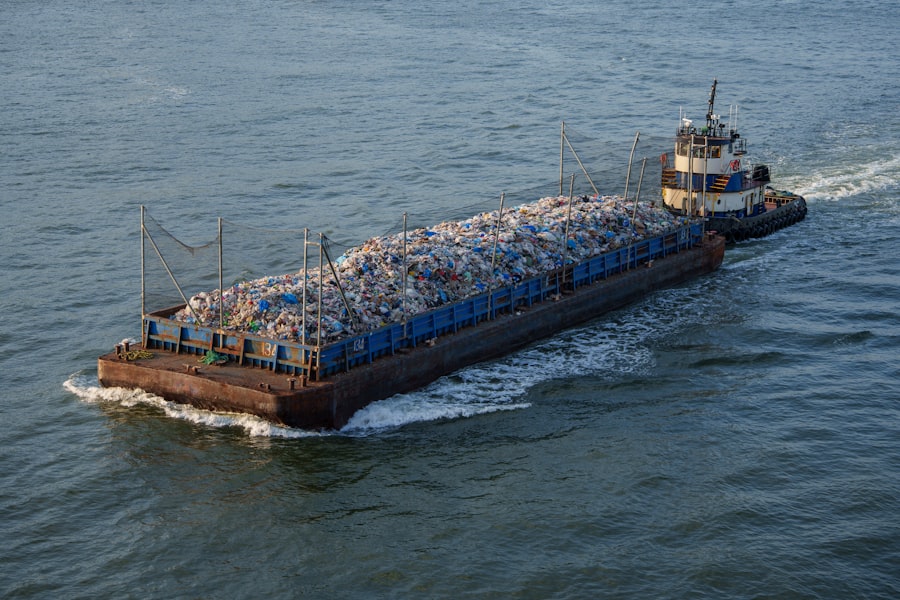
Despite the advancements in sustainable practices, ship recycling inherently presents environmental challenges. The sheer scale of the operation, the presence of hazardous materials, and the potential for pollution necessitate a proactive and rigorous approach to impact mitigation. Responsible facilities are constantly striving to minimize these impacts through a combination of advanced technology, stringent regulations, and a commitment to continuous improvement.
Air Pollution: Fumes and Particulates
The cutting and dismantling of metal structures, particularly using thermal methods, inevitably release fumes and particulate matter into the atmosphere. These emissions can contain volatile organic compounds (VOCs), heavy metals, and other pollutants that can affect air quality and human health.
Emission Control Technologies
To combat air pollution, modern recycling facilities are increasingly investing in advanced emission control technologies. This includes the installation of exhaust gas cleaning systems, which capture and filter pollutants before they are released. The use of water curtains and enclosed cutting areas can also help to contain airborne particles and fumes, reducing their dispersal into the surrounding environment. Regular monitoring of air quality in and around the facility is also crucial to assess the effectiveness of these measures and identify any potential issues.
Minimizing Thermal Cutting
Where possible, facilities are exploring ways to minimize the reliance on thermal cutting methods. This can involve pre-treatment processes to remove components that require less aggressive dismantling or the use of mechanical cutting equipment that generates fewer airborne pollutants. The choice of cutting method is often dictated by the specific material and its location on the ship, but a constant effort is made to opt for the least polluting option.
Water Pollution: Contaminated Runoff and Wastewater
Runoff from the dismantling area, as well as wastewater generated from cleaning and maintenance operations, can be a significant source of water pollution if not managed properly. This runoff can carry oils, greases, heavy metals, and other contaminants into local waterways.
Containment Systems and Treatment Plants
Effective containment systems are crucial for preventing contaminated runoff from reaching the environment. This involves the use of impermeable surfaces, bunds, and drainage systems that channel wastewater to dedicated treatment plants. These plants employ various physical, chemical, and biological processes to remove pollutants before the treated water is safely discharged or reused. The design and operation of these treatment plants are critical to ensure they meet stringent discharge standards.
Proper Waste Segregation and Disposal
Ensuring that all waste streams are properly segregated and disposed of is paramount. Hazardous waste, such as oily rags and contaminated soil, must be collected and transported to licensed facilities for specialized treatment and disposal. General waste should also be managed to maximize recycling and minimize landfill.
Soil Contamination: Spills and Leaks
Accidental spills and leaks of oils, fuels, and chemicals can contaminate the soil within the recycling facility. This contamination can pose long-term environmental risks if not addressed promptly and effectively.
Soil Remediation Techniques
In instances of soil contamination, remediation techniques are employed to clean up the affected areas. This can involve excavation and off-site treatment, in-situ treatment methods, or the use of bioremediation techniques where microorganisms are used to break down pollutants. Regular site inspections and proactive maintenance of equipment are key to preventing soil contamination in the first place.
Impermeable Surfaces and Drainage
The installation of impermeable surfaces throughout the dismantling and storage areas of the facility is a fundamental preventative measure against soil contamination. These surfaces prevent liquids from seeping into the ground. An effective drainage system then collects any spills or leaks and directs them to the appropriate containment and treatment facilities.
Noise Pollution: Impact on Local Communities
The operation of heavy machinery, cutting equipment, and the movement of large components can generate significant noise pollution, which can be a nuisance to surrounding communities.
Noise Mitigation Measures
Recycling facilities employ various measures to mitigate noise pollution. This can include the strategic placement of noisy operations away from residential areas, the use of noise barriers, and the regular maintenance of machinery to ensure it operates at optimal noise levels. Scheduling noisy activities during less sensitive hours can also help to minimize disruption.
Community Engagement and Communication
Open communication and engagement with local communities are vital. Facilities should inform residents about their operations, address concerns regarding noise levels, and be responsive to feedback. Building a good neighborly relationship can help to mitigate potential conflicts and foster understanding.
Resource Recovery and Circular Economy Principles

The concept of a circular economy, where materials are kept in use for as long as possible, is increasingly being integrated into ship recycling practices. The goal is not just to dispose of a ship but to maximize the recovery of valuable materials, transforming what was once considered waste into resources for new production. This approach aligns with global efforts to reduce resource depletion and minimize the environmental impact of manufacturing.
Steel: The Primary Recovered Material
Steel is the most abundant material on a ship, comprising a significant portion of its structure. The recovered steel from ship recycling is a valuable commodity, feeding directly back into the steel industry for the production of new steel products, ranging from construction materials to automotive parts.
Quality Control and Processing of Scrap Steel
The quality of recovered steel is paramount. Recycling facilities employ rigorous quality control measures to ensure that the scrap steel meets the specifications required by steel mills. This involves the removal of non-ferrous metals and other contaminants. The steel is then typically shredded or compacted to facilitate transport and processing.
Benefits of Recycled Steel
Utilizing recycled steel in manufacturing significantly reduces the need for virgin iron ore extraction and the energy-intensive processes associated with producing new steel from raw materials. This translates to lower greenhouse gas emissions and reduced environmental degradation associated with mining. The availability of high-quality recycled steel from ship recycling provides a sustainable and cost-effective alternative for the steel industry.
Non-Ferrous Metals: Copper, Aluminum, and More
Ships also contain significant quantities of non-ferrous metals, such as copper (found in wiring and piping), aluminum (in superstructures and various components), and other alloys. These metals have high scrap value and are critical for various industries.
Specialized Recovery Processes
The recovery of non-ferrous metals often requires specialized processes. For instance, copper wiring is stripped and then melted down. Aluminum components are separated and processed to be recycled into new aluminum products. The efficiency of these recovery processes directly impacts the economic viability and environmental benefits of the recycling operation.
Contribution to Diverse Industries
Recovered non-ferrous metals are essential raw materials for a wide range of industries, including electronics, automotive manufacturing, and construction. By recycling these metals, ship recycling facilities contribute to a more sustainable supply chain and reduce the demand for primary metal extraction, which can be environmentally damaging.
Other Valuable Materials: Plastics, Wood, and Machinery
Beyond metals, ships contain other materials that can be salvaged and recycled. This can include plastics from interior fittings, wood from decks and furniture, and even functional machinery and equipment that can be refurbished or reused.
Reuse and Refurbishment Programs
Some recycling facilities are establishing programs for the reuse and refurbishment of functional equipment and components. This not only reduces waste but also provides cost-effective alternatives for various industries. For instance, engines, generators, and navigational equipment can be inspected, repaired, and resold.
Challenges in Recycling Complex Materials
Recycling complex materials like plastics and composites can present unique challenges. The diverse types of plastics used in ships, often mixed or treated with fire-retardant chemicals, can make them difficult to recycle. Similarly, while wood can be chipped for various uses, contaminated wood may require specialized disposal. Continuous research and development are needed to find more effective and sustainable methods for recycling these materials.
Inside a ship recycling facility, the intricate processes of dismantling and repurposing vessels are crucial for environmental sustainability and resource recovery. For a deeper understanding of the challenges and innovations in this industry, you can explore a related article that discusses the latest advancements in ship recycling practices. This article highlights the importance of adhering to safety regulations and the impact on local communities. To read more about these developments, visit this informative piece.
The Future of Ship Recycling: Innovation and Responsibility
| Metrics | Value |
|---|---|
| Number of ships recycled | 10 |
| Recycling capacity (tonnes/year) | 50,000 |
| Percentage of materials recycled | 95% |
| Number of workers employed | 200 |
The ship recycling industry is in a constant state of evolution, driven by technological advancements, increasing regulatory pressures, and a growing global commitment to sustainability. The future of this sector lies in embracing innovation while upholding the highest standards of environmental and social responsibility.
Technological Advancements and Automation
The integration of advanced technologies, including artificial intelligence and robotics, is expected to further revolutionize ship recycling. Automated systems can enhance safety by performing hazardous tasks, improve efficiency by optimizing dismantling processes, and ensure greater precision in material recovery. This will lead to faster recycling cycles and a more controlled and environmentally sound deconstruction.
Digitalization and Data Management
The use of digital technologies for inventory management, process tracking, and environmental monitoring will become increasingly important. Digital platforms can provide real-time data on material flows, emissions, and waste generation, enabling better decision-making and continuous improvement in operational efficiency and environmental performance.
Global Collaboration and Standardization
The global nature of shipping necessitates international collaboration and standardization in ship recycling practices. The widespread adoption and enforcement of the Hong Kong Convention are crucial steps towards ensuring a level playing field and preventing the migration of recycling activities to less regulated regions where environmental and labor standards may be compromised.
Promoting Best Practices and Knowledge Sharing
Sharing best practices and knowledge among recycling facilities worldwide is essential for driving continuous improvement. Industry associations, international organizations, and research institutions play a vital role in facilitating this exchange, fostering a culture of innovation and responsibility across the sector.
The Role of Ship Owners and Operators
Ultimately, the responsibility for ensuring sustainable ship recycling lies not only with the recycling facilities but also with ship owners and operators. Their decisions regarding ship design, maintenance, and the selection of recycling yards significantly influence the environmental and social outcomes of the end-of-life process.
Ethical Sourcing and Due Diligence
Ship owners and operators must conduct thorough due diligence when selecting recycling partners, ensuring that the chosen facilities adhere to international standards and demonstrate a strong commitment to environmental protection and worker safety. This includes verifying certifications, assessing operational practices, and understanding the facility’s track record.
Investing in Green Decommissioning
Investing in “green decommissioning” means viewing the end-of-life of a vessel not as a disposal problem but as an opportunity to responsibly recover resources and minimize environmental impact. This forward-thinking approach aligns with the principles of a circular economy and contributes to a more sustainable maritime industry. The journey of a ship from majestic voyager to recycled materials is a testament to the evolving landscape of industrial practices, where sustainability and responsible stewardship are becoming non-negotiable aspects of progress.

The Beaches Global Trade Can’t Afford to Lose
FAQs
What is a ship recycling facility?
A ship recycling facility is a specialized facility where end-of-life ships are dismantled and their materials are recycled or disposed of in an environmentally responsible manner.
What happens inside a ship recycling facility?
Inside a ship recycling facility, the ship is carefully dismantled, and its various components and materials are separated for recycling or disposal. Hazardous materials such as asbestos and lead are removed and disposed of properly.
Why is ship recycling important?
Ship recycling is important for environmental and safety reasons. It allows for the reuse of valuable materials, reduces the environmental impact of ship disposal, and ensures that hazardous materials are handled and disposed of properly.
What are the environmental concerns associated with ship recycling?
Environmental concerns associated with ship recycling include the release of hazardous materials into the environment, improper disposal of waste, and the impact on local ecosystems and communities. Proper regulations and practices are essential to mitigate these concerns.
How are ship recycling facilities regulated?
Ship recycling facilities are regulated by international conventions such as the Hong Kong International Convention for the Safe and Environmentally Sound Recycling of Ships, as well as national and regional regulations. These regulations cover safety, environmental protection, and labor standards.