The immense vessels that traverse the globe, carrying vital cargo and connecting distant shores, eventually reach the end of their operational life. Their decommissioning is not a simple act of disposal; it is a complex and multifaceted process known as ship recycling. Understanding this process is crucial for appreciating the environmental, economic, and social implications of maritime trade. Ship recycling, often referred to as shipbreaking, is a specialized industry focused on dismantling retired ships safely and efficiently, salvaging valuable materials, and managing the hazardous substances they contain. It’s a global undertaking, with a significant portion of the world’s ship recycling concentrated in a few developing nations.
Ships, like any manufactured item, have a finite lifespan. Factors such as technological advancements, economic obsolescence, and the increasing cost of maintenance and repairs contribute to a vessel’s retirement. The decision to recycle a ship is often driven by a combination of these considerations. A ship that was once at the forefront of maritime technology might become outdated as newer, more fuel-efficient, and technologically advanced vessels enter the market. Regulatory changes, such as stricter emissions standards or safety requirements, can also render older ships uneconomical to operate or upgrade.
Economic Drivers for Recycling
The economics of ship ownership play a pivotal role in determining when a vessel enters the recycling phase. As a ship ages, its operational costs tend to rise. Maintenance and repair expenses can become substantial, and the risk of major failures increases. Furthermore, older ships may not meet the latest insurance requirements or secure favorable charter rates, diminishing their profitability. In some cases, the market value of a ship for continued operation might fall below its scrap value, making recycling the more financially prudent option. The global demand for steel, a primary component of ships, also influences the scrap value of decommissioned vessels.
Technological Obsolescence and Innovation
The relentless pace of technological innovation in the maritime industry directly impacts the lifespan of ships. New designs, improved propulsion systems, and advanced navigation and safety equipment can make older vessels less competitive and less efficient. Shipowners often face the decision of investing heavily in costly upgrades to extend the life of an aging vessel or opting for a new build that incorporates the latest technologies. The latter, while a significant initial investment, can lead to long-term savings in fuel consumption, operational efficiency, and compliance with evolving regulations. Consequently, ships that are no longer competitive due to technological limitations are often sent for recycling.
Regulatory Pressures and Environmental Compliance
An increasingly stringent global regulatory landscape is also a significant driver for ship recycling. International conventions, such as the International Maritime Organization’s (IMO) Safety of Life at Sea (SOLAS) and the Ballast Water Management Convention, impose requirements that can be expensive to implement on older vessels. Furthermore, regulations concerning the handling and disposal of hazardous materials found on ships, such as asbestos, polychlorinated biphenyls (PCBs), and ozone-depleting substances, are becoming more rigorous. Ships that cannot economically meet these evolving environmental and safety standards are often retired and sent for recycling. The EU Ship Recycling Regulation, for example, sets clear criteria for the recycling of ships flying the flag of EU member states, pushing for safer and more environmentally sound practices.
The ship recycling process is a crucial aspect of maritime sustainability, ensuring that decommissioned vessels are dismantled in an environmentally friendly manner. For a deeper understanding of this topic, you can explore the article that elaborates on the various stages of ship recycling, including the regulatory frameworks and best practices involved. To read more about it, visit this informative article.
The Global Landscape of Ship Recycling
The majority of the world’s ship recycling activities are concentrated in a few countries, predominantly in South Asia. This geographical concentration is largely due to a complex interplay of economic factors, available labor, and historical development of the industry. While this concentration has provided livelihoods for many, it has also been the source of significant environmental and human rights concerns. The practices employed at some recycling yards have come under intense scrutiny from international organizations and environmental groups.
Major Ship Recycling Hubs
The primary global hubs for ship recycling include India, Bangladesh, Pakistan, Turkey, and China. These nations possess large coastal areas suitable for beaching ships, a readily available workforce willing to perform the hazardous work, and a strong domestic demand for recycled steel. The economic viability of ship recycling in these regions is often driven by the low cost of labor and the ability to recover and sell vast quantities of steel and other valuable materials. The sheer scale of the operations in these countries means they process a significant percentage of the world’s decommissioned tonnage.
Economic and Social Factors
The economic rationale for concentrating ship recycling in developing nations is rooted in comparative advantage. Lower labor costs, less stringent environmental regulations (historically), and the absence of robust domestic steel production to absorb recycled materials drive the business to these locations. For the local populations, ship recycling yards represent a source of employment, albeit often dangerous and poorly compensated. This has led to complex social dynamics, with communities heavily reliant on the industry for income, while simultaneously grappling with the environmental degradation and health risks associated with traditional recycling methods.
Environmental and Human Rights Concerns
The environmental and human rights record of many ship recycling yards, particularly those in South Asia, has been a major point of international contention. Historically, the process has involved beaching large vessels on tidal shores, where workers, often with minimal safety equipment, would dismantle the ships manually. This practice has led to significant pollution of coastal waters and land from oil spills, hazardous waste, and the uncontrolled release of toxic substances. Furthermore, the lack of proper safety measures has resulted in numerous injuries and fatalities among the workforce, including exposure to asbestos, heavy metals, and other dangerous materials. The exploitation of labor and child labor have also been documented in some regions.
The Pre-Recycling Stages: Preparation and Planning

Before a ship even arrives at a recycling yard, a considerable amount of planning and preparation takes place. This is a critical phase for ensuring the process is as safe and environmentally sound as possible. Regulatory requirements, particularly those related to hazardous materials, mandate thorough inventories and removal plans. The ownership and destination of the vessel are also carefully managed to comply with international conventions and regulations.
Inventory of Hazardous Materials (IHM)
A cornerstone of responsible ship recycling is the accurate and comprehensive Inventory of Hazardous Materials (IHM). This document, mandated by the IMO’s Hong Kong Convention, lists all potentially hazardous materials present on the ship. It includes substances like asbestos, polychlorinated biphenyls (PCBs), ozone-depleting substances, heavy metals, and hydrocarbons. The IHM is developed during the ship’s operational life and is updated throughout its service. It serves as a crucial guide for the recycling yard, enabling them to plan for the safe removal and disposal of these materials.
Green Wrecking and Responsible Decommissioning
The concept of “green wrecking” or responsible decommissioning emphasizes a proactive approach to recycling. This involves planning for the end-of-life from the design stage of the ship, incorporating materials that are easier to recycle and minimizing the use of hazardous substances. It also includes ensuring that ships are delivered to recycling facilities that comply with international safety and environmental standards. Responsible owners and operators will meticulously select their recycling partners, often auditing their facilities and operational practices to ensure compliance with conventions like the Hong Kong Convention and the EU Ship Recycling Regulation.
Transfer of Ownership and Flagging Out
The transfer of ownership and, often, the “flagging out” of a ship to a flag of convenience are common practices before a vessel is sent for recycling. Flagging out to a nation with less stringent regulations can sometimes be a strategy to avoid the costs associated with compliant recycling. However, international regulations are increasingly addressing this loophole, holding owners accountable for the responsible recycling of their vessels regardless of the flag. Transparent ownership trails and rigorous due diligence are essential to prevent a ship from being illegally traded for breaking in unsafe conditions.
The Dismantling Process: From Hull to Scrap
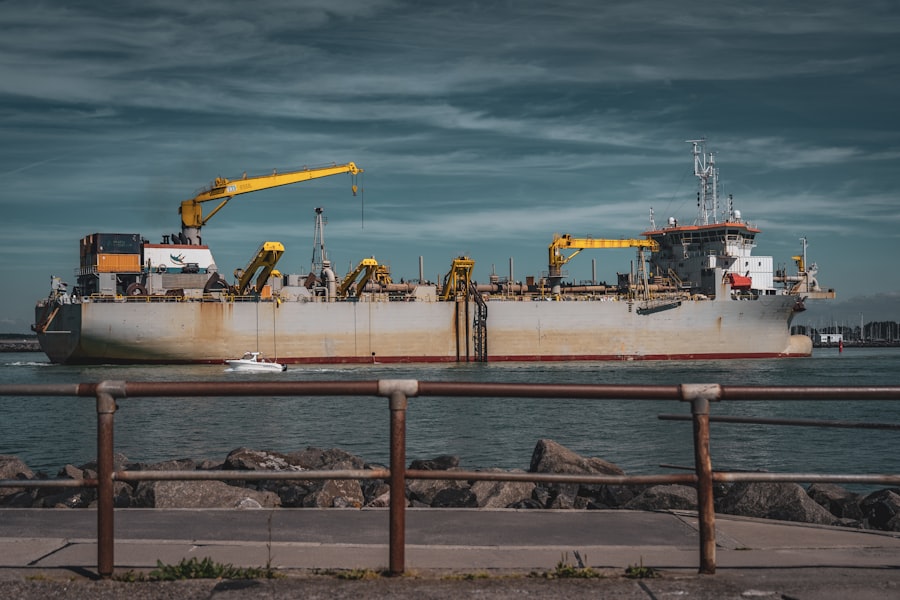
The actual dismantling of a ship is a labor-intensive and often dangerous undertaking. It involves a methodical breakdown of the vessel, starting with the removal of valuable and hazardous materials, followed by the segmentation of the hull and superstructure. The methods employed vary depending on the yard’s capabilities and adherence to safety and environmental protocols.
Safe Removal of Hazardous Materials
The initial and most critical phase of dismantling is the safe removal of all hazardous materials identified in the IHM. This requires specialized training, appropriate personal protective equipment (PPE), and adherence to strict procedures. Asbestos is a particular concern, requiring careful containment and disposal to prevent airborne fibers. Oil and fuel tanks are drained and cleaned, and any residual chemicals are managed according to environmental regulations. This stage is paramount for protecting both the workers and the environment.
Cutting and Segmentation of the Hull
Once the hazardous materials have been removed, the ship’s hull and superstructure are cut into manageable sections. This is typically done using oxy-acetylene torches. The workers, often referred to as “breakers,” meticulously cut through steel plates and structural members. The skill and experience of these workers are essential for efficient dismantling and for minimizing the risk of structural collapse during the process. The size and weight of the segments are determined by the capabilities of the cranes and other lifting equipment at the recycling yard.
Beaching vs. Dry Dock Dismantling
Historically, the most common method of ship dismantling has been “beaching,” where large vessels are deliberately run aground on tidal flats. This allows workers to access the ship at low tide. However, this method is highly controversial due to its environmental impact and safety risks. Increasingly, more responsible recycling yards are employing dry dock dismantling. In this method, the ship is brought into a dry dock, providing a more controlled and safer working environment. This allows for better containment of pollutants and more organized material recovery.
The ship recycling process is a critical aspect of maritime sustainability, ensuring that decommissioned vessels are dismantled in an environmentally responsible manner. For those interested in learning more about the intricacies of this process, a related article provides a comprehensive overview of the various stages involved. You can explore the details further by visiting this informative resource, which delves into the methods and regulations governing ship recycling. Understanding these practices is essential for promoting a greener future in the shipping industry.
Post-Recycling: Material Recovery and Environmental Stewardship
| Stage | Process |
|---|---|
| 1 | Preparation of the ship for recycling |
| 2 | Removal of hazardous materials |
| 3 | Dismantling of the ship’s structure |
| 4 | Separation and recycling of materials |
| 5 | Proper disposal of remaining waste |
The end of the dismantling process does not signify the end of the ship recycling journey. The recovered materials have significant economic value, and responsible recycling extends to ensuring that any residual waste is managed in an environmentally sound manner. The industry is continually evolving to incorporate more sustainable practices and to minimize its ecological footprint.
Scrap Metal Recovery and Reuse
The vast majority of a ship is made of steel, and this scrap metal is a valuable commodity. It is typically sold to steel mills, where it is melted down and repurposed into new products, including construction materials, vehicles, and even new ships. The recovery of other metals, such as copper and aluminum, also contributes to the economic viability of the recycling process. The steel recovered from ships can be a significant source of raw material for national industries, reducing the need for virgin ore extraction.
Management of Residual Waste and Pollution Control
While the focus is on material recovery, the responsible ship recycling process also involves the careful management of residual waste. This includes non-recyclable materials, contaminated debris, and any remaining hazardous substances that could not be fully removed. Proper disposal methods, such as controlled landfills or specialized treatment facilities, are crucial. Advanced recycling yards invest in pollution control measures, such as containment barriers to prevent oil spills and systems to treat wastewater, to minimize their environmental impact.
Towards Sustainable Ship Recycling Practices
The international community is actively working to promote more sustainable and responsible ship recycling practices. The ratification and implementation of the Hong Kong Convention are key to establishing global standards for safe and environmentally sound ship recycling. Initiatives by organizations like the NGO Shipbreaking Platform aim to raise awareness and advocate for better working conditions and environmental protection in the industry. The development of specialized, onshore recycling facilities equipped with advanced technology is a growing trend, offering a safer and more controlled alternative to traditional beaching methods. The ultimate goal is to transition the industry towards a circular economy model, where the end-of-life of a ship is viewed not as disposal, but as a valuable source of materials for future production. This requires continuous innovation, stringent regulation, and a commitment from all stakeholders – shipowners, regulators, and recyclers – to prioritize safety, environmental protection, and social responsibility.

The Beaches Global Trade Can’t Afford to Lose
FAQs
What is ship recycling?
Ship recycling, also known as ship breaking, is the process of dismantling an old or decommissioned ship in order to recover valuable materials and components for reuse or recycling.
What are the environmental concerns associated with ship recycling?
Ship recycling can pose environmental concerns due to the presence of hazardous materials such as asbestos, heavy metals, and toxic chemicals in the ship’s structure and equipment. Improper handling of these materials can lead to pollution of the surrounding environment.
How is ship recycling regulated internationally?
Ship recycling is regulated internationally by the International Maritime Organization (IMO) through the Hong Kong International Convention for the Safe and Environmentally Sound Recycling of Ships. This convention sets out regulations for the safe and environmentally friendly recycling of ships.
What are the steps involved in the ship recycling process?
The ship recycling process typically involves the following steps: 1) Pre-cleaning and removal of hazardous materials, 2) Dismantling of the ship’s structure and equipment, 3) Sorting and segregation of materials for recycling, and 4) Proper disposal of hazardous waste.
Where does ship recycling take place?
Ship recycling takes place in specialized facilities known as shipbreaking yards, which are often located in developing countries such as India, Bangladesh, and Pakistan. These yards are equipped to handle the dismantling and recycling of large ships.