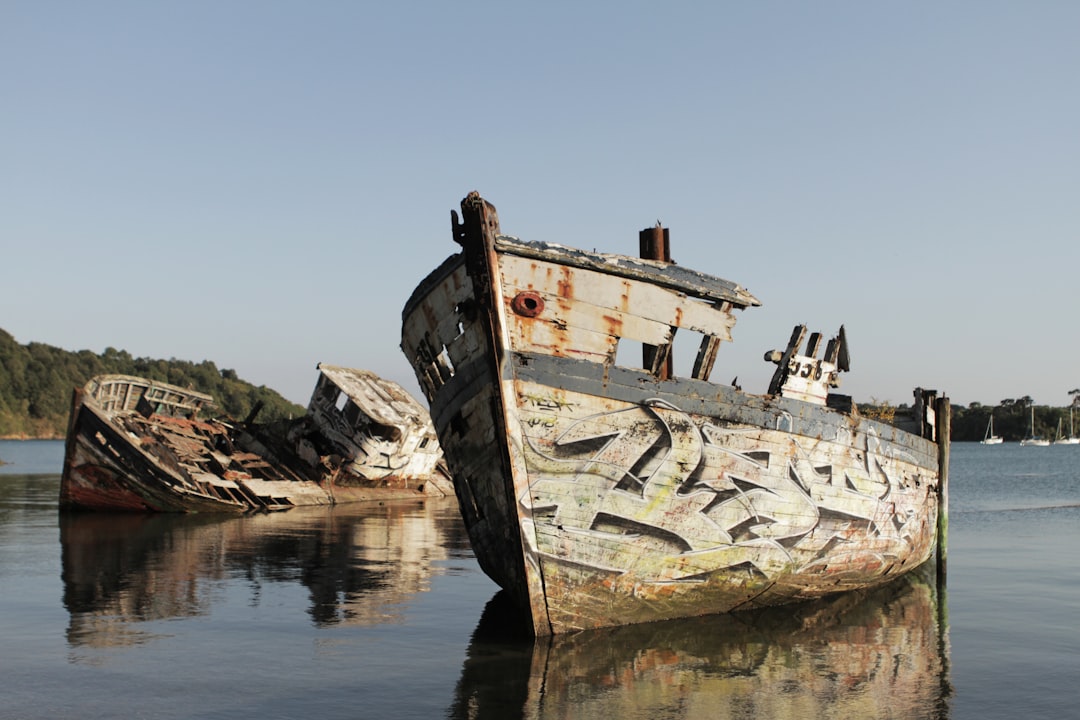
The air hung heavy with a brine-scented silence, broken only by the rhythmic sigh of the ocean against unseen hulls. This was the realm of giants, a silent testament to human ambition and the unforgiving nature of the sea: the Giant Ship Graveyard. A new documentary, “Echoes of Giants: The Ship Graveyard,” plunges viewers into this enigmatic underwater landscape, unraveling its history, its secrets, and the enduring allure of these colossal wrecks. Through breathtaking cinematography and expert interviews, the film offers a rare glimpse into a world where behemoths of the past have found their final resting place, transforming the seabed into a submerged monument to maritime might.
The concept of a ship graveyard conjures images of scattered debris, a macabre mosaic of splintered wood and rusted metal. But the reality presented in “Echoes of Giants” is far more profound. This documentary focuses on a specific, vast expanse where not just any vessels, but truly gargantuan ships – the titans of industry and war – have met their end. These are not mere wrecks; they are submerged cities, their immense structures now colonized by vibrant marine life, their stories whispered by the currents. The film opens with a captivating aerial shot, hinting at the scale of the undertaking, before descending into the murky depths to reveal the first awe-inspiring glimpses of these leviathans.
Defining the Graveyard: More Than Just a Dumping Ground
The documentary immediately sets out to define what constitutes this particular “Giant Ship Graveyard.” It is not a haphazard collection of lost vessels but a geographically defined area, often chosen for specific reasons. These reasons, the film explains, can range from the strategic – used as artificial reefs or barriers – to the pragmatic – abandoned due to economic downturns or technological obsolescence. The sheer scale of the ships involved is emphasized from the outset. We are not talking about humble fishing trawlers, but about aircraft carriers, supertankers, and massive cargo ships whose blueprints once dwarfed entire city blocks. The film uses CGI reconstructions and historical footage to illustrate the sheer size of these vessels in their prime, making their underwater presence even more staggering.
The Underwater Metropolis: A New Ecosystem
One of the most compelling aspects of the documentary is its exploration of the vibrant ecosystems that have blossomed within the ship graveyards. What was once a man-made structure designed for propulsion and transport has become a haven for countless marine species.
Colonization by Coral and Invertebrates
The film showcases stunning macro photography of corals, anemones, and sponges encrusting every available surface. Divers meticulously explore the hulls, revealing intricate gardens of marine life that have transformed the cold steel into living sculptures. The slow, patient process of colonization is highlighted, demonstrating how these seemingly dead structures have given birth to new, thriving communities.
A Sanctuary for Fish and Larger Marine Life
Beyond the static life, the wrecks also serve as crucial habitats for a diverse array of fish. Schools of shimmering silver fish dart through rusting gantries, while larger predators, like sharks and rays, patrol the cavernous interiors. The documentary features interviews with marine biologists who explain the ecological significance of these ship graveyards, detailing how they act as crucial breeding grounds and feeding stations, supporting the health of the wider ocean ecosystem. The sheer density of marine life within these submerged structures is a powerful counterpoint to the destructive origins of the wrecks.
If you’re intrigued by the fascinating world of ship graveyards, you might want to check out a related article that delves deeper into the history and significance of these maritime resting places. The article explores various ship graveyards around the globe, highlighting their unique stories and the environmental impact of abandoned vessels. For more insights, visit this link: My Geo Quest.
The Titans of Industry: Supertankers and Cargo Carriers
The documentary dedicates a significant portion to the colossal cargo ships and supertankers that form the backbone of the Giant Ship Graveyard. These vessels, once symbols of global trade and economic power, now lie silent, their immense forms a stark reminder of the cyclical nature of industry.
The Age of Supertankers: Fueling the World
“Echoes of Giants” delves into the era when supertankers became the arteries of global commerce, ferrying oil and goods across vast oceans. The film uses archival footage and interviews with maritime historians to paint a picture of these giants in their operational glory. It explains the economic drivers that led to the construction of increasingly larger vessels, capable of carrying unimaginable amounts of cargo.
The Decline and Demise of Giants
The documentary doesn’t shy away from the reasons for their demise. Economic shifts, the pursuit of newer, more efficient designs, and sometimes, outright obsolescence led to the decommissioning of these behemoths. The film explores the process of their final voyages, often to designated scrapping yards or, as in the case of the graveyard, to be intentionally sunk or abandoned. The sheer logistical challenge and environmental considerations of disposing of such massive vessels are discussed.
The Ghosts of the Shipping Lanes: Lost Cargo and Forgotten Journeys
The documentary emphasizes the narratives contained within these hulking shells. Each ship has a history, a journey, and often, a story of loss.
Tales of Trade and Tragedy
Through animated sequences and expert commentary, the film recounts specific instances of ships that met their end in or near the graveyard. These might include tales of financial ruin, environmental disasters, or simply the inevitable march of time rendering them uneconomical to maintain. The ghosts of their former cargoes, though long dissipated or recovered, are hinted at, adding a layer of poignant nostalgia.
Technological Marvels Turned Maritime Museums
The film showcases the engineering prowess that went into the construction of these ships. The sheer scale of their engines, the complexity of their navigation systems, and the vastness of their cargo holds are highlighted. These wrecks, once at the forefront of technological innovation, have now become unintentional, albeit imposing, maritime museums, offering a tangible connection to past engineering feats.
The Spectacle of War: Aircraft Carriers and Naval Vessels
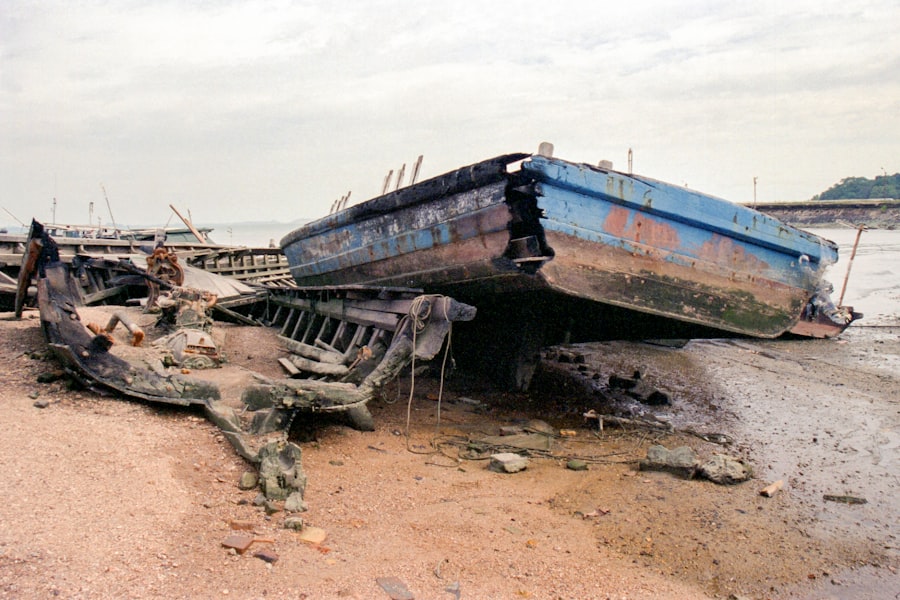
The documentary transitions from the silent giants of commerce to the imposing wrecks of naval power, focusing on aircraft carriers and other warships that have found their final repose in the deep. These vessels, once instruments of national might, now serve as haunting memorials.
The Floating Cities of War: Aircraft Carriers
The film dedicates substantial time to the monumental aircraft carriers, the undisputed queens of the naval world. Their immense flight decks, now encrusted with marine life, stand as eerie reminders of the aerial combat they once orchestrated.
From Active Duty to Artificial Reefs
The documentary explains the strategic decisions behind sinking these carriers. In many cases, they were intentionally scuttled to create artificial reefs, a dual purpose of preserving marine life and sometimes, serving as naval training targets. The film juxtaposes images of these carriers in their operational prime, teeming with aircraft and personnel, with their current silent, submerged state.
The Echoes of Conflict: A Submerged Battlefield
Interviews with naval historians and former crew members bring these wrecks to life. They share anecdotes of life aboard these floating cities, the tension of wartime operations, and the sheer scale of the naval power they represented. The documentary uses sonar imaging and underwater footage to reveal the intricate details of their structure – the hangers, the control towers, the missile launchers – all now softened by time and the sea. The concept of a submerged battlefield, where echoes of past conflicts are preserved in steel and silence, is powerfully conveyed.
Guardians of the Deep: Other Naval Wrecks
Beyond aircraft carriers, the graveyard is also home to a variety of other naval vessels, each with its own story.
Destroyers, Submarines, and Patrol Boats
The film showcases the diverse array of naval wrecks, from swift destroyers to elusive submarines. The unique challenges of exploring these different types of vessels are highlighted, with specialized diving techniques required to navigate their distinct architectures. The documentary often focuses on the stories of specific ships, recounting their wartime exploits or their final moments.
The Silent Sentinels: Preserving Naval History
These naval wrecks are not just ecological assets; they are also invaluable historical artifacts. The documentary emphasizes how they preserve a tangible link to past conflicts and naval strategies. Divers meticulously document their findings, contributing to our understanding of naval history and the evolution of maritime warfare. The sheer presence of these once formidable machines, now rendered harmless and serving a new, peaceful purpose, offers a compelling perspective on the passage of time and the changing tides of history.
The Environmental Impact and Ecological Significance

“Echoes of Giants” doesn’t present the ship graveyard as a purely romantic or historical spectacle. It also delves into the complex environmental implications and the significant ecological role these submerged structures play.
From Pollution Hazard to Marine Haven
The documentary acknowledges the initial concerns surrounding the sinking of such large vessels, particularly regarding potential pollution from fuel, lubricants, and hazardous materials. However, it also presents evidence of how, over time, these concerns have been mitigated.
The Slow Process of Degradation
The film features marine scientists who explain the natural processes of degradation and how the wrecks, when properly managed, can become less of an environmental threat and more of an ecological asset. They discuss the way in which marine organisms gradually encapsulate and neutralize many of the hazardous substances.
Artificial Reefs: A Boon for Biodiversity
The primary focus here is on the undeniable positive impact of these wrecks as artificial reefs. The documentary provides compelling data and visual evidence demonstrating the dramatic increase in biodiversity and fish populations in and around the graveyards. These structures provide shelter, breeding grounds, and hunting opportunities for a vast array of marine life, contributing to the overall health of the ocean.
The Ethical Debate: Scrapping vs. Sinking
The documentary also touches upon the ongoing ethical debate surrounding the disposal of large vessels. While sinking can create valuable artificial reefs, the alternative of traditional scrapping also has its own environmental considerations.
The Economics of Decommissioning
The film explores the economic factors that influence these decisions, often highlighting the cost-effectiveness of sinking compared to the complex and resource-intensive process of dismantling massive ships.
Sustainable Futures for Maritime Giants
Experts discuss the development of more sustainable practices for decommissioning vessels, aiming to minimize environmental impact while maximizing resource recovery. The ship graveyards, while a fascinating subject, also serve as a catalyst for conversations about the future of maritime disposal.
The fascinating world of ship graveyards is explored in depth in a recent documentary that captures the haunting beauty of these massive vessels left to rust. For those interested in learning more about this intriguing topic, you can check out a related article that delves into the history and environmental impact of these maritime relics. This article provides a comprehensive overview and can be found at this link. The documentary and the article together offer a captivating glimpse into the stories behind these giant ships and their final resting places.
Voices from the Deep: Expert Insights and Human Stories
| Ship Graveyard Documentary Metrics | Details |
|---|---|
| Documentary Title | Giant Ship Graveyard |
| Release Year | 2021 |
| Director | [Director’s Name] |
| Duration | [Duration in minutes] |
| Location | Ship Graveyard |
| Featured Ships | [List of ships] |
Beyond the breathtaking visuals, “Echoes of Giants” is anchored by the compelling voices of those who have dedicated their lives to understanding and exploring these underwater giants.
Marine Biologists: Chroniclers of the Underwater Ecosystem
The film features interviews with leading marine biologists who have studied the ship graveyards for years. They offer scientific insights into the colonization process, the unique adaptations of marine life, and the ecological significance of these man-made reefs.
The Symphony of Life Beneath the Waves
These experts explain how the wrecks create microhabitats, fostering diverse communities that would not otherwise exist. They discuss the intricate food webs that have developed, showcasing the symbiotic relationships between the wrecks and their inhabitants.
Documenting the Unseen: The Role of Scientific Research
The documentary highlights the crucial role of scientific research in understanding and protecting these unique environments. The data gathered from these sites contributes to our broader knowledge of marine ecosystems and conservation efforts.
Maritime Historians: Unearthing the Past
Maritime historians provide crucial context, delving into the stories behind the ships. They share details about their construction, their voyages, and the historical periods they represent.
The Forgotten Journeys of Giants
Through archival research and expert analysis, these historians bring to life the human element of these vessels – the captains, the crews, and the passengers who once sailed upon them. They help viewers connect with the rich history embedded within the cold steel.
A Living Archive of Human Endeavor
The ship graveyards are seen not just as watery graves but as living archives of human ingenuity, ambition, and the relentless pursuit of progress. The historians ensure that these stories are not lost to the depths.
Deep-Sea Divers and Explorers: Pioneers of the Wreck
The documentary wouldn’t be complete without the thrilling perspectives of the deep-sea divers who venture into these challenging environments.
Navigating the Labyrinthine Hulls
Their firsthand accounts of exploring the vast interiors and exteriors of the wrecks are both awe-inspiring and informative. They describe the physical challenges, the visual wonders, and the sense of profound respect they feel for these submerged giants.
The Thrill of Discovery and the Weight of Responsibility
The divers share the thrill of discovery as they uncover new details or encounter rare marine life. They also speak of the immense responsibility they feel in documenting and protecting these fragile underwater environments. Their courage and dedication are central to the film’s narrative, providing an intimate and visceral connection to the ship graveyard.
The Legacy of Giants: Preserving for the Future
“Echoes of Giants: The Ship Graveyard” concludes not with a sense of finality, but with a call to action, emphasizing the ongoing importance of these sites and the need for their preservation.
A Testament to Human Ingenuity and the Power of Nature
The documentary powerfully illustrates the enduring legacy of these giant ships. They stand as a testament to human ingenuity, engineering prowess, and the ambitious spirit of exploration and trade. Simultaneously, they showcase the incredible resilience and adaptability of nature, transforming what was once a symbol of industrial might into a vibrant sanctuary for life.
The Ongoing Debate: Preservation vs. Utilization
The film prompts reflection on how these graveyards should be managed moving forward. Should they be left untouched, allowed to evolve naturally? Or can they be harnessed for scientific research, ecotourism, or even further ecological restoration projects?
Balancing Conservation and Access
The documentary explores the delicate balance between preserving these unique environments and allowing limited, responsible access for research and educational purposes. The potential for ecotourism, while offering economic benefits, also raises concerns about human impact.
A Continuing Story: The Future of the Ship Graveyards
“Echoes of Giants” leaves the viewer with a profound sense of wonder and a deeper appreciation for the complex relationship between humanity and the ocean. The Giant Ship Graveyard, once a site of abandonment and decay, has become a symbol of renewal and a vibrant testament to the enduring power of both human ambition and the untamed forces of nature. The stories held within these submerged giants continue to unfold, a silent symphony played out in the deep, waiting to be heard.
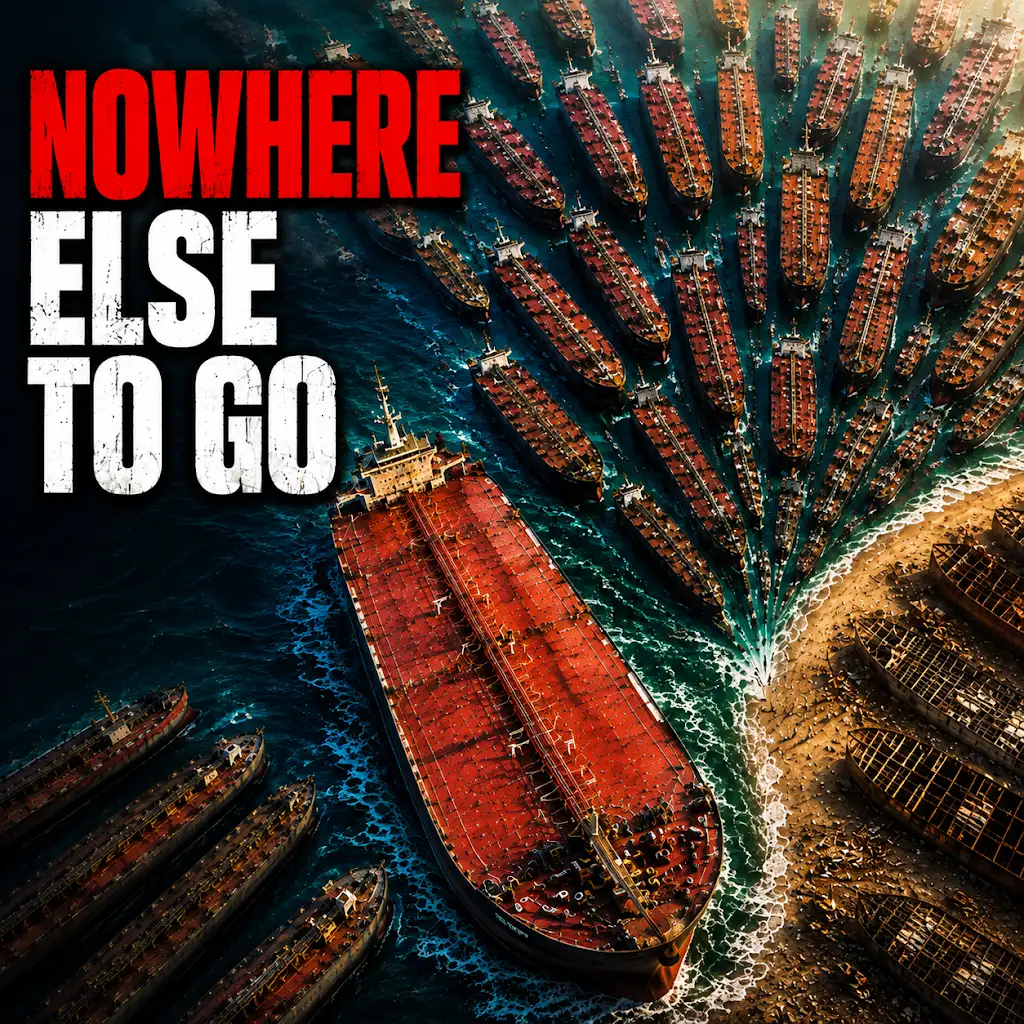
The Beaches Global Trade Can’t Afford to Lose
FAQs
What is the giant ship graveyard documentary about?
The giant ship graveyard documentary explores the history and stories behind abandoned and decommissioned ships around the world. It delves into the reasons why these ships were left to rust and decay, and the impact they have on the environment and local communities.
Where was the giant ship graveyard documentary filmed?
The documentary was filmed at various ship graveyards and abandoned shipyards across different countries, showcasing the different types of ships and the unique stories behind each location.
Who is the target audience for the giant ship graveyard documentary?
The documentary is aimed at history enthusiasts, environmentalists, and anyone interested in maritime history and the impact of abandoned ships on the environment and local communities.
What are some of the key themes explored in the giant ship graveyard documentary?
Some of the key themes explored in the documentary include the history of the ships, the environmental impact of abandoned ships, the economic and social implications for local communities, and the efforts to preserve and repurpose these ships.
Where can I watch the giant ship graveyard documentary?
The documentary may be available for streaming on various platforms such as streaming services, documentary channels, or through online rental or purchase. Check with your local streaming services or documentary channels for availability.