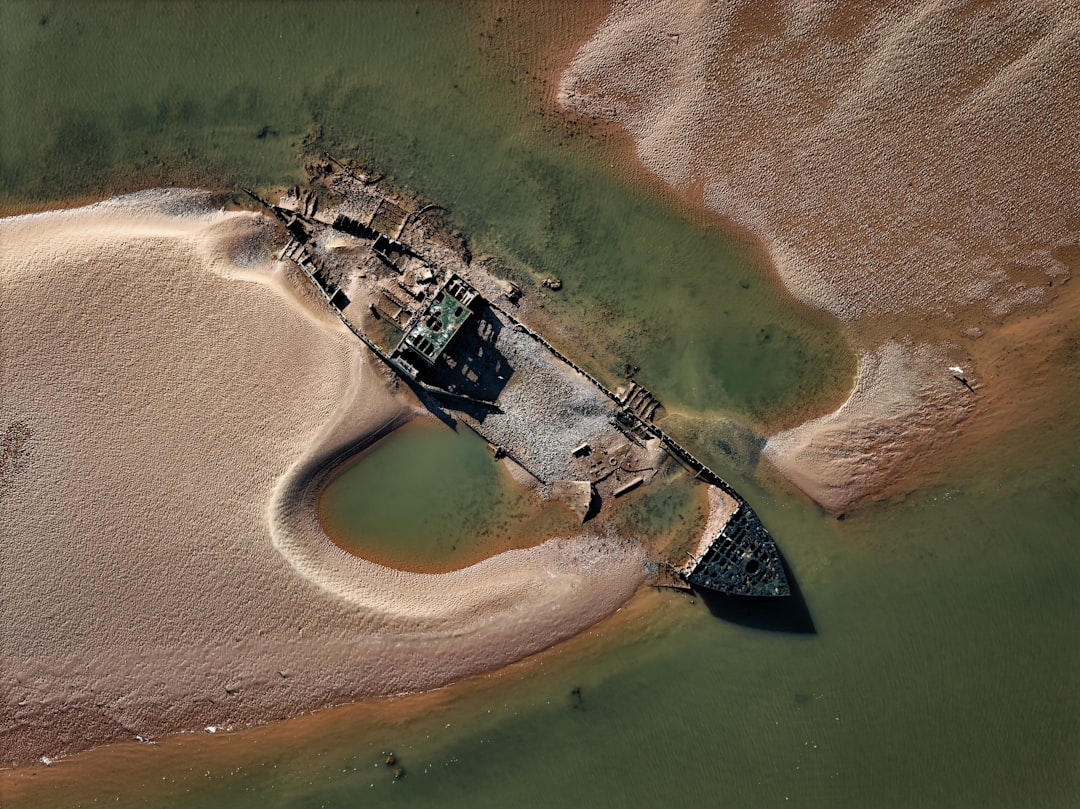
The hulking skeletons of vessels, once proud conquerors of the seas, now lie submerged or beached, silent testament to the relentless march of time and the unforgiving nature of maritime endeavor. These colossal graveyards, scattered across the globe, beckon explorers with their haunting beauty and the stories whispered by the rusting metal and the encroaching marine life. To venture into these watery cemeteries is to embark on a journey through industrial history, naval strategy, and the sheer power of nature reclaiming its own.
Ship graveyards, also known as ship breaking yards or maritime cemeteries, are areas where decommissioned, wrecked, or abandoned vessels are gathered for dismantling, scrapping, or simply left to decay. These sites, often vast stretches of coastline or sheltered bays, transform the sea into a somber monument to human ambition and technological advancement. They are not merely repositories of forgotten ships; they are intricate ecosystems, teeming with life that has adapted to their metallic forms. From the mighty aircraft carriers that once dominated naval power to the humble fishing trawlers that plied coastal waters, each vessel has a history, a story of voyages, battles, or trade that ended here, in this final resting place. The sheer scale of these graveyards is often breathtaking. Imagine miles of coastline dotted with the skeletal remains of colossal ships, their hulls breached, their decks overgrown, and their masts reaching towards the sky like gnarled fingers. The air, heavy with the scent of salt and decay, seems to hum with the echoes of a bygone era.
Defining the Ship Graveyard: More Than Just Rust
The term “ship graveyard” can encompass a variety of scenarios, from carefully managed shipbreaking facilities to accidental wrecks that accumulate over time. While the former are often industrial sites focused on resource recovery, the latter can be natural phenomena or the result of neglect.
Shipbreaking Yards: The Industrial End of the Line
These are the most visible and organized forms of ship graveyards. Located strategically on coastlines with deep water access and proximity to raw material markets, shipbreaking yards receive vessels at the end of their operational life. Here, skilled workers meticulously dismantle the ships, salvaging valuable metals and components. While this process is vital for recycling and resource management, it also creates vast areas where ship hulks are processed, often leaving behind a landscape dominated by broken vessels.
Accidental Wrecks and Natural Accumulations
Not all ship graveyards are the result of deliberate dismantling. Many are formed by shipwrecks caused by storms, collisions, or navigational errors. Over decades, these wrecks can accumulate in certain areas, creating underwater or partially submerged graveyards. Sometimes, these sites are the result of economic hardship, where owners abandon their vessels rather than incur the costs of repair or disposal.
The Aesthetics of Decay: Beauty in the Ruin
Despite their somber nature, ship graveyards possess a unique and often captivating aesthetic. The interplay of rust, water, and marine life creates a surreal landscape that has inspired artists, photographers, and filmmakers. The sheer scale and the stories embedded within these decaying giants evoke a sense of awe and contemplation about the ephemeral nature of human creations.
The world’s largest ship graveyards are fascinating sites that tell the story of maritime history and the environmental challenges associated with ship disposal. For those interested in exploring this topic further, an insightful article can be found at My Geo Quest, which delves into the various locations around the globe where abandoned vessels come to rest, highlighting both the beauty and the ecological implications of these graveyards.
Whispers from the Deep: Iconic Ship Graveyards Around the World
The world is dotted with these silent cities of steel, each with its own distinct character and history. From the vast expanses of Asia to the remote shores of the Arctic, these graveyards offer a glimpse into different eras of maritime history and industrial development. Understanding these iconic sites allows us to appreciate the global scale of maritime activity and its eventual decline.
Nouadhibou Bay, Mauritania: The Graveyard of the Atlantic
Perhaps the most famous and extensive ship graveyard is Nouadhibou Bay in Mauritania. This sprawling bay has become a dumping ground for hundreds, if not thousands, of vessels, earning it the moniker “the world’s largest cemetery of ships.” The shallow, warm waters have facilitated the gradual decay of these ships, creating a surreal landscape that is both haunting and ecologically significant.
The History of Accumulation: From Fishing to Abandonment
The accumulation of ships in Nouadhibou Bay is a complex story rooted in economic factors and lax regulations. Historically, the bay was a prime fishing ground, attracting a large fleet. As older vessels became uneconomical to maintain, they were often abandoned. Furthermore, international shipping companies have used the bay as a cheap disposal site for their aging fleets, taking advantage of the local conditions and limited enforcement.
An Evolving Ecosystem: Marine Life and the Steel Reefs
What was once a testament to human industrial prowess has transformed into a vibrant, albeit artificial, marine ecosystem. The rusting hulls and decaying structures provide an ideal substrate for coral growth, anemones, and a multitude of fish species. The shipwrecks have effectively become artificial reefs, supporting a diverse array of marine life and offering a unique habitat for both resident and migratory species.
Challenges and Conservation Efforts: Preserving a Unique Landscape
The sheer volume of debris in Nouadhibou Bay presents significant environmental challenges, including pollution from leaking fuel and the physical obstruction of navigation. While some efforts have been made to clear sections of the bay, the scale of the problem is immense, and the long-term future of this unique maritime graveyard remains uncertain.
Alang-Sosiya, India: The World’s Largest Shipbreaking Yard
Alang-Sosiya in Gujarat, India, is not a graveyard in the sense of ships being left to rot, but rather the epicenter of the global shipbreaking industry. This massive industrial complex handles a significant portion of the world’s decommissioned vessels, transforming them into scrap metal and reusable components. While its primary function is recycling, the sheer volume of ships processed creates a landscape dominated by the remnants of maritime giants.
The Mechanics of Dismantling: A Labor-Intensive Process
The process at Alang-Sosiya is a marvel of human endeavor and a testament to the sheer physical effort involved in dismantling colossal ships. Thousands of workers, often under challenging conditions, meticulously cut, break, and sort the ship’s components. The rhythmic clang of hammers and the roar of cutting torches are the constant soundtrack to this industrial ballet.
Economic Drivers and Environmental Concerns: A Double-Edged Sword
Alang-Sosiya plays a crucial role in the global economy by providing affordable scrap metal and employment. However, the environmental impact of such a large-scale operation is significant. Issues such as pollution from residual oil, hazardous materials, and worker safety have been ongoing concerns, prompting calls for stricter regulations and more sustainable practices.
The Human Element: Lives Shaped by the Scrap Heap
The lives of the thousands of workers at Alang-Sosiya are intrinsically linked to the fate of these ships. For many, it is a livelihood, a way to provide for their families. Their stories, often untold, are as much a part of this “graveyard” as the rusting hulks themselves, reflecting the human cost and the resilience associated with this demanding industry.
Staten Island, New York, USA: A Historic Naval Graveyard
Beyond the industrial scale of shipbreaking, the United States also boasts historic naval graveyards where decommissioned warships lie in a state of dignified retirement. The former U.S. Navy’s Reserve Fleet, often referred to as the “mothball fleet,” features sites like the Hudson River Reserve Fleet on Staten Island, where aging battleships, cruisers, and aircraft carriers rest.
The “Mothball Fleet”: Preserving Naval Heritage
These graveyards are not about dismantling but about preservation, albeit a passive form of it. The ships are maintained in a state where they can be reactivated if necessary, though this is rarely the case. They serve as floating museums of naval history, silent sentinels of past conflicts and technological advancements.
Iconic Vessels and Their Resting Places: A Glimpse into Naval Power
Sites like Staten Island showcase some of the most iconic vessels in American naval history. Visitors can marvel at the sheer size of retired battleships, their turrets now silent, and imagine the crews that once walked their decks. These vessels represent a tangible link to the nation’s military past.
Transition and Future: From Military Might to Public Interest
The future of these historic naval graveyards is a subject of ongoing discussion. While some ships are preserved as museum pieces or artificial reefs, others are eventually dismantled. The challenge lies in balancing the cost of maintenance with the historical significance and public interest in these monumental artifacts.
The Ghosts of Warfare: Ship Graveyards of Conflict
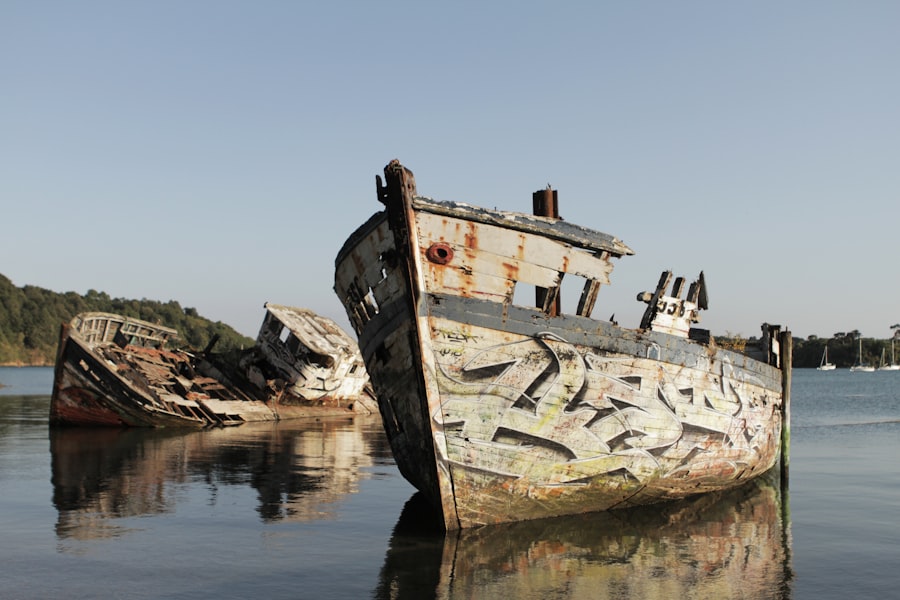
Beyond decommissioned vessels, the world’s oceans are also littered with the wrecks of ships lost in conflict. These underwater graveyards, often the sites of intense naval battles, hold the secrets of wartime bravery and tragedy, offering a stark reminder of the human cost of war.
The Scuttled Fleet of Scapa Flow, Scotland
The waters of Scapa Flow in the Orkney Islands are home to one of the most significant underwater ship graveyards in the world. Following the armistice of World War I, the German High Seas Fleet was interned here before being scuttled by their crews to prevent them from falling into Allied hands.
The Scuttling: A Final Act of Defiance
In June 1919, German sailors deliberately opened the seacocks of over 50 warships, sending them to the seabed. This act, intended to deny the victors the spoils of war, created a unique and haunting underwater landscape, now a popular destination for divers.
A Diver’s Paradise and a Historical Monument
The wrecks of Scapa Flow, including battleships and cruisers, are remarkably well-preserved due to the cold, dark waters. They have become a mecca for technical divers, who can explore the ghostly remains of these once-powerful vessels. The site also serves as a poignant reminder of the devastating impact of war.
Conservation and Access: Balancing Preservation and Exploration
The preservation of the Scapa Flow wrecks is a critical concern. While diving tourism brings economic benefits, it also poses risks to the integrity of the wrecks. Ongoing efforts focus on managing access, educating divers, and ensuring the long-term survival of this unique historical site.
The Pacific Graveyards: Sites of World War II Battles
The vast expanse of the Pacific Ocean is dotted with the final resting places of countless vessels lost during World War II. From the shallow waters of the Coral Sea to the depths of the Mariana Trench, these sites are imbued with the ghosts of aerial combat, naval bombardments, and kamikaze attacks.
The Battle of the Coral Sea: A Submerged Battlefield
This pivotal naval engagement in 1942 resulted in the loss of several significant ships on both sides. Many of these wrecks lie scattered across the seabed, some shallow enough to be explored by divers, others lost to the crushing depths.
Truk Lagoon: The Sunken Fleet of Operation Hailstone
Truk Lagoon (now Chuuk Lagoon) in Micronesia became a graveyard for a large Japanese fleet during the U.S. “Operation Hailstone” in February 1944. The lagoon was attacked relentlessly, resulting in the sinking of numerous warships and cargo vessels.
The Lingering Presence: Memorials and Underwater Museums
These underwater battlefields serve as solemn memorials to the lives lost and the sacrifices made. While some wrecks are protected as historical sites, others are actively explored by divers who seek to connect with this turbulent period of history. The challenge for these sites lies in their remote locations and the potential for looting or environmental degradation.
Nature’s Reclamation: Life Thrives Amidst the Rust
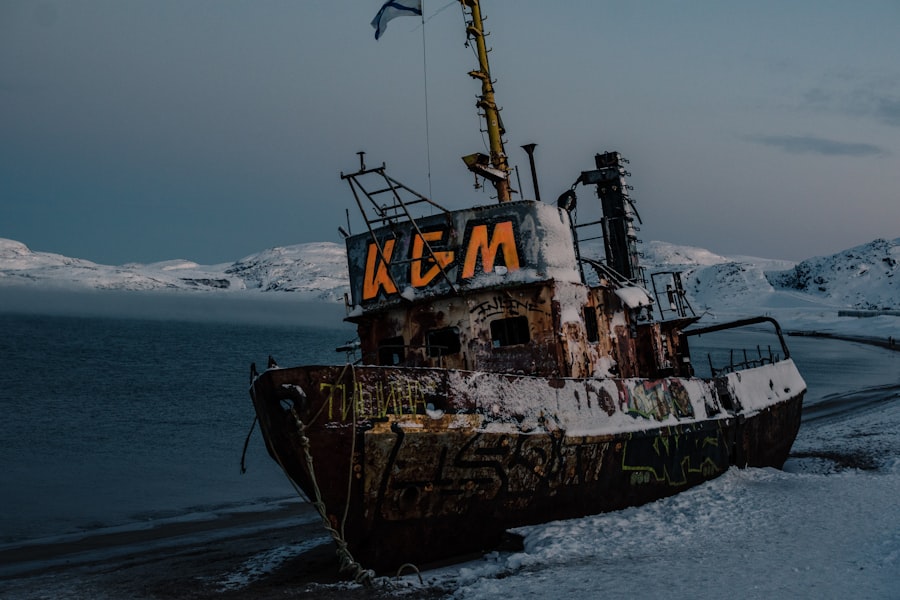
Perhaps the most fascinating aspect of ship graveyards is the way nature asserts itself, transforming man-made structures into thriving ecosystems. The rusting hulks, once symbols of industrial might, become canvases for the relentless artistry of the sea.
The Artificial Reef Effect: Biodiversity Blooms
The submerged hulls of ships provide complex three-dimensional structures that mimic natural reefs. These artificial habitats offer shelter, breeding grounds, and feeding opportunities for a vast array of marine organisms.
Colonization by Marine Life: From Microbes to Mega-fauna
The process begins with microscopic organisms, followed by algae, barnacles, and mussels. As these colonize, they attract larger invertebrates, such as crabs and lobsters, and subsequently, a diverse population of fish species. Larger marine mammals, like dolphins and whales, are also known to frequent these areas.
The Evolution of the Ecosystem: A Dynamic Balance
The ship graveyards are not static environments. The constant decay of the metal, the shifting currents, and the ebb and flow of marine populations create a dynamic and ever-evolving ecosystem. The interplay between the decaying metal and the living organisms is a remarkable demonstration of ecological resilience.
Research and Conservation: Understanding the Impact
Scientists actively study these ship graveyards to understand the dynamics of artificial reefs and the impact of such structures on marine biodiversity. This research can inform conservation efforts and help in the creation of new artificial reefs for marine habitat restoration.
The world’s largest ship graveyards are fascinating sites that tell the stories of maritime history and the environmental challenges faced by the shipping industry. For those interested in exploring this topic further, a related article provides an in-depth look at the various shipbreaking practices around the globe and their impact on local economies and ecosystems. You can read more about it in this detailed exploration that highlights the significance of these graveyards and the future of ship recycling.
The Future of Forgotten Vessels: Preservation, Recycling, and Renewal
| Ship Graveyard | Location | Number of Ships | Area |
|---|---|---|---|
| Alang Ship Breaking Yard | Gujarat, India | Over 200 ships annually | 10 kilometers |
| Chittagong Ship Breaking Yard | Chittagong, Bangladesh | Over 200 ships annually | 20 kilometers |
| Ghost Fleet of Mallows Bay | Maryland, USA | Over 100 ships | 14 square miles |
The existence of ship graveyards raises important questions about the future of our maritime heritage and the responsible management of aging vessels. The choices made today will shape the legacy of these metal giants for generations to come.
The Ethical Dilemmas of Shipbreaking: Balancing Progress and Responsibility
As the global demand for raw materials continues, shipbreaking yards like Alang-Sosiya will remain vital. However, the ethical considerations surrounding worker safety and environmental impact necessitate a move towards more sustainable and responsible practices.
Innovations in Ship Recycling: Greener Practices on the Horizon
The industry is slowly adapting, with innovations in technology and stricter international regulations aimed at minimizing the environmental footprint of shipbreaking. This includes measures for handling hazardous materials and improving working conditions.
The Role of Artificial Reefs: Giving Old Ships New Life
Creating artificial reefs from decommissioned vessels offers a sustainable alternative to dismantling, transforming ships into valuable marine habitats. This approach not only supports biodiversity but can also contribute to coastal protection and fisheries management.
Preserving Maritime History: Beyond the Scrap Heap
For historically significant vessels, preservation as museum ships or educational resources offers a way to connect future generations with our maritime past. These efforts ensure that the stories and engineering marvels of these ships are not lost to time. The continued exploration of the world’s ship graveyards offers a profound and often moving experience, a journey into the forgotten corners of our industrial and maritime history, where the silent sentinels of the sea continue to tell their tales.
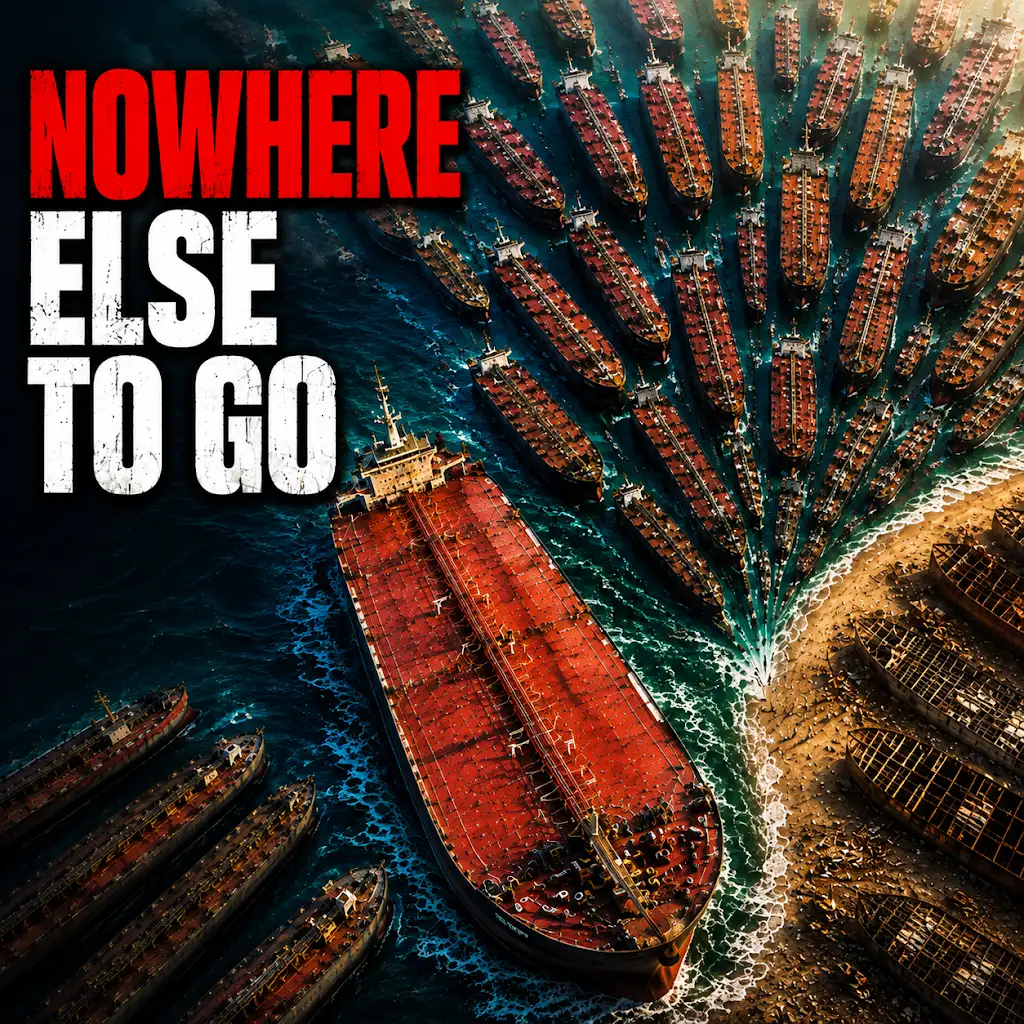
The Beaches Global Trade Can’t Afford to Lose
FAQs
What are ship graveyards?
Ship graveyards, also known as ship breaking yards, are locations where decommissioned ships are dismantled and their valuable parts and materials are salvaged for reuse or recycling.
Where are the world’s largest ship graveyards located?
The world’s largest ship graveyards are located in Alang, India; Chittagong, Bangladesh; and Gadani, Pakistan. These locations are known for their extensive ship breaking operations due to lower labor and environmental regulations.
How are ships dismantled in these graveyards?
Ships are dismantled manually in these graveyards, with workers using cutting torches, cranes, and other heavy machinery to break down the ships into smaller pieces. The salvaged materials are then sold for reuse or recycling.
What are the environmental and safety concerns associated with ship graveyards?
Ship graveyards are often associated with environmental pollution and safety hazards. The dismantling process can release hazardous materials such as asbestos, lead, and oil into the surrounding environment, posing risks to both workers and local communities.
What happens to the salvaged materials from ship graveyards?
The salvaged materials from ship graveyards, such as steel, copper, and other metals, are sold to various industries for reuse or recycling. These materials are often used in the production of new products, contributing to the circular economy.