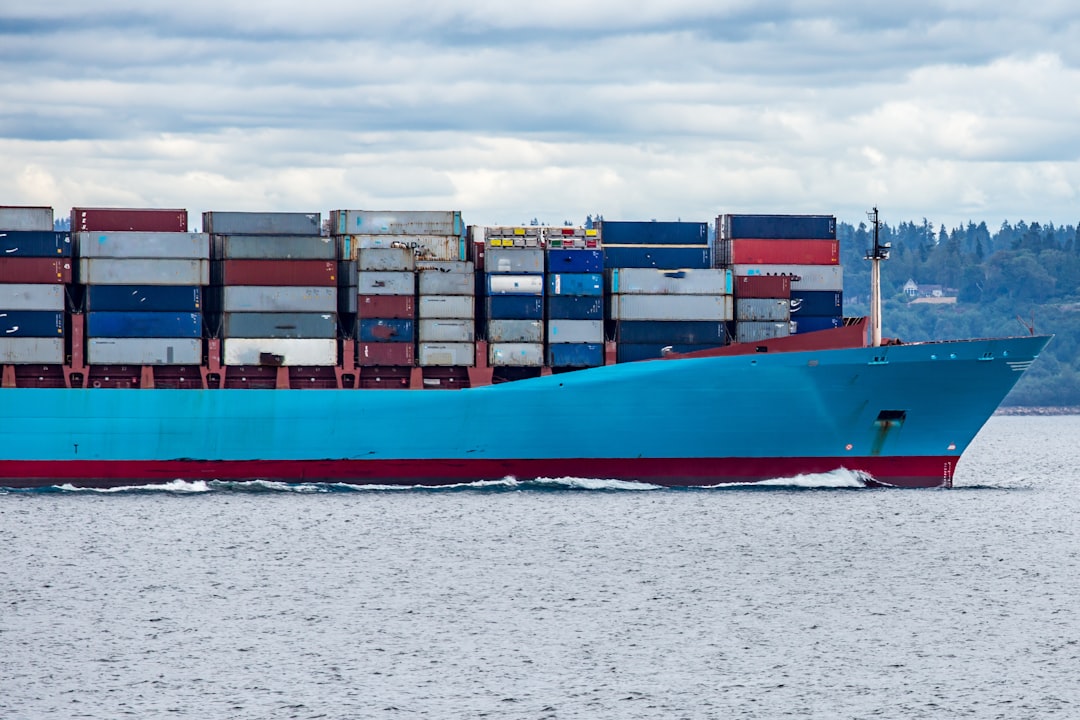
The immense, hulking forms that once dominated global trade, carrying everything from toys and electronics to raw materials and finished goods, eventually find their final resting place not in bustling ports or churning seas, but in designated graveyards. These are the shipbreaking yards, vast expanses of beaches and coastal areas where the colossal metal behemoths of the container shipping industry are systematically dismantled, piece by agonizing piece. These graveyards are a stark testament to the finite lifespan of even the most powerful machines, a place where the relentless march of obsolescence meets the raw, manual labor of human hands.
The lifecycle of a container ship is a remarkable journey, spanning decades of dedicated service. These vessels, often stretching longer than skyscrapers are tall, are the arteries of globalization, facilitating the movement of goods across vast oceans at an unprecedented scale. Yet, like all machines, their operational efficiency wanes, and the cost of maintenance and upgrades eventually outweighs their economic utility. The decision to send a container ship to the graveyard is a complex one, driven by a confluence of economic, environmental, and regulatory factors.
Economic Imperatives: The Bottom Line of Obsolescence
The primary driver for a ship’s retirement is almost always economic. Container shipping is a fiercely competitive industry, and profitability hinges on speed, efficiency, and fuel economy.
Aging Infrastructure and Fuel Inefficiency
As container ships age, their engines become less fuel-efficient, and their hull designs become outdated compared to newer, more streamlined vessels. This leads to increased fuel consumption, a significant operating expense, making them less competitive in a market where every penny counts. The cost of retrofitting older ships with modern, eco-friendlier technologies can often be prohibitive, especially when compared to the price of a new, purpose-built vessel.
The Shifting Tides of Cargo Capacity
The demand for larger and larger container ships has been a defining trend in the industry for decades. Newer vessels boast significantly higher cargo capacities, allowing shipping companies to transport more goods per voyage and achieve economies of scale. Older, smaller ships are simply outcompeted, unable to offer the same economic advantages to clients. Their reduced capacity makes them less desirable and less profitable to operate.
Regulatory Hurdles and Environmental Mandates
Increasingly stringent environmental regulations play a crucial role in the decision to retire a ship. International maritime organizations and national governments are imposing stricter rules on emissions, ballast water management, and the handling of hazardous materials. Older ships, often built before these regulations were in place, may struggle to meet these evolving standards without extensive and costly modifications. The potential for fines and penalties further hastens their exit from active service.
The Lifespan of a Steel Behemoth: A Calculated Calculation
The lifespan of a container ship is not a fixed number but rather a dynamic calculation based on its design, construction, operational history, and the prevailing economic climate.
Design and Construction Materials
The materials used in the construction of a container ship, primarily high-strength steel, are designed for durability and resistance to the harsh marine environment. However, even the most robust steel is susceptible to corrosion and metal fatigue over time, especially after years of exposure to saltwater and constant stress. The structural integrity of the hull and other critical components gradually deteriorates, eventually reaching a point where repairs become uneconomical or insufficient to ensure safety.
Operational Cycles and Maintenance Regimes
A ship’s operational history significantly impacts its longevity. Ships that operate on frequent, long-haul routes and undergo rigorous maintenance schedules tend to last longer than those subjected to more sporadic use or less diligent upkeep. The sheer number of operational cycles—transits through different weather conditions, docking procedures, and cargo loading/unloading operations—contribute to wear and tear on all its systems, from the propulsion to the navigation equipment.
The Economic Horizon: When Profitability Dries Up
Beyond purely physical limitations, the “economic horizon” of a ship dictates its retirement. This is the point at which the projected future earnings of the vessel are no longer sufficient to justify the costs of operation, maintenance, and potential upgrades. Market fluctuations, charter rates, and the availability of newer, more competitive tonnage all influence this economic calculation.
Container ships, after serving their purpose in global trade, often find their final resting places in places known as shipbreaking yards. A fascinating article that delves into this topic is available at this link, where you can explore the environmental and economic implications of shipbreaking, as well as the stories behind these massive vessels as they transition from active duty to obsolescence.
The Journey to the Yard: A Final Voyage
Once the decision is made, the container ship embarks on its final voyage. This journey is not one of triumph or celebration, but rather a somber procession to a designated shipbreaking yard, often located in countries with lower labor costs and less stringent environmental regulations.
Selecting the Destination: A Global Network of Dismantling
The global shipbreaking industry is concentrated in specific regions, primarily in South Asia, where the economic and logistical conditions are most favorable for this labor-intensive process.
The Dominance of South Asia: India, Pakistan, Bangladesh, and Turkey
Countries like India, Pakistan, and Bangladesh have historically been the largest players in the shipbreaking market. Their extensive coastlines, large pools of readily available and relatively inexpensive labor, and proximity to shipping routes make them attractive destinations. Turkey also plays a significant role, particularly in the dismantling of smaller vessels and ferries.
The Controversial Practice of “Graveyard Tours”
The concept of a “graveyard tour” is a grim reality for many older container ships. They are often sailed directly to these remote breaking yards without significant decommissioning. This practice, while economically driven, has drawn considerable criticism due to the associated environmental and safety risks.
Preparing for the End: The Decommissioning Process
Before a ship can be systematically taken apart, a preliminary decommissioning process takes place. This involves the removal of any valuable or hazardous materials that can be salvaged or managed more safely elsewhere.
Draining and Discharging: Removing the Lifeblood
The first step involves draining all fuel, oil, ballast water, and other operational fluids. These substances, if released unchecked, can cause severe environmental damage. Specialized crews are tasked with safely removing and disposing of these materials, often requiring a significant logistical effort.
Salvageable Components: A Final Harvest
Before the hull is broken down, valuable components are often salvaged. This can include engines, generators, navigation equipment, cranes, and even furnishings. These parts can be refurbished and reused in other ships or sold for scrap, further contributing to the economic rationale of shipbreaking.
The Art of Destruction: The Shipbreaking Process

The act of dismantling a colossal container ship is a monumental undertaking, a blend of brute force and meticulous planning. It is a process that requires skilled labor, specialized equipment, and a deep understanding of the vessel’s structure.
Beaching and Breaking: The Front Lines of Dismantling
The most common method of shipbreaking involves beaching the vessel at high tide and then allowing the tide to recede, exposing the hull for dismantling. This allows workers to access the ship from the shore and begin the arduous task.
The ‘High and Dry’ Method: Exposing the Underside
The “high and dry” method is a characteristic feature of many shipbreaking yards. The ship is carefully maneuvered onto a specially prepared beach or mudflat during a high tide. As the tide goes out, the vessel settles onto the exposed seabed, creating a stable platform for workers to operate. This allows for easier access to the hull’s exterior and easier removal of large sections.
The Role of Cranes and Cutting Torches: A Symphony of Steel
Once beached, a fleet of heavy-duty cranes is deployed to lift and remove large sections of the ship. Simultaneously, skilled workers, armed with oxy-acetylene cutting torches, begin the painstaking process of cutting through the thick steel plates. This is a dangerous and demanding job, requiring precision and expertise to avoid accidents.
Segmenting and Sorting: From Giant to Raw Material
The ship is systematically broken down into smaller, manageable sections. These segments are then further processed and sorted for their constituent materials.
From Hull to Hearth: The Transformation of Steel
The massive steel plates that once formed the ship’s hull are cut into smaller pieces. These pieces are then transported to local or international steel mills, where they are melted down and recycled into new steel products. The quality of the recycled steel can vary depending on the original composition of the ship and the efficiency of the recycling process.
Beyond Steel: The Fate of Other Materials
While steel is the primary component of a container ship, other materials are also recovered. Copper wiring, aluminum components, wood from interior fittings, and various plastics are all sorted and channeled into their respective recycling streams. The recovery of these materials adds to the economic viability of the shipbreaking operation.
The Human Element: The Price of Progress
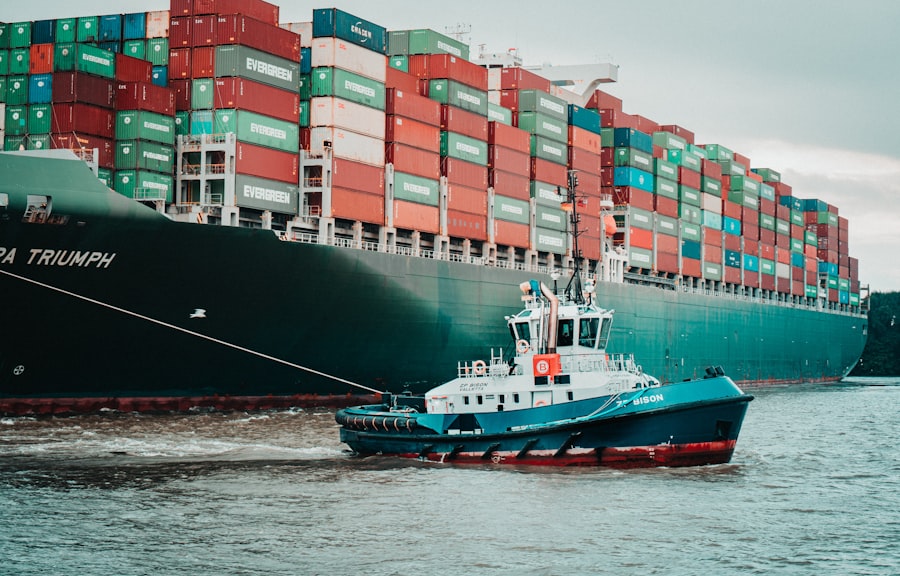
The shipbreaking industry is a stark reminder of the human cost associated with globalized industrial processes. The workers in these yards, often facing hazardous conditions and meager pay, are the unseen hands that facilitate the recycling of these massive vessels.
The Workforce: Unsung Heroes of the Graveyard
The individuals who labor in shipbreaking yards are the backbone of the industry. Their work is physically demanding and fraught with peril, yet they are often the least recognized contributors to the global economy.
Labor Conditions and Safety Concerns
Working conditions in many shipbreaking yards are a serious concern. Lack of proper safety equipment, inadequate training, and the inherent dangers of working with heavy machinery and sharp metal have led to a high incidence of accidents, injuries, and even fatalities. The pursuit of cost-efficiency can sometimes come at the expense of worker safety.
The Shadow of Asbestos and Toxic Materials
Older container ships often contain asbestos and other toxic materials that pose significant health risks to workers. Proper handling and disposal of these substances are crucial but not always prioritized in all shipbreaking operations, leading to long-term health problems for those exposed.
The Socioeconomic Impact: A Double-Edged Sword
Shipbreaking provides employment and economic activity in developing countries, but it also raises questions about environmental justice and sustainable industrial practices.
Economic Livelihoods and Local Economies
For many communities in shipbreaking regions, the industry provides a vital source of employment and income. The dismantling of ships creates jobs, from manual laborers to crane operators and welders, contributing to the local economy and supporting families.
Environmental Justice and Global Responsibility
The concentration of shipbreaking in certain developing countries raises concerns about environmental justice. While these countries benefit from the economic activity, they often bear the brunt of the environmental pollution associated with the process. This has led to calls for greater international responsibility and stricter regulations to ensure safer and more environmentally sound practices.
Container ships often find their final resting places in places like Alang, India, where they are dismantled and recycled. This process raises questions about environmental impacts and labor conditions in shipbreaking yards. For a deeper understanding of this topic, you can explore a related article that discusses the journey of these massive vessels and the implications of their disposal. To learn more, visit this insightful article.
The Future of Shipbreaking: Towards a Greener Horizon
| Location | Country | Details |
|---|---|---|
| Alang | India | One of the largest ship breaking yards in the world |
| Chittagong | Bangladesh | Major destination for ship breaking |
| Gadani | Pakistan | Hub for ship breaking industry |
As global awareness of environmental issues grows, so too does the pressure to reform the shipbreaking industry. The focus is shifting towards more sustainable practices and stricter regulations to minimize the environmental and human impact.
Green Ship Recycling: A Paradigm Shift
The concept of “green ship recycling” aims to ensure that ships are dismantled in an environmentally responsible manner, minimizing pollution and maximizing the recovery of reusable materials.
International Regulations and Conventions
The International Maritime Organization (IMO) has been working to establish guidelines and regulations for responsible ship recycling. The Hong Kong Convention for the Safe and Environmentally Sound Recycling of Ships, once ratified by enough countries, aims to set global standards for ship dismantling.
Technological Advancements and Best Practices
Technological advancements are playing a role in improving the safety and efficiency of shipbreaking. The development of more advanced cutting tools, safer lifting equipment, and improved methods for handling hazardous materials are all contributing to a more responsible approach. Furthermore, promoting best practices and sharing knowledge across the industry are crucial for raising standards.
The Ethical Imperative: Beyond Pure Economics
The debate surrounding shipbreaking is increasingly moving beyond purely economic considerations to address the ethical implications of how these vessels are brought to their end.
Corporate Social Responsibility and Supply Chain Accountability
Shipping companies and charterers are facing increasing pressure to take responsibility for the entire lifecycle of their vessels, including their eventual dismantling. This involves ensuring that their ships are sent to yards that adhere to high environmental and labor standards. Supply chain accountability is becoming a critical aspect of corporate social responsibility.
Towards a Circular Economy for Shipping
The ultimate goal is to move towards a more circular economy for the shipping industry, where materials are reused and recycled as much as possible, minimizing waste and environmental impact. This involves designing ships for easier dismantling and recycling from the outset and fostering a stronger global market for recycled maritime materials.
The graveyards of container ships are more than just sites of industrial disposal; they are complex ecosystems of economic necessity, human labor, and environmental consequence. As the world navigates the challenges of global trade and sustainability, the fate of these retired giants serves as a powerful reminder of the interconnectedness of our industrial practices and the imperative for a more responsible and ethical approach to the end-of-life management of our most significant machines.

The Beaches Global Trade Can’t Afford to Lose
FAQs
What happens to container ships at the end of their lifespan?
Container ships at the end of their lifespan are often sent to shipbreaking yards, where they are dismantled and their materials are recycled or sold for scrap.
Where are the main shipbreaking yards located?
The main shipbreaking yards are located in countries such as India, Bangladesh, Pakistan, and China, where labor and environmental regulations may be less stringent.
What are the environmental and safety concerns associated with shipbreaking?
Shipbreaking can pose significant environmental and safety concerns, including the release of hazardous materials such as asbestos, heavy metals, and oil into the surrounding environment, as well as the risk of accidents and injuries to workers.
Are there any regulations or standards in place for shipbreaking?
There are international regulations and standards in place for shipbreaking, such as the Hong Kong International Convention for the Safe and Environmentally Sound Recycling of Ships, which aims to ensure the safe and environmentally sound recycling of ships.
What are the alternatives to shipbreaking for retiring container ships?
Some alternatives to shipbreaking for retiring container ships include repurposing them for other uses, such as artificial reefs or floating storage facilities, or selling them to be refurbished and used by other shipping companies.