Exploring Salvage Markets Near Shipbreaking Yards
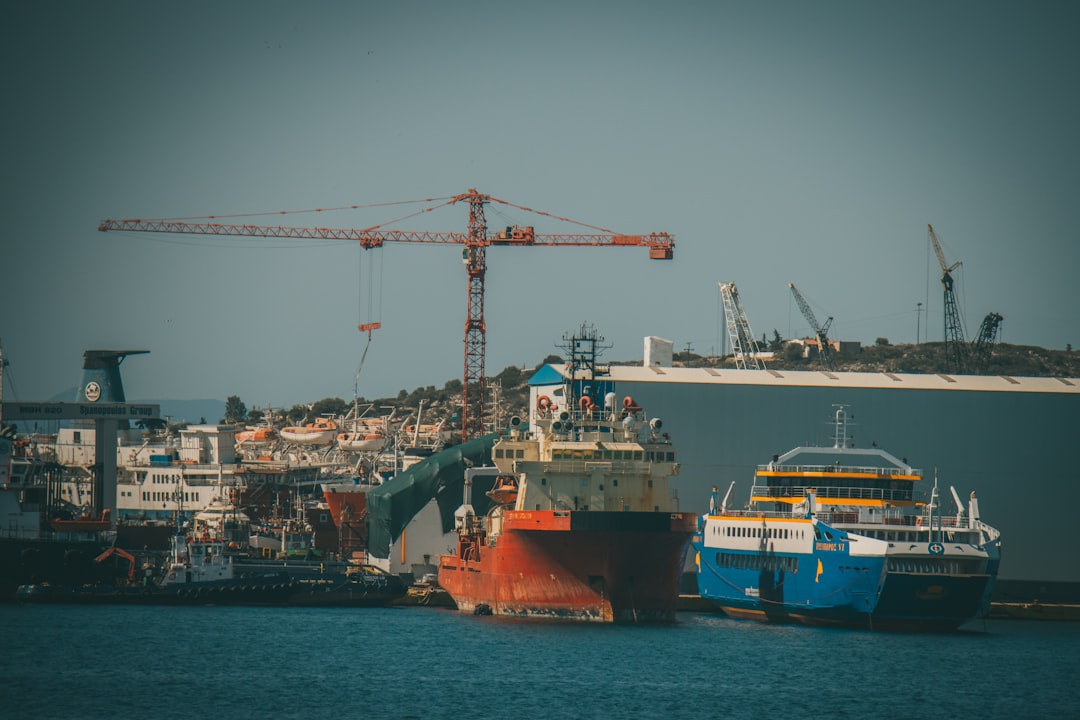
The vast expanse of the ocean, a source of trade, travel, and adventure, eventually reaches its twilight years. When a vessel’s operational life concludes, it embarks on its final journey, often to specialized shipbreaking yards. These yards, sprawling industrial landscapes along coastlines worldwide, are not merely endpoints for decommissioned ships; they are vibrant hubs for a burgeoning salvage market. Exploring these unique environments offers a glimpse into a fascinating world of repurposed materials, historical artifacts, and ingenious resourcefulness, challenging conventional notions of waste and value.
The process of shipbreaking itself is a colossal undertaking. Once a ship arrives at the yard, it is typically beached or docked and systematically dismantled. This dismantling is a laborious and often manual process, involving a legion of skilled workers who meticulously cut, separate, and extract every usable component. While the primary goal is the recovery of raw materials like steel and non-ferrous metals, the ship often yields a surprising array of secondary items – furniture, navigational equipment, machinery, decorative elements, and even personal belongings of former crew members. It is these secondary items, and the infrastructure that supports their extraction and sale, that form the heart of the salvage market.
The term “shipbreaking” often conjures images of sheer industrial might and the reduction of colossal vessels to their constituent metals. However, for those with a keen eye and an appreciation for history and unique materials, the areas surrounding these yards represent a treasure trove of possibilities. The economic drivers behind shipbreaking are primarily the recovery of high-value metals, particularly steel, which can be recycled into new products. Yet, the sheer volume and complexity of a decommissioned ship mean that a wealth of other materials and objects are unearthed during the dismantling process. These items, often overlooked in a typical recycling scenario, find new life through the ingenuity of salvage merchants and enthusiastic buyers.
Beyond the Hull: Unearthing Hidden Gems
The physical act of breaking down a ship is a methodical process, but it’s the unexpected finds that truly define the salvage market’s appeal. While the primary focus is on the structural components, the interiors of these vessels are often filled with items that reflect decades of service and the lives of those who sailed them.
Navigational Instruments and Equipment: Echoes of the Open Sea
Mariners relied on a sophisticated array of instruments to guide them across vast oceans. When these ships are broken down, these instruments become highly sought-after items. Sextants, chronometers, compasses, binnacles, and even early GPS units find their way into the salvage market. These are not merely functional objects; they are tangible links to maritime history, often bearing the patina of age and the stories of countless voyages. Collectors, nautical enthusiasts, and even museums actively seek these pieces, appreciating their craftsmanship and historical significance. The intricate workings of a brass sextant or the steady sweep of a ship’s clock can transport one back to a different era of seafaring.
Machinery and Mechanical Components: A Testament to Engineering Prowess
Ships are complex machines, powered by immense engines and intricate pumping systems. While the largest engines are often destined for recycling, smaller, specialized machinery and their components are frequently salvaged. Pumps, generators, winches, steering mechanisms, and even individual gears and valves can be valuable for their robust construction and unique engineering. These items can be repurposed for industrial applications, used in artistic creations, or sought by engineers and mechanics who appreciate their durability and often simpler, more robust designs compared to modern equivalents. The sheer scale of some of these components also makes them striking visual elements for large-scale installations or sculptures.
Interior Furnishings and Fixtures: Bringing a Piece of the Ship Home
The living quarters, mess halls, and officer’s cabins of a ship are often furnished with robust and distinctive items. Solid wood tables, sturdy chairs, metal bunks, lighting fixtures, and even decorative paneling can be found in salvage markets. These items possess a unique maritime aesthetic and a history of durability. Interior designers, antique dealers, and individuals seeking unique home décor are drawn to these pieces. A salvaged ship’s cabin door can become a striking statement piece, while a set of authentic porthole windows can add a touch of nautical charm to a garden or patio. The wear and tear on these items often add to their character, telling a story of their former life at sea.
The Economic Ecosystem: From Ship to Salvage to Sale
The salvage market near shipbreaking yards is not a haphazard collection of discarded items. It is a complex economic ecosystem with specialized roles and interconnected businesses.
The Role of the Salvage Merchant
Salvage merchants are the linchpins of this market. They are individuals or companies who purchase materials and items from shipbreakers, often on a large scale. Their expertise lies in identifying valuable components, negotiating prices, and then marketing and selling these items to a diverse customer base. They are adept at assessing the condition of salvaged goods, understanding their potential resale value, and managing the logistics of storage and transportation.
The Demolition Crews and Their Ingenuity
The workers directly involved in the dismantling of ships are also integral to the salvage market. Their careful extraction of valuable items, often under challenging conditions, ensures that these pieces are preserved and made available for resale. Their intimate knowledge of ship structures allows them to identify hidden compartments and valuable components that might otherwise be overlooked.
The Network of Buyers: From Industrial Giants to Individual Collectors
The buyers in the salvage market are as diverse as the items they seek. Large industrial companies may purchase bulk quantities of steel and non-ferrous metals for recycling. Manufacturers might acquire specific machine parts for their own production processes. Collectors and enthusiasts of maritime history, antiques, and unique architectural elements form another significant segment of the buyer base.
The dynamics of salvage markets around shipbreaking yards have garnered significant attention in recent years, particularly as environmental regulations tighten and the demand for recycled materials increases. An insightful article that delves into the complexities of this industry can be found at My Geo Quest, where it explores the economic and ecological implications of shipbreaking practices and the evolving landscape of salvage operations. This resource provides valuable information for anyone interested in understanding the intersection of maritime activities and environmental sustainability.
Navigating the Salvage Market: Tips for the Curious Explorer
Venturing into a salvage market near a shipbreaking yard can be an exhilarating experience, but it requires preparation and an understanding of the environment. These are not typical retail spaces; they are often raw, industrial settings where safety and respectful engagement are paramount.
Safety First: Understanding the Risks and Precautions
Shipbreaking yards and their adjacent salvage markets are inherently industrial environments. They can be noisy, dusty, and contain sharp objects or heavy machinery.
Personal Protective Equipment (PPE) is Non-Negotiable
Visitors should always wear appropriate PPE, including sturdy closed-toe shoes, long pants, and ideally, gloves and safety glasses. Some markets may require hard hats. Understanding the specific requirements of the market you are visiting is crucial.
Be Aware of Your Surroundings
Moving heavy equipment, active dismantling processes, and uneven terrain are common. Always be mindful of your footing, avoid walking under suspended loads, and never enter areas marked as restricted.
Respect the Workers and the Process
These markets are workplaces for many. Always be respectful of the workers and their operations. Ask permission before taking photographs of individuals or specific items. Do not interfere with ongoing salvage activities.
What to Expect: The Landscape of a Salvage Yard
The physical layout of salvage markets near shipbreaking yards can vary. Some are organized stalls and warehouses, while others are more open-air displays of salvaged goods.
Organized vs. Unorganized Displays
Some salvage yards have established layouts with vendors displaying their wares in designated areas. Others might be more a free-for-all, with items piled high and waiting to be discovered. This can range from neatly organized shelves of navigational instruments to mountains of steel beams and salvaged wooden planks.
The Art of Negotiation
Bargaining is often a part of the salvage market experience. Prices can be negotiable, especially for bulk purchases or items that require significant cleaning or refurbishment. Be prepared to discuss prices respectfully.
The Thrill of the Hunt
The true magic of these markets lies in the discovery. You never know what you might find. Patience and a willingness to explore are key to unearthing hidden treasures.
Finding Your Treasures: Common Items and Their Potential Uses
The variety of items available is staggering. Understanding what to look for and its potential can enhance the exploration.
Decorative and Artistic Materials
Beyond furniture, many ship components can be repurposed for art and decoration. Ship’s bells, portholes, captain’s chairs, navigational charts, and even sections of signage can be transformed into unique decorative pieces. Metal scraps can be used by sculptors, and weathered wood can add character to rustic furniture or wall paneling.
Functional Components for Restoration and Customization
For those involved in restoration projects or custom builds, salvaged ship components can be invaluable. Vintage engines, sturdy metal brackets, and unique hardware can be difficult to source elsewhere. This is particularly true for those working on classic vehicles, boats, or industrial-themed interior design.
Historical Artifacts and Collectibles
For history buffs, the salvage market offers a direct connection to maritime heritage. Old uniforms, logbooks, photographs, and personal effects can provide a glimpse into the lives of sailors. These items are often sought by collectors and enthusiasts who value their authenticity and historical narrative.
The Global Reach of Shipbreaking Salvage

Shipbreaking yards are located in various parts of the world, each with its own unique salvage market and specialties. The economic and cultural context of these regions significantly influences the types of goods available and the nature of the salvage trade.
Major Shipbreaking Hubs and Their Salvage Specialties
Several countries are renowned for their large-scale shipbreaking operations, and consequently, their vibrant salvage markets.
South Asia: India, Bangladesh, and Pakistan
These countries are major players in the global shipbreaking industry. The sheer volume of ships dismantled here means a vast and diverse salvage market. You can find everything from basic scrap metal to intricate navigational equipment, cabins, and furniture. The prices are often competitive due to the large supply.
Southeast Asia: Turkey and China
Turkey, historically a significant shipbreaking nation, has a well-established salvage market. China, while shifting its focus in recent years, has also contributed to the availability of salvaged goods. These regions often offer a mix of industrial components and more refined decorative items.
Europe: A Niche Market for Vintage and Specialty Items
While large-scale shipbreaking has decreased in Europe due to stricter environmental regulations, smaller yards and specialized operators still exist. These often focus on breaking down luxury yachts or smaller vessels, leading to a salvage market rich in high-quality interior furnishings, specialized equipment, and unique decorative elements.
The Impact of Regulations and Environmental Concerns
The shipbreaking industry faces increasing scrutiny regarding its environmental impact and labor practices. These regulations, while crucial for worker safety and environmental protection, also influence the salvage market.
Environmental Stewardship and Sustainable Salvage
As environmental awareness grows, so does the demand for responsible salvage practices. This means a greater emphasis on identifying and preserving items that can be reused, reducing waste, and ensuring that the dismantling process is conducted with minimal environmental damage.
The Future of Shipbreaking Salvage
The future of the salvage market is likely to be shaped by technological advancements, evolving environmental regulations, and a growing appreciation for circular economy principles. There is a trend towards more sophisticated dismantling techniques that prioritize the recovery of reusable components.
The Art of Repurposing: Giving Old Ships New Lives
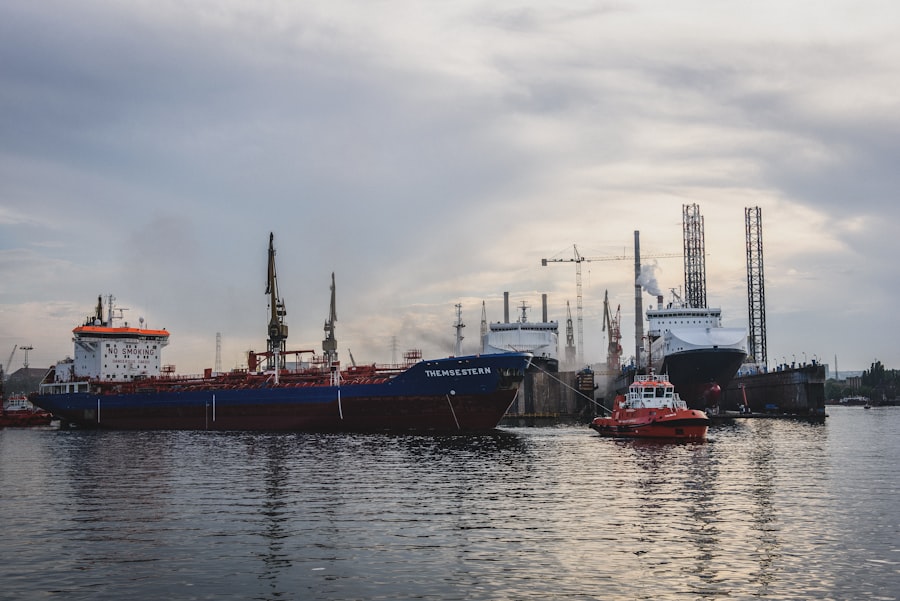
The true spirit of the salvage market lies in its ability to breathe new life into discarded materials and objects. This act of repurposing is both an art form and an essential component of sustainability.
Creative Transformations: From Ship Components to Unique Creations
The salvage market provides raw materials for a wide range of creative endeavors.
Interior Design and Architectural Elements
Salvaged ship doors, portholes, brass fittings, and weathered wood are frequently incorporated into interior design projects, adding a distinctive maritime or industrial aesthetic. Entire cabins can be dismantled and reassembled in new locations, offering unique living or working spaces.
Art and Sculpture
Metal components, gears, chains, and even sections of the ship’s hull can be transformed into striking works of art. Sculptors and artists are drawn to the inherent character and history embedded within these materials.
Custom Furniture and Industrial Chic
The robust construction and unique designs of salvaged ship furniture lend themselves well to custom furniture projects. Industrial-chic interiors often feature elements salvaged from ships, such as metal tables, lighting fixtures, and wall paneling.
The Circular Economy in Action: Reducing Waste and Maximizing Value
The salvage market is a prime example of the circular economy at work, where materials are reused and repurposed rather than being sent to landfill.
Beyond Metal: The Value of Every Component
While metal recovery is a significant aspect, the salvage market demonstrates that value exists in every part of a ship, from the smallest bolt to the largest engine component. This approach minimizes waste and extracts maximum value from decommissioned vessels.
Supporting Local Economies and Small Businesses
Salvage markets often support local economies by providing employment opportunities and fostering small businesses that specialize in restoration, repair, and resale of salvaged items.
The shipbreaking industry plays a crucial role in salvage markets, as it provides valuable materials that can be reused or recycled. A recent article discusses the environmental and economic implications of shipbreaking yards, highlighting how they contribute to sustainable practices within the maritime sector. For more insights on this topic, you can read the full article here. Understanding the dynamics of these yards can shed light on the broader impacts of shipbreaking on global trade and resource management.
Conclusion: A Testament to Resourcefulness and History
| Shipbreaking Yard | Salvage Market Data/Metrics |
|---|---|
| Alang, India | Number of ships scrapped per year |
| Chittagong, Bangladesh | Weight of steel salvaged from scrapped ships |
| Gadani, Pakistan | Percentage of reusable materials salvaged |
Exploring salvage markets near shipbreaking yards is more than just a shopping expedition; it is an immersion into a world of ingenuity, history, and sustainable practices. These markets are testament to humanity’s ability to find value in the discarded, to transform the old into the new, and to connect with the past through tangible artifacts. From the gleam of a salvaged brass sextant to the sturdy resilience of a ship’s oak beam, these markets offer a unique perspective on the lifecycle of our industrial creations and the enduring appeal of objects that carry the weight of stories and voyages. As the world increasingly embraces the principles of the circular economy, the salvage markets born from the twilight of our seafaring vessels will undoubtedly continue to thrive, offering a rich tapestry of history, creativity, and resourcefulness.

The Beaches Global Trade Can’t Afford to Lose
FAQs
What are salvage markets around shipbreaking yards?
Salvage markets around shipbreaking yards refer to the buying and selling of salvaged materials, equipment, and parts from ships that are being dismantled for scrap. These markets often involve the sale of items such as steel, machinery, electronics, and other reusable or recyclable materials.
What types of items are typically sold in salvage markets around shipbreaking yards?
Items commonly sold in salvage markets around shipbreaking yards include steel plates, pipes, cables, engines, generators, navigation equipment, furniture, and various other components and materials salvaged from decommissioned ships.
Who participates in salvage markets around shipbreaking yards?
Participants in salvage markets around shipbreaking yards can include scrap dealers, recycling companies, shipbreaking yards, industrial manufacturers, and individuals or businesses looking to purchase salvaged materials for reuse or resale.
What are the environmental and safety considerations in salvage markets around shipbreaking yards?
Salvage markets around shipbreaking yards can raise environmental and safety concerns due to the potential presence of hazardous materials such as asbestos, lead, and other toxic substances. Proper handling, disposal, and recycling practices are essential to mitigate these risks.
How do salvage markets around shipbreaking yards impact the global economy?
Salvage markets around shipbreaking yards contribute to the global economy by providing a source of raw materials for manufacturing and construction industries. Additionally, the recycling and reuse of salvaged materials can help reduce the demand for new resources and minimize environmental impact.