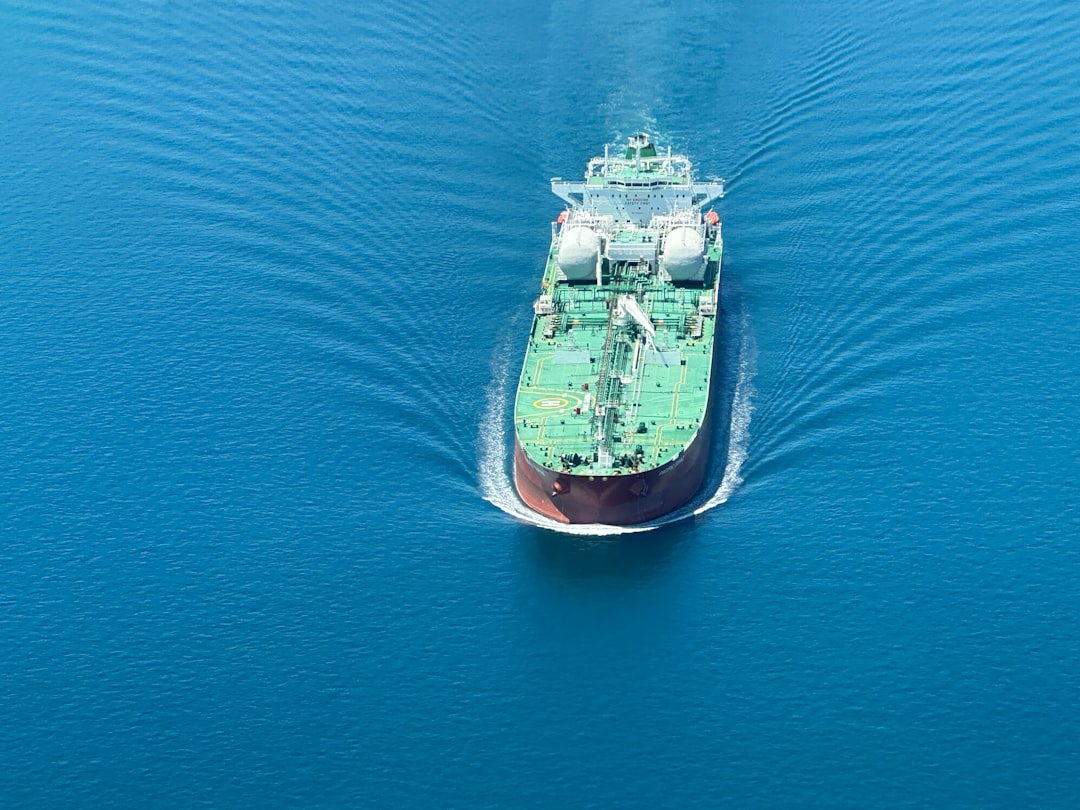
India’s dominance in the global shipbreaking industry is a complex phenomenon, driven by a confluence of economic factors, regulatory landscapes, and historical development. While the allure of massive shipbreaking yards might seem straightforward, a deeper examination reveals a nuanced interplay of forces that have positioned India as a powerhouse in this demanding sector. The assertion that this dominance is solely attributable to low labor costs and lax environmental regulations, while containing elements of truth, oversimplifies a multifaceted reality. Instead, it is a combination of strategic geographical advantages, a well-established infrastructure, government policies, and the sheer scale of demand that has propelled India to the forefront of ship recycling.
India’s extensive coastline, stretching over 7,500 kilometers, presents a significant geographical advantage for shipbreaking operations. This vast maritime border provides numerous natural harbors and accessible beaches, ideal for beaching large vessels for dismantling. The monsoon climate, while presenting challenges, also contributes to specific operational windows, and the availability of shallow waters further facilitates the process of grounding ships.
Alang: The Epicenter of Indian Shipbreaking
The Alang shipbreaking yard in Gujarat stands as the world’s largest ship graveyard, a testament to India’s prowess in this industry. Its sheer scale is breathtaking, with hundreds of vessels at various stages of dismantling lining the coastline. The success of Alang is not accidental but a result of deliberate development over decades, transforming a relatively undeveloped stretch of coast into a bustling industrial hub.
Historical Development of Alang
The establishment and growth of Alang were part of a larger vision to leverage India’s maritime strengths. Initially conceived in the late 1970s and becoming fully operational in the early 1980s, Alang rapidly expanded, attracting shipowners looking for cost-effective ways to dispose of their aging fleets. The yard’s design, with its intertidal zone, allows ships to be grounded at high tide and worked on during low tide, maximizing operational efficiency. This unique tidal process is a key factor in the volume of work that can be handled.
Geographical and Tidal Influences
The specific geographical characteristics of Alang, including its wide intertidal zone and the protective nature of the Gulf of Cambay, make it particularly suitable for the shipbreaking process. The strong tidal currents, while posing inherent risks, are integral to the beaching method employed. This method, where vessels are deliberately run aground on the beach, is a cornerstone of the Alang operation and contributes to the sheer volume of ships processed.
Other Significant Shipbreaking Hubs in India
Beyond Alang, other locations along India’s coast have also developed significant shipbreaking activities. While not on the same colossal scale as Alang, these yards contribute to India’s overall capacity and specialization. These include areas in the states of Maharashtra and Kerala, each with their unique logistical advantages and operational nuances.
Mumbai and the Eastern Coast
While Alang is the undisputed leader, other regions have carved out niches. The eastern coast of India, though less prominent than Gujarat, also has historical ties to ship dismantling. Ports near major industrial centers often see shipbreaking activities, driven by the proximity to raw material demand and labor pools.
Evolving Infrastructure and Port Access
The development of ancillary infrastructure, including specialized port facilities for receiving and dismantling ships, has been crucial. Improved road and rail connectivity to these yards ensures the efficient transportation of salvaged materials to various industries, further solidifying India’s logistical advantage.
India’s massive shipbreaking yards have become a focal point for discussions on the global maritime industry, largely due to the country’s unique combination of labor costs, regulatory environment, and geographical advantages. For a deeper understanding of the factors contributing to India’s prominence in shipbreaking, you can read a related article that explores these dynamics in detail. This article provides insights into the economic and environmental implications of shipbreaking in India, highlighting both the opportunities and challenges faced by the industry. To learn more, visit this article.
The Economic Drivers: Labor Costs and Demand
The economic landscape of India plays a pivotal role in its shipbreaking dominance. The availability of a large, skilled, and relatively inexpensive labor force is a significant cost advantage for Indian yards compared to their counterparts in developed nations. This economic reality, coupled with a robust domestic demand for recycled steel, creates a powerful economic engine.
The Role of a Large Labor Pool
India possesses a vast population, and the shipbreaking industry provides employment for hundreds of thousands of individuals. This readily available workforce, encompassing a diverse range of skills from welders and metal cutters to crane operators and logistics personnel, is a fundamental asset. The compensation for this labor, while increasing, remains competitive on a global scale, making India an attractive destination for shipowners seeking to minimize disposal costs.
Skill Development and Training within Yards
While the labor force is large, the industry has also fostered specialized skills over the years. Workers in shipbreaking yards develop expertise in handling massive steel structures, hazardous materials, and intricate dismantling processes. This accumulated knowledge and practical experience contribute to the efficiency and effectiveness of Indian shipbreaking operations.
Socio-economic Impact on Local Communities
The shipbreaking industry has a profound socio-economic impact on the communities surrounding these yards. It provides vital employment opportunities, contributing to local economies and livelihoods. However, this also brings challenges related to worker welfare and safety, which have become increasingly prominent in discussions surrounding the industry.
Domestic Demand for Recycled Steel
The vast and growing Indian economy has a significant appetite for steel. The recycled steel obtained from shipbreaking is a crucial raw material for numerous industries, including construction, manufacturing, and infrastructure development. This consistent domestic demand acts as a powerful incentive for shipbreaking operations, ensuring a ready market for salvaged materials.
Contribution to India’s Steel Industry
Shipbreaking contributes a substantial portion of the steel used in India’s burgeoning industrial sector. The ability to source large quantities of high-quality recycled steel locally reduces reliance on imports and supports the nation’s self-sufficiency goals. This circular economy aspect is a significant benefit.
Diversification of Material Usage
Beyond steel, various other components salvaged from ships, such as machinery, electronics, and non-ferrous metals, find their way into different industrial applications or are exported, further contributing to the economic viability of the shipbreaking sector.
Regulatory Frameworks and Environmental Considerations
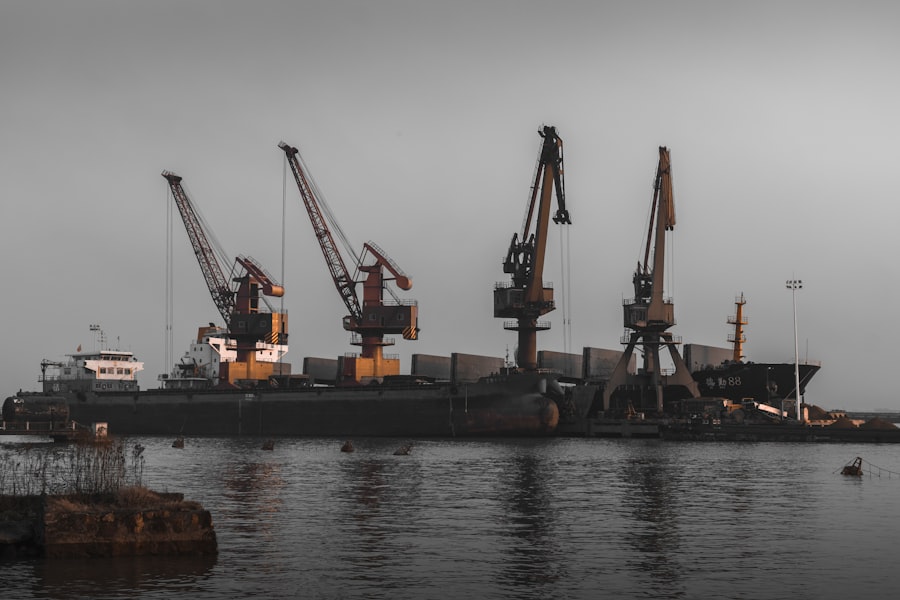
The discussion around India’s shipbreaking dominance cannot ignore the regulatory and environmental aspects. While often cited as a factor, the reality is a evolving landscape. Historically, environmental regulations were less stringent, contributing to cost advantages. However, in recent years, there has been a growing emphasis on improving safety and environmental standards, driven by international pressure and domestic awareness.
Historical Context of Environmental Regulations
In the early days of the shipbreaking industry, environmental concerns were often secondary to economic expediency. This led to practices that were less sustainable and had a significant environmental footprint. The lack of strict enforcement and comprehensive regulatory frameworks allowed for cheaper operations.
Evolution of Environmental Standards
Over time, international conventions such as the Hong Kong Convention for the Safe and Environmentally Sound Recycling of Ships have exerted pressure on countries like India to improve their standards. While implementation can be challenging, there has been a discernible shift towards more responsible practices.
The Impact of Labor Laws and Worker Safety
The safety and welfare of workers are critical considerations in the shipbreaking industry, which is inherently hazardous. Historically, worker safety records in India have been a point of concern. However, there is an ongoing effort to align with international labor standards and improve working conditions, including provisions for personal protective equipment and safety training.
Challenges in Enforcement and Compliance
Despite advancements in regulations, the sheer scale of operations and the informal nature of some aspects of the workforce can make consistent enforcement and compliance a challenge. Ensuring that all yards adhere to the highest safety and environmental standards remains an ongoing endeavor.
International Pressure and the Hong Kong Convention
The international community, through initiatives like the Hong Kong Convention, plays a significant role in shaping the regulatory landscape. Countries that wish to be recognized as compliant with international standards often need to demonstrate adherence to these conventions, influencing policy changes and operational practices within their shipbreaking yards.
Technological Advancements and Operational Efficiency

While often characterized by manual labor, the Indian shipbreaking industry has also seen technological advancements and operational improvements aimed at increasing efficiency and safety. The adoption of modern equipment and techniques, coupled with the inherent advantages of the beaching method, contributes to the sector’s productivity.
Mechanization and Equipment Usage
Although manual labor is prevalent, Indian shipbreaking yards utilize a range of heavy machinery, including cranes, barges, and cutting equipment. The strategic use of these tools, combined with a skilled workforce, allows for the efficient dismantling of large vessels.
Innovations in Cutting and Dismantling Techniques
Continuous innovation in cutting techniques, from plasma cutters to oxy-acetylene torches, has improved the speed and precision of ship dismantling. The industry also explores new methods for handling and transporting salvaged materials, further optimizing the process.
The Beaching Method: Efficiency and its Limitations
The traditional beaching method, where ships are run aground on intertidal zones, remains a cornerstone of Indian shipbreaking. This method is cost-effective as it eliminates the need for expensive dry docks and allows for a large number of ships to be processed simultaneously. However, it also presents environmental challenges related to the dispersal of hazardous materials.
Advantages of the Intertidal Zone Operations
The intertidal zone provides a natural working platform, allowing for the grounded vessel to be accessed and dismantled as the tide recedes. This cyclical process is an efficient use of natural resources and labor.
Environmental Concerns Associated with Beaching
The direct dismantling on beaches raises concerns about the potential for oil spills, leakage of hazardous substances, and the accumulation of waste materials in the marine environment. Addressing these concerns is crucial for the long-term sustainability of the industry.
India has become a global hub for shipbreaking due to its extensive coastline, low labor costs, and the availability of large areas for dismantling ships. The massive shipbreaking yards in India, particularly in Alang, have attracted attention for their ability to recycle steel and other materials from decommissioned vessels. This process not only provides economic benefits but also raises environmental concerns regarding pollution and worker safety. For a deeper understanding of the factors driving this industry, you can explore a related article on the subject at My Geo Quest.
The Future of Indian Shipbreaking: Sustainability and Global Competition
| Reasons for India’s Massive Shipbreaking Yards |
|---|
| 1. Cost-effective labor |
| 2. Availability of raw materials |
| 3. Less stringent environmental regulations |
| 4. Geographical advantage for ship dismantling |
| 5. High demand for steel and other recycled materials |
The future of India’s dominance in shipbreaking hinges on its ability to adapt to evolving global demands for sustainability and navigate increasing international competition. While its economic advantages remain, the pressure to adopt greener practices and higher safety standards is undeniable.
The Push Towards Greener Ship Recycling
The global shipping industry is increasingly focused on responsible end-of-life management for vessels. This includes a demand for ship recycling facilities that adhere to stringent environmental regulations and minimize their ecological footprint. India’s ability to meet these expectations will be crucial for maintaining its market share.
Investment in Environmentally Sound Technologies
To remain competitive, Indian shipbreaking yards will need to invest in technologies that mitigate environmental risks. This includes advanced waste management systems, containment measures for hazardous materials, and pollution control technologies.
Certification and International Recognition
Obtaining certifications from international bodies that recognize environmentally sound and safe ship recycling practices can enhance India’s reputation and attract responsible shipowners. This can differentiate Indian yards from those with less stringent standards.
Navigating Global Competition and Shifting Trends
While India remains a dominant player, other nations are also developing their shipbreaking capacities. Furthermore, trends such as the development of new ship designs that are easier to dismantle or the increasing use of lighter, more recyclable materials could impact the industry.
Diversification and Specialization
Indian yards may need to diversify their services or specialize in particular types of vessels or dismantling processes to stay ahead. This could involve focusing on more complex dismantling projects or offering a wider range of recycling services.
The Role of Government Policy and Support
The Indian government’s role in supporting the shipbreaking industry through policy interventions, infrastructure development, and the promotion of best practices will be critical. Proactive policies can help the sector adapt to future challenges and opportunities.
In conclusion, India’s dominance in shipbreaking is a multifaceted achievement, built on a foundation of strategic geographical advantages, economic efficiencies, and a resilient labor force. While low labor costs and historical laxity in environmental regulations have played a part, the narrative is evolving. The industry is increasingly under pressure to embrace sustainability and higher safety standards. India’s continued leadership will depend on its capacity to innovate, adapt to global environmental expectations, and effectively manage the complex interplay of economic, social, and ecological considerations that define this vital, yet challenging, sector.

The Beaches Global Trade Can’t Afford to Lose
FAQs
1. What are shipbreaking yards?
Shipbreaking yards are facilities where old and decommissioned ships are dismantled and their parts are recycled or sold for scrap. These yards are often located in developing countries where labor and environmental regulations are less stringent.
2. Why does India have massive shipbreaking yards?
India has massive shipbreaking yards due to its low labor costs, lax environmental regulations, and high demand for steel and other materials. The country’s long coastline and access to deep water also make it an attractive location for shipbreaking activities.
3. What are the environmental and safety concerns associated with shipbreaking yards?
Shipbreaking yards are often associated with environmental pollution, occupational hazards, and unsafe working conditions. The dismantling process can release toxic substances such as asbestos, lead, and oil into the environment, posing risks to both workers and local communities.
4. How does the shipbreaking industry impact the local economy in India?
The shipbreaking industry provides employment opportunities for thousands of workers in India, particularly in the states of Gujarat and Maharashtra where the majority of shipbreaking yards are located. However, the industry also faces criticism for its poor working conditions and low wages.
5. What measures are being taken to address the environmental and safety concerns in India’s shipbreaking yards?
Efforts are being made to improve the environmental and safety standards in India’s shipbreaking yards. The government has introduced regulations to ensure proper disposal of hazardous materials and to protect the health and safety of workers. Additionally, international organizations and NGOs are working to raise awareness and advocate for better practices in the industry.